Urban development faces the challenge of blending functional design with environmental consciousness. COX Architecture, celebrated for its groundbreaking work, has reshaped our cities and living spaces.
This article delves into how their designs offer solutions that harmonize urban sprawl with sustainable living. Discover a world where buildings breathe life into our communities.
Key Takeaways
- COX Architecture started in 1962 in Australia and is now known worldwide for its strong buildings that are good for the earth.
- They make sure their projects use nature, like light and trees, to make spaces better. This helps people feel good and saves energy.
- The firm has won awards for making places where people can have fun and remember history while still being green. Their work includes stadiums, museums, theatres, airports, and memorial centers.
- COX uses local materials to build with so that what they make fits well with the place it's in.
- As COX plans new projects, they think about a future where cities are friendly for everyone and do not harm the environment.
Company Profile
COX Architecture, a pioneering firm born from a passion to influence cities through design, has grown from its roots into an international collective. Its journey reflects a commitment to shaping our urban fabric with visionary projects that resonate across continents.
Beginnings
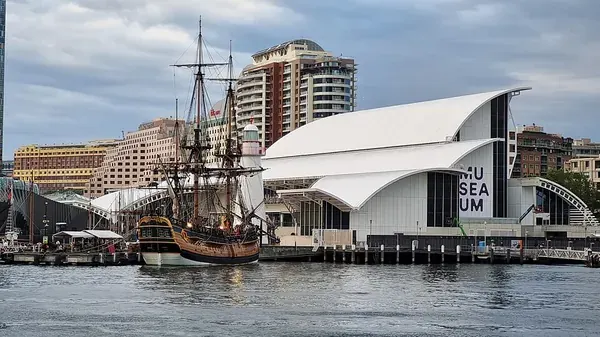
In 1962, Philip Cox and Ian McKay started a partnership in Australia. They aimed to change how buildings connect with people and the earth. Their work began with fixing old places, designing inside spaces, and making cultural spots better.
From these roots grew a dedication to wise building that helps city life.
Early on, COX joined hands with other pros like Food Service Design Australia, AECOM, and Aurecon. These teamwork projects helped shape communities and showed COX's skill in many kinds of design work.
Up next: How COX spread out across the world and made new kinds of buildings everywhere.
Evolution and international expansion
COX Architecture grew from a small firm into a major player in the world of design. They now work on big projects far from home, just like other Australian architectural firms, such as Woods Bagot. The company teams up with experts across borders to create buildings that stand out and respect our planet.
Their designs cross oceans, with efforts seen throughout Europe and Asia, for instance. Their hard work gets noticed—they win awards for making environmentally friendly spaces. Architects around the globe admire their eco-friendly and sustainable designs, which they use to tackle the tough challenges faced by cities today.
Next up, let’s dive into COX Architecture’s unique style and how it shapes the spaces where we live and work.
Architectural Style and Characteristics
BCOX Architecture's distinct design philosophy emerges from a harmonious interplay between structural innovation, environmental stewardship, and cultural integration. Their approach crafts spaces that not only reshape the urban fabric but also resonate deeply with both the people who inhabit them and the landscapes they occupy.
Focus on Structure
Buildings designed by COX Architecture stand strong and last long. The team works hard to make sure each structure is safe and solid. They care a lot about the bones of a building. This means they choose the right materials and shapes to handle all sorts of weather and use.
Every space feels good to be in, with plenty of light and fresh air. COX designs bring in natural beauty which makes places more pleasant. Their buildings are not just pretty; they are smart too, using less power and helping nature.
Integration with Nature
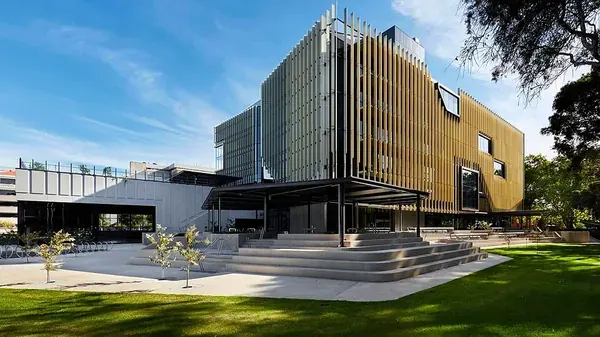
Beyond sturdy structures, COX Architecture brings the outside in. Their designs blend buildings with the environment. They make sure trees, water, and light are a big part of every project. This thinking is key to their work.
COX uses things like natural ventilation and local materials. This helps them create places that fit well with nature. They care about making spaces where people feel good and nature is respected. You can see this in how they pick materials that come from around the building site. It's clear they want both people and places to thrive together.
Their way of designing goes hand in hand with green ideas. They make eco-friendly choices to help our planet. Each design respects what's already there—from plants to weather patterns—and works it into new spaces for everyone to enjoy.
Total Design Mindset
Moving from the idea of blending nature into buildings, COX Architecture takes it a step further with their total design mindset. This means they think about every part of a project right from the start.
They make sure design is the heart of everything, not just how a building looks but also how it works and fits into its place. Their total design mindset helps them create spaces that are good for people and kind to our planet. These places often use less energy and water, which saves money and protects nature.
COX thinks about who will be using each space. They want everyone to feel welcome and happy in the buildings they make.
COX team members work together to solve problems by looking at all parts of a project. They mix smart ideas with beautiful designs so that every building makes life better for those who use them.
Response to Urban and Environmental Challenges
COX Architecture takes urban and environmental challenges head-on. Cities are changing, and so is our climate. COX understands this and works hard to make buildings that fit well with nature and help people live better lives. They think about things like clean air, enough sunlight, and green spaces when they design places where we live and work.
Their projects show how you can use less power and water in buildings by choosing the right designs and materials. These choices also help cut down on waste. They consider each place's unique weather patterns, landscapes, and what the community needs to thrive.
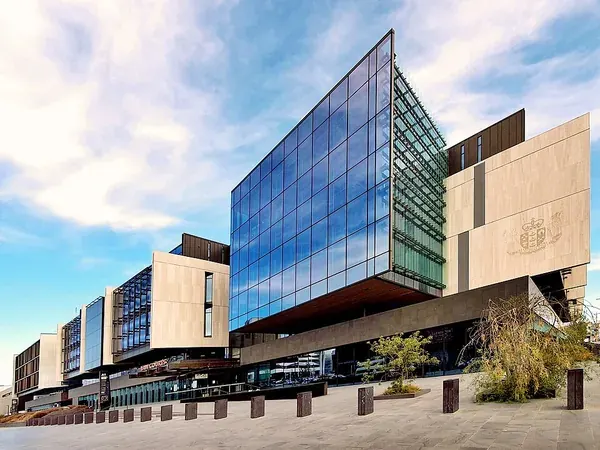
They also respond effectively to natural calamities through thoughtful and robust design. Their approach to rebuilding Christchurch in New Zealand involved innovative architectural solutions that addressed the city's unique challenges post-earthquake, showcasing their commitment to creating sustainable and disaster-resistant urban environments.
Recent Projects
Delving into COX Architecture's recent endeavors reveals a bold fusion of innovation and sustainability, setting the stage for further exploration of their transformative impact on urban landscapes and residential domains.
Australian War Memorial Expansion
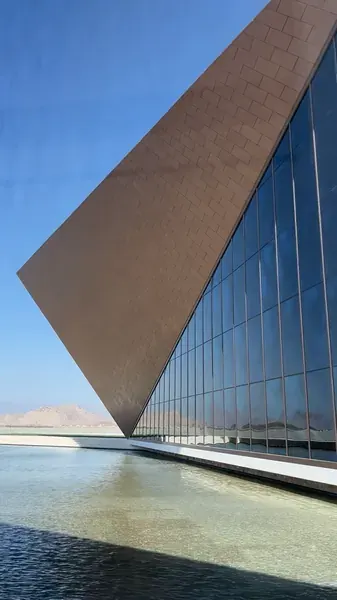
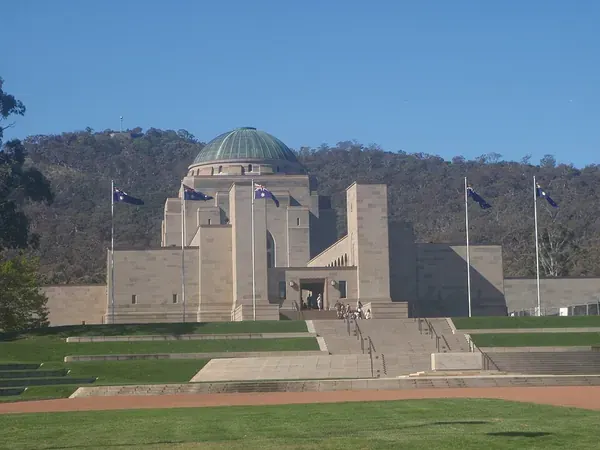
The Australian War Memorial Expansion by COX Architecture is a poignant and respectful enhancement to one of Australia's most hallowed sites. This project carefully balances the solemnity and significance of the War Memorial's purpose with contemporary architectural sensibilities.
Through its expansion, the Memorial can accommodate an increased range of exhibitions and educational facilities, deepening the engagement with Australia's military history. The design is sensitive to the existing structure, ensuring that the integrity and solemnity of the Memorial are maintained while providing new spaces for reflection and learning.
This project stands as a testament to COX Architecture's ability to handle projects of national significance with grace and respect.
Western Sydney International Airport
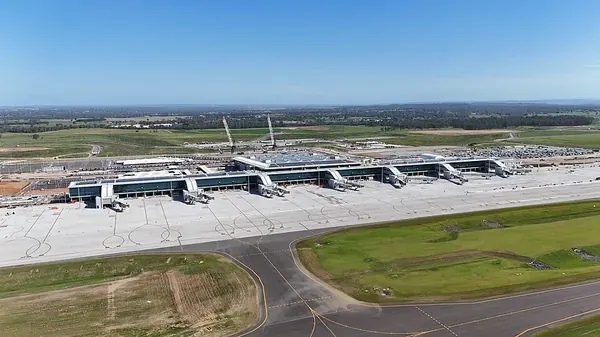
The Western Sydney International Airport, a collaborative project between COX Architecture and Zaha Hadid Architects, represents a landmark in modern airport design.
This venture is a fusion of functional efficiency and aesthetic innovation, creating a new gateway to the region. The design reflects the natural beauty of the Australian landscape, integrating sustainable practices and cutting-edge technology. Its architectural language speaks of fluidity and motion, resonating with the dynamic nature of air travel.
This project showcases COX Architecture's prowess in large-scale infrastructure, contributing significantly to the evolution of airport design.
Next up, let's talk about some other projects by COX that have caught everyone's eye.
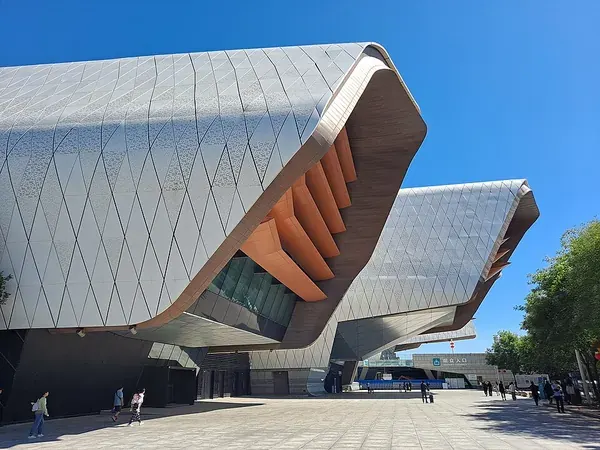
National Maritime Museum of China
The National Maritime Museum of China, designed by COX Architecture, is a striking architectural feat.
Its unique design, reminiscent of sea creatures and nautical themes, mirrors the maritime history it showcases. Comprising four wings, each dedicated to different aquatic themes, the museum provides an immersive experience of China's maritime legacy.
Its innovative structure not only serves as a functional space for exhibitions but also stands as an architectural symbol of China's connection to the sea. This project highlights COX Architecture's skill in creating culturally significant and visually compelling spaces.
Notable Projects and Awards
COX Architecture’s portfolio radiates excellence, as evidenced by their award-winning creations that redefine community spaces and cultural landmarks. Their innovative designs, like the avant-garde Queensland Country Bank Stadium, have garnered international acclaim and serve as benchmarks in contemporary architecture.
Queensland Country Bank Stadium
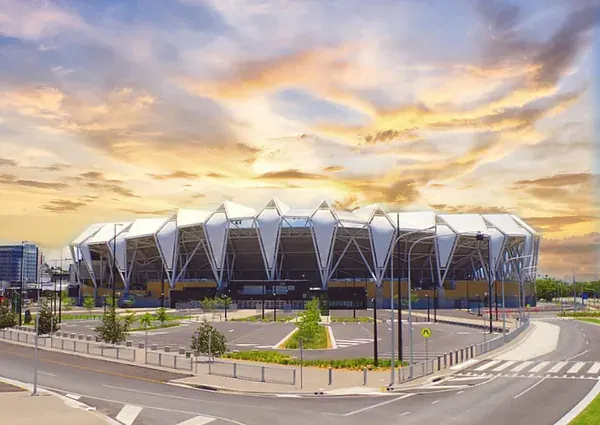
The Queensland Country Bank Stadium, designed by COX Architecture, is a state-of-the-art sports venue in Townsville, Australia.
Renowned for its innovative design, it features a pandanus leaf-inspired roof, providing shade and shelter, and creating a distinctive local identity. The Stadium has earned praise, receiving Commendations for Public Architecture at the 2021 QLD Architecture Awards and from the AIA North Queensland Regional.
The stadium boasts a capacity of over 25,000, with an emphasis on spectator experience and environmental sustainability. Its design optimizes natural ventilation and views, connecting the venue with its tropical setting.
This project exemplifies COX Architecture's expertise in integrating functional, environmental, and aesthetic considerations in large-scale public infrastructure.
Kaohsiung Exhibition Center
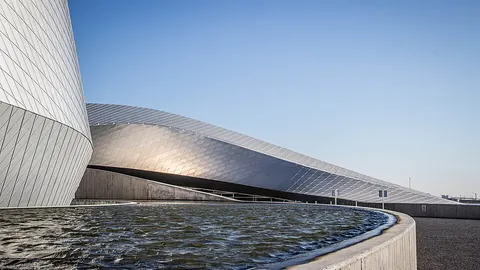
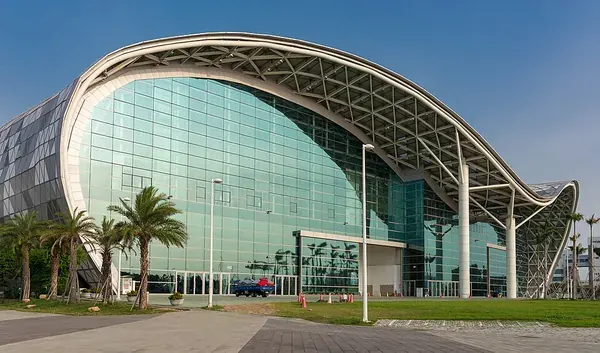
Reflecting the dynamic energy of Taiwan’s largest harbor, the Kaohsiung Exhibition Center by COX Architecture is a defining landmark of waterfront regeneration. Evoking the form of crashing waves, the structure’s distinctive aluminum-clad roof unifies the complex while seamlessly connecting the urban grid to the ocean edge.
Engineered to withstand the region’s extreme seismic activity and tropical typhoons, the design balances structural resilience with environmental sensitivity. The center features a ventilated double-skin façade and captures prevailing sea breezes to naturally cool the vast, column-free exhibition halls, significantly reducing energy consumption in the humid climate. As a catalyst for the local MICE industry, this project demonstrates how large-scale public infrastructure can embody cultural identity.
By harmonizing robust engineering with fluid aesthetics, COX Architecture has delivered a world-class venue that celebrates Kaohsiung’s maritime heritage while driving its economic future.
Cairns Performing Arts Centre
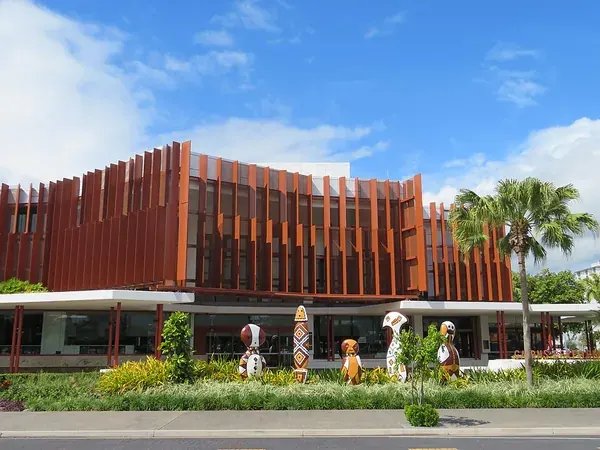
The Cairns Performing Arts Centre, envisioned by COX Architecture, is a significant cultural landmark in Cairns, Australia. This facility, known for its striking design, includes a 950-seat main theater, a flexible studio space, and an outdoor amphitheater. The design reflects the tropical environment, with a focus on natural light and ventilation, enhancing the audience's experience.
The Centre's architecture integrates seamlessly with the city's landscape, emphasizing local materials and design elements. This project exemplifies COX Architecture's commitment to creating spaces that not only serve artistic and community purposes but also resonate with their environmental context.
It also earned the Queensland Architecture Medallion at the 2021 QLD Architecture Awards.
Melbourne Rectangular Stadium
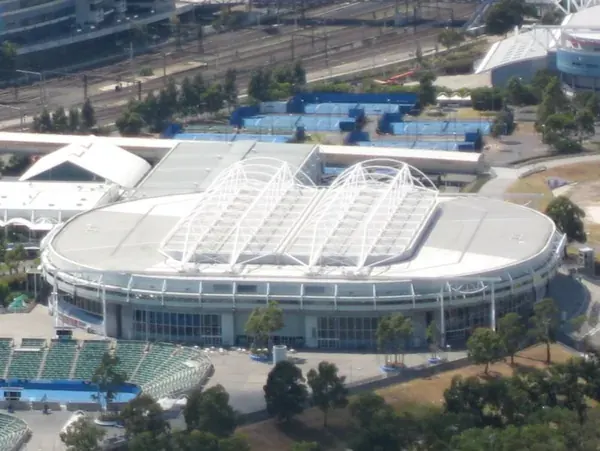
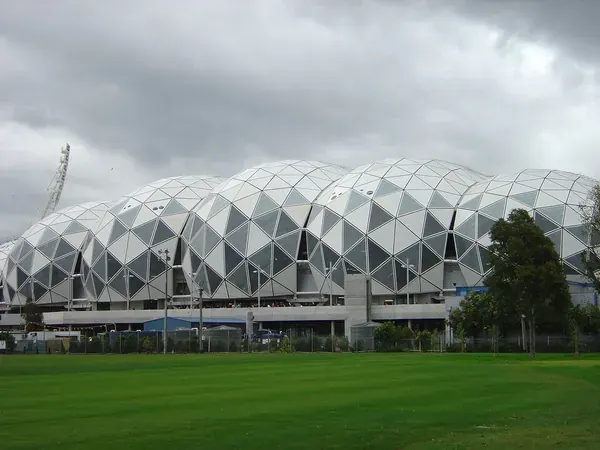
Celebrated as a masterpiece of structural engineering, the Melbourne Rectangular Stadium (AAMI Park) by COX Architecture has revolutionized sports venue design through its iconic 'bio-frame' roof.
Unlike traditional cantilevered structures, this geodesic dome utilizes a lightweight triangulated shell that requires 50% less steel, setting a new benchmark for material efficiency and sustainability in large-scale arenas.
The innovative design eliminates the need for support pillars, guaranteeing spectators uninterrupted sightlines and fostering an intense, intimate atmosphere for rugby and soccer matches.
At night, the exterior transforms into a digital canvas via thousands of programmable LED lights, integrating the venue into the city's vibrant cultural fabric.
Located within the famous Melbourne Sports and Entertainment Precinct, this project illustrates how advanced geometry can solve complex functional challenges, delivering a visually spectacular yet highly economical solution for modern stadium architecture.
Grasshopper Complete Course
Give your architectural skills a boost with the Grasshopper Complete Course. Get over 50 hours of comprehensive Grasshopper training tailored for architects. Learn to generate and iterate designs faster. Click below for more information and streamline your workflows!