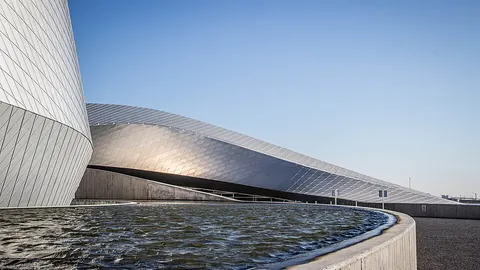
Curious about groundbreaking architectural designs that harmonize innovation and sustainability? Foster + Partners, a reputable British architecture firm, stands out as an industry leader.
This article delves into their evolution towards sustainable design, introduces their high-tech styles, and discusses some of the studio's most stunning creations worldwide. Journey with us to explore how this cutting-edge firm redefines urban landscapes across the globe!
Key Takeaways
- Foster + Partners is known for making buildings that have a low carbon footprint.
- Its design style uses many parts to make one building. Each part has equal importance.
- Their work includes famous sites like the London City Hall, The Gherkin in London, and Hearst Tower in New York.
- They won big prizes such as the Architect of the Year Award in 2020 because their designs are both smart and good for our world.
History and Evolution
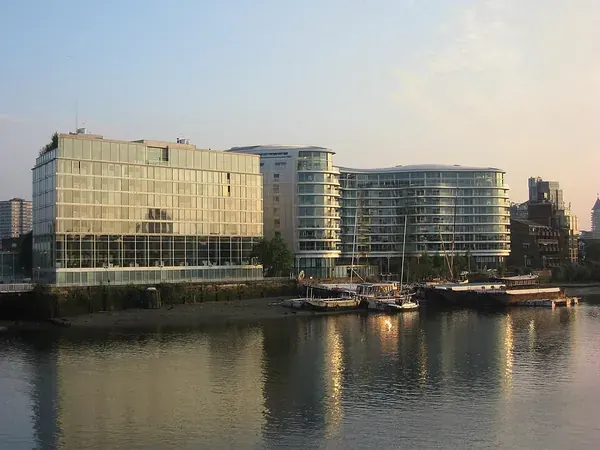
Foster + Partners started as a modest but ambitious endeavor, gradually evolving into a champion of sustainable design. Over the years, the firm has shifted its paradigm towards creating architecture that is environmentally friendly and harmonious with nature.
With each project, they strive to craft designs that not only meet present needs but also consider future climate scenarios and energy requirements. Today, this pursuit of sustainability defines their philosophy and style in architectural innovation.
Beginnings
Norman Foster set up a firm in 1967. He called it Foster Associates at first. Later, its name changed to Sir Norman Foster and Partners Ltd in 1992. Then, in 1999, the firm got its new name - Foster + Partners Ltd.
This change showed how other lead architects also had a big role in the firm's work. The company is based in London and it works on architecture, engineering, and design projects worldwide.
Its designs are known for using glass and steel a lot.
Evolution towards sustainability
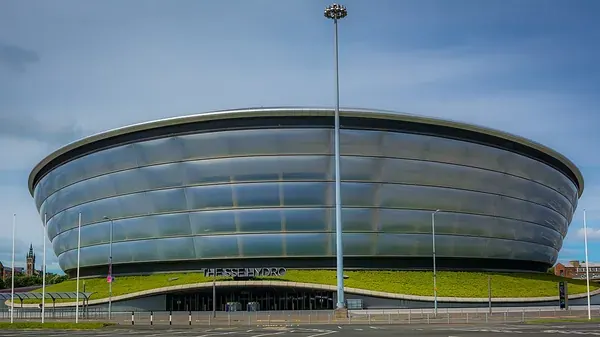
Foster + Partners shifted their focus to green architecture. They made a promise. Their buildings will be carbon-neutral by 2030. The firm uses renewable energy and eco-friendly construction for climate change mitigation.
In-house experts help with this goal. They check on the carbon impact and do environmental analysis. Also, they study materials, design landscapes, and workplaces, and work on complex building forms for a healthier world.
Energy efficiency is always in their minds as they aim for a low carbon footprint in every project.
One of the “green” projects underway is the One Beverly Hills Development in collaboration with Gensler.
Architectural Style
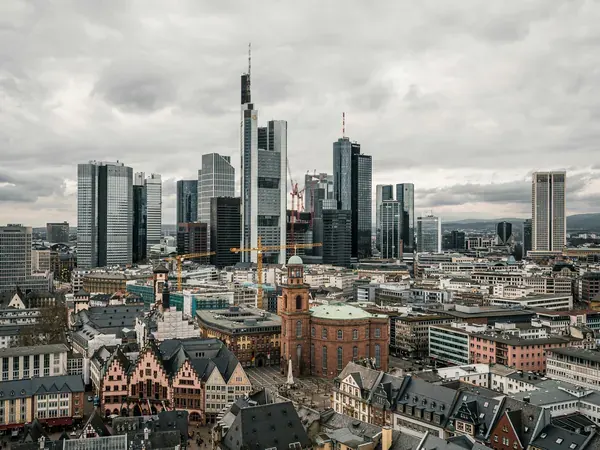
Foster + Partners infuses high-tech designs with a synthesis approach, creating innovative architectural masterpieces that prioritize sustainability and user experience.
High-tech designs
Foster + Partners makes buildings that use cutting-edge technology. They are known for their high-tech designs. These designs mix architecture with other skills like building, town planning, and design.
Many of their buildings are made using glass and steel. This kind of work allows them to make structures that look ahead to the future. Nowadays, the firm's focus is always on joining style with green ideas for clean living spaces.
Synthesis approach
Foster + Partners uses the synthesis approach in their designs. This means they mix many principles to make a whole building. These principles are related to structure, services, ecology, light quality, form symbolism, and location ties.
Each part is just as important as the other. The aim is to create green buildings that function well and look good too. This way of thinking helps them cut down on carbon release and reach their goal of carbon-free buildings by 2030.
Notable Projects
This section will delve into Foster + Partners' renowned architectural works such as the London City Hall, The Gherkin, Millennium Bridge, Hearst Tower, and The Bow, highlighting their unique design elements and sustainable innovations.
London City Hall
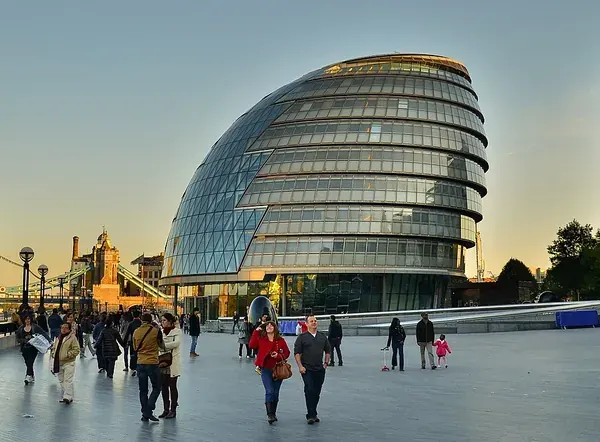
London City Hall shines as a bold show of Foster + Partners' skill. Situated near Tower Bridge in Southwark, London, it was the headquarters for the Greater London Authority (GLA) from July 2002 to December 2021, housing both the Mayor of London and the London Assembly.
It fits right into the city around it while still standing out in its own special way. Its modern, futuristic design is emblematic of London's progressive urban aesthetic.
The Gherkin
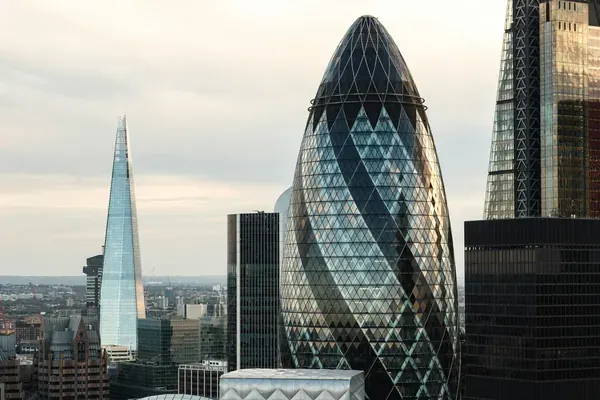
The Gherkin, officially named 30 St Mary Axe, is a skyscraper in London designed by the architectural firm Foster + Partners, and completed in 2004. This 41-story tower, reaching a height of 180 meters, exhibits a distinctive cylindrical form that tapers inward at both its base and top, culminating in a rounded apex.
Designed with a focus on ecological sustainability, The Gherkin was London's first ecological tall building, symbolizing a blend of sustainability, well-being, and innovation.
The Gherkin's architectural essence lies in its innovative structural system and energy-efficient design, embodying a modernist aesthetic while responding to the contemporary demands of urban sustainability and spatial quality.
Millenium Bridge
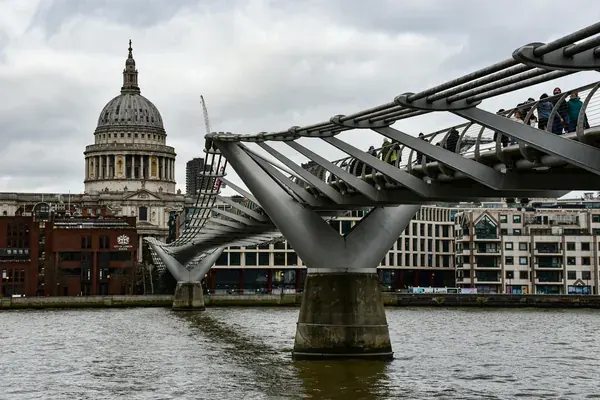
The Millennium Bridge, a pedestrian-only suspension bridge in London, is a remarkable blend of architecture, art, and engineering, embodying a creative collaboration among these disciplines.
Built between 1996 and 2000, and later remodeled in 2000-2002 due to its famous initial wobble, the bridge is a structural marvel with a width of 4 meters, a length of 325 meters, and a main span of 144 meters.
The design, often described as a "ribbon of steel" seamlessly integrates with London's pedestrian infrastructure, enhancing the urban fabric by bridging the Thames' two banks.
Hearst Tower
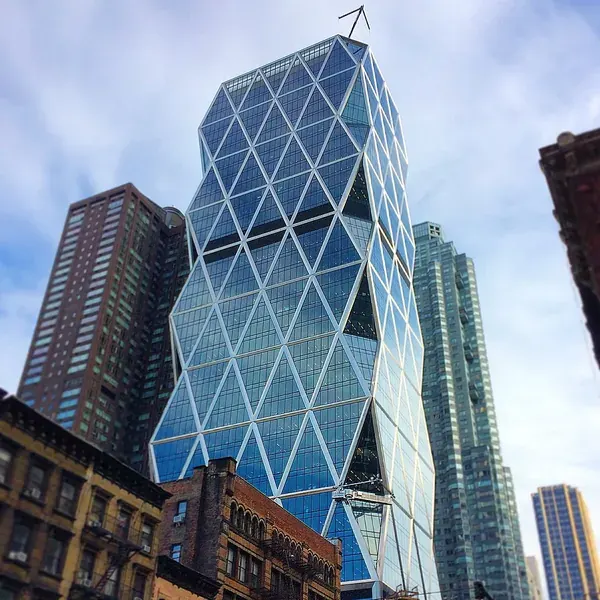
The Hearst Tower, a skyscraper in New York City, serves as the global headquarters of Hearst Corporation. Completed in 2006, Hearst Tower became the first "green" high-rise office building in New York City, showcasing a commitment to sustainable design.
Architecturally, the tower is renowned for its distinctive glass and steel diagrid structure, which not only provides structural strength but also contributes to its sustainable design by reducing the steel required.
Its heating and air-conditioning systems utilize outside air for cooling and ventilation for the majority of the year, leading to a 25% reduction in energy consumption compared to similar office buildings, thereby marking a significant stride in green building practices within the urban landscape of New York City.
The Bow
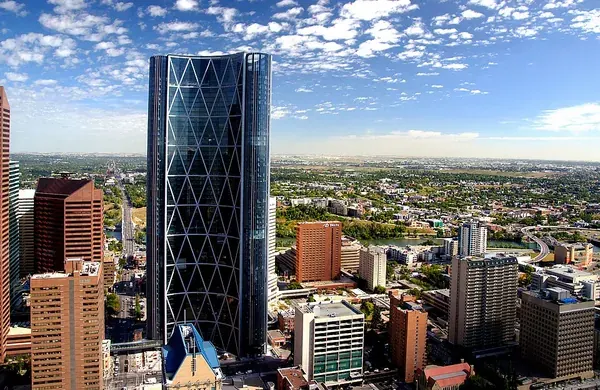
The Bow, situated in Calgary, Canada, stands as a remarkable blend of architectural innovation and environmental consideration. Completed in 2013, this tower, soaring to a height of 247 meters, is the tallest building in Calgary and holds the title of the tallest tower in Canada outside of Toronto.
The Bow is characterized by its 58-story crescent-shaped structure, housing shared headquarters for energy companies EnCana (now Ovintiv) and Cenovus. Its form notably aligns with the confluence of the rivers Bow and Elbow, adding a distinctive feature to Calgary's skyline.
The Bow exemplifies a modern architectural narrative where design not only responds to the immediate environmental context but also contributes to the broader urban ecosystem.
Recent Works
Foster + Partners has continued to impress with their recent works which include the innovative Varso Tower, 425 Park Avenue unique sustainable design approach, and the immense 270 Park Avenue skyscraper featuring cutting-edge sustainability features.
Varso Tower
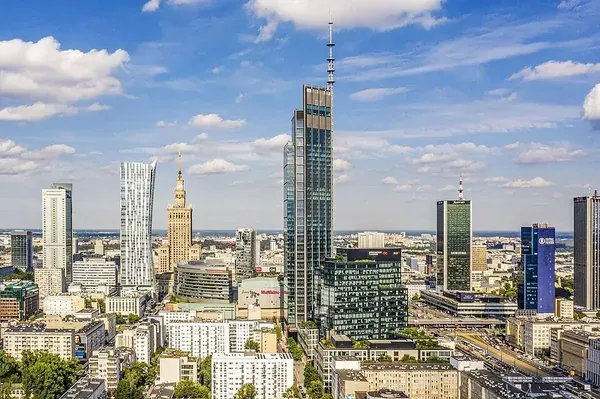
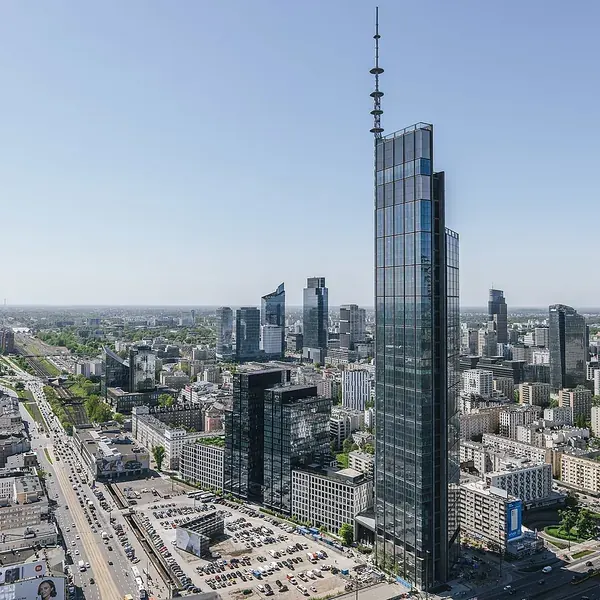
Redefining the Warsaw skyline, Varso Tower stands as a landmark achievement in modern European architecture. This elegant skyscraper is the tallest building in the European Union. Soaring 310 meters over Poland's capital, Varso Tower is more than just a state-of-the-art office building; it’s a new public destination. Its design incorporates public accessibility at its core, culminating in a spectacular rooftop observation deck that offers breathtaking panoramic views of the city. The tower's architecture emphasizes well-being and sustainability, featuring tree-lined terraces and energy-efficient systems. As the centerpiece of Varso Place, the project masterfully integrates high-rise design with vibrant public space at ground level, creating a hub for business and leisure. A true testament to Foster + Partners' vision, Varso Tower is a symbol of Warsaw's dynamic future and a premier example of sustainable urban development.
425 Park Avenue
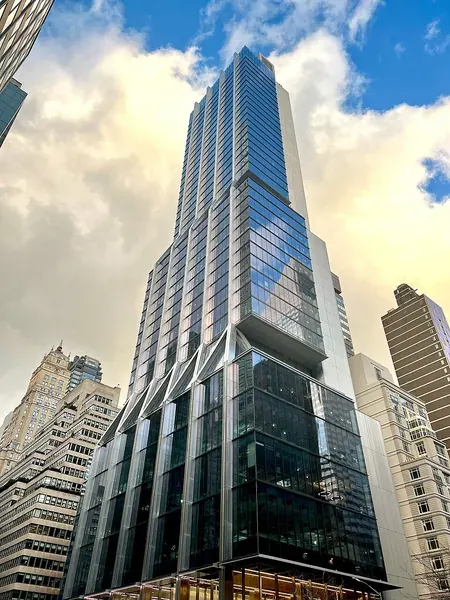
A new icon on Manhattan's most prestigious boulevard, 425 Park Avenue is a groundbreaking office tower by Foster + Partners. As the first full-block skyscraper to be built on Park Avenue in half a century, it sets a new global standard for sustainable workplace design in New York City. The building's striking form is defined by its exposed structural steel frame and a tapering design that creates three distinct tiers. A key innovation is the inclusion of triple-height, landscaped terraces that serve as social hubs, bringing green space and natural light deep into the structure. This focus on well-being and sustainability, which earned the building LEED Gold certification, offers an unparalleled work environment with column-free interiors and panoramic city views. 425 Park Avenue represents the future of the modern office, blending structural elegance with human-centric design.
270 Park Avenue
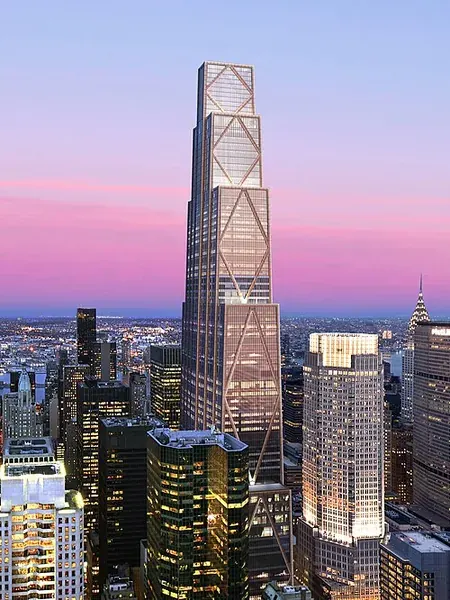
270 Park Avenue, also recognized as the JPMorgan Chase Building, is an under-construction skyscraper located in Midtown Manhattan, New York City. Upon completion in 2025, the tower is set to soar to a height of 1,388 feet, offering a modern architectural narrative in the city's skyline.
A notable feature of the design is its innovative structural system, which incorporates a fan-column structure and triangular bracing to negotiate the site's constraints, showcasing a blend of architectural ingenuity and practical problem-solving.
The building, destined to be JPMorgan Chase's new global headquarters, is designed as a 60-story skyscraper and holds the distinction of being New York City's largest all-electric tower with net zero operational emissions, reflecting a modern emphasis on sustainable and eco-conscious architectural practices.
Achievements
Foster + Partners has received notable recognition, including the 2023 World Architectural Festival honor, the prestigious Dezeen Awards 2023, and the highly coveted Architect of the Year Award in 2020.
2023 World Architectural Festival
Foster + Partners will shine at the 2023 World Architectural Festival. The festival is where top architects show their projects to judges. Some of these big names are Foster + Partners, Biroe Architecture, COX Architecture, Dabbagh Architects, and MAD Architects.
These architects have been chosen as finalists for this live event. They will bring their best innovative architectural projects and cutting-edge designs to the front stage.
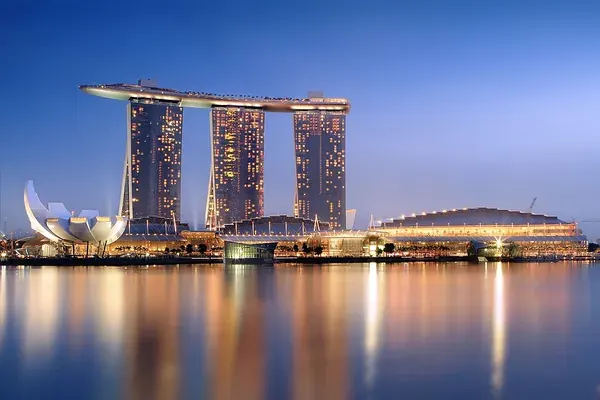
The WAF will be hosted at Marina Bay Sands in Singapore.
Architect of the Year Awards 2020
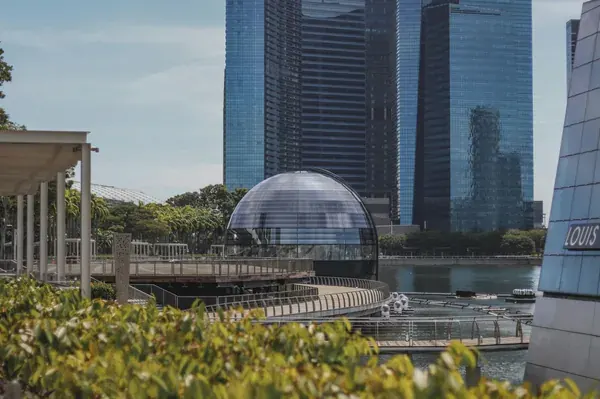
Foster + Partners won the Architect of the Year Awards 2020, chiefly credited to their innovative design of Apple Marina Bay Sands in Singapore.
This design, featuring a 30-meter diameter dome, embraced a contemporary rendition of the geodesic dome, utilizing minimal material for maximum space enclosure.
The design's ingenuity extended to its solar shading, acoustic control, and the seamless integration of Singapore's garden city ideal, embodying a blend of aesthetic, functional, and environmental considerations that significantly contributed to the company’s recognition at the awards.
2018 RIBA Stirling Prize
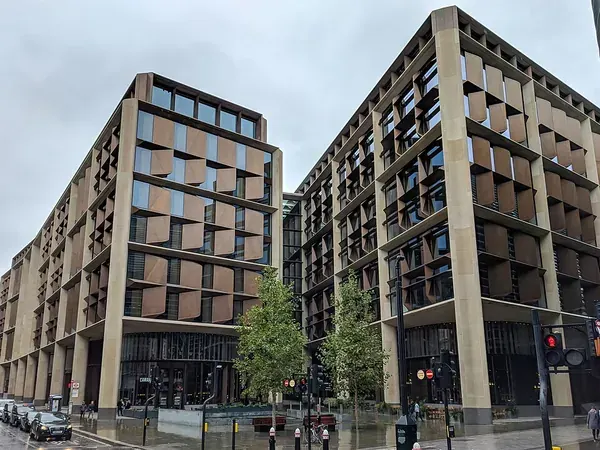
Foster + Partners' Bloomberg European Headquarters was awarded the 2018 RIBA Stirling Prize, the United Kingdom's most prestigious architectural honor. Hailed by the jury as a "once-in-a-generation" project, the building was celebrated for its profound commitment to sustainability and groundbreaking innovation.
It achieved a record-breaking BREEAM rating, the highest ever for a major office development. The prize recognized its revolutionary environmental systems, including its unique bronze-fin 'breathing' façade for natural ventilation, integrated smart ceilings, and drastic water conservation measures.
The Stirling Prize affirmed the building not just as a feat of engineering, but as a new benchmark for a collaborative, human-centric workplace that enhances its historic London context.

Rhino for Architects Course
Give your architectural skillset a major boost with the Rhino for Architects Course. Get over 60 hours of focused training tailored specifically for architects. Master commands and techniques to model, render, and animate architectural visualizations at the highest level. Click below for more information and watch your designs come alive!