Architects know the struggle of crafting spaces that resonate with users and stand the test of time. GBBN Architects, a visionary in sustainable design, addresses this challenge head-on.
This post explores how their human-centered approach not only enhances experiences but also empowers communities through innovation. Dive in to discover architectural solutions that transform perceptions – one building at a time.
Key Takeaways
- GBBN Architects started in 1958 and now works globally, with offices including Beijing and Minneapolis.
- They aim for all their projects to use zero energy by 2030, focusing on sustainable and community-centered design.
- Their work has won awards, like the Honor Award for Penn State Behrend's Federal House and Cincinnati Ballet’s Valentine Center for Dance.
- Adaptive reuse is key in their projects, turning old spaces like a T.J. Maxx into a thriving library.
- GBBN works on empowering communities through buildings that are good for people and the planet.
Company Overview
GBBN Architects, with a legacy of transformational design steeped in technical mastery and a global perspective, has evolved steadily since its inception, spreading its innovative impact through international offices.
This dynamic firm's history is not just a tale of growing footprints but also of expanded expertise and deepened commitment to community enrichment.
History and evolution
GBBN Architects started making buildings in 1958. They grew a lot since then. Now, they work on all kinds of places like schools, hospitals, and spots where people come together. These designs help make communities better.
The team at GBBN includes architects Drew Grandjean, Sean Woodrow, and Dan Shapiro. These architects make sure every building is special and good for the planet. They have made a commitment to carbon-negative architecture aiming to use zero energy by 2030 because they care about our Earth's future.
International offices
Headquartered in Cincinnati, Ohio, the firm extends its innovative design philosophy across various locations. In the United States, apart from Cincinnati, GBBN operates from Louisville, Kentucky, and Pittsburgh, Pennsylvania. These offices reflect the firm's commitment to regional growth and its capacity to cater to a wide range of architectural needs within the U.S.Expanding its reach to Asia, GBBN also has an office in Beijing, China. This location signifies the firm's international aspirations and its ability to engage with the dynamic architectural landscape of Asia. The Beijing office serves as a bridge between Eastern and Western architectural practices, fostering a unique blend of global design perspectives.
GBBN's Architectural Style and Design Philosophy
GBBN's architectural style emerges from a deep-seated belief in the power of design to transform communities and elevate human experiences—each project is a testament to their commitment to creating spaces that not only embody sustainability but resonate with cultural significance.
Embracing a philosophy that intertwines empowerment with environmental stewardship, GBBN architects meticulously sculpt urban landscapes where every detail reflects an intention to enrich lives and foster connections within the heart of each community they touch.
Community-building
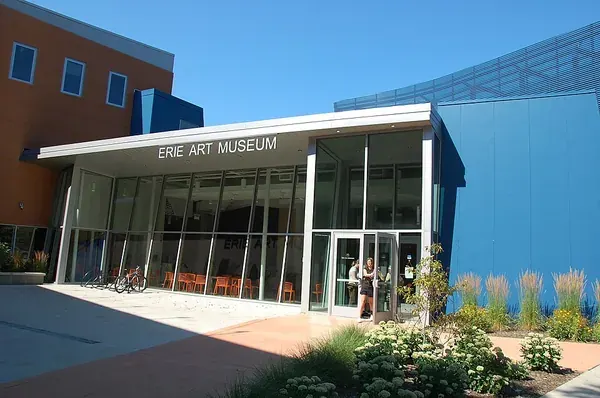
One of the defining characteristics of GBBN Architects' style is its focus on community-building. This is evident in the way their projects are designed to foster connections, encourage social interaction, and enhance the communal experience. GBBN's approach often involves creating spaces that are not just aesthetically pleasing but also functional and inclusive, catering to the needs of diverse groups.
Through their focus on community-building, GBBN Architects demonstrate a deep understanding of the role architecture plays in shaping societal interactions and fostering a sense of community. This approach not only enriches the physical landscape but also strengthens social bonds within the communities they serve.
GBBN’s approach towards sustainable design
GBBN Architects' approach to sustainable design is a cornerstone of their architectural philosophy, reflecting a deep commitment to environmental responsibility and ecological sensitivity.
Their sustainable design ethos is not just an add-on but is intricately woven into the fabric of each project from the onset. This holistic approach ensures that sustainability is considered at every stage of the design and construction process.
They aim to create spaces that contribute positively to their communities, enhancing both the built and natural environment and encouraging sustainable practices among users and residents.
Recent Projects and Achievements
GBBN's transformative touch on architecture continues to unfold, with recent endeavors not only gaining recognition but also setting new standards in design excellence. The firm's latest projects encapsulate a commitment to innovation and community impact, forging spaces that resonate deeply with users and their environments.
Cincinnati & Hamilton County Public Library
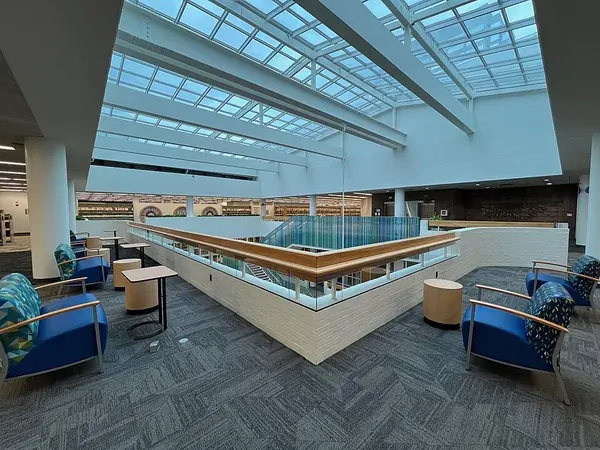
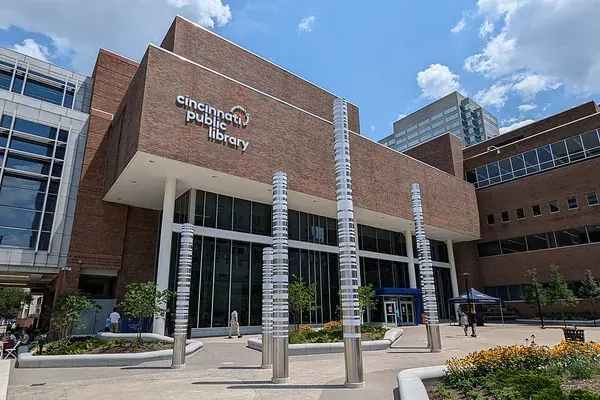
The revitalization of the Cincinnati & Hamilton County Public Library’s Main Branch represents a bold leap in civic design. Spearheaded by GBBN, this extensive downtown renovation stripped away the barriers of a traditional repository to create a fluid, accessible "knowledge exchange."
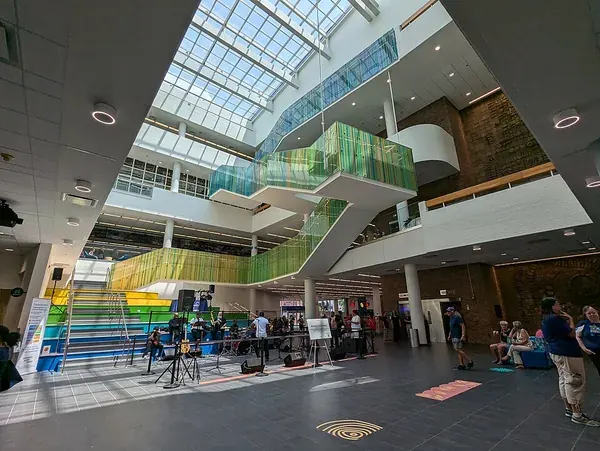
Central to the project is the reimagined outdoor plaza and a dramatic interior atrium featuring the "Social Stairs," which serves as a tiered seating area for communal gathering and informal learning.By integrating a state-of-the-art MakerSpace and flexible technology zones, the architects shifted the facility's focus from static book storage to active creation.
This urban library project harmonizes the North and South buildings, streamlining navigation and enhancing the visitor experience through intuitive spatial programming.
The result is a vibrant public infrastructure asset that anchors the city’s cultural corridor. GBBN’s work ensures that this historic institution remains a vital, tech-forward resource for every resident in the Hamilton County region.
Susan Hirt Hagen Center
The Susan Hirt Hagen Center for Community Outreach, Research, & Evaluation (CORE) at Penn State Behrend is an exemplary project that beautifully intertwines contemporary architectural design with historical context. This project represents a significant addition to the Federal House, one of the oldest brick buildings in the Erie, Pennsylvania region.
The design of the Susan Hirt Hagen Center stands out for its clear and articulate conceptualization, which skillfully balances modern architectural expression with a deep respect for the historical Federal Style of the original building. The addition was recognized for its creative and sensitive approach to blending the old with the new.
The jury at the American Institute of Architects (AIA) Pittsburgh's design awards particularly praised the project for its dynamic yet restrained design, which not only revitalized the area but also maintained a respectful and harmonious relationship with the existing Federal House structure.
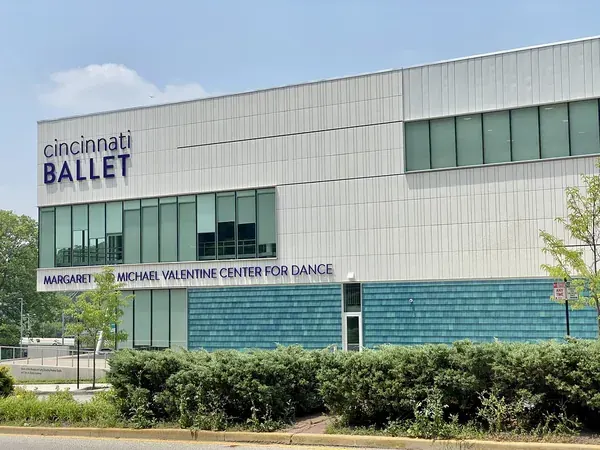
Cincinnati Ballet’s Margaret & Michael Valentine Center for Dance
The Cincinnati Ballet’s Margaret & Michael Valentine Center for Dance is a significant architectural accomplishment that showcases the firm's commitment to creating spaces that are not only functional and aesthetically pleasing but also deeply embedded in the community's fabric.
This project stands as a testament to GBBN's ability to weave architectural prowess with a deep understanding of the arts and community engagement.
The project's excellence in design and its contribution to community engagement were recognized with multiple awards, including an Honor Award from AIA Cincinnati, a Merit Award from AIA Ohio, and it was a finalist for the PLAN Awards. These accolades underscore the project's success in creating a space that is not only a center for dance but also a beacon of community interaction and architectural innovation.
Notable Projects
GBBN's portfolio radiates a profound impact through its variety of transformative projects, each one showcasing the firm's commitment to enhancing experience and empowering communities.
Delving into these notable undertakings reveals the depth of their technical prowess and an unwavering dedication to design that truly resonates with users.
Benedum Hall and MSCI
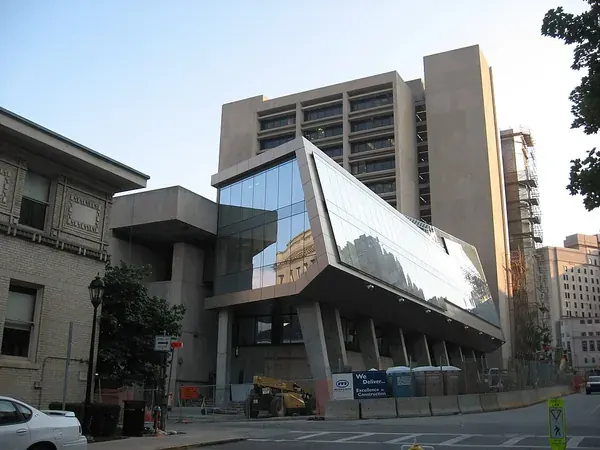
The transformation of Benedum Hall and the Mascaro Center for Sustainable Innovation (MSCI) at the University of Pittsburgh illustrates a dramatic evolution in academic research design.
GBBN reimagined the originally insular, Brutalist complex as a transparent beacon for the Swanson School of Engineering. By integrating the LEED Gold-certified MSCI wing, the architects introduced high-performance glazing and a lush green roof that serve as functional tools for environmental study.
This sustainable campus architecture prioritizes "science on display," utilizing glass-walled laboratories to spark interdisciplinary teamwork among students and faculty. The project successfully modernized aging infrastructure while adding critical square footage for cutting-edge exploration.
As a result, the once-heavy facade now feels porous and energetic, perfectly aligning with Pitt’s mission for forward-thinking education and resource efficiency in an urban setting. Through this overhaul, the facility has transitioned from a fortress of concrete into a light-filled hub for STEM innovation.
Gateway Light Rail Station
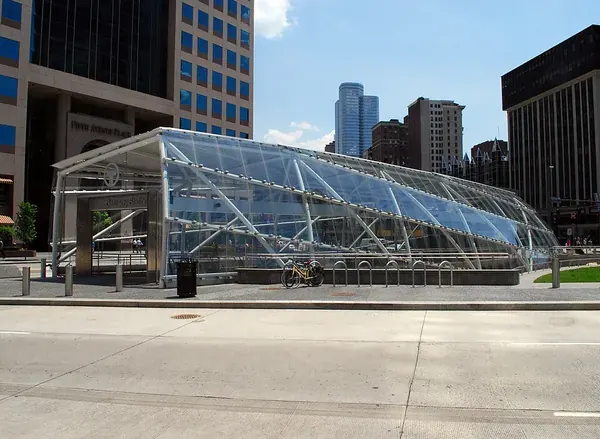
Redefining subterranean travel in Pittsburgh, the Gateway Light Rail Station serves as a luminous entry point to the city’s transit network. This deep-level subway stop replaced a dated facility with a striking, transparent glass "headhouse" that funnels natural light far below street level. This focus on daylit environments transforms the typical commuter experience, shifting the atmosphere from a traditional dark tunnel to a bright, airy transit hub.
The project was a critical component of the North Shore Connector, utilizing durable materials like stainless steel and glass to ensure longevity and low maintenance in a high-traffic environment. By integrating expansive public art installations and wide-open floor plans, the station improves safety and passenger flow for thousands of daily riders.
This piece of Pittsburgh infrastructure stands as a model for modern transit architecture, proving that functional public utility can be elevated through sleek, minimalist aesthetics and thoughtful urban planning.
Ensemble Theatre Cincinnati
By merging three distinct historic structures into a single, vibrant arts complex, GBBN Architects redefined the footprint of Ensemble Theatre Cincinnati. This ambitious OTR redevelopment project centered on transparency, replacing opaque walls with a soaring glass atrium that spills light onto the sidewalk.
This "visual invitation" creates a seamless connection between the neighborhood’s energy and the creative spirit of the stage. Inside, the design team overhauled the performance venue to boost technical capacity and performer comfort without sacrificing the room's famous acoustic intimacy.
Beyond aesthetics, the architectural modernization addressed critical accessibility needs and expanded administrative areas to support the theater's growth. As a primary anchor within the Cincinnati arts district, the revitalized facility stands as a testament to contemporary renovation techniques that respect urban history. By prioritizing human connection and intuitive spatial flow, GBBN solidified ETC’s role as a resilient, modern hub for storytelling in the city’s historic core.

Emery Theater
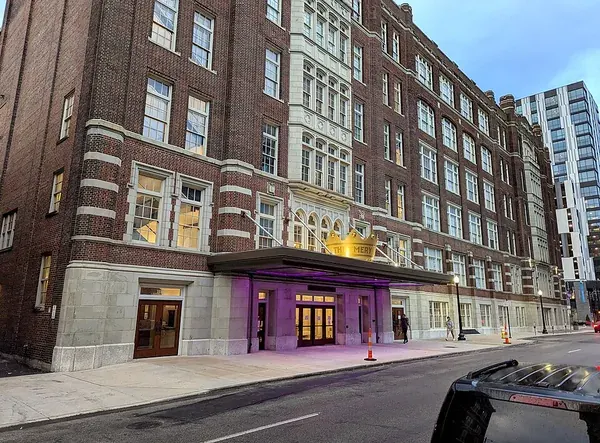
The restoration of the Emery Theater by GBBN Architects is a cornerstone of the ongoing revitalization within Cincinnati’s historic Over-the-Rhine (OTR) district. Originally completed in 1911 and designed by Samuel Hannaford & Sons, this iconic performing arts venue is renowned for its world-class acoustic design, once ranking among the best in the nation.
GBBN’s expert team is leading a comprehensive historic preservation effort to modernize the 1,600-seat theater while honoring its original architectural integrity.The project integrates cutting-edge theatrical technology, enhanced accessibility, and upgraded patron amenities to meet 21st-century standards. As a vital piece of Cincinnati architecture, the restored Emery Theater acts as a catalyst for cultural and economic growth.
By breathing new life into this legendary space, GBBN Architects is ensuring that the legacy of philanthropist Mary Emery continues, providing a state-of-the-art home for diverse performances and community engagement in the heart of the city.
Taft Museum of Art
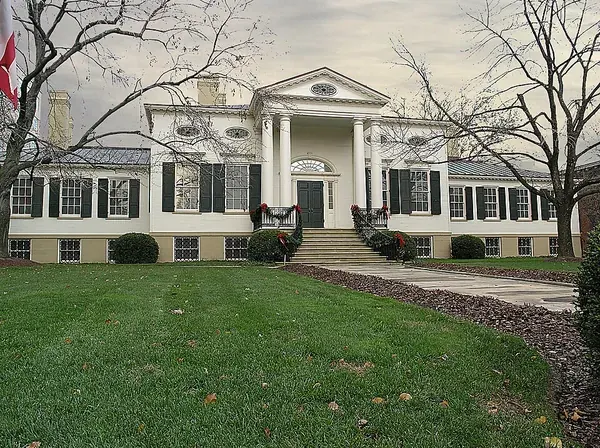
The Taft Museum of Art restoration stands as a masterclass in historic preservation and museum engineering. As a National Historic Landmark and the oldest wooden residential structure in Cincinnati, the 200-year-old Baum-Longworth-Taft House required a delicate balance between heritage and modernization.
GBBN’s comprehensive infrastructure rehabilitation focused on safeguarding the museum’s priceless art collection by implementing state-of-the-art climate control systems and advanced vapor barriers.
The team meticulously restored the historic exterior wood siding and rehabilitated original windows to improve energy efficiency while maintaining the building's iconic Federal-style aesthetic. By integrating sustainable design and innovative technical solutions, GBBN ensured that this cultural cornerstone remains a resilient part of the Cincinnati architecture landscape.
This project highlights GBBN’s expertise in "inside-out" design, protecting the integrity of a historic masterpiece while preparing it for another century of public service and art education.
Conclusion
In conclusion, GBBN Architects has established itself as a firm that significantly impacts the field of architecture, both regionally and globally. Their diverse portfolio, spanning healthcare, educational, cultural, and residential projects, reflects a deep commitment to innovative, sustainable, and community-focused design.
As GBBN continues to innovate and expand its horizons, their work remains a testament to the transformative power of architecture in shaping our world and the way we experience it. Their projects not only stand as landmarks but also as embodiments of the firm's ethos - designing for the future while respecting the past and nurturing the communities they serve.

Grasshopper Complete Course
Give your architectural skills a boost with the Grasshopper Complete Course. Get over 50 hours of comprehensive Grasshopper training tailored for architects. Learn to generate and iterate designs faster. Click below for more information and streamline your workflows!