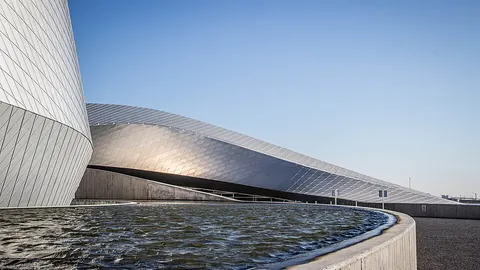
Gensler's innovative designs are shaping cities around the world, yet many people still wonder what sets them apart. In this article, we delve into the unique design solutions offered by Gensler and how they positively impact our daily surroundings from over 50 offices around the world.
Don't miss out on discovering why Gensler stands tall as a globally recognized leader in architecture and design!
Key Takeaways
- Gensler, a global architecture and design firm, is known for its innovative design solutions that are shaping cities around the world.
- The company focuses on mixed - use development, integrating homes, stores, and offices in one area to make cities more vibrant and efficient.
- Gensler is committed to sustainability, prioritizing green architecture techniques and reducing carbon emissions to create environmentally friendly spaces.
- Notable projects like "The Lighthouse," 633 Folsom, Zhangjiang Twin Towers, Shanghai Tower, NVIDIA collaborations, Atari Hotels, and San Francisco International Airport showcase Gensler's expertise and impact in the architectural industry.

Company Background
Founding Figures
Gensler, an architecture and design firm founded by Art Gensler, Drue Gensler, and James Follett in 1965, has been at the forefront of innovative design solutions for over five decades.
In the span of over half a century, Gensler has grown from a three-person design studio to a global architectural powerhouse with a reputation for excellence and innovation.

New Leadership
As the firm steps into a new era, it welcomes a fresh wave of leadership to continue its legacy of design excellence and innovation. In a significant announcement on October 4, 2023, Gensler introduced the next generation of firm leadership.
Diane Hoskins and Andy Cohen, who have been instrumental in steering the firm towards remarkable achievements, will assume the roles of Global Firm Co-Chairs in 2024.
Alongside them, Julia Simet and Jordan Goldstein will take on the mantle of Co-CEOs, bringing their unique expertise and vision to the forefront of Gensler’s operations. This leadership transition is a testament to Gensler's commitment to evolving while staying true to its foundational principles.
As the world's most influential design firm, Gensler is poised to continue its trajectory of success and make significant contributions to the global architectural landscape with its new cohort of leaders at the helm.
Architectural Style
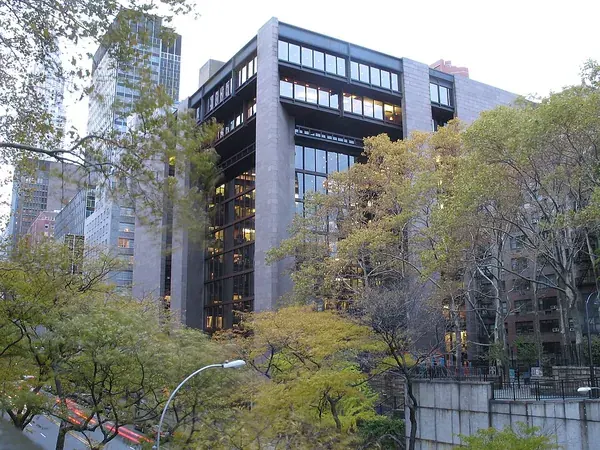
Gensler's architectural style focuses on mixed-use development and incorporates sustainability initiatives.
Mixed-use development
Gensler's architectural style is synonymous with innovation and a forward-thinking approach that seeks to blend aesthetics with functionality. A hallmark of their design philosophy is the emphasis on mixed-use development, which reflects a contemporary understanding of urban living and workspace dynamics. This approach fosters community interaction, enhances the utilization of space, and embodies a modern, holistic view of design.

Sustainability Initiatives
Gensler's commitment to sustainability is a defining characteristic of its architectural practice, showcasing a forward-thinking approach that goes beyond conventional design. The firm has a clear vision for transforming the built environment to achieve a net zero carbon impact, which is articulated in their Climate Action Through Design initiative.
Through this initiative, Gensler explores solutions that can significantly reduce the carbon footprint of buildings, aiming for a net zero carbon portfolio by 2030.
Their efforts extend to reshaping the entire building materials supply chain through the Green Materials Initiative, which aims at significantly reducing construction-related carbon emissions. This initiative is a part of Gensler's broader strategy to integrate sustainability into every aspect of their design process, from selecting eco-friendly materials to implementing energy-efficient design solutions.
Recent Achievements
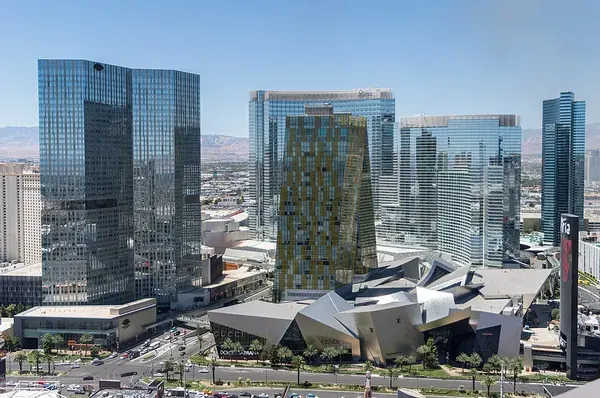
Gensler has recently made waves in the architectural world with their groundbreaking projects, including Sixth and Guadalupe and 633 Folsom.
Sixth and Guadalupe
Soaring to new heights, Sixth and Guadalupe has redefined the Austin skyline as the city’s tallest tower. This 66-story mixed-use skyscraper is a pinnacle of modern urban integration, seamlessly blending luxury residential units, state-of-the-art office space, and vibrant ground-level retail. Gensler's innovative design features a striking, folded glass facade that creates a dynamic interplay of light and shadow, reflecting the vast Texan sky. More than just a building, Sixth and Guadalupe is a landmark destination, meticulously crafted by Gensler architects to foster a connected, pedestrian-friendly experience in the heart of downtown Austin. This architectural achievement not only provides premium living and working environments but also stands as a powerful testament to Austin’s evolution into a world-class city, cementing Gensler’s impact on contemporary urban design.

633 Folsom
633 Folsom is one of Gensler's recent achievements in architectural design. Located in San Francisco, this mixed-use development showcases Gensler's innovative approach to planning and design.
The building features a sleek and modern aesthetic, with sustainable design elements incorporated throughout. It has received recognition by winning the 2023 AIA Award for Architecture.
633 Folsom is an example of Gensler's commitment to creating sustainable and visually striking spaces that meet the needs of their clients.
Notable Projects
In this section, we will delve into some of the notable designs by Gensler, including upcoming and under-construction projects, as well as the projects that made them famous worldwide.
Shanghai Tower
The Shanghai Tower, completed in 2015, embodies a modern architectural approach termed Vertical Urbanism. Designed by the renowned firm Gensler, it stands as China's tallest structure at 632 meters, nestled in the heart of the Lujiazui Finance and Trade Zone alongside other architectural marvels like the Jin Mao Tower and Shanghai World Financial Center.
The design encapsulates a transparent, spiral form that not only stands as a prominent icon against the skyline but also embodies cutting-edge sustainable strategies. The facade, resembling a spiral Chinese dragon, symbolizes the gradual ascension towards the sky, while its twist lessens the wind load, reducing structural material requirements.

NVIDIA
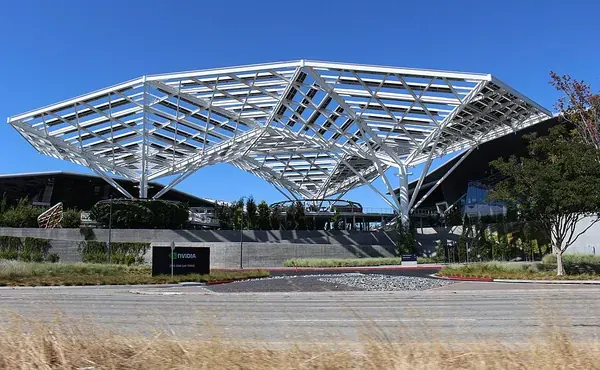
The NVIDIA project, located in Santa Clara, California, is a remarkable architectural endeavor designed by Gensler. Completed in 2017, this 250,000-square-feet office space manifests Gensler's innovative approach, creating a modern workspace that aligns with NVIDIA's cutting-edge technological ethos.
The architectural layout reflects a balance between aesthetic appeal and functional efficacy, showcasing Gensler's adeptness in creating spaces that not only align with the client's ethos but also contribute to enhancing productivity and collaborative engagements within a technologically advanced workspace.
The Doughnut
Affectionately nicknamed "The Doughnut," the headquarters for the UK’s Government Communications Headquarters (GCHQ) in Cheltenham is a monumental achievement by Gensler.
This iconic, ring-shaped building is one of Europe's largest and was meticulously designed to balance immense security with a collaborative work environment. Gensler’s innovative design features a vast, open-air central courtyard, creating internal "streets" and "neighborhoods" that foster interaction and innovation among thousands of employees.
A landmark of government architecture, The Doughnut showcases Gensler's ability to deliver highly complex, purpose-built solutions on a massive scale.

The Tower at PNC Plaza
The Tower at PNC Plaza in Pittsburgh is a global benchmark for sustainable skyscraper design.
Hailed as one of the world's greenest office towers, its groundbreaking design features an innovative double-skin facade and a solar chimney, creating a "breathing" building. This passive-first strategy allows the tower to be naturally ventilated for nearly half the year, drastically reducing energy consumption and connecting employees to the outdoors.
Gensler's forward-thinking vision for this project proves that high-performance architecture and environmental stewardship can coexist, setting a new standard for a healthier, more responsible workplace.

Conclusion
Gensler's innovative design solutions are making a big impact on the world. With their focus on sustainability and collaboration, they are creating buildings that not only look great but also make our everyday lives better.
Whether it's through mixed-use developments or digital experience design, Gensler is shaping the future of architecture and design.

Grasshopper Complete Course
Give your architectural skills a boost with the Grasshopper Complete Course. Get over 50 hours of comprehensive Grasshopper training tailored for architects. Learn to generate and iterate designs faster. Click below for more information and streamline your workflows!