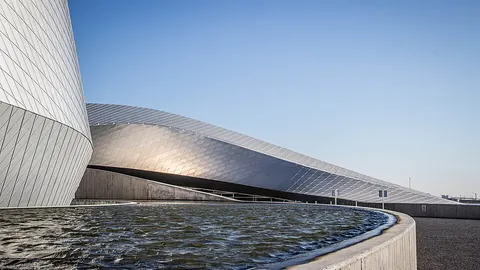
Exploring the intricate world of architecture unveils firms that have not only mastered the art of design but also pioneered innovative solutions. Grimshaw Architects stands prominently in this realm, with its inception in 1980 by Sir Nicholas Grimshaw. Known for blending cutting-edge technology with environmental consciousness, Grimshaw Architects has etched its mark globally with groundbreaking projects.
In this article, we dive into the essence of Grimshaw Architects, exploring their journey towards becoming a beacon of modern, sustainable architecture. Discover how they craft spaces that are not just structures but also harmonious extensions of their environment.
Key Takeaways
- Grimshaw Architects was founded in 1980 by Sir Nicholas Grimshaw, growing into a globally recognized firm renowned for innovative and sustainable design.
- The firm is celebrated for projects like The Eden Project, reflecting its commitment to environmental responsibility and technological innovation.
- Recent projects, such as the Poly Centre in Sydney and the City Rail Link in Auckland, showcase their prowess in integrating local cultural narratives into modern infrastructure.
- Grimshaw Architects has been honored with several awards, including the prestigious RIBA Royal Gold Medal for Architecture in 2019, recognizing their outstanding contributions to architecture.
- Their architectural style is characterized by a blend of modernity, functionality, and a strong emphasis on sustainability, creating buildings that are aesthetically striking and environmentally friendly.
Overview
Grimshaw has cemented its reputation as a trailblazer in the architecture and design landscape, boasting an illustrious history marked by prestigious awards and groundbreaking achievements.
This multi-faceted firm's relentless pursuit of excellence and innovation has left an indelible mark on skylines around the world, transforming spaces with its visionary ethos and sustainable approach, with consideration towards site-specific architectural feats.
Brief history of the firm
The firm started making its mark in the world of architecture and design over 30 years ago. With a team that believes in innovation, the company has spread its wings across different countries and cities. Their work touches many areas like transport, education, science, and culture.
They always aim to blend their designs with nature and use smart technology to do this.
Their commitment shines through in each project they take on. The focus is always on building spaces that last long into the future without hurting the environment. Through their dedication to eco-friendly designs, the firm has made a strong name for itself in sustainable development within the architectural community worldwide.
Key Characteristics of Grimshaw's Architectural Style
Grimshaw's architectural style is a testament to their commitment to merging aesthetic brilliance with eco-conscious functionality. Through inventive use of technology and materials, they craft spaces that resonate with their environments, setting new standards in the realm of sustainable design.
Emphasis on sustainable and innovative design
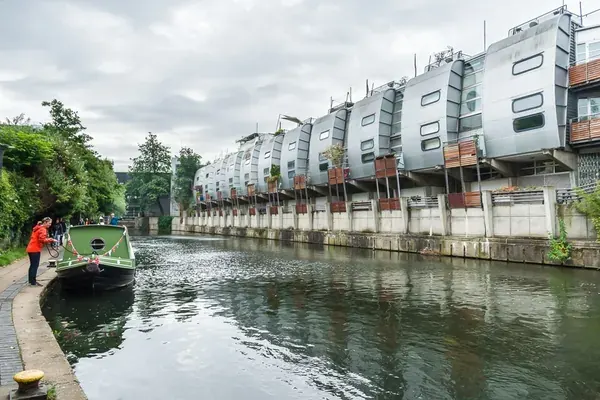
Grimshaw architects focus on making buildings that are good for the planet. They design places that use less energy and materials but still look great and work well. This means creating spaces where people and nature can live together nicely.
Their designs often include new ideas to save water, make clean energy, and recycle right in the building.
Their work is eco-friendly and creative at the same time. These designers think about how a building can last a long time without hurting the earth. They also use cool technology to help build things in smarter ways.
Buildings by Grimshaw show us that caring for the environment through smart and sustainable design can lead to amazing places where we all want to be.
Use of cutting-edge technology and materials
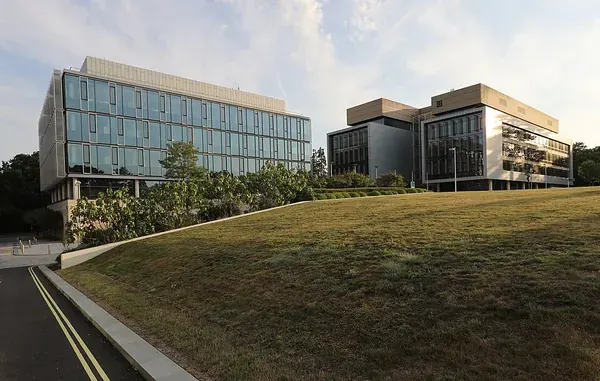
Grimshaw Architects stands out for their innovative use of technology and materials in their projects. They are known for integrating state-of-the-art architectural technology and environmentally sustainable materials, which not only enhance the functionality and aesthetics of their buildings but also minimize environmental impact.
Their approach often involves advanced manufacturing techniques, sustainable energy technologies, and interactive technologies, all aimed at achieving energy efficiency and sustainability.
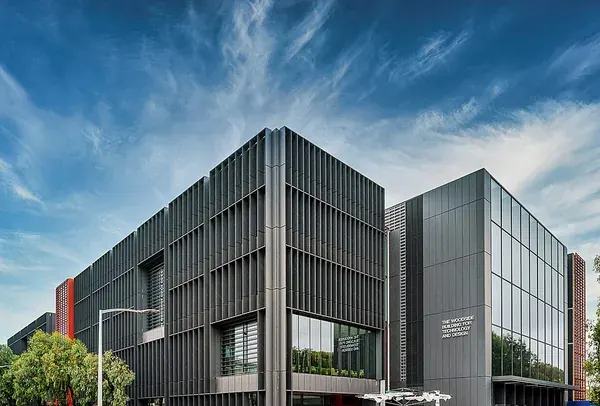
Monash University Woodside Building for Technology and Design, a part of the Clayton Campus in Melbourne, Australia, is a notable example of how Grimshaw integrates advanced technological solutions and sustainable design. It's a learning and teaching facility that employs both active and passive environmental strategies, contributing to Monash University's Net-Zero Initiative.
Integration of their designs with the surrounding environment
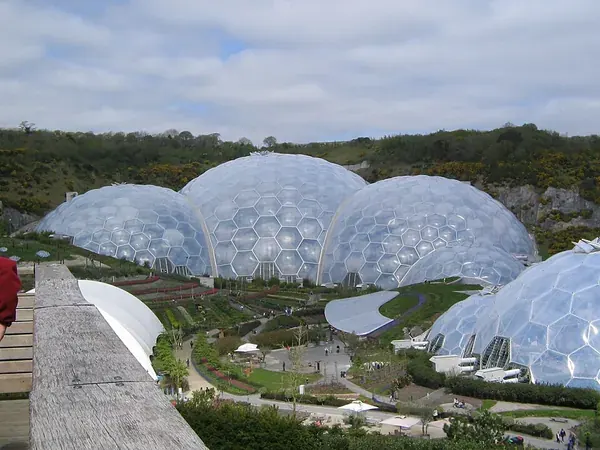
An excellent example of Grimshaw Architects' site-specific architecture is the Eden Project in Cornwall, UK. This project exemplifies their approach to designing in harmony with the environment. The Eden Project consists of massive biomes housing plant species from diverse climates and environments. Its design is sensitive to the local landscape, both in its visual impact and ecological footprint. The biomes, with their unique geodesic structures, blend seamlessly with the natural surroundings, creating an iconic landmark that's both functional and environmentally conscious.
Another notable example of Grimshaw Architects' site-specific architecture in an urban setting is the Via Verde development in The Bronx, New York. This project is a sustainable mixed-use development, designed specifically for its urban context, addressing the local needs and characteristics of the community.

Notable Projects by Grimshaw
Grimshaw's architectural legacy is marked by groundbreaking projects that showcase a commitment to innovation and sustainability. Among these, certain works stand out for their visionary approach and the way they harmonize with both community needs and environmental considerations.
The Eden Project
Located in Cornwall, UK, The Eden Project features a series of interlinked geodesic transparent domes, covering 2.2 hectares.
These biomes house diverse plant species from humid tropic and warm temperate regions.
The design prioritizes efficiency in space and material use, with each dome being a hex-tri-hex space frame made of light, transportable steel tubes and joints. The cladding panels are made of high-performance ETFE foil, emphasizing environmental efficiency.
This project is a significant attraction in the UK, drawing almost two million visitors in its first year.
Terra – The Sustainable Pavilion
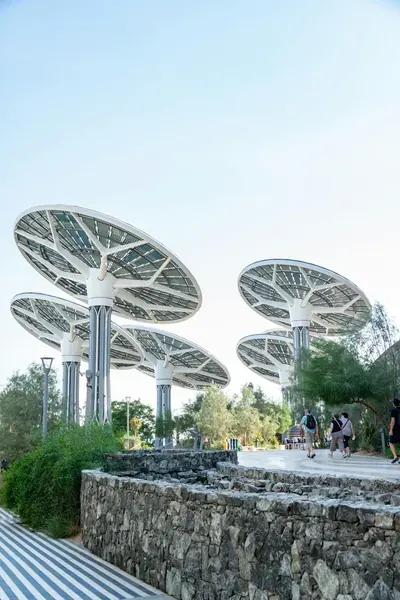
Terra - The Sustainability Pavilion at Expo 2020 Dubai, designed by Grimshaw Architects, showcases sustainable living strategies.
The design, inspired by natural processes like photosynthesis, features a dynamic form that captures energy from sunlight and water from the air.
It uses the earth's insulating properties to maintain cool temperatures and includes a gabion rainscreen wall for thermal efficiency. The pavilion is a micro-ecosystem with net-zero goals, combining various technologies and design solutions, including a solar canopy and energy-efficient monocrystalline photovoltaic cells.
It's a space that promotes sustainable living and educates visitors on environmental stewardship.
Southern Cross Station
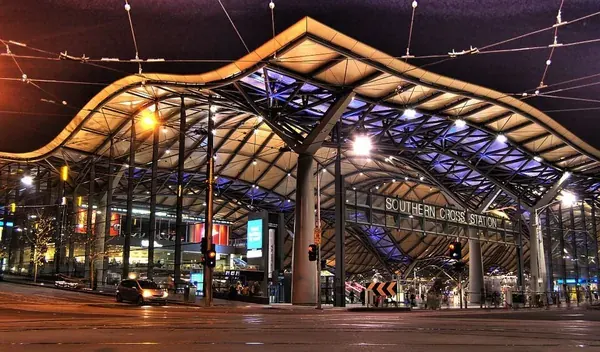
Completed in 2006, Southern Cross Station in Melbourne stands as a defining example of Grimshaw Architects’ innovative approach to transportation infrastructure. This award-winning project revitalized the former Spencer Street Station, successfully bridging the gap between Melbourne’s CBD and the Docklands. The station’s most iconic feature is its massive, undulating roof, designed to mimic the geometry of sand dunes.This design is not merely aesthetic but deeply functional. The roof utilizes distinct "moguls" to facilitate natural ventilation, drawing out diesel fumes and hot air to create a sustainable, passive cooling system. By marrying structural expressionism with environmental efficiency, Southern Cross Station demonstrates how large-scale urban regeneration can be both visually striking and ecologically responsible. AAs a winner of the prestigious Lubetkin Prize, the station remains a global benchmark for modern transit hub design.
National Space Centre
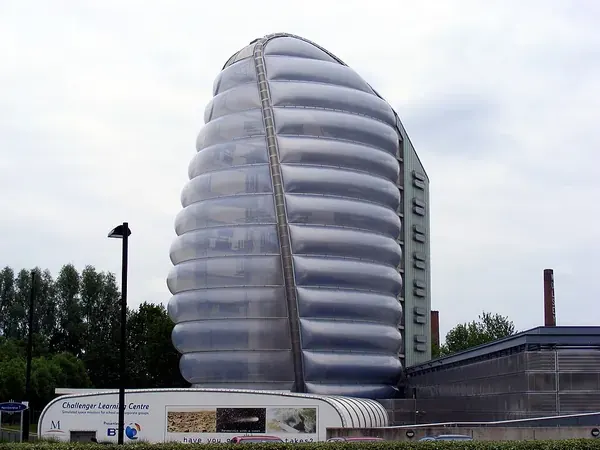
Completed in 2001, the National Space Centre in Leicester is a landmark cultural project that exemplifies Grimshaw Architects’ pioneering use of lightweight materials. The building is dominated by its striking 42-meter Rocket Tower, designed to house the massive Blue Streak and Thor Able rockets.
Showcasing the firm’s signature High-Tech architectural style, the tower is clad in semi-transparent ETFE pillows. This innovative material—famously used by Grimshaw at the Eden Project—offers durability and transparency, turning the architecture itself into a towering display case.
Beyond its futuristic aesthetic, the project was crucial for the urban regeneration of a former brownfield site, successfully establishing the UK's largest space visitor attraction. By combining structural engineering precision with an immersive visitor experience, the National Space Centre remains a testament to Grimshaw’s legacy of creating functional, visually iconic public buildings that push the boundaries of modern design.
Recent Projects by Grimshaw
Delving into the firm's latest endeavors reveals an ongoing commitment to innovation and environmental stewardship, with projects like the Neville Bonner Bridge and Noida International Airport setting new benchmarks in architectural excellence.
These cutting-edge designs not only encapsulate Grimshaw's vision for a sustainable future but also demonstrate their adaptability to diverse global landscapes and challenges.
Neville Bonner Bridge
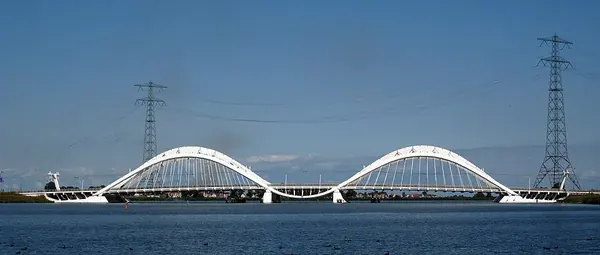
The Neville Bonner Bridge in Brisbane, Australia, designed by Grimshaw Architects, is a new pedestrian bridge set to span the Brisbane River. It will serve as a gateway between the South Bank arts and cultural precinct and the Queen’s Wharf Brisbane entertainment area.
The bridge features a hybrid mast and arch design, minimizing structural requirements and creating a lightweight, yet dramatic presence. It includes a suspended deck with continuous shade structures, enhancing the pedestrian experience.
Named in honor of Senator Neville Bonner, the first Indigenous Australian member of Parliament, the bridge is a blend of functionality, aesthetic elegance, and cultural respect.

Paddington Station
Opened in 2022 as the crown jewel of London’s Elizabeth Line, the Paddington Station addition is a masterclass in modern infrastructure by Grimshaw Architects. This vital project seamlessly integrates with Brunel’s historic terminus, handling vast passenger volumes while redefining the commuter experience.
The design showcases Grimshaw’s signature High-Tech architectural style, characterized by structural honesty and the innovative use of daylight. A spectacular 120-meter steel and glass canopy draws natural light deep into the subterranean concourse, improving passenger orientation and minimizing energy use.
The station features robust materials, including exposed concrete and perforated metal, balancing industrial durability with aesthetic elegance. By prioritizing openness and legibility, Grimshaw has created a transit hub that is both functional and inspiring. Paddington Station stands as a global benchmark for sustainable transport architecture, proving that underground travel can be spacious, bright, and welcoming.

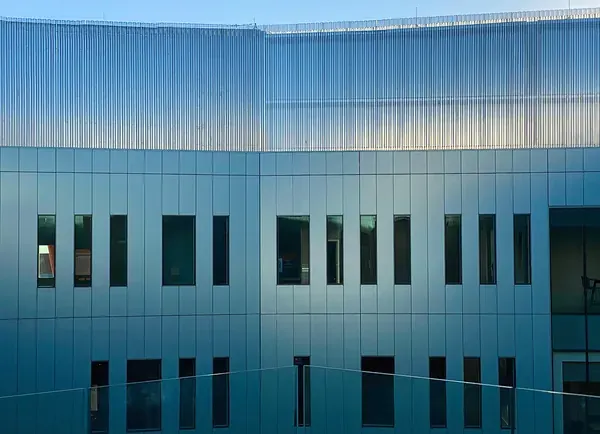
Rob and Melani Walton Center for Planetary Health
The Rob and Melani Walton Center for Planetary Health represents a pioneering step in the fusion of architecture, health, and environmental sustainability.
This state-of-the-art facility, designed to be a nexus for research and innovation in planetary health, showcases a harmonious blend of modern design with eco-friendly principles. Emphasizing biophilic design, the building integrates natural elements to create a space that is not only aesthetically pleasing but also promotes well-being and environmental stewardship.
The center features advanced sustainable technologies such as energy-efficient systems and green roofs, underscoring its commitment to reducing its ecological footprint.
The Brunel Building
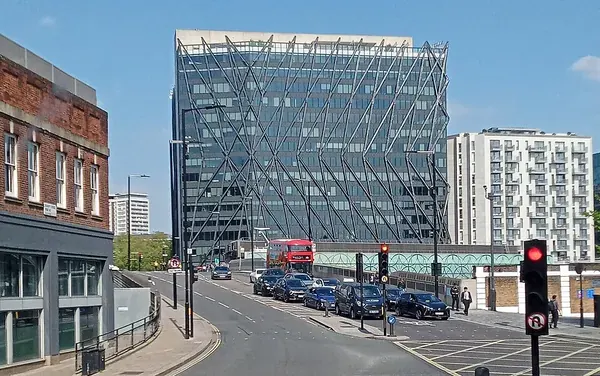
Completed in 2019, The Brunel Building stands as a striking landmark alongside London’s Grand Union Canal, revitalizing the Paddington Basin. The 16-story commercial workspace is instantly recognizable by its external steel diagrid exoskeleton.
This bold structural feature epitomizes Grimshaw’s signature High-Tech style, where engineering is celebrated as the primary aesthetic driver. The exoskeleton serves a dual purpose: it provides essential solar shading and supports the building from the outside, allowing for column-free, light-filled internal floor plates.
Paying homage to the legendary engineer Isambard Kingdom Brunel, the design creates a powerful dialogue with the area’s industrial heritage. By pushing the structure to the perimeter, the project creates a flexible, modern workspace that achieves a BREEAM Excellent rating. The Brunel Building is a testament to how structural expressionism can deliver sustainable, high-performance office architecture while enhancing the public realm.
Conclusion
Architects are looking at virtual worlds and the metaverse with growing interest. Grimshaw is leading this push with designs that mix real and online spaces. They create places where people can work, meet, and play in both digital and physical forms.
This blend of realities is a big trend for future buildings.
Grimshaw also takes care to build in ways that help our planet. Their projects aim for zero waste and use less energy. They choose materials that do not harm the earth and design so nature and buildings live well together.
Architects everywhere see this as the way forward, creating spaces that heal rather than hurt our world.

Rhino for Architects Course
Give your architectural skillset a major boost with the Rhino for Architects Course. Get over 60 hours of focused training tailored specifically for architects. Master commands and techniques to model, render, and animate architectural visualizations at the highest level. Click below for more information and watch your designs come alive!