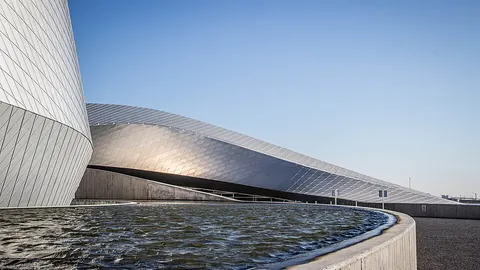
Understanding the impact of architecture on our cultural spaces can be challenging. Herzog & de Meuron have reshaped our urban landscapes with their innovative designs. This article will delve into how their approach to architectural design enhances cultural experiences across the globe.
Discover a world where buildings speak to the soul—let's explore.
Key Takeaways
- Herzog & de Meuron is a Swiss firm known for mixing old styles and modern design in buildings around the world.
- They use new materials and tech to make spaces that are kind to nature and surprise people with their creativity.
- Their famous works include Tate Modern, Roche Towers, Elbphilharmonie, Vitrahaus, Beirut Terraces, and Barranca Museum of Modern and Contemporary Art.
- The architects have won big awards like the Pritzker Prize and the RIBA Royal Gold Medal because they make buildings that stand out as art.
- New projects like Kinderspital Zürich show they keep making places that help people while being nice to our planet.
Company Profile
Nestled at the forefront of contemporary architecture, Herzog & de Meuron stands as a paradigm of design excellence and architectural innovation. This Swiss firm, etched deeply into the fabric of global urban landscapes, unfurls its rich tapestry through vibrant leadership and a chronicle marked by evolution and milestone achievements.
History and evolution of the firm
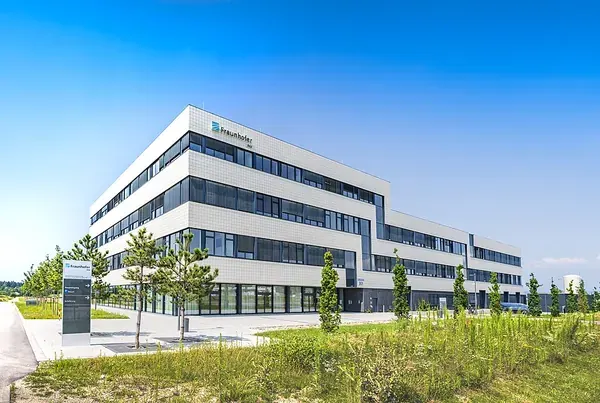
Herzog & de Meuron began in Basel, Switzerland. The firm grew and now focuses on design that lasts, new tech for building, making inside spaces beautiful, and creating buildings that show culture.
This team puts a lot of work into using the internet to share what they do with others. They like to talk about their news and show their projects online.
Herzog & de Meuron have become famous for how they think ahead with design and tech. Their work is all over the world in important cultural spots because they know how to mix old styles with new ideas.
This group cares a lot about nature while making buildings stand out.
Key figures and leadership structure
Jacques Herzog and Pierre de Meuron are the big names behind this firm. They started it all. As founders, they still lead the way today. Their team has many skilled architects and designers.
Together, they create amazing buildings around the world.
This team also includes experts in making buildings that last and use energy well. They know how to work with new design tools and materials like pros. These leaders in architecture guide other talented people at their firm.
Architectural Style and Innovation
Herzog & de Meuron stand as pioneers in redefining the architectural landscape, with a flair for blending audacious innovation and precision craftsmanship. Charting new territories, they challenge conventional forms through a design ethos that marries groundbreaking techniques with intuitive recognition of a site's spirit and history.
Company philosophy and design approach
Herzog & de Meuron believe in making buildings that stand out and fit in at the same time. They mix old styles with new ideas. The team looks at the culture and history of each place to create designs that feel right at home there.
But it's not just about looking good. They work hard to make sure their buildings are kind to our planet.
They like using materials in smart ways that might surprise you. Wood, concrete, glass – they turn these into amazing spaces where people can come together or enjoy art. And they're always on the lookout for new technology that can help them build even better stuff while taking care of nature too.
This approach makes their work fresh and exciting, but also something that lasts long into the future.
Innovative use of materials and technology
Herzog & de Meuron are masters at using new materials and technology in their buildings. They mix traditional ways with modern techniques to create fresh designs. For example, they might use wood in a new way, or put glass where you wouldn't expect it.Their work shows how old and new can come together beautifully.The firm is great at making buildings that are kind to the earth. They use green building materials and try hard to make sustainable designs. Herzog & de Meuron also stay up-to-date with the latest tech in architecture.This helps them build amazing things that are good for both people and the planet.
Integration of their designs with the surrounding environment
Herzog & de Meuron pay special attention to the land around their buildings. They believe that a structure should belong to its place. This means they design with nature and local styles in mind.
Trees, hills, and even city streets can shape how they build.
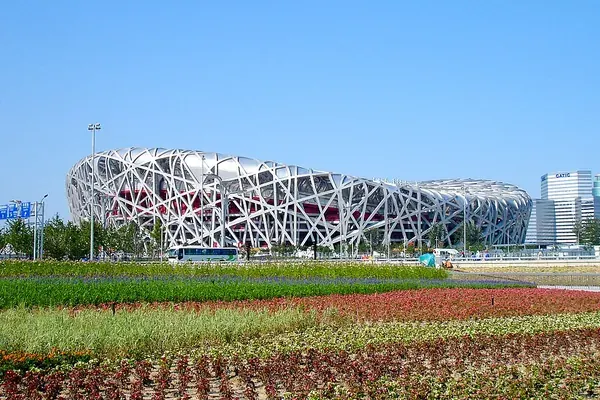
They use smart ideas like green roofs and natural light to make their projects earth-friendly. Each project looks at what's already there—a park or an old building—and finds ways to keep that feel alive.The Beijing National Stadium, famously known as the "Bird's Nest," is a definitive expression of their architectural philosophy. Constructed for the 2008 Beijing Olympics, the stadium masterfully showcases their signature approach where a building’s structure becomes its primary aesthetic.
The iconic facade is not a decorative skin but an interwoven lattice of massive steel beams, creating a complex yet seemingly organic pattern that is both the support system and the visual identity.
Notable Projects
Herzog & de Meuron's architectural prowess is perhaps best showcased through their iconic projects, each an embodiment of the firm's innovative spirit and dedication to cultural dialogue.
These landmarks are not mere structures; they stand as testaments to a symbiotic relationship between art, environment, and community—an intersection where these master architects excel.
Tate Modern
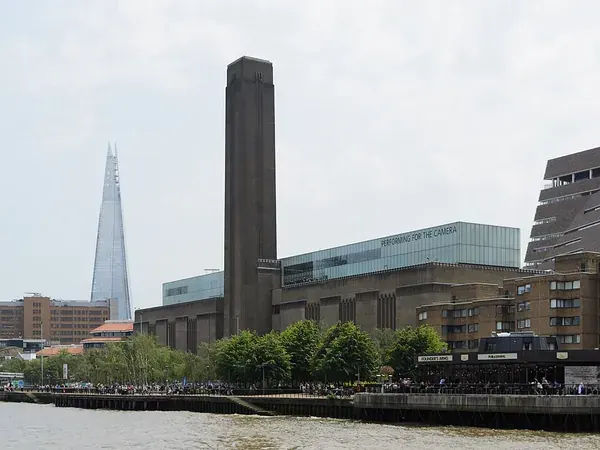
Tate Modern stands as a testament to Herzog & de Meuron's skill in transforming old structures into modern marvels. This landmark building used to be a power station on the banks of the Thames in London.
The architects turned it into one of the world's most visited cultural institutions for art lovers. They kept much of the old industrial feel and mixed it with new, sleek design touches.
Inside, vast exhibition spaces show off an array of modern art masterpieces. Outside, its unique look helps shape London's skyline and draws visitors from all around. Tate Modern is more than just a museum; it's a bright spot for urban development that brings people together in public spaces to enjoy artwork and stunning architecture.
Roche Towers
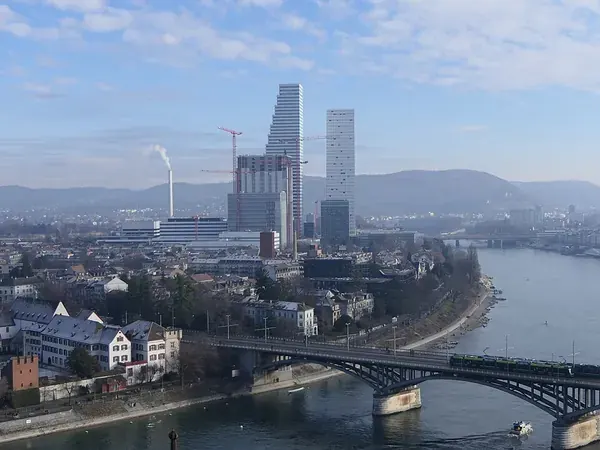
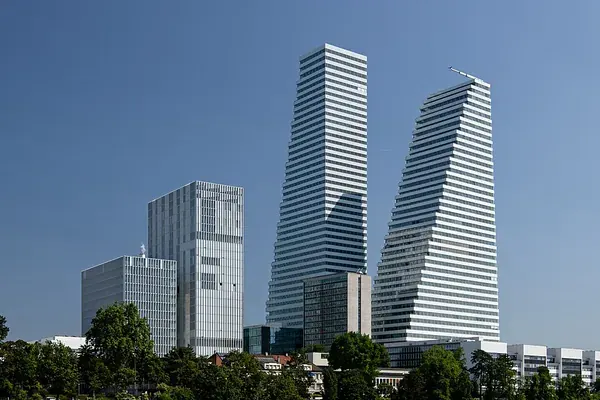
The Roche Towers stand as a testament to modern architectural innovation in Basel, Switzerland. Tower 1, completed in 2015, dramatically altered Basel's skyline, soaring to a height of 178 meters.
This skyscraper, primarily used as office space for Roche, a pharmaceutical giant, is characterized by its sleek, tapered design, offering panoramic views of the city and the Rhine. Tower 2, completed in 2022, further complements this architectural ensemble, reaching an impressive height of 205 meters.
Together, these towers symbolize technological advancement and architectural sophistication, reflecting Herzog & de Meuron's commitment to merging functional design with aesthetic appeal.
Elbphilharmonie
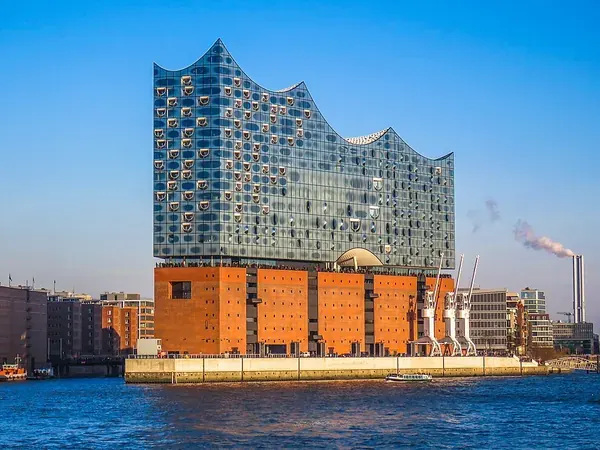
The Elbphilharmonie in Hamburg, Germany, is an extraordinary feat of modern architecture designed by Herzog & de Meuron. Opened in 2017, this striking building combines a traditional brick warehouse base with a dazzling glass structure resembling a hoisted sail or water wave, symbolizing Hamburg's close ties to the sea.
Housing one of the world's most acoustically advanced concert halls, the Elbphilharmonie has quickly become an iconic cultural landmark. Its innovative design features a central auditorium with terraced seating, ensuring an intimate experience despite its 2,100-seat capacity.
The building's unique fusion of historical and contemporary elements reflects Herzog & de Meuron's dedication to creating spaces that are deeply embedded in their context yet forward-thinking in their execution.
Vitrahaus
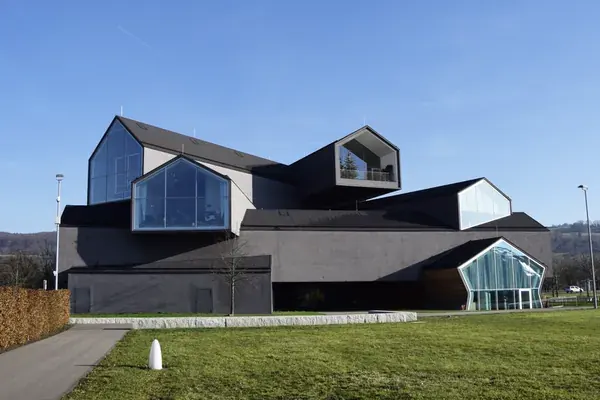
The Vitrahaus, located on the Vitra Campus in Weil am Rhein, Germany, is a quintessential example of Herzog & de Meuron's innovative design philosophy. Completed in 2010, this building serves as a showroom for the Vitra Home Collection.
The structure consists of a series of stacked, seemingly haphazardly arranged houses, creating a complex and intriguing architectural form.
The design plays with the concept of inside and outside, featuring interconnected interiors that offer unexpected views and spatial experiences. Its simplistic yet complex design, combining traditional elements with contemporary flair, makes Vitrahaus not just a functional space for showcasing furniture but also a significant architectural statement in itself.
Beirut Terraces
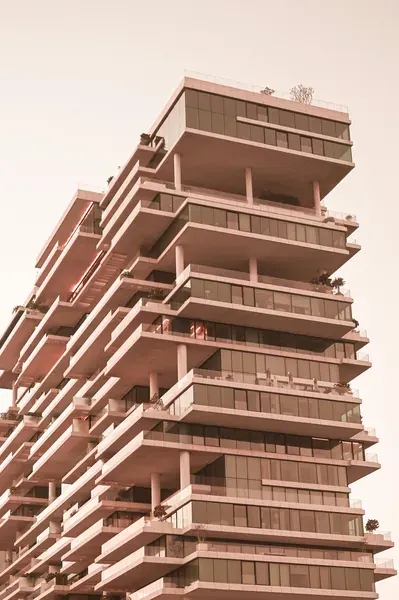
Beirut Terraces is a striking example of modern urban living in Beirut, Lebanon. Completed in 2017, this residential building is notable for its unique design, characterized by a series of overlapping terraces that create a vertical village.
Each floor shifts in and out, providing residents with both private outdoor spaces and stunning views of the city and the Mediterranean Sea. The design concept is deeply rooted in five principles: layers and terraces, inside and outside, vegetation, views and privacy, and light and identity.
This approach results in a building that not only stands out for its architectural aesthetics but also offers a new form of living that balances openness with privacy, making it a landmark in contemporary architecture.
Recent Projects
Delving into the latest endeavors of Herzog & de Meuron reveals a continuation of their architectural dialogue, where bold forms meet functionality—discover how these ventures push the boundaries of design in our full exploration.
Kinderspital Zürich
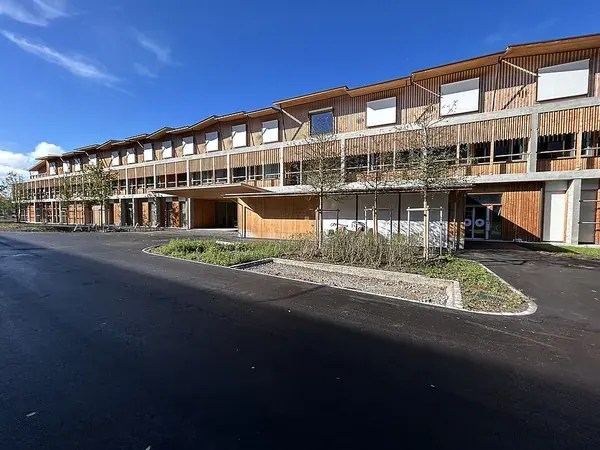
The Kinderspital Zürich is a testament to Herzog & de Meuron's ability to integrate modern architectural design into the context of healthcare facilities. Located in Zurich, Switzerland, this project, initiated in 2022, represents a state-of-the-art children's hospital that blends functionality with an inviting, child-friendly atmosphere.
The design likely focuses on creating spaces that are both healing and comforting, with an emphasis on natural light, spacious interiors, and elements that reduce the stress often associated with hospital environments.
M+ Museum
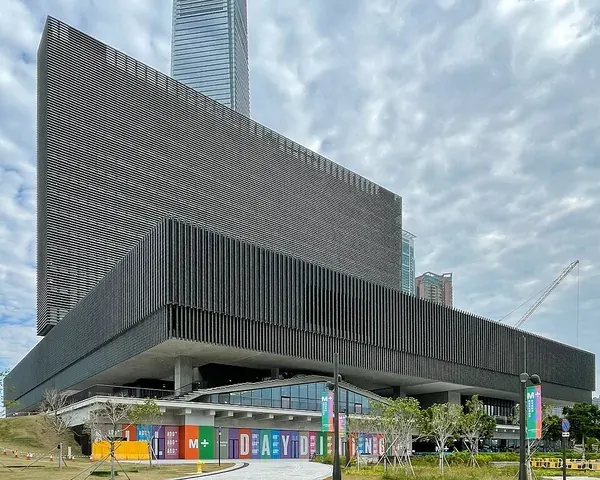
Located in the vibrant West Kowloon Cultural District, M+ Museum commands attention with its iconic T-shaped structure. The design's most innovative feature is the monumental LED facade on its tower, transforming the building into a dynamic digital canvas that broadcasts art across Victoria Harbour.
Herzog & de Meuron's thoughtful use of terracotta cladding gives the exterior a unique, tactile identity. Inside, M+ is a global hub for 20th and 21st-century visual culture, design, and architecture, with a special focus on contemporary Chinese and Asian art.
As a must-visit cultural destination, the M+ Museum's innovative architecture and world-class exhibitions make it a cornerstone of Hong Kong's artistic landscape, attracting visitors and art lovers from around the globe.
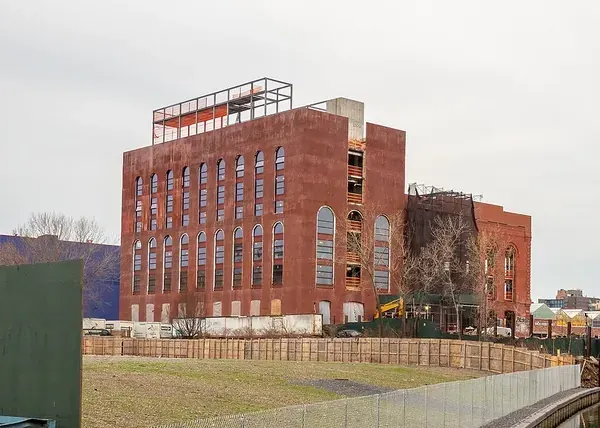
Powerhouse Arts
The Powerhouse Arts project in Brooklyn, USA, is another recent and significant undertaking by Herzog & de Meuron. Initiated since 2022, this project reflects the firm's expertise in blending contemporary architecture with cultural and artistic spaces.
While specific details about the Powerhouse Arts are limited, it is likely designed to be a hub for artistic and cultural activities, integrating versatile spaces for exhibitions, performances, and creative collaborations. The project possibly embodies Herzog & de Meuron's distinctive approach to urban redevelopment, transforming existing structures or landscapes into vibrant new public spaces.
The Powerhouse Arts project is expected to contribute significantly to the cultural landscape of Brooklyn, showcasing the firm's ability to create architecture that is both visually striking and deeply integrated into the community's fabric.
Recent Awards
- Louis I. Kahn Award (2023): This award, given by the Center for Architecture and Design in Philadelphia, celebrates individuals who have made significant contributions to the field of architecture.
- Gutes Bauen Award (2023): Herzog & de Meuron received this award for three of their projects: Extension Stadtcasino Basel, Roche Building 2, and Hauptsitz Christoph Merian Stiftung.
- RIBA Jenks Award (2015): This award is presented by the Royal Institute of British Architects for a work of international significance.
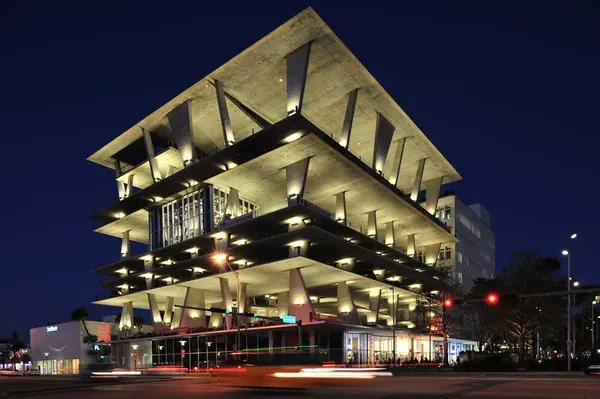
- RIBA Royal Gold Medal (2006): Awarded by the Royal Institute of British Architects, this medal is given in recognition of a lifetime's work and is considered one of the highest honors in British architecture.
- Pritzker Architecture Prize (2001): This is one of the most prestigious awards in architecture, often referred to as the Nobel Prize for architecture. Herzog & de Meuron were lauded for their innovative use of materials and unique approach to architecture.
Explore More Architects
If you enjoyed learning about Herzog and de Meuron, explore more firms:
- David Chipperfield Architects: Another European firm known for refined material expression
- Ateliers Jean Nouvel: The French Pritzker laureate pushing boundaries in form and light
- MVRDV: Dutch firm known for bold urban interventions
Model intricate facades and forms like Herzog and de Meuron with the Rhino for Architects Course.
Rhino for Architects Course
Give your architectural skillset a major boost with the Rhino for Architects Course. Get over 60 hours of focused training tailored specifically for architects. Master commands and techniques to model, render, and animate architectural visualizations at the highest level. Click below for more information and watch your designs come alive!