Exploring new styles in architecture can be tough. Junya Ishigami + Associates stands out for its unique and innovative designs that blend landscapes with man-made structures. Our blog dives into how this firm's creative approach is shaping the future of architecture, making buildings that not only stand but also speak.
Discover a world where nature meets imagination!
Key Takeaways
Junya Ishigami + Associates creates buildings that mix nature with architecture, like the Kindergarten Forest in China where kids learn among trees.
- They use light, natural materials and technology to make unique spaces such as the Noël House with its cave-like design built using precise 3D scanning.
- Their projects have won major awards like the Golden Lion at the Venice Biennale and Junya Ishigami received the Pritzker Prize in 2019 for his groundbreaking work.
- The firm makes shops and pavilions too, like the JINS SWFC Shop which offers a new shopping experience through its innovative space design.
Each building by this firm is made to feel natural and important to its place, offering more than just walls but an experience that connects people with their environment.
Overview of the company
Junya Ishigami + Associates stands at the forefront of architectural innovation, with its founder Junya Ishigami shaping structures that challenge conventional boundaries. This Tokyo-based firm embodies a philosophy where design harmonizes with nature and imagination meets functionality.
Brief overview
Junya Ishigami + Associates is an architectural firm that stands out for its boundary-blurring architecture. Since its launch, the company has crafted spaces that challenge traditional design norms.
Their work often features innovative designs which marry the natural world with man-made structures. Collaborative projects are a key part of their approach, leading to international recognition and joint ventures across the globe.
Artisan collaboration plays a vital role in their building process, allowing each project to adapt uniquely to its environment. The firm's commitment to energy-efficient design and low-carbon construction has set new standards in sustainable architecture.
This dedication coupled with artistic innovation resulted in winning an important competition for a port design showcasing smart energy use in Kinmen County. With every structure built, Junya Ishigami + Associates reshape our understanding of space and environment through groundbreaking style.
Junya Ishigami's role and vision
Ishigami plays a key part in reimagining what buildings can be. He uses his creative intuition to question traditional architecture. His vision is to make architecture more free and open.
He sees this as vital for the future of building design. Ishigami's goal is not just to create spaces, but experiences that connect deeply with nature and human emotions.
His designs often seem like they're drawn from dreams or poetry, showing his poetic inspiration at work. Each project challenges norms and invites us to see different possibilities in the structures around us.
Moving forward, Ishigami will continue shaping landscapes through innovative forms that blend artistry with functionality. Now let's turn our attention to the unique features that define his architectural style.
Main Characteristics of the Architectural Style
Junya Ishigami + Associates' architecture transcends traditional forms, creating spaces where the boundaries of nature and built environments blur. Their designs often evoke a sense of fluidity and weightlessness, challenging perceptions of structure and space.
The interplay between landscape and architecture
Landscape and architecture come together in Junya Ishigami's designs, creating spaces that blend with nature. His work shows a deep respect for the environment, focusing on harmony and sustainability.
Buildings seem to grow out of their settings, designed just for that spot. This approach makes each project unique and rooted to its location.
Ishigami uses lightness and transparency to let landscapes flow through his structures. For example, the Noël House feels like a cave yet is full of life from the bustling restaurant inside.
The idea is to make buildings feel as natural as trees in a forest, like with the Kindergarten Forest project in China where kids learn right in nature’s embrace. Here, organic architectural design meets environmentally responsive architecture at its best.
Use of organic forms and minimalist aesthetics
Drawing from the natural world, Junya Ishigami + Associates create buildings that feel alive with organic shapes and fluid forms. They strip down designs to their essential elements, using clean lines and open spaces to make structures that are simple yet striking.
The team at Junya Ishigami + Associates crafts spaces that breathe freedom and simplicity into every corner.
Their work often appears as if it has been sculpted by wind or water rather than built by human hands. By choosing natural materials, they allow their creations to blend seamlessly with their surroundings.
Unconventional structures break free from traditional forms, inviting light and space to play a central role in the experience of each place they design.
Innovative use of materials and technology
Junya Ishigami + Associates takes the minimalist approach a step further by integrating groundbreaking materials and smart technology into their designs. They constantly push boundaries with creative construction methods that often involve high-tech procedures.
For example, the Noël House and Restaurant project stands out due to its complex design finalized through 3D scanning techniques. These scans were then transformed into precise excavation data, harnessing iPad technology for exact implementation on-site.
Sustainable design is central to their process, focusing not only on aesthetics but also on environmentally friendly solutions. The Kindergarten Forest in China showcases this commitment beautifully by marrying modern techniques with an interactive building method.
This enables young learners to engage directly with nature as part of their educational experience, reflecting Junya Ishigami’s forward-thinking design approach where architecture coexists harmoniously with the environment.
Notable Projects
Junya Ishigami + Associates have redefined the boundaries of architectural design with a portfolio that showcases both their reverence for nature and pursuit of the avant-garde. Their projects have garnered international acclaim, forging spaces where art converges with functionality to challenge conventional perceptions of structure and form.
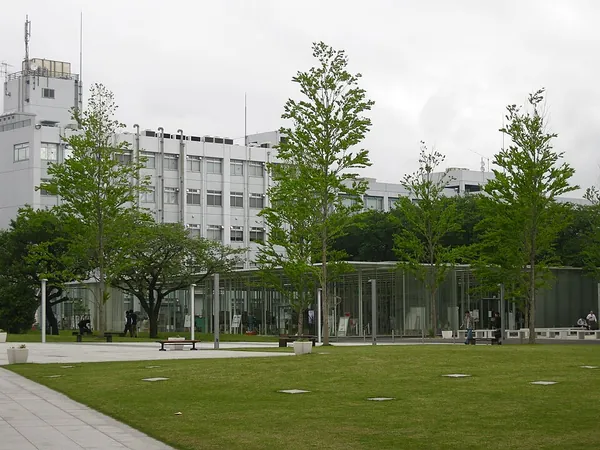
Kanagawa Institute of Technology Workshop
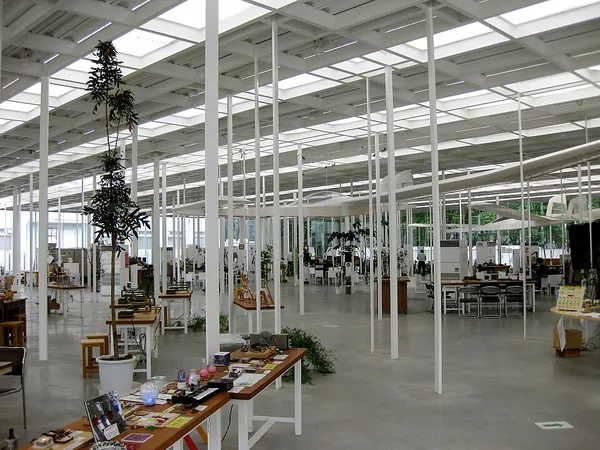
The Kanagawa Institute of Technology Workshop stands out as a prime example of Junya Ishigami + Associates' architectural innovation. Its design breaks the mold, offering a creative space filled with light and air.
A forest of thin columns supports a seemingly weightless roof, crafting an educational environment that's both open and boundless. This structure inspires students to think freely and explore design possibilities in new ways.
Ishigami's vision for this workshop blends seamlessly with the landscape, making it an innovative place for students to gather inspiration. The minimalist aesthetic encourages focus on the essentials of form and function.
Here, at the Kanagawa Institute of Technology Workshop, architectural creativity thrives in an atmosphere that is as instructive as it is liberating for future architects shaping our world.
House of Peace, Copenhagen
Moving from the foundational learning spaces of Kanagawa Institute, we turn our gaze to Denmark where Junya Ishigami + Associates set new standards for architecture with the House of Peace in Copenhagen.
This ambitious design takes shape as a cloud-like structure gently floating above an artificial island. It will be a bold and unique addition to Copenhagen's skyline, envisioned as more than just a building—it will stand as a powerful symbol of peace.
Crafted with innovative design techniques, this remarkable project embodies Ishigami's poetic approach to crafting spaces. An ethereal atmosphere is aimed to be achieved through its water-filled floor that will mirror the sky above, blurring the lines between nature and the built environment.
Architects around the globe watch eagerly as the House of Peace progresses towards becoming a landmark synonymous with tranquility and innovation in Copenhagen’s vibrant urban fabric.
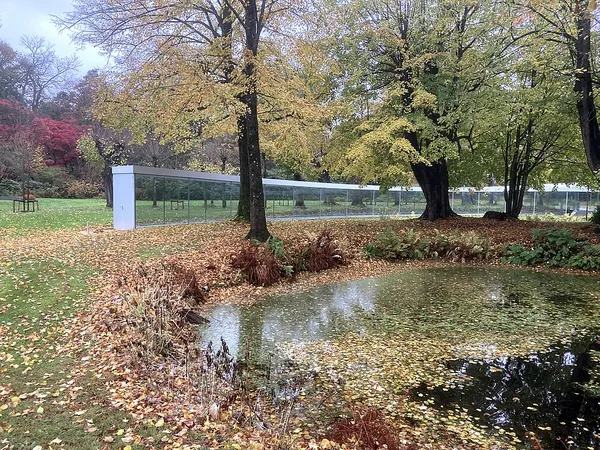
Art Biotop Water Garden
Shifting focus to the serene landscapes of Tochigi, Japan, the Art Biotop Water Garden stands as an emblem of ecological design. Junya Ishigami + Associates crafted this tranquil retreat in 2018, weaving together water features and natural environment with remarkable finesse.
They transformed ordinary outdoor space into a Zen garden that encourages environmental conservation and sustainable development.
Visitors to the garden are greeted by water biotopes seamlessly integrated with their surroundings. The design team strategically relocated existing trees within the site to create harmonious dialogue between flora and water.
This project not only secured the prestigious Obel Award but also showcased a model for blending garden architecture with the landscape's inherent beauty.

Mother’s House
Moving from the serene Art Biotop Water Garden, Junya Ishigami blends nature and architecture even more intimately in Mother's House. This project breaks traditional barriers by placing a family home within a living garden.
The house emerges from the landscape, offering both care and comfort to Ishigami's mother. Here, every window frames a unique blend of light play and greenery, designed for peaceful elderly care.
Mother’s House stands as a symbol of sustainable living. It respects rural development traditions while pushing the boundaries of modern design. The arrangement of vegetation becomes an essential part of the home's structure rather than just decoration.
Each space within is crafted to reflect architectural harmony with its natural surroundings, making it much more than just a place to live—it’s an experience woven into every breath and sight.
The Serpentine Pavilion
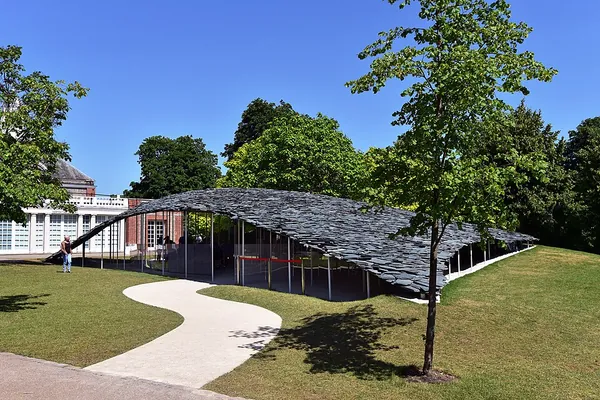
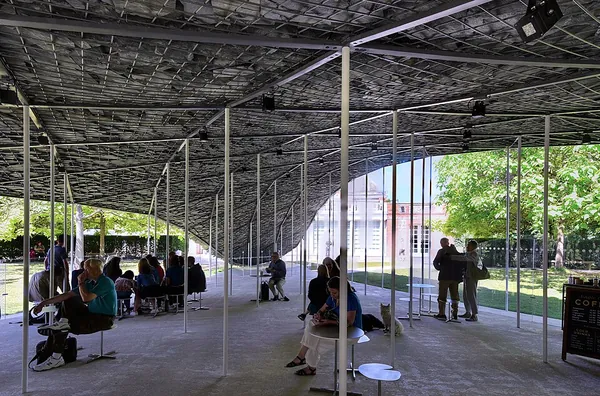
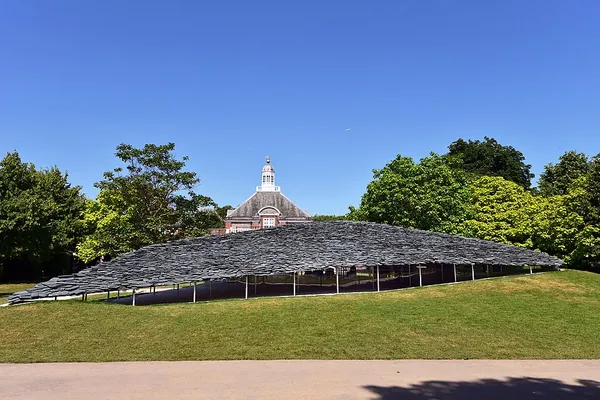
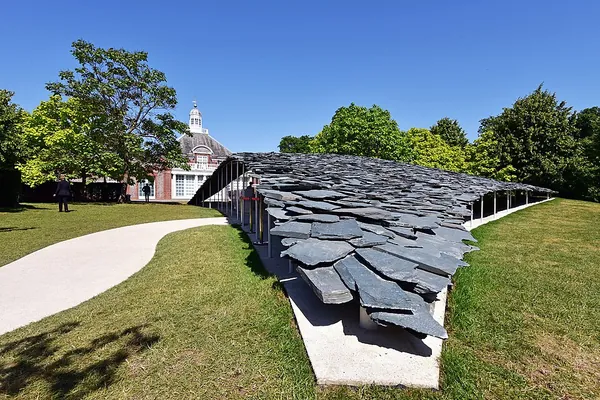
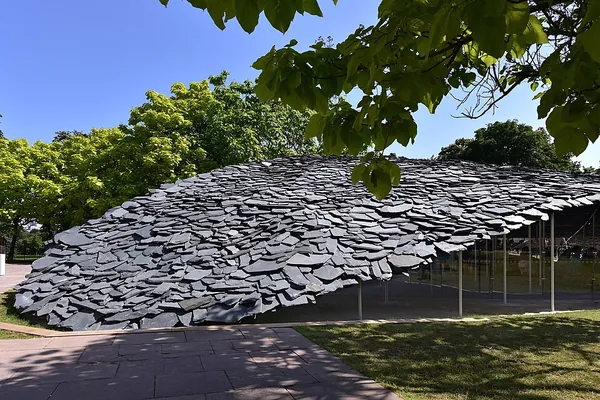
The Serpentine Pavilion 2019 remains a landmark of contemporary architectural design. Located in London’s Kensington Gardens, this experimental structure famously blurred the lines between the built environment and the natural landscape.
Ishigami’s vision centered on a massive, undulating canopy composed of 61 tons of Cumbrian slate. Despite the immense physical weight of the stone, the pavilion appeared to float, supported by a "forest" of slender steel columns. This "stone carpet" aesthetic is a hallmark of Ishigami’s philosophy, where heavy materials are reimagined with a sense of poetic lightness and fluidity.
For enthusiasts of minimalist architecture and organic design, the 2019 pavilion serves as a masterclass in material innovation. By harmonizing raw geological elements with modern engineering, Junya Ishigami + Associates created a space that felt both ancient and futuristic—a temporary sanctuary that redefined the relationship between structure and sky.
Awards and Recognition
Junya Ishigami + Associates has won top awards for their distinctive design and creative construction. Their unique architectural style stands out worldwide. They received the Golden Lion for Best Project at the Venice Biennale of Architecture.
This big win put a spotlight on their forward-thinking design.
The firm's inventive building techniques earn praise often. For example, the prestigious Pritzker Prize went to Junya Ishigami in 2019. His poetic architectural concepts show his genius in architecture.
With these honors, the company gains more respect around the globe. The team at Junya Ishigami + Associates keeps pushing boundaries with innovative construction methods. Each award they win tells us how important their work is to modern architecture.
FAQs
1. What distinguishes Junya Ishigami + Associates in architecture?
Junya Ishigami + Associates is known for blending nature with architecture in innovative ways, creating spaces that connect people to their environment. Their use of light materials and technology results in unique, sustainable designs.
2. What awards have Junya Ishigami + Associates received?
The firm has won numerous awards, including the prestigious Golden Lion at the Venice Biennale. Junya Ishigami also received the Pritzker Prize in 2019 for his contributions to architecture.
3. How does the firm incorporate sustainability?
Sustainability is central to their designs, focusing on energy efficiency and low-carbon construction. Projects like the Kindergarten Forest showcase their approach to environmentally responsive architecture.
4. Can you describe a unique feature of Junya Ishigami's architectural style?
Ishigami's style is marked by a blend of organic forms and minimalist aesthetics, with a focus on harmony between the built environment and nature, creating spaces that feel both fluid and weightless.
5. What are some recent projects by the firm?
Recent works include the Kokage-gumo Pavilion, exemplifying their "free space" concept, and the JINS SWFC Shop, which redefines retail space with its innovative design approach.
Explore More Architects
If you enjoyed learning about Junya Ishigami, explore more innovative firms:
- Toyo Ito and Associates: The mentor whose work influenced Ishigami's early career
- Sou Fujimoto Architects: Another Japanese architect pushing boundaries of space and structure
- BIG (Bjarke Ingels Group): Bold, experimental architecture on a global scale
Bring delicate, boundary-pushing designs to life with the Rhino for Architects Course.

Rhino for Architects Course
Give your architectural skillset a major boost with the Rhino for Architects Course. Get over 60 hours of focused training tailored specifically for architects. Master commands and techniques to model, render, and animate architectural visualizations at the highest level. Click below for more information and watch your designs come alive!