Have you ever wondered about the architects behind some of the most stunning and innovative designs in today's modern world? Let us introduce Kengo Kuma & Associates, a globally recognized Japanese architecture firm with award-winning projects across various sectors.
This blog post will delve into their architectural excellence, exploring their philosophy, signature materials, recent works, and significant projects. Get ready to be inspired by this journey through unique design perfection!
Key Takeaways
- Kengo Kuma & Associates are famous all over the globe for their top-notch building designs.
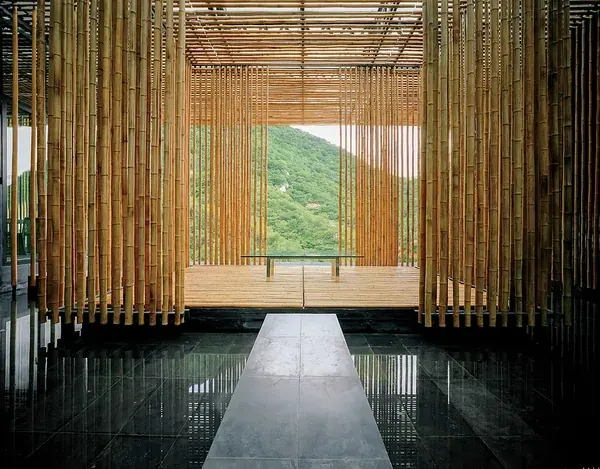
- They use natural materials like bamboo and wood in their works. This brings a cool, fresh look to architecture and helps protect the Earth too.
- Many of their projects have won big awards. Their work is found in Japan, Switzerland, Scotland and China among other places.
- The firm studies areas closely before starting a project. They aim to blend a building into its surrounding area instead of making it stand out.

Overview
Kengo Kuma and Associates, an influential architectural firm based in Japan, has a rich history marked by innovative design and global recognition. The leading figure, Kengo Kuma, fuses traditional Japanese aesthetics with modern techniques to create environmentally friendly structures of excellence.
Known for their unique approach towards material theory demonstrated in the elaborate use of wood and bamboo in most of their works; their impact goes beyond just construction but also influences interior design and functional products.
Their extensive portfolio includes award-winning buildings like the Snowpeak Field Suite Spa Headquarters among many others.
Inception
Kengo Kuma and Associates began their work in Japan. The firm started work in 1990. Since then, they have blended art and science to create unique buildings. The Paris office opened up in 2008.

Lead Figure
Kengo Kuma is the top man at Kengo Kuma & Associates. His creative ideas shape Japanese architecture in new ways. He has a vision to blend buildings into their surroundings, wanting them to feel like part of the place.
This idea helps him make cultural, commercial, and hospitality buildings that stand out. The world took notice when his firm won Architects of the Year 2020.
Philosophy
Kengo Kuma's architectural philosophy is distinguished by his unique approach towards materials, treating the world as a vast repository of potential building elements. Strongly influenced by Japanese aesthetics and tradition, just one of many Asian architectural styles, he meticulously explores the site of projects, absorbing its history and essence before initiating any design sketches.
This in-depth understanding forms the foundation for creating structures that are not only sensitive to their environment but also deeply rooted in their place and background, thus embodying a harmonious blend of innovation, aesthetic appeal, and environmental consciousness.
Material Theory
Kengo Kuma gives a lot of thought to his choice of building materials. This is part of his material theory in the world of architecture. He seeks to match or merge with the area around his projects.
When he picks a material, he looks at the nature and time that have shaped it. In Kuma's view, this aligns with recovering 'the place'. His work becomes like a form or frame for nature itself.
It's not just about looks but also about sustainable design - being kind to our Earth so we can keep living on it safely and happily.
Kuma Lab
Kengo Kuma set up the Kuma Lab in 2009. It is at the University of Tokyo's Hongo Campus, inside its Department of Architecture. The lab researches concepts of city, community, and product designs as well as buildings and places where people go to relax or play.
The research helps them make better designs for their work. Adding to this, the team also tries to find new ways of making things using top-notch technology and useful materials.
Recent Works
Kengo Kuma and Associates have been making waves globally - and they're not the only Japanese firm expanding worldwide; Sou Fujimoto have been threading the path as well. Kengo Kuma has been paving the way with their recent works, including innovative projects like the Saint-Denis–Pleyel station in Paris; Haus Balma, a perfect blend of traditional Swiss architecture with Japanese aesthetics; and Takanawa Gateway Station, inspired by traditional origami.
Saint-Denis–Pleyel
The Saint-Denis–Pleyel station stands as the architectural jewel of the Grand Paris Express. Serving as a vital interchange for lines 14, 15, 16, and 17, this pivotal hub transforms connectivity within the Paris Metro network.
Kuma’s masterpiece features a stunning façade of vertical oak louvers, spiraling to filter natural light deep into the subterranean atrium.
Merging sustainable design with urban mobility, the station acts as a dynamic cultural center for the Saint-Denis district.
Haus Balma
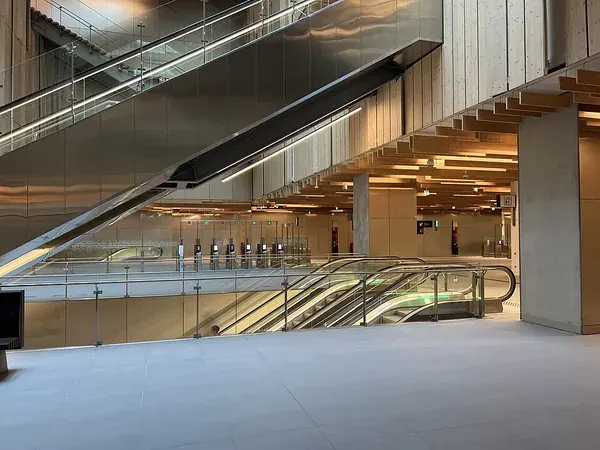
Haus Balma is a work of art in Vals, Switzerland. This building finished in June 2022. It shows the skill of Kengo Kuma & Associates. The firm mixed old and new ideas to create this place.
They used smart ways to build and design it. From home and office space, Haus Balma has many uses. It shows off how the team at Kengo Kuma can do great things with commercial and housing projects.

Takanawa Gateway Station
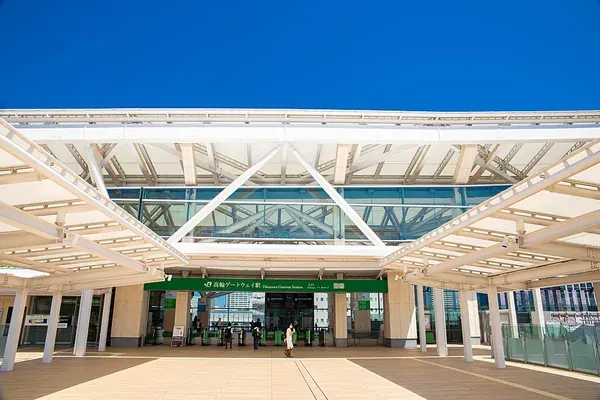
Takanawa Gateway Station, the newest landmark on Tokyo’s iconic JR Yamanote Line, is a masterpiece of modern Japanese design, featuring a striking roof inspired by traditional origami. The structure blends glass with warm Japanese cedar sourced from the Tohoku region, creating an airy, light-filled atmosphere. Located between Shinagawa and Tamachi, this hub for the Keihin-Tohoku Line integrates cutting-edge AI technology with sustainable aesthetics.
Significant Projects
Delving into the impressive portfolio of Kengo Kuma and Associates, we uncover their notable projects that have left distinct marks in global architecture such as the Hanling Museum of Art, Bamboo Wall House, Japan National Stadium, V&A Dundee, and Contemporary Art Center.
Asakusa Culture Tourist Information Center
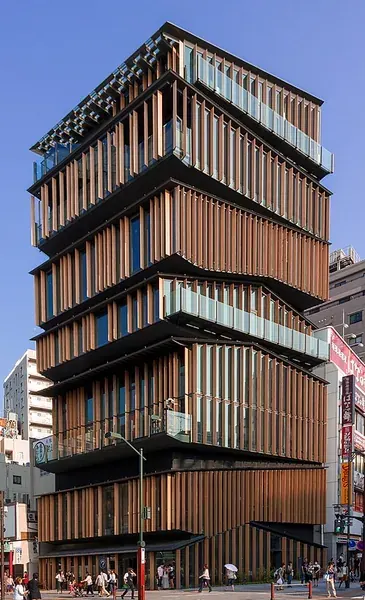
Standing directly across from the historic Kaminari-mon Gate, the Asakusa Culture Tourist Information Center is a masterpiece of modern design by Kengo Kuma. This striking vertical landmark reinterprets traditional Japanese architecture, appearing as seven wooden houses stacked atop one another. Kuma utilizes natural cedar louvers to harmonize the structure with the surrounding Asakusa neighborhood and the ancient Senso-ji Temple. Inside, the building serves as a vital cultural hub, featuring exhibition spaces and a multipurpose hall. The highlight for visitors is the free eighth-floor observation deck, which provides panoramic views of the Tokyo Skytree and the bustling Nakamise shopping street.
Japan National Stadium
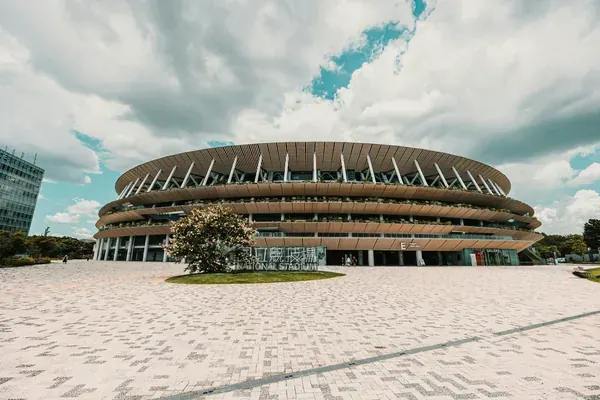
The Japan National Stadium is a standout piece. This sports venue was built for the Tokyo Olympics, showing off Japanese architecture at its best. It uses elements of traditional designs in a modern way.
For example, it has multilayered "eaves". These are parts common to old Japanese buildings made to work with the weather. They block out the sun and let cool air into the stands. The Stadium shows how Kengo Kuma brings together cultural landmarks, commercial buildings, and entertainment places in his work.
V&A Dundee
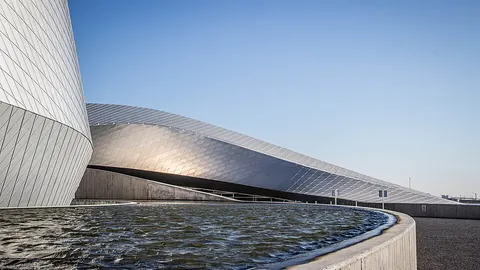
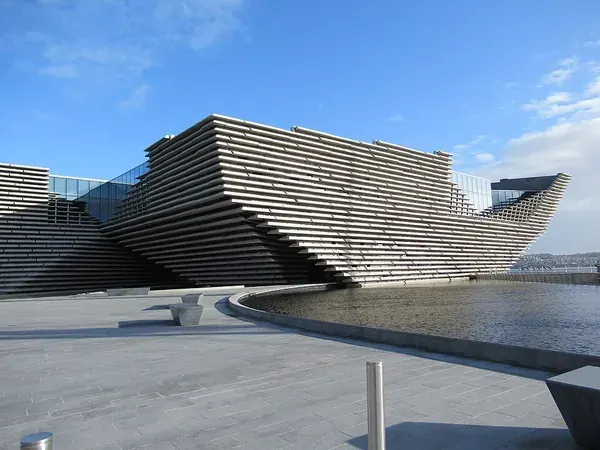
V&A Dundee is a key project by Kengo Kuma and Associates. It sits on the waterfront of Dundee, in northern Scotland. The design of this museum pairs well with the water it faces. It is part of the Victoria & Albert Museum in London.
The building shows off cool ideas given real form. Its form draws eyes to it from far away. Even up close, its look keeps changing as you move around it.
Contemporary Art Center
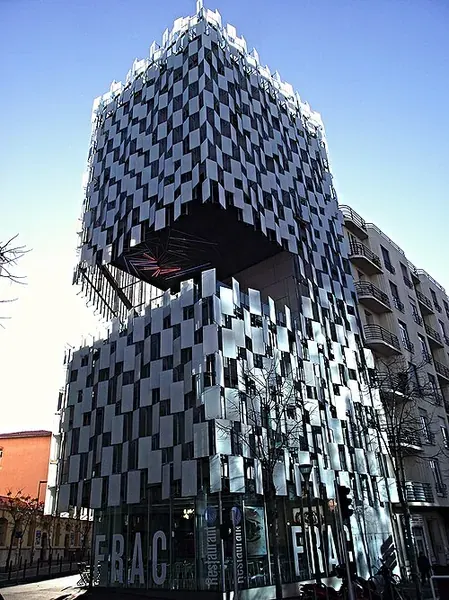
Kengo Kuma and Associates made the Contemporary Art Center. This place is not like other museums. The designs are 3D forms of a museum without walls idea by André Malraux. He was a famous French writer and politician.
The art pieces inside move all around in this lively space. It’s an innovative structure that shows avant-garde art in creative spaces, just as cultural institutions should do today.
Odunpazari Modern Museum
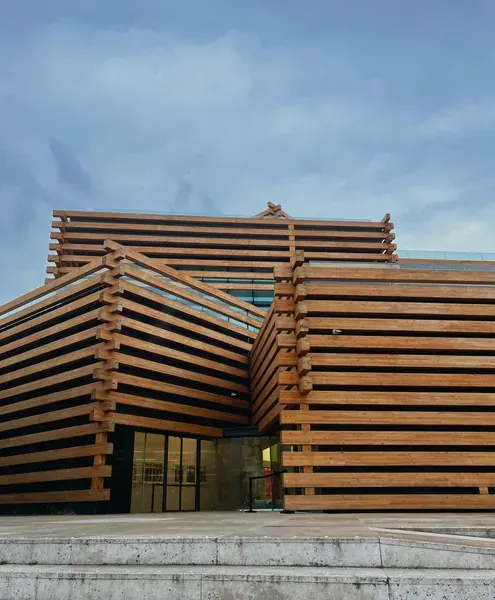
Located in the historic heart of Eskisehir, Turkey, the Odunpazari Modern Museum (OMM) stands as a stunning fusion of art and architecture. Honoring the district's heritage, which translates to "wood market," Kuma constructed the museum using stacked, interlocking boxes of laminated timber. This dynamic design pays homage to the scale of traditional Ottoman wooden houses while creating a cutting-edge space for contemporary art. The structure features a spiraling central atrium that filters natural light through the wooden beams, creating a warm, immersive atmosphere for visitors. As a major cultural landmark in Anatolia, OMM showcases a prestigious permanent collection alongside rotating global exhibitions.
Rhino for Architects Course
Give your architectural skillset a major boost with the Rhino for Architects Course. Get over 60 hours of focused training tailored specifically for architects. Master commands and techniques to model, render, and animate architectural visualizations at the highest level. Click below for more information and watch your designs come alive!