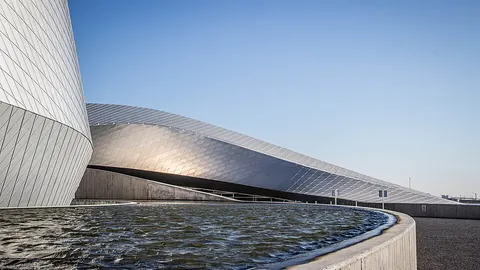
Perkins&Will stands as a beacon in the realm of architecture, illuminating the path to sustainable design with each blueprint and building. From their humble beginnings to an expansive global presence, this studio has shaped skylines and societies while holding steadfast to principles that prioritize the planet and its people.
Prepare to explore how architecture can uplift communities and conserve our world through the visionary lens of Perkins&Will.
Key Takeaways
- Perkins&Will started in 1935 by Lawrence Perkins and Philip Will Jr. They built long-lasting, kind-to-nature places.
- Their buildings are famous for caring about our planet. Chase Tower and Riley Towers are two examples.
- The firm has won the Eco Award at The Brit List Awards 2022 and many other awards for its green designs.
- They mix farms with buildings like the Knight Campus' greenhouses on top of its concrete base.
- For the future, Perkins&Will plans to create more spaces where people can live well with nature around them.
The Legacy of Perkins&Will
Perkins&Will stands as a testament to architectural excellence, with a rich history that has set the benchmark for sustainable and innovative design.
Founding Figures
Back in 1935, Lawrence Perkins and Philip Will Jr. joined forces to create a design studio with a fresh idea. They were family—Philip was Lawrence's brother-in-law—and shared a vision for buildings that worked with nature.
Their partnership marked the start of Perkins&Will, known today for its strong push towards sustainable architecture. Their work has always been about more than just designs on paper; they wanted to build places that last and do good for our world. This goal led them to blend innovation with care for the environment from the very beginning.
Their enduring influence on architecture is not just seen in their structures but also in their steadfast commitment to environmental stewardship and social responsibility.

Early Success
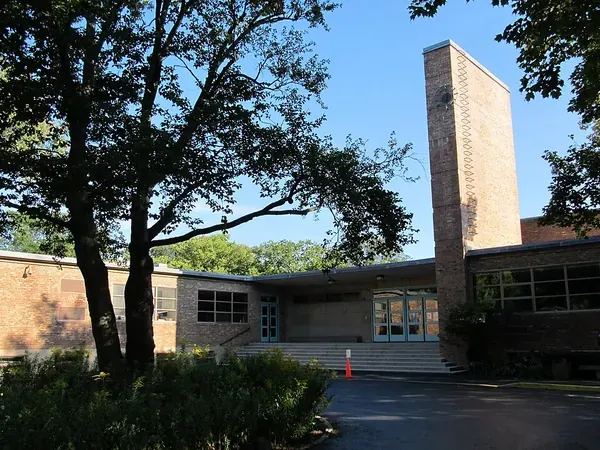
Following the establishment of their firm, Perkins&Will quickly showed they could build smart and care for the earth. The Crow Island School project was one big step forward. This school became famous for how it put students first in its design.
Global Growth
Perkins&Will has really taken off around the world. They joined hands with Dar Al-Handasah, making them even stronger in many countries. This move means more projects that care about the earth can happen everywhere.
The work of Perkins&Will reaches far and inspires others to build smart, green places too.

Next up, let’s talk about how Perkins&Will makes sure their designs are kind to the earth and everyone living on it.
Architectural Philosophy and Recognitions
At the core of Perkins&Will is a profound commitment to architectural philosophy that places sustainability, diversity, and human-centric design at the forefront of their work. Their approach has garnered international acclaim, evidenced by numerous prestigious industry recognitions that underscore their role as innovators in environment-conscious and inclusive architecture.

Sustainability
Perkins&Will leads the way in green building design. Their buildings are more than just structures; they're a statement of care for our planet. The firm uses sustainable building materials and renewable energy sources to make sure each project helps, not hurts, the environment. They understand that good design combines beauty with responsibility toward nature.
Perkins&Will shows that sustainable architecture can be both functional and strikingly beautiful while supporting agriculture and research dedicated to our earth's well-being.

Diversity
Perkins&Will stands out for their wide range of design styles. They make sure their buildings are good for all kinds of people and reflect many different ideas. Their work shows how they think about nature, culture, and the future in each project.
Each Perkins&Will building is unique because they use ideas from around the world. This makes spaces where everyone feels welcome and respected. By bringing together many thoughts and views, they create places that stand out and last a long time.
Their commitment to these values has made them leaders in making designs that care about both people and nature.
People-centric approach
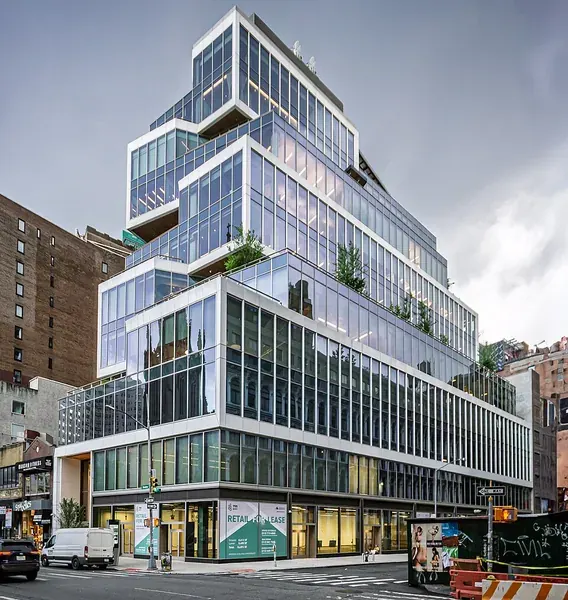
Designing buildings that focus on people is at the heart of Perkins&Will's work. Their projects put the needs and well-being of users first. This human-centered design shows how they create spaces for learning, working, and living.
It means listening to what communities want and making sure everyone feels welcome in these places.
Buildings shape our lives more than we often notice. Perkins&Will gets this and works hard to make each project fit the people who will use it every day. They mix smart design with fresh ideas to help nature and communities thrive together.
Notable awards and recognitions
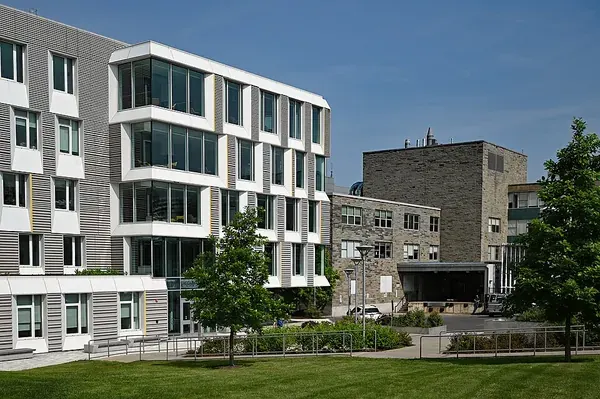
Perkins&Will puts people at the heart of their work, which leads to winning big in the world of architecture. The firm has earned a reputation for excellence with numerous awards highlighting its commitment to sustainable and impactful design. Here are some standout honors:
- Eco Award at The Brit List Awards 2022: Perkins&Will's promise to reach net-zero in their projects by 2030 stood out, earning them this prestigious award. This shows that they lead the way in eco-friendly designs.
- American Institute of Architects (AIA) Honors: Numerous times, Perkins&Will has received honors from AIA for energy-efficient architecture and sustainable materials used in their buildings.
- Leadership in Energy and Environmental Design (LEED) Certifications: Many Perkins&Will projects have achieved LEED certification, showing their focus on green building and sustainable development.
- Commitment to Renewable Energy Use: Their designs often feature systems that use clean energy, helping reduce the carbon footprint of buildings.
- Sustainable Design Awards by Various Organizations: Groups focused on lowimpact building have recognized Perkins&Will for leading in sustainable construction with several design awards.
- Recognition for Biophilic Design Elements: Including features in buildings that connect people to nature is another area where Perkins&Will shines. These design choices make spaces healthier and more enjoyable.
Notable Projects
Perkins&Will has left an indelible mark on the architectural landscape with a diverse portfolio of groundbreaking projects. These works not only capture the firm's commitment to sustainable design and innovation but also reflect their ability to shape spaces that are both functional and inspiring, signifying the vast reach of their architectural prowess across various sectors and geographies.
Let’s first look into a couple of older projects, which set the the tone of the company’s architectural vision.
Chase Tower
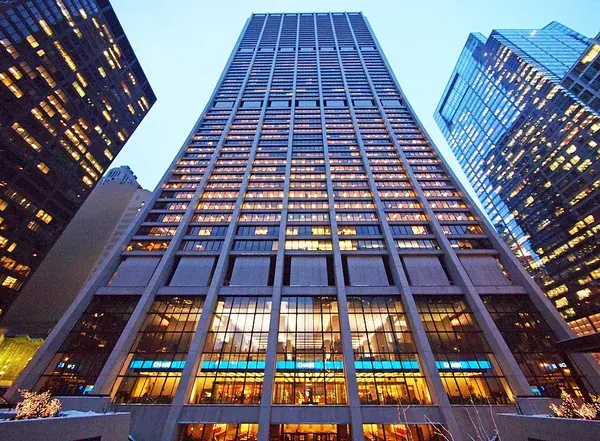
Let’s first look into a couple of older projects, which set the the tone of the company’s architectural The Chase Tower, a striking example of International Style architecture, is a renowned project of Perkins&Will, co-designed with C.F. Murphy Associates. Built between 1964 and 1969, this Chicago landmark, located at 10 S Dearborn St, stands as an icon in the city's skyline.
The tower's design and construction showcase the modernist architectural ideals prevalent during the mid-20th century. Its sleek and functional design reflects the International Style's emphasis on geometric forms and modern materials.
The Chase Tower's blend of historical significance, architectural innovation, and urban impact make it a notable landmark in Chicago's rich architectural landscape.
Riley Towers
The Riley Towers, conceived as part of the expansive urban renewal Project H, consists of three residential high-rise buildings, constructed between 1962 and 1963.
Initially planned by the Riley Center Corporation in 1961 with a budget of $40 million, the towers were designed by Chicago architect Wilmont Vickrey, then a partner at Perkins&Will.
Known as the James Whitcomb Riley Center, these towers were the city's first high-rise housing and marked a significant step in urban development. Perkins&Will's involvement in this project highlights their contribution to transforming city skylines, not just in Indianapolis but also with many skyscrapers in downtown Chicago.
Now, let’s move to some contemporary projects of Perkins&Will, which overall aim towards sustainable building goals.

235 Van Buren
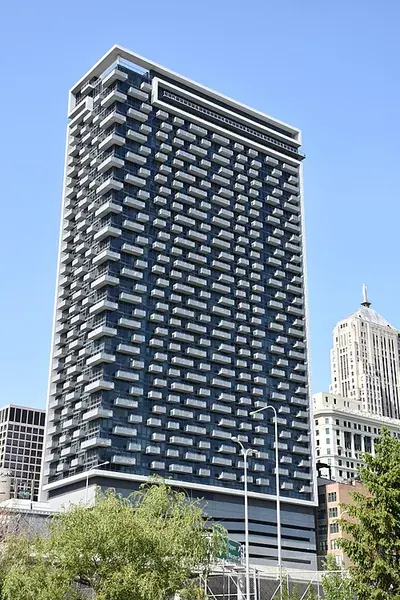
This high-rise condominium is a masterclass in structural expressionism, making a bold statement on the city's skyline. Perkins and Will’s design is distinguished by its exposed concrete frame, which forms a powerful grid-like exoskeleton around the building.
Set within this robust structure, a sleek glass curtain wall provides floor-to-ceiling windows, flooding interiors with light and offering panoramic urban views. 235 Van Buren is a testament to minimalist aesthetics and material honesty, showcasing how an elegant design can celebrate its core structure.
This Perkins and Will project remains a compelling case study in creating sophisticated urban living through innovative and transparent design principles, solidifying its place in Chicago's architectural legacy.
314 Main Street
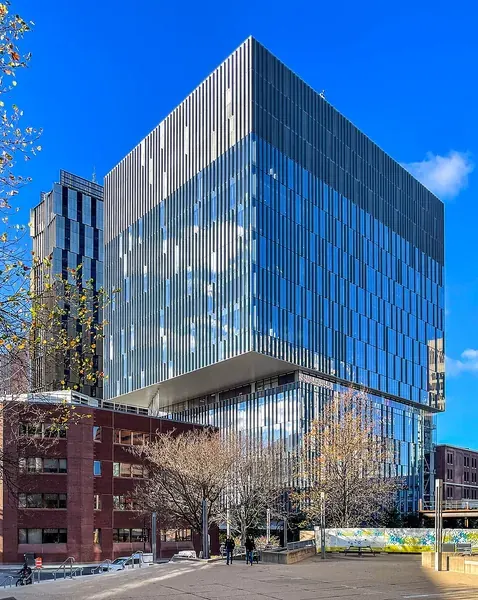
314 Main Street, the cutting-edge life sciences hub at MIT Site 3 is a gateway to the Kendall Square SoMa development. Located in the heart of Cambridge's innovation district, this state-of-the-art lab building is an architectural triumph.
Its striking facade features a dynamic rhythm of terracotta fins and high-performance glass, a design that optimizes daylight for advanced research while creating a distinct visual identity. Engineered for flexibility, this R&D facility caters to premier tenants like the Broad Institute of MIT and Harvard.
As a cornerstone of urban renewal, the Perkins and Will design for 314 Main Street not only delivers a world-class research environment but also activates the streetscape, reinforcing Kendall Square’s status as a global epicenter for innovation and a benchmark for modern life sciences architecture.
Signature Place
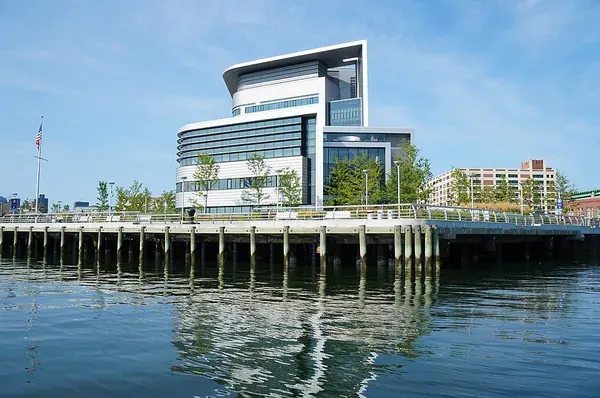
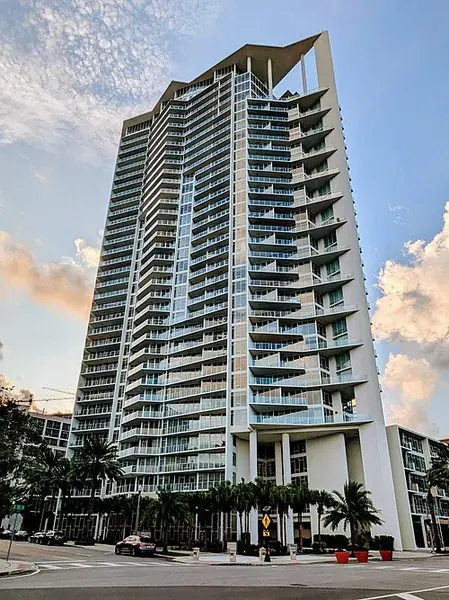
Dominating the downtown St. Petersburg skyline, Signature Place stands as a modern architectural landmark designed by Pritzker Prize-nominated architect Ralph Johnson of Perkins and Will.
This 36-story residential tower is celebrated for its dramatic, sail-like asymmetrical roof—a brilliant nod to the city’s vibrant nautical identity. The building’s sleek, curving glass facade maximizes panoramic views of Tampa Bay, creating a fluid, sculptural form that feels both elegant and dynamic. More than just a luxury condominium, Signature Place was a pivotal project in St. Pete’s urban renaissance, integrating an active public plaza at its base.
It remains a compelling example of modern waterfront architecture, showcasing how a single, bold design gesture can create an enduring and iconic symbol for a city, cementing its place in Florida's architectural portfolio.
Perkins&Will's Vision for the Future
Perkins&Will is pushing forward with bold ideas for tomorrow's buildings.
They're also working hard to create places where nature and buildings come together. Imagine offices with plants everywhere, schools that teach kids about growing veggies, and houses that fit in with trees and gardens.
Perkins&Will wants our cities to be full of green spaces, clean air, and happy people. Their goal is for every new project to help take care of our planet while giving us beautiful places to live, learn, and play.

Grasshopper Complete Course
Give your architectural skills a boost with the Grasshopper Complete Course. Get over 50 hours of comprehensive Grasshopper training tailored for architects. Learn to generate and iterate designs faster. Click below for more information and streamline your workflows!