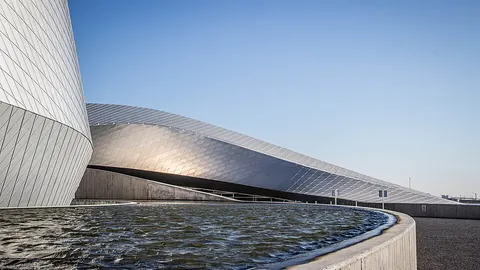
In the world of architecture, creating spaces that blend form with function is a constant challenge. Snøhetta has risen to this challenge, becoming a beacon of innovation in design and sustainability.
This blog will guide you through Snøhetta's philosophy, showcasing how their work harmonizes with natural surroundings and pushes the boundaries of modern architecture. Dive into a journey of discovery and inspiration!
Key Takeaways
- Snøhetta is a design firm from Norway that makes buildings and spaces by working with nature and using natural materials.
- They are known for making designs that are eco-friendly, like the Airside in Hong Kong which won five green building awards.
- Their projects are all over the world, changing cities with places for music, art, and work such as Powell Hall in St. Louis and Cloud 11 in Bangkok.
- The Oslo Opera House and James B. Hunt Jr. Library are famous works by Snøhetta showing how they mix culture, learning, and cool design.
- Looking ahead, Snøhetta has big plans like the new Library of Charlotte Mecklenburg in North Carolina to keep creating spaces that bring people together.

History and Background
Snøhetta's journey began at the crossroads of culture and architecture, evolving from a collaborative emergence in Norway to a force in global design with offices stretching from New York to Hong Kong.
This international powerhouse has etched its name into the annals of architecture by seamlessly integrating landscapes, interiors, and sustainable principles into each groundbreaking project.
Company ID
Websitesnohetta.comFounded1989HeadquartersOslo, NorwayCompany size201-500 employees
Origins
In 1987, a team of talented architects and landscape architects, led by Kjetil Trædal Thorse, came together in Oslo, Norway, to create Snøhetta. In 1989, New York architect Craig Dykers joined the team. They chose the name from a famous Norwegian mountain, showing their love for nature and their Scandinavian roots. They are not alone in this - other Scandi-based firms also rely on their roots, such as Haptic Architects or Schmidt Hammer Lassen.
Their work began with ideas from these roots—using clean lines, natural materials, and always thinking about the environment.
From this strong start, the firm grew into a world-known name in design. They kept their original love for working with nature but started using it in new ways all around the world.
Let's look at how Snøhetta's growth has taken them far beyond Norway's borders.
Let's look at how Snøhetta's growth has taken them far beyond Norway's borders.
Snøhetta's growth and global presence
Snøhetta began as a small group in Norway and has become famous around the world. Now, their work is everywhere – in Europe, Asia, North America, and more. They design many different things like buildings, parks, inside spaces, products, and pictures for websites.
People know Snøhetta for making places that are good for the environment and keep history alive. Their work shows off smart ways to solve design problems which recently got them the Architects of the Year award.
Their team works on big projects across continents from Australia to China to France. Every project uses new ideas that help people and nature live better together. With offices in cities all around the planet, Snøhetta listens to local stories to make each place special.

Design Philosophy and Style
Snøhetta's ethos is deeply rooted in a symbiotic relationship with the environment, where architecture not only exists within nature but actively enhances it. This principle guides their unique approach to incorporating sustainability and natural materials into groundbreaking designs that resonate with both the locale and global aesthetic sensibilities.
Natural materials
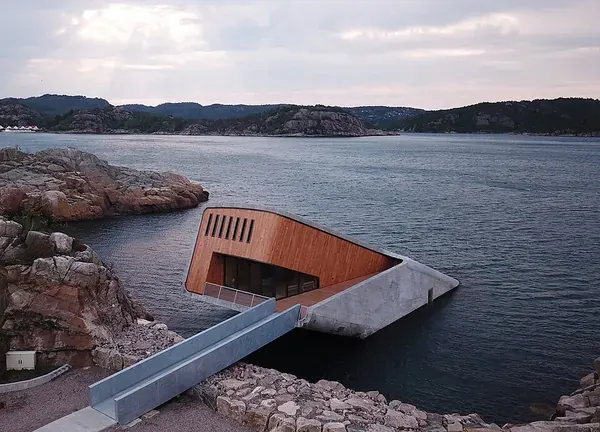
Snøhetta chooses wood, stone, and other earthy elements for their creations. These choices show a deep respect for the land and its history. For example, in Under restaurant, they blend new designs with the natural world around them.
This way of building not only looks beautiful but also honors past ways of making things.
Their work with natural materials is smart because it helps our planet. Using what comes from the earth cuts down on waste and harm to nature. By picking these kinds of materials, Snøhetta stands out as a leader in eco-friendly architecture.
They prove that buildings can be both stunning and kind to the environment around us.
Sustainability
Moving from the use of natural materials, Snøhetta places a strong focus on sustainability in their designs. They believe in creating buildings that are kind to our planet. Their projects aim for eco-friendly design and green building practices.
This means they choose things that do not harm nature and help save energy.
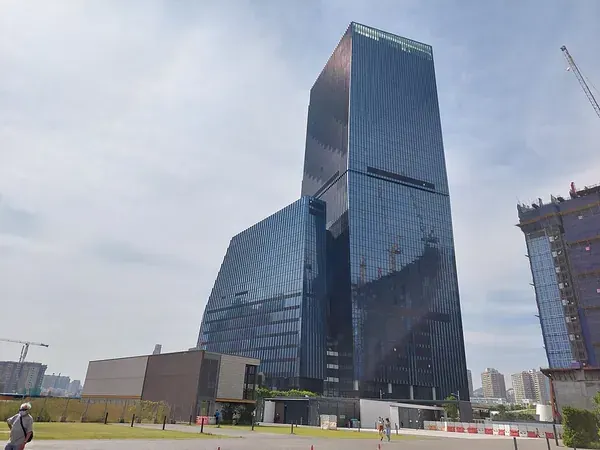
For instance, Airside in Hong Kong shows how serious they are about sustainable architecture. It's the first there to win five top green building awards. At events like Milan Design Week, the team shares items designed to be good for Earth and last a long time.
Lead architects at Snøhetta often say we must build with care for where we live – Earth. They keep finding new ways to make sure their buildings do just that.
Recent Projects
Snøhetta's portfolio continues to evolve with projects that push the boundaries of design, showcasing their commitment to innovation and sustainable solutions. Their recent work embodies a forward-thinking approach across a diverse spectrum of global initiatives, exemplifying how the firm is shaping the future of architecture.
St. Louis Symphony Orchestra’s Powell Hall
The St. Louis Symphony Orchestra's Powell Hall stands as a striking example of Snøhetta’s commitment to blending innovation with performance spaces. This iconic concert hall is set for a transformation that will reimagine it as a cultural beacon, enhancing the experience for both musicians and audiences alike.
Architects are focusing on improving acoustics, expanding the orchestra's rehearsal space, and upgrading audience amenities to ensure every visit is memorable.
Renovating this historic venue taps into Snøhetta’s design philosophy, where new work respects and elevates an institution’s legacy while propelling it forward. The music hall will not only serve its community but also become an architectural exploration in how historic venues can adapt to modern needs.

Blanton Museum of Art
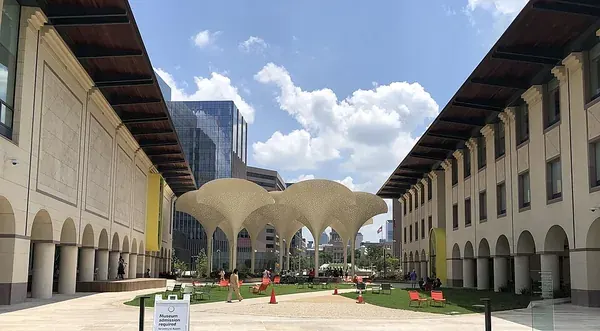
Snøhetta's transformative redesign of the Blanton Museum of Art at The University of Texas at Austin has created a vibrant new cultural destination. The project's centerpiece is a series of iconic, petal-like shade canopies that unify the museum’s two buildings and establish the welcoming Moody Patio.
This masterclass in landscape architecture reimagines the visitor journey, creating an inviting public space that artfully frames views of both Ellsworth Kelly’s renowned Austin chapel and the Texas Capitol. By providing crucial shade and integrating native plantings, Snøhetta’s design crafts a dynamic outdoor room for community gathering and events.
This comprehensive reimagining of the museum grounds solidifies the Blanton's position as a premier Austin landmark, enhancing its role as an accessible and engaging hub for art, culture, and connection.
Qasr Al Hokm Metro Station
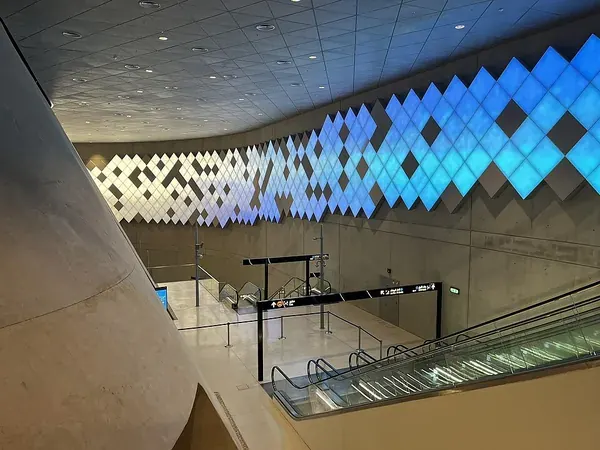
Snøhetta’s design for the Qasr Al Hokm Metro Station is a monumental landmark for Riyadh’s public transport network. As a key interchange for the new Line 1 and Line 3, the station is defined by its massive, circular canopy of polished stainless steel, creating a shimmering oasis in the urban landscape.
This gleaming, bowl-like structure provides essential shade and cooling, while its intricate perforations cast dappled light, echoing traditional Mashrabiya screens. A central oculus allows daylight to penetrate deep into the subterranean levels, creating an intuitive and welcoming environment for commuters.
Functioning as both a critical piece of infrastructure and a magnificent public space, the Qasr Al Hokm station is a testament to innovative transit architecture and a key component of modern Riyadh’s urban development.
Notable Projects
Delve into Snøhetta's prolific portfolio, where each project—from the harmonious Oslo Opera House to the innovative James B. Hunt Jr. Library—showcases a dedication to merging functionality with transformative design, inviting readers to explore these masterpieces of modern architecture further.
The Oslo Opera House
The Oslo Opera House stands as an iconic structure in the heart of Norway's capital. Its innovative construction merges with the waterfront, creating a public space where visitors can walk on the building's roof.
This design mirrors Snøhetta’s vision for open and accessible cultural buildings. Like a glacier rising from the fjord, it serves as both a European landmark and a testament to environmental consciousness.
Inside, audiences enjoy opera and ballet in a hall that honors artistic preservation with its excellent acoustics and sustainable materials. The sparkling white marble exterior invites locals and tourists to see opera as part of everyday urban life.
Architects admire how this Norwegian opera house blends function, culture, and city development seamlessly.

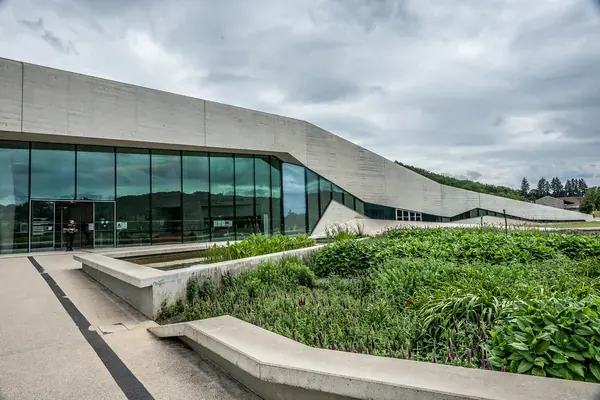
Lillehammer Art Museum
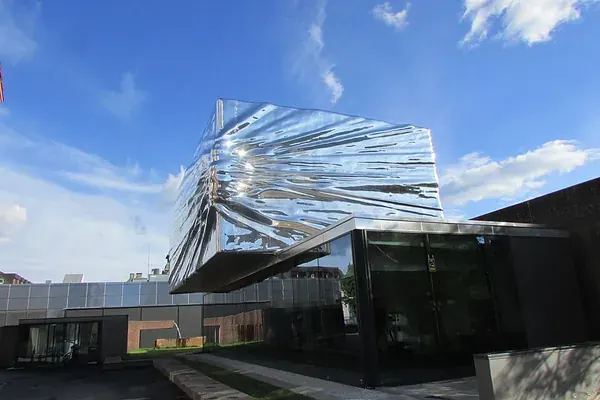
Moving from the stunning waterside of The Oslo Opera House to the Lillehammer Art Museum, we see Snøhetta's commitment to blending art with architecture. This museum is a place where contemporary art meets modern architecture in a powerful display. Snøhetta gave this space new life by adding an artistic wing that showcases creative exploration and design experimentation.
The Lillehammer Art Museum stands out for its use of natural light and materials that speak to the surrounding landscape. Visitors can enjoy art installations inside while feeling connected to nature outside.
This project highlights Snøhetta’s skill in making buildings that fit beautifully into their settings and become landmarks for cultural exploration.
Groupe Le Monde Headquarters
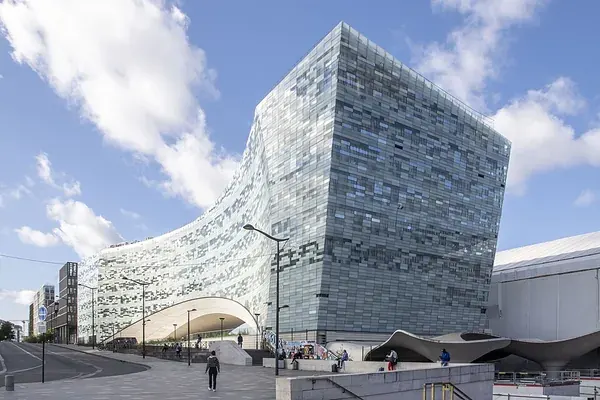
The Groupe Le Monde headquarters in France is a true showcase of Snøhetta's talent for modern architecture that cares for the planet. They built this place with smart design solutions and natural materials.
This building stands out because it mixes new ideas with environmental sustainability. Glass walls let in sunlight, saving energy and making the inside feel open and fresh. Smart use of space makes sure people can work well together while still having room to think.
This project proves how future buildings can look great and help the environment at the same time.
James B. Hunt Jr. Library
In Raleigh, North Carolina stands the James B. Hunt Jr. Library, a testament to Snøhetta's creative spirit in architectural design. This library is more than just a building; it's an innovative structure that reflects a deep understanding of form and function.
It has earned awards for its thoughtful approach, which blends seamlessly with the firm’s commitment to sustainability.
The library impresses with its use of natural light and open spaces, encouraging visitors to explore and engage with the environment around them. From the outside, it captures attention through its playful yet sophisticated appearance, while inside, it supports learning and discovery in new ways.
Architects take note: this project exemplifies how responsible design can create a landmark that serves both people and purpose.

Impact and Future Outlook
Snøhetta's work reaches around the world, from cold Norway to sunny Australia. Their buildings and designs touch many lives and change cities. They make places where people can meet, play, and learn.
This is important for how we feel about our towns and homes.
Their future looks bright with big projects on the way. One is the Library of Charlotte Mecklenburg in North Carolina. It will be a special place for reading and learning that everyone can enjoy.
Snøhetta continues growing by creating buildings that are respectful to nature and bring people together.

Grasshopper Complete Course
Give your architectural skills a boost with the Grasshopper Complete Course. Get over 50 hours of comprehensive Grasshopper training tailored for architects. Learn to generate and iterate designs faster. Click below for more information and streamline your workflows!