Finding the right inspiration for your next architectural project can be challenging. Thomas Phifer and Partners stand out with their stunning designs in cultural and institutional buildings.
This article will explore their approach to combining form, function, and sustainability in modern architecture. Discover why they're celebrated in the design world!
Key Takeaways
- Thomas Phifer and Partners is an architecture firm known for light-filled spaces and sustainable designs. They focus on modernism with simple, clean forms.
- The firm uses innovative materials to create buildings that save energy and blend with nature. Examples include the New York City LED streetlights project.
- Their work features spaces like the Indiana University Eskenazi School of Art, Architecture + Design, which fosters creativity in students.
- Key projects like The Corning Museum of Glass show mastery over natural lighting, enhancing visitor experience with dynamic displays.
- Awards from groups like the American Institute of Architects highlight their design excellence and impact on modern architecture.
History and Background
Delve into the genesis of Thomas Phifer and Partners, where a vision for harmonious, light-filled spaces took root. Meet Thomas Phifer, the visionary whose passion for balance and clarity propelled his firm to international acclaim in the world of architecture.
Beginnings
Thomas Phifer and Partners started as a vision for cutting-edge architecture. The firm opened its doors in New York, aiming to make a global impact. With Thomas Phifer at the helm, they brought together skilled engineers, landscape architects, and theatre consultants.
Their goal was clear: create sustainable buildings that stand out.
The team focused on building design with an eye for the environment from day one. They looked beyond construction; urban planning and green architecture were just as important. Each project by Thomas Phifer and Partners began with smart design choices grounded in environmental care.
Thomas Phifer
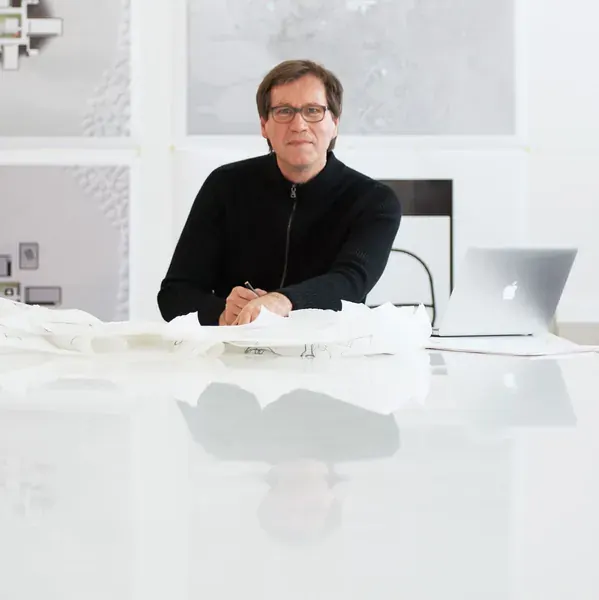
Phifer studied architecture at Clemson University, then earned his Master's from the Graduate School of Design at Harvard. His career began with a five-year stint working for Richard Meier, a noted modernist architect.
Phifer founded his own firm in 1997 in New York City. His dedication to architectural practice has led to recognition by peers; notably, the American Institute of Architects awarded his firm for its excellence in design.
He crafts buildings that stand out for their modernism and simplicity. Phifer’s work showcases innovative use of materials and natural light, often creating spaces that are both beautiful and sustainable.
This commitment to sustainability is woven into every project he takes on, making him a leader in contemporary institutional and cultural architecture.
Architectural Style
Thomas Phifer and Partners have revolutionized modern architecture by embracing an aesthetic of minimalist elegance and transparent simplicity. Their signature approach melds light-infused spaces with advanced materials, fostering environments that are as environmentally responsible as they are visually arresting.
Modernism and simplicity
Thomas Phifer and Partners embrace modernism in their work. They focus on creating buildings with simple forms and clean aesthetics. Their designs strip away extra details to make spaces that are both beautiful and useful.
This minimalist design approach results in structures that highlight the essentials.
Their projects shine because of this simplicity, taking advantage of natural light and open spaces. Materials are chosen for their lightness and ability to blend into the surroundings.
The firm's commitment to modernist principles ensures each building is a place where function meets beauty in a sustainable way.

Innovative use of materials and light
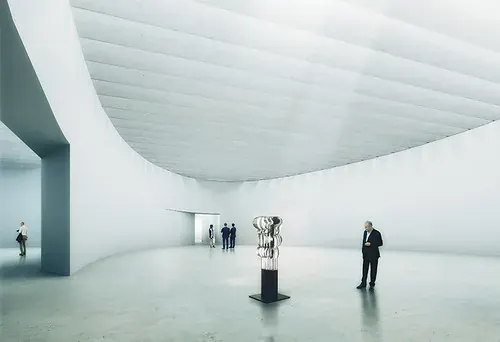
Moving beyond simplicity, Thomas Phifer and Partners masterfully integrate innovative materials and light into their buildings. They choose metals that reflect the sky, glass that captures changing daylight, and fabrics that play with shadow and brightness.
Their work shows a deep understanding of how materials can shape experiences.
Their designs often feature structures that glow from within at night, like lanterns. During the day, these buildings use natural light to make spaces feel open and alive. The team thinks carefully about where they place windows and how sunlight moves through rooms.
This thoughtful approach brings out the beauty in both their materials and their spaces.
Sustainability initiatives
Thomas Phifer and Partners set the bar high in sustainable architecture. They design buildings that save energy and blend with nature. Their New York City LED streetlights slash power use, showing care for our planet.
This green approach earned them praise for making public spaces both beautiful and eco-friendly.
The team turns to renewable energy and advanced tech to create smart, eco-conscious buildings. With each project, they aim for a strong bond between structure and landscape. Such dedication to environmental integration has brought them awards for their forward-thinking green building solutions.

Notable Projects
Thomas Phifer and Partners have left a significant mark on the architectural landscape through their diverse portfolio of projects that stand as testament to their innovative approach.
Each creation, from cultural institutions to civic buildings, encapsulates their dedication to form, function, and environmental sensitivity.
222 Second Street
Rising elegantly in San Francisco's dynamic SoMa district, 222 Second Street is a landmark modern office tower. Serving as the prominent headquarters for LinkedIn, this 26-story skyscraper is a masterclass in minimalist design and urban integration.The building’s signature feature is its highly transparent glass curtain wall, articulated with slender vertical mullions that optimize natural daylight while mitigating solar gain. This focus on light and transparency creates luminous, open-plan interiors ideal for a contemporary workplace.Achieving top-tier LEED Platinum certification, 222 Second Street showcases a deep commitment to sustainable design. Its five-story, publicly accessible lobby fosters a vital connection with the streetscape, solidifying the tower's status as a premier example of contemporary San Francisco architecture and a beacon for innovative, forward-thinking corporate design.

The Raymond and Susan Brochstein Pavilion at Rice University
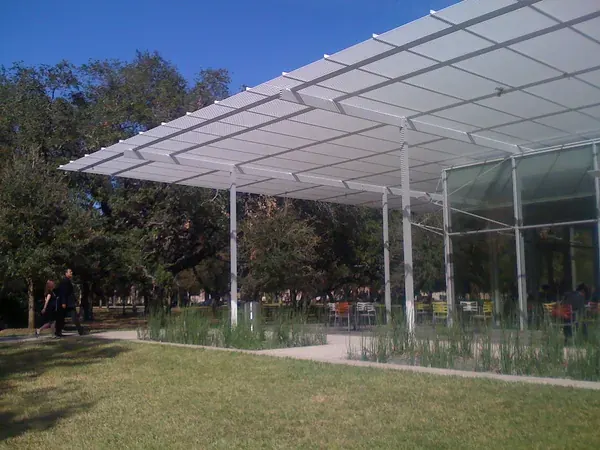
Thomas Phifer and Partners crafted the Raymond and Susan Brochstein Pavilion with a focus on modern architecture. This structure sits at the heart of Rice University's campus, serving students as a lively cultural center.
Its design reflects a blend of educational facilities within an open pavilion structure.
This building showcases architectural excellence through its innovative use of light and materials. It stands out among other campus buildings as a symbol of institutional architecture done right.
Their expertise in creating spaces for cultural and educational purposes shines through in this project. The pavilion has become an integral part of the university, uniting functional design with aesthetic beauty.
The Glenstone Museum in Potomac
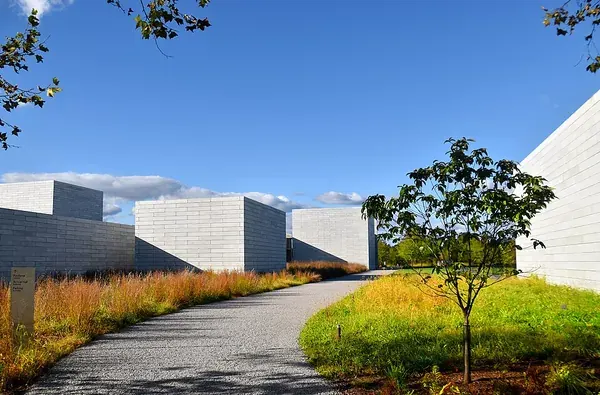
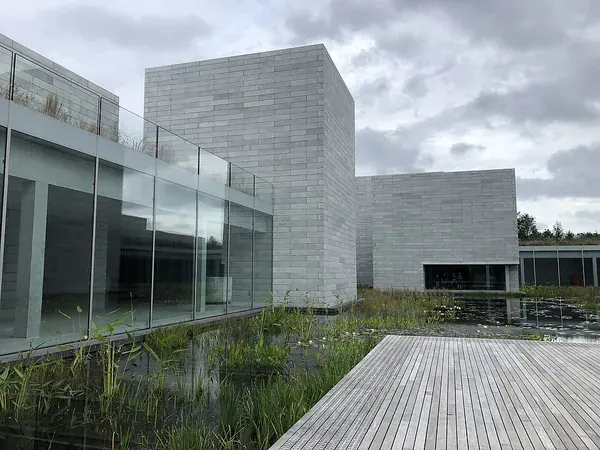
The Glenstone Museum in Potomac, MD stands as a pinnacle of Thomas Phifer and Partners' architectural innovation. Their work on the museum expansion marries sleek design with environmental mindfulness.
Every space crafted is humancentric, aimed at elevating the human experience through art and nature. Light flows freely throughout the structure, blurring the line between indoor galleries and the serene outdoors.
Phifer's team expertly integrated sustainable features into Glenstone's design, underscoring their commitment to eco-consciousness. The materials used reflect a deep respect for nature while maintaining aesthetic excellence.
Visitors feel a seamless connection to the land as they move through gallery spaces that breathe with life. This project captures an artistic vision that goes beyond walls to embrace environment and community.
The United States Courthouse in Salt Lake City
The United States Courthouse in Salt Lake City stands as a testament to Thomas Phifer and Partners' design brilliance. Winning awards for its sustainable design, the courthouse shines with innovation.
The firm carefully crafted this federal building to enhance people's experiences inside. They made sure it fits elegantly into the city's landscape.
This landmark merges modern aesthetics with practical functions, establishing a new standard in public buildings. Its clear lines and smart use of light show off the firm's commitment to simple yet powerful architecture.
Through projects like the Salt Lake City Courthouse, Thomas Phifer and Partners lead the way for future architectural endeavors.

The Warsaw Museum of Modern Art and TR Warszawa Theatre
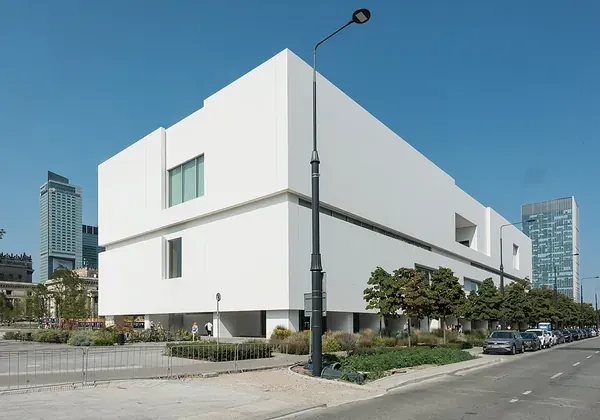
The Warsaw Museum of Modern Art stands out for its stunning design. It's a beacon for modern art in Poland, attracting visitors from around the world. Its exterior is as impressive as the contemporary art it houses.
Right next door, the TR Warszawa Theatre captures attention with its bold architectural style. Visitors enjoy top-notch performances in this cutting-edge venue. Both buildings show how Thomas Phifer and Partners blend architecture with culture beautifully.
Together, they form a cultural hub that puts Warsaw on the map for arts and innovation.

Recognition and Impact
Thomas Phifer and Partners have left a strong mark on modern architecture. Their work attracts widespread attention for pushing boundaries in design innovation. They blend aesthetics with functionality, crafting spaces that inspire those who experience them.
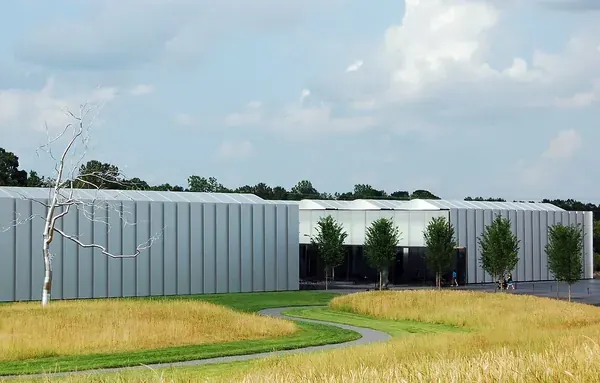
Thomas Phifer and Partners have garnered multiple prestigious awards. Their work on the North Carolina Museum of Art earned them the AIA National Honor Award, celebrating the project's harmonious blend of art, architecture, and landscape.
The Corning Museum of Glass Contemporary Art + Design Wing's design brought them the International Architecture Award for its creative use of glass and light. The United States Courthouse in Salt Lake City was shortlisted for the RIBA International Prize, noted for its functional and aesthetic design. The firm was also honored with the National Design Award in Architectural Design from the Cooper Hewitt, Smithsonian Design Museum for overall excellence in architecture.
Additionally, their work on the Glenstone Museum led to an AIA New York Chapter’s Design Award, recognized for integrating art, architecture, and nature.

Grasshopper Complete Course
Give your architectural skills a boost with the Grasshopper Complete Course. Get over 50 hours of comprehensive Grasshopper training tailored for architects. Learn to generate and iterate designs faster. Click below for more information and streamline your workflows!