Navigating the nuances of architectural design can often feel overwhelming. Toyo Ito & Associates, Architects stands as a beacon of innovation in the field, renowned for their unique blend of nature and modernism.
This article delves into how their architectural mastery transforms spaces into art forms that both intrigue and inspire. Discover the genius behind these structures.
Key Takeaways
- Toyo Ito started his firm in 1971, and it has become one of the most famous architecture companies in Japan. The firm is known for blending new ideas with traditional Japanese design elements.
- The team uses natural light in smart ways to make buildings that save energy and feel open. They won big prizes like the Pritzker Architecture Prize for their work.
- Some of their famous buildings include the Sendai Mediatheque with its tree-like tubes and the TOD’s Omotesando Building inspired by trees. These designs mix nature with cool modern styles.
- Toyo Ito's approach to building design has made a big impact on architects around the world. His work shows how buildings can be both beautiful and good for the Earth.
- The company keeps making exciting new projects that look amazing, are great places for communities, and don't harm our planet. They continue to win contests because they find fresh ways to build.
Toyo Ito started his firm in 1971, and it has become one of the most famous architecture companies in Japan. The firm is known for blending new ideas with traditional Japanese design elements.
Company Overview
Nestled in the heart of Tokyo, Toyo Ito & Associates has evolved from a visionary start-up into an architectural titan, continually reshaping our understanding of structures and space.
Their journey is marked by a fervent dedication to innovation and an intuitive approach that marries function with aesthetic wonder.
Brief history
Toyo Ito, a name big in the world of modern architecture, started his own firm in 1971. His work quickly stood out for its fresh and innovative style. The firm, Toyo Ito & Associates, has grown into one of Japan's most respected architectural practices.
It's known all over for creating structures that break away from the usual.
The team at Toyo Ito & Associates doesn't just build buildings; they make landmarks that win prizes. In 2013, their creative ideas got them the Pritzker Architecture Prize—this is like winning the Olympics in architecture! Every project they touch shows off something special about how people use spaces today.
Evolution
Toyo Ito & Associates started small but grew into a powerful name in architecture. Over the years, they changed how we think about buildings. They combined new ideas with smart design to make spaces that amaze and inspire us.
Their journey took them from simple projects to winning the Pritzker Architecture Prize, one of the top honors in the field. This shows their commitment to pushing limits and creating awe-inspiring places.
Now let's look at their architectural style and characteristics, which blend tradition with innovation perfectly.
Architectural Style and Characteristics
Toyo Ito & Associates Architects are renowned for blending contemporary aesthetics with elements rooted deeply in Japanese tradition, creating spaces that breathe and bask in the natural light.
This harmonious fusion not only defines their unique architectural style but also embodies a philosophy where modernity converses fluently with heritage
Inclusion of traditional Japanese architectural elements
Toyo Ito & Associates are well-known for weaving traditional Japanese elements into their modern designs. They create spaces that respect the old ways while still looking forward. This shows in how they blend the inside and outside areas, much like in ancient Japanese houses.
The firm's work often features wood, paper, and stone—materials deeply rooted in Japan's building history. Their projects also highlight nature and sustainable design, as seen with natural light flowing through open spaces. These architects understand the importance of connecting people to their environment.
The Sendai Mediatheque stands out here, with its open floor plan allowing visitors to feel part of a larger community space while still seeing hints of traditional design all around them.
Use of natural light
Natural light is as important in architecture as traditional elements are. Toyo Ito & Associates design buildings that let sunlight pour in. They blend indoor spaces with the outdoor world using daylighting techniques.
Their smart use of glass lets daylight reach deep inside buildings. Light shelves and reflective surfaces bounce light around rooms, so electric lights are needed less during the day.
This makes spaces feel bigger and more open while saving energy too. Clerestory windows up high add even more brightness without letting in too much heat from the sun. Solar tubes also bring sunshine to parts of a building where it's hard for regular windows to reach.
All these methods show how Toyo Ito & Associates put natural light at the heart of their work, creating calm and welcoming places for people to enjoy.
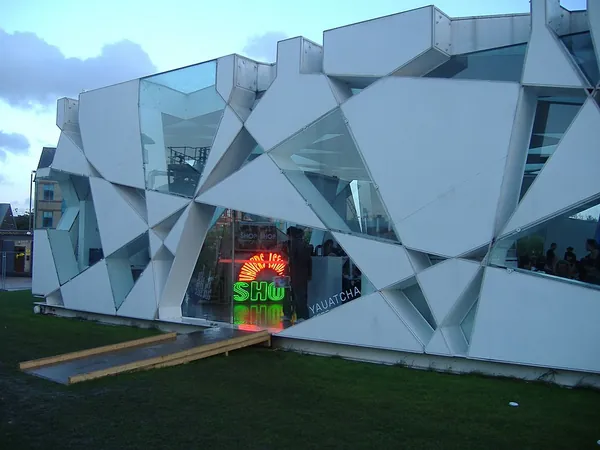
Recent Projects
Toyo Ito & Associates continue to push the boundaries of architectural design, marrying innovation with functionality in their latest endeavors. Their recent projects not only reflect a dedication to the craft but also embody a progressive spirit that resonates with contemporary society's evolving needs and aesthetics.
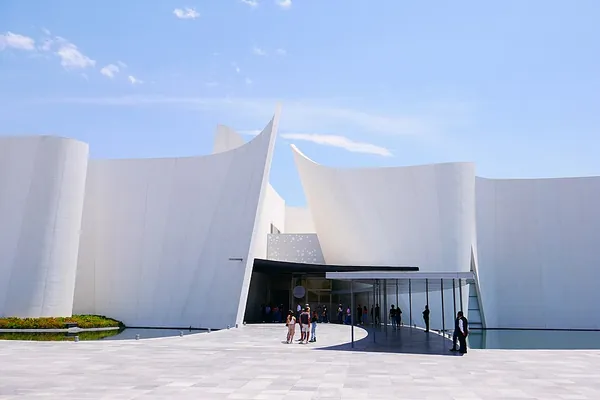
Toyo Ito Museum of Architecture
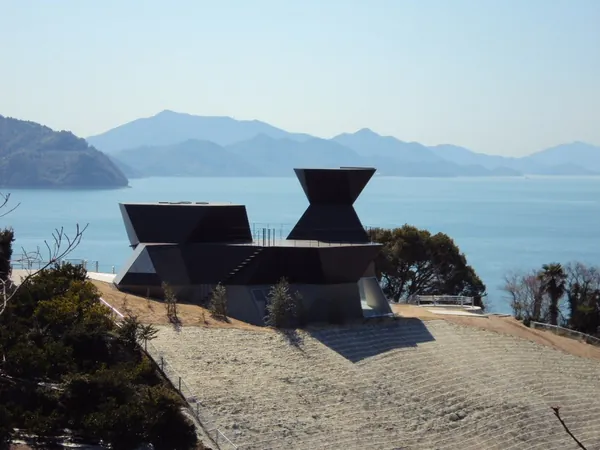
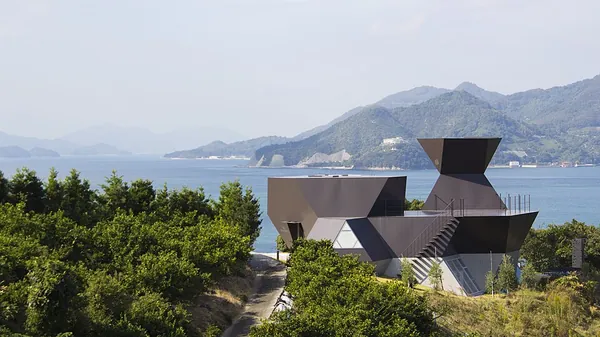
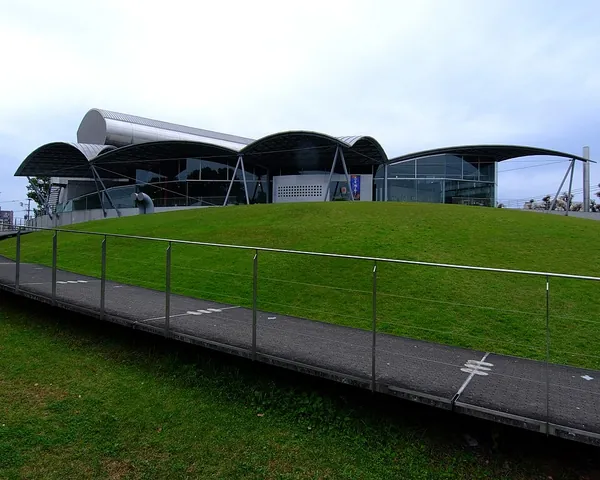
The Toyo Ito Museum of Architecture, located in Imabari, Japan, is a distinctive manifestation of Toyo Ito's architectural philosophy. Established as a two-building compound, the museum comprises the Steel Hut and the Silver Hut.
The Steel Hut serves as an exhibition space, characterized by its faceted steel skin that reflects Ito's innovative use of materials and form. On the other hand, the Silver Hut, with its series of vaulted roofs, houses an archive and spaces for workshops and events. This project epitomizes Ito's commitment to creating spaces that blend seamlessly with their surroundings, highlighting his mastery in using architecture to articulate a dialogue between the structure, its users, and the environment.
The Toyo Ito Museum of Architecture stands as a testament to Ito's architectural journey and his contributions to contemporary architecture.
Next, let's dive into the Minna no Mori Gifu Media Cosmos project.
Minna no Mori Gifu Media Cosmos
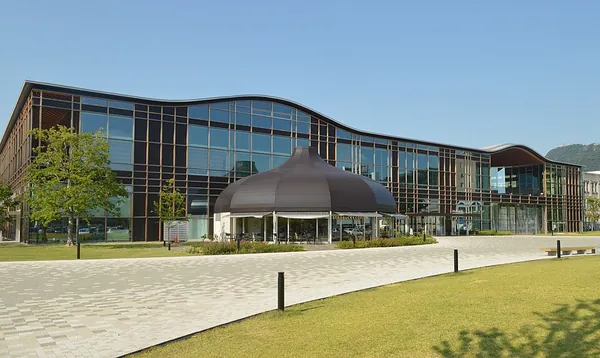
Minna no Mori Gifu Media Cosmos in Japan is a project that uniquely integrates a public library, art gallery, studio, and workshop under one undulating wooden ceiling, showcasing Ito's flair for blending functional design with aesthetic elegance.
The design emphasizes sustainability and community engagement, mirroring Ito's commitment to ecological and social responsiveness in architecture. The organic form of the ceiling, resembling a forest canopy, not only aesthetically appeals but also fosters a welcoming, inclusive atmosphere for visitors.
This project is a significant contribution to Gifu's cultural landscape, embodying Ito's philosophy of creating spaces that enhance human interaction and connect with nature.
Notable Projects
Toyo Ito's creativity and innovation have been concretized in a series of exceptional builds, cementing his status as an architectural luminary. Unravel the stories behind these edifices and discover how they redefine spaces, from the fluid form of Sendai Mediatheque to the organic curves of the National Taichung Theater.
Sendai Mediatheque
The Sendai Mediatheque, designed by Toyo Ito, is a celebrated architectural work located in Sendai, Japan. Completed in 2001, this multi-functional complex stands as a paradigm of modern architectural innovation, housing a library, art gallery, audio-visual library, film studio, and café.
Renowned for its distinctive structural design, the building features transparent tubes that penetrate its floors, creating a fluid space that challenges traditional architectural norms.
These tubes serve both as structural elements and as conduits for services and utilities. Ito's design philosophy is evident in the building's emphasis on openness and flexibility, offering a dynamic and interactive environment.
The Sendai Mediatheque is widely recognized as one of Toyo Ito's seminal works, symbolizing his approach to blurring the boundaries between inside and outside spaces, and his commitment to creating architecture that resonates with the public.
Next, let's talk about another stunning work—the TOD’s Omotesando Building.
TOD’s Omotesando Building
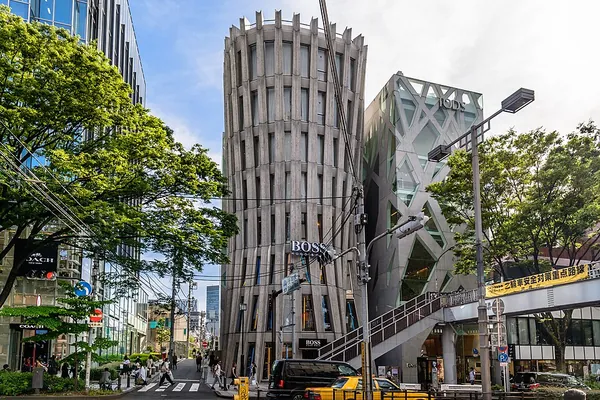
TOD's Omotesando Building in Tokyo, Japan, is a striking example of Toyo Ito's innovative architectural design. Completed in 2004, this building is a masterpiece of urban integration, showcasing a unique blend of functional retail space and artistic expression.
The building's façade, characterized by a pattern of interlocking concrete and glass, resembles a tree's branching structure, symbolizing the harmonious coexistence of nature and urban environment.
This design not only provides structural support but also creates a distinctive aesthetic that sets the building apart in Tokyo's bustling Omotesando district. TOD's Omotesando Building reflects Ito's commitment to pushing the boundaries of traditional architecture, merging aesthetic elegance with modern urban sensibilities.
Meiso no Mori Municipal Funeral Hall
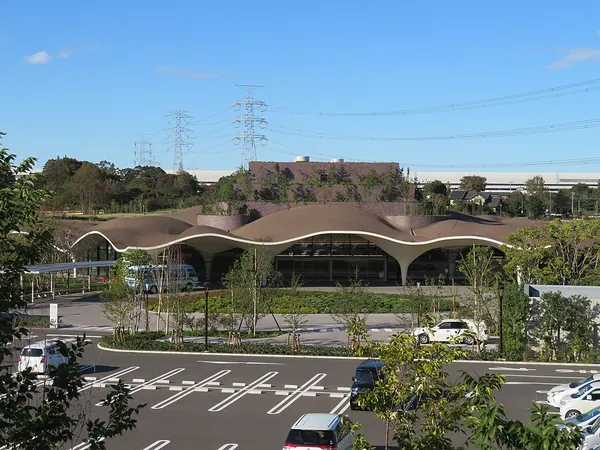
The Meiso no Mori Municipal Funeral Hall in Gifu, Japan, completed in 2006, is celebrated for its fluid and organic form that harmonizes with the surrounding landscape.
This funeral hall, with its sweeping curves and undulating roof, creates a serene and contemplative space, reflecting the solemnity and dignity of its purpose. The design's use of light and reflection, coupled with its seamless integration into the natural environment, makes it more than just a building; it becomes a place of peace and introspection.
Ito's ability to create a structure that both respects and enhances its intended use is evident in this project, showcasing his talent for blending functionality with profound architectural expression.
Tama Art University Library
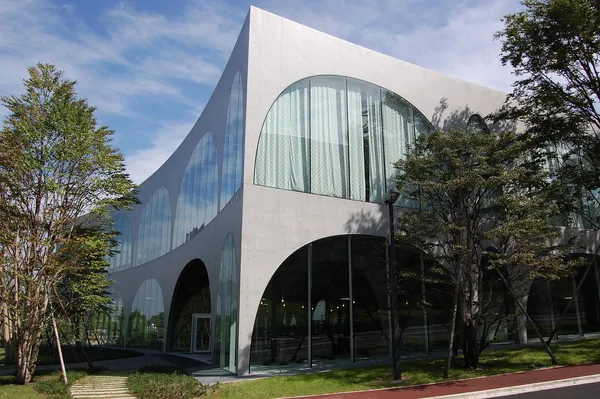
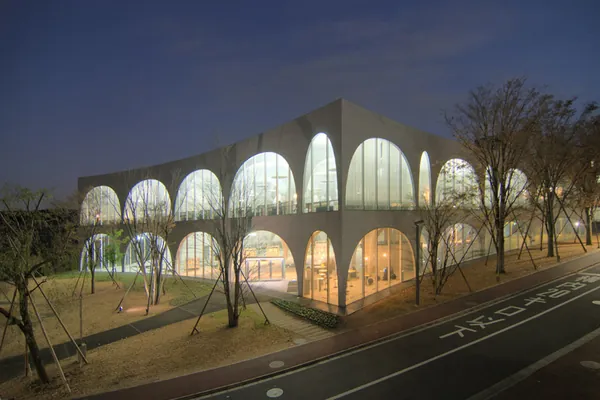
Moving from the serene elegance of Meiso no Mori Municipal Funeral Hall, we turn our attention to Tama Art University Library, a testament to Toyo Ito's innovative approach. This library stands out with its emergent grid and sweeping concrete arches that create a space both open and interconnected.
Architects admire how it reflects minimalist architecture while incorporating advanced technology.
Toyo Ito & Associates skillfully fused Japanese cultural elements with modern techniques in this project. They reimagined traditional forms using contemporary materials, crafting an environment that supports learning and creativity.
The use of natural light within the structure showcases their commitment to integrating buildings with nature—one reason why this library is celebrated as an architectural innovation.
Za-Koenji Public Theatre
The Za-Koenji Public Theatre, established in 2008 in Tokyo, Japan, is a prime example of Toyo Ito's vision for cultural and community spaces. The theatre stands out for its striking architectural design, which embodies Ito's penchant for creating dynamic and fluid spaces. Its bold, contemporary exterior makes a significant visual statement in the Koenji district, a hub for creativity and artistic expression. The design of the theatre reflects Ito's commitment to fostering community engagement and interaction through architecture.
It has become a beloved landmark in the area, not just as a performance venue but also as a communal space, encouraging local participation and cultural exchange.
The Za-Koenji Public Theatre exemplifies Ito's ability to blend form with function, creating a space that is both aesthetically pleasing and deeply rooted in the social fabric of the community.
National Taichung Theater
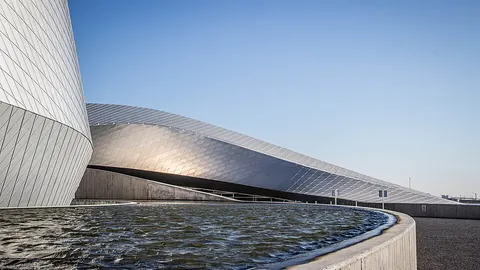
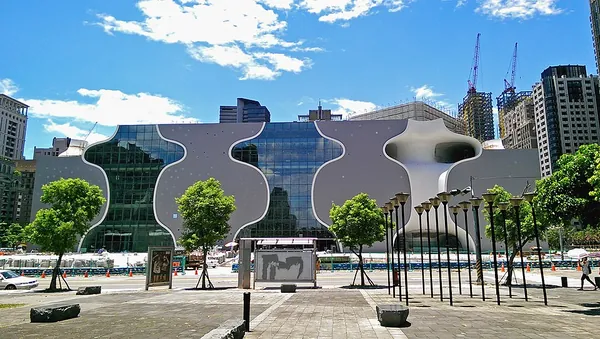
The National Taichung Theater in Taiwan is a monumental feat in contemporary architecture. Completed between 2009 and 2016, this structure is renowned for its innovative and organic design. The building, often likened to a cave or a series of undulating waves, represents a significant departure from conventional theater designs.
Its unique form challenges traditional notions of space and structure, featuring continuous, curved walls that create a seamless flow between interior and exterior spaces. This design approach not only enhances the acoustic experience within the theater but also makes the building itself an artistic spectacle.
The National Taichung Theater stands as a testament to Ito's visionary approach, merging functionality with avant-garde aesthetics to create a space that is both a cultural landmark and an architectural masterpiece.
Influence and Contributions to Architecture
Toyo Ito & Associates, Architects have made a profound impact on the field of architecture, both in Japan and internationally.
The firm's projects, from the Sendai Mediatheque to the National Taichung Theater, exemplify a commitment to creating spaces that are not only functional but also deeply engaging and aesthetically compelling.
This approach has garnered international acclaim and awards, cementing Toyo Ito & Associates' status as a beacon of architectural innovation and inspiration.
Rhino for Architects Course
Give your architectural skillset a major boost with the Rhino for Architects Course. Get over 60 hours of focused training tailored specifically for architects. Master commands and techniques to model, render, and animate architectural visualizations at the highest level. Click below for more information and watch your designs come alive!