Are you curious about sustainable architecture and the future it holds? Get familiar with WOHA, a leading architectural firm renowned for its energy-efficient designs. This article offers an in-depth look at WOHA's architectural projects, highlighting how they are paving the way for a sustainable future in architecture. Let’s delve into their world of innovative green buildings!
Key Takeaways
- WOHA is a big design company from Singapore. They make buildings that are good for our Earth.
- Their work has won many awards like the President's Design Award in 2023 and the Green Good Design Sustainability Award.
- Some of their best works include Kampung Admiralty, Sky Green Development, and Oasia Downtown.
- They have more eco-friendly projects coming up like Forbes Residences and NS Square.
Overview
WOHA is a big name in the world of design. This company comes from Singapore and has made its mark all over the world. It was started by Wong Mun Summ and Richard Hassell, back in 1994.
Their focus has always been on fresh designs that are also good for our planet. WOHA's work can be seen in a book called "WOHA: New Forms of Sustainable Architecture". The book not only shows their great work but also includes smart ideas about sustainable architecture.

Achievements and Awards
WOHA's innovative and eco-friendly architectural designs have garnered international recognition, including the prestigious President's Design Award in 2023. Its numerous other accolades highlight the firm's committed efforts toward sustainable architecture.
Recent Awards
They got the Green Good Design Sustainability Award in 2023. WOHA's hard work in architecture was seen by all in 2021. Their work is green and good for the planet.
The award shows just how much WOHA cares about our world. They are leading the fight against climate change with their designs. The President's Design Award values this kind of thought. It gives praises to those making positive changes at home and around the globe.
Notable Awards Over the Years
WOHA has won big awards many times over the years. In 2022, their unique designs took home the Design of the Year at the SIA Architectural Design Awards.
The President's Design Award was theirs in 2021 for helping to make buildings safe and clean for our world. WOHA's work also won respect from across the globe with awards such as the RIBA Lubetkin Award and Aga Khan Award for the Met Tower, in Thailand.
Architectural Style
WOHA's architectural style brilliantly merges practicality and invention, skillfully blending local context with contemporary trends to create structures that are not only visually captivating but also sustainable.
Integration of Local Context with Contemporary Trends
WOHA makes a cool mix of local culture and new patterns in their designs. They look at the town around them to pull out ideas, which helps them make buildings that fit right into the environment where they are built. It is a way to keep the old while adding new things.
They also use smart tools like biophilic design in their work. Biophilic means reaching for nature, even inside an urban place! By complying with the principles of biophilic design, WOHA can help cool down towns and respect the Earth as well.
Unique Fusion of Practicality and Invention
WOHA stands out with its clever mix of useful and new ideas. Their work shows an inventive approach to design. They think about how each building can be useful. But they also keep the designs fresh and exciting.
This blend makes their projects special. Every project is a creative solution for sustainable architecture that is good for our world. The team always keeps in mind to create sustainable places that people love being in.
WOHA's goal is clear: build for a better and green future with regenerative design, using eco-friendly ways in varied settings.
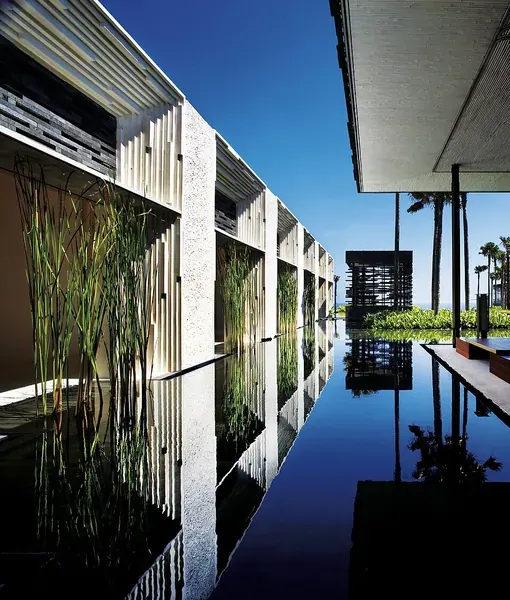
Notable Projects
WOHA's portfolio boasts remarkable projects like Oasia Downtown that merges ecology with commercialism, and Iluma Singapore, where digital media blends smoothly with architecture.
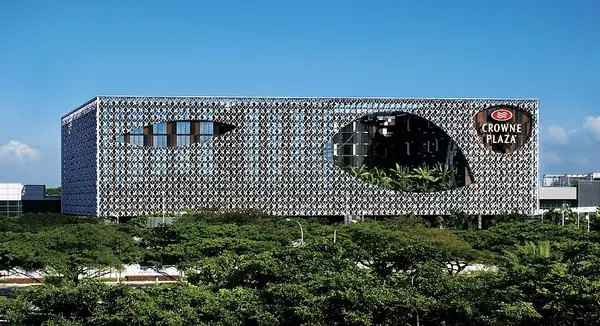
Crowne Plaza Changi Airport
Crowne Plaza Changi Airport is an award-winning hotel seamlessly connected to Singapore Changi Airport's Terminal 3. This hotel transcends typical airport accommodation, offering a tranquil, resort-like oasis for travelers.
Its most iconic feature is the intricate, orchid-like filigree facade that envelops the building, providing both shade and a stunning visual identity. Inside, lush courtyards, open-air corridors, and water features promote natural ventilation, embodying WOHA’s commitment to sustainable, biophilic design.
Recognized globally as one of the world's best airport hotels, it masterfully blends innovative architecture with unparalleled convenience. It stands as a prime example of tropical modernism and guest-focused design.
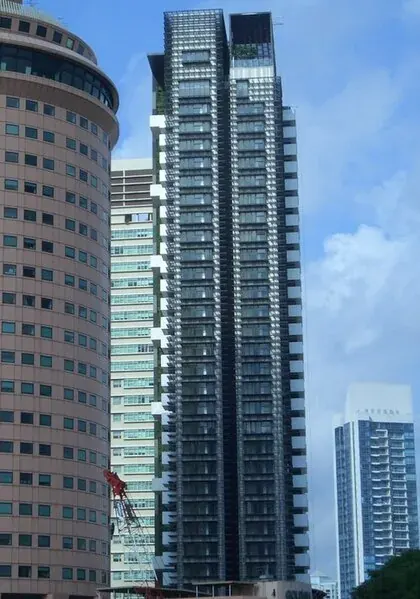
Newton Suites, Singapore
A landmark in sustainable residential design, Newton Suites in Singapore is a pioneering project by WOHA Architects. This innovative high-rise tower set a new precedent for tropical urban living by seamlessly integrating nature into its very structure.
As a forerunner to many of WOHA's later green masterpieces, Newton Suites is celebrated for its extensive vertical greenery, with lush creepers, trellises, and sky gardens forming a living facade.This biophilic design is not just aesthetic; it acts as a natural cooling system, reducing energy consumption and enhancing residents' well-being.
Winner of the prestigious Aga Khan Award for Architecture, Newton Suites is more than just an apartment building; it is a globally recognized blueprint for how high-density living can be both beautiful and environmentally responsible.
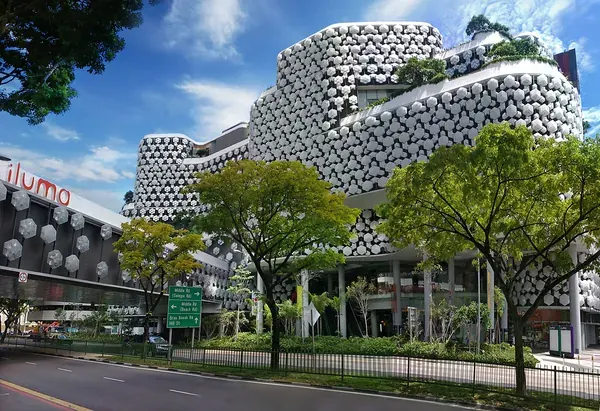
Iluma, Singapore
A groundbreaking fusion of architecture and digital media, Iluma in Singapore was a visionary retail and entertainment complex. Now rebranded as Bugis+, its legacy is defined by its iconic kinetic media facade.
The building showcased a stunning dual personality: a masculine, faceted "crystal mesh" facade on one side created a dazzling, programmable light display, transforming the structure into a vibrant urban canvas. This contrasted with the softer, curvilinear "feminine" facade on the other.
As a beacon in the bustling Bugis arts district, Iluma was more than a shopping mall; it was an interactive public art installation. This innovative project by WOHA set a new benchmark for expressive commercial architecture, demonstrating how a building's skin could become a dynamic interface for communication and art. Its influence on interactive and media-integrated facade design remains significant in contemporary architecture.
School of the Arts, Singapore
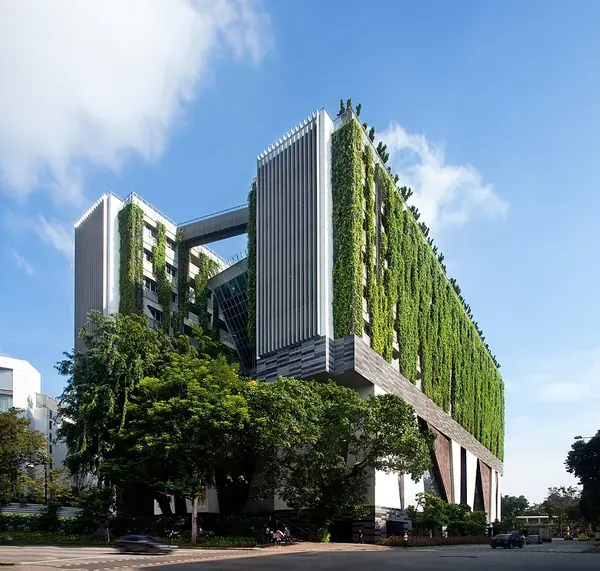
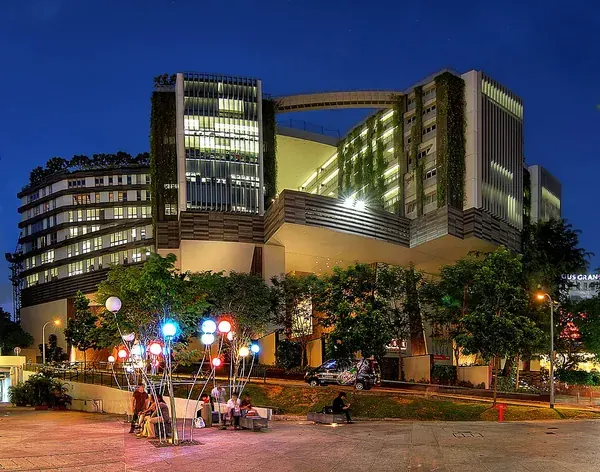
Singapore's School of the Arts (SOTA) is a landmark achievement in educational and sustainable design. Masterfully engineered as a "machine for wind," the building champions natural ventilation in a tropical climate.
Its distinctive, porous facade and a vast, sheltered breezeway at its core are designed to harness wind currents, creating a cool and comfortable environment for learning and creativity.This "campus-in-a-building" features an elevated public podium that seamlessly connects it to the vibrant Bras Basah-Bugis arts district, inviting the city into its creative heart.
With its integrated green walls and open-air communal spaces, SOTA is not just a school but a living, breathing prototype for tropical architecture. It stands as a powerful example of how innovative design can foster a dynamic educational atmosphere while minimizing its environmental footprint, making it a global benchmark for arts institutions.
Oasia Downtown
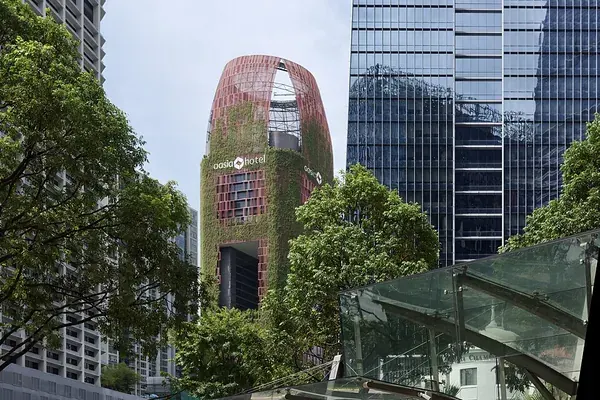
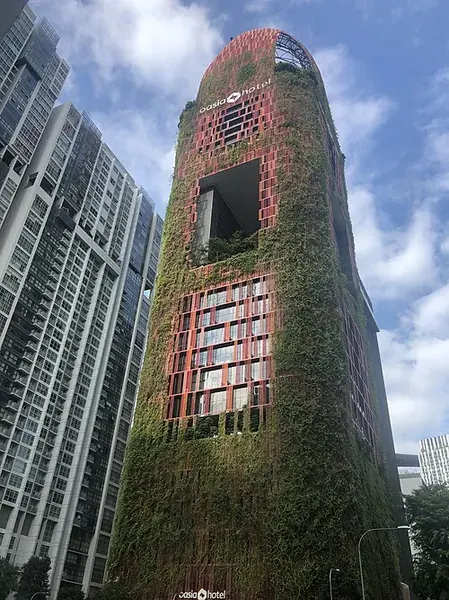
A vibrant green icon against Singapore's skyline, the Oasia Hotel Downtown is a revolutionary "living tower". Its most defining feature is the striking red aluminum mesh facade, which serves as a massive trellis for 21 species of climbing plants. This biophilic design transforms the skyscraper into a breathing vertical garden, offering a habitat for birds and insects while vastly improving air quality.Rejecting the sealed-box model, WOHA carved out monumental sky terraces that act as breezy, communal verandahs in the sky.
As a landmark project in sustainable architecture, Oasia Hotel Downtown provides a compelling blueprint for how high-density urban developments can coexist with nature, creating a healthier and more humane cityscape.
Current Trends and Upcoming Projects
WOHA architects are paving the path for a greener urban future with their upcoming sustainable projects like Forbes Residences and NS Square, manifesting innovation while pushing the boundaries of environmental sustainability.
Bio-based insulation and carbon-storing building materials, and bright glass tech play big roles in their design plans, paving the way for the development of carbon-negative architecture.
This way of building houses or skyscrapers is a revolution that makes our lives better and safer for the future too!
Singapore Institute of Technology
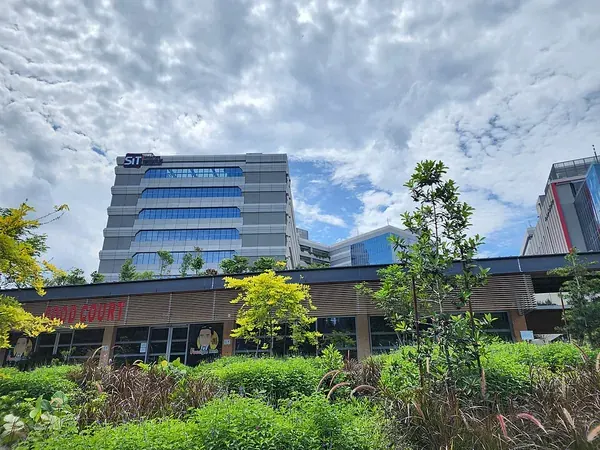
Work is underway at the Singapore Institute of Technology. The new campus screens a tropical style and supports green building ways.
The school takes on big tasks in large cities. They look into how to build while being kind to our earth. Working with WOHA, they want to help grow green design works in Singapore and beyond.
Their new home base will set an example for future city schools to go green.
WOHA shines bright in the world of design. Their work shows us how buildings can be good for both people and our Earth. They make a mark around the globe with their eco-friendly plans. The future is promising as they continue to build in ways that help protect our planet.
FAQs
1. What makes WOHA's architectural projects sustainable?
WOHA's projects are sustainable because they use green designs, save energy, and recycle water.
2. How does sustainability drive WOHA’s designs?
Sustainability drives WOHA's designs by making them focus on using natural light and ventilation, saving water, and treating waste right at the site.
3. Can other architects learn from WOHA’s approach to sustainability?
Yes, other architects can learn a lot about how to create eco-friendly buildings from WOHA’s approach to sustainability.
4. Are all of WOHA's projects based on sustainable architecture?
While most of their work focuses on sustainable design methods, not every project of WOHA is fully centered around sustainable architecture.
5. Why is it important for architectural projects to be sustainable like those of WOHA?
Having sustainable architectures like those of WOHA is important as it helps our planet by saving resources and reducing pollution.
Rhino for Architects Course
Give your architectural skillset a major boost with the Rhino for Architects Course. Get over 60 hours of focused training tailored specifically for architects. Master commands and techniques to model, render, and animate architectural visualizations at the highest level. Click below for more information and watch your designs come alive!