Understanding the transformation of architecture firms over time can be quite challenging. Woods Bagot stands as a testament to longevity and innovation in the architectural world since its inception in 1869.
In this article, we'll dive into how Woods Bagot has shaped and adapted its practice through the changing times, offering inspiration for architects who aim to leave a lasting impact.
Discover an enduring legacy that continues to unfold even after 150 years.
Key Takeaways
- Woods Bagot started in 1869 and now works globally from 17 studios, with a focus on building designs that fit the future.
- The firm doesn't stick to one style but uses many ideas for each project. They think about how people will use spaces when they design them.
- Leaders like Nik Karalis and stars in different fields drive the firm's success, showing expertise in various types of buildings.
- Their projects win awards for blending good looks with smart functions, always thinking about saving energy, and being kind to our planet.
- Looking ahead, Woods Bagot uses tech and green design ideas to make cities better for the future, considering new ways people might live and work.
Overview of the Firm's History
Established during a period of rapid urban transformation, Woods Bagot has roots stretching back to 1869, with its rich history mirroring the evolution of modern architecture. The firm's journey from an Adelaide-based studio to a global architectural powerhouse encapsulates a legacy of design innovation and cultural influence.
Beginnings
Woods Bagot started creating buildings back in 1869. Right from Melbourne, Australia, they grew into a big name across the world. Now, they've got teams working in 17 studios over six regions.
This company doesn't just stick to one way of making buildings—they share ideas and designs together. They're experts at architecture, interior design, and planning out whole areas and cities.

Architectural Philosophy
Building upon a rich history, Woods Bagot has developed a design philosophy that stands out in the architecture world. This studio believes that each project is unique, with no one-size-fits-all solution.
They take pride in not being tied to a signature style. Instead, they focus on multi-authorship practice. This means they gather ideas from many designers to create buildings that are truly different and fit each client's needs.
Their approach goes beyond just aesthetic appeal. Wood Bagot architects think about how spaces work for people who use them every day. They explore data to guess how human behavior might change over time and plan their designs around this idea.
Their goal is to create places that are not only beautiful but also make sense of future needs, encourage positive social interaction, and care for our planet by being sustainable.
Leading Figures
Woods Bagot has grown strong and bold. This is thanks to the smart leaders at its helm. Edward John Woods and Walter Bagot lit the first spark in 1869. Now, Nik Karalis guides the firm as CEO and Principal Architect with a clear vision for design excellence.
The studio boasts stars like Maureen Boyer, who leads with creativity in San Francisco. Domenic Alvaro shapes dreams into high-rises as a Residential Sector Leader. In offices worldwide, Christina Cho crafts spaces where ideas fly high.
Education projects get smarter under Georgia Singleton's watchful eye, while Stephen Jones ensures airports are places travelers enjoy passing through. With talents like Amy Wu and Gavin Crump on board, every project becomes a chance to leave a mark on cities around the globe.
Key Characteristics of Woods Bagot's Architectural Style
Woods Bagot's architectural style is a reflection of their century-spanning legacy, marked by an innovative fusion that prioritizes the human experience within the design. Their masterful integration of form and function emerges not only as visually striking but also in constant dialogue with sustainability and societal needs, showcasing an enduring commitment to thoughtful architecture.
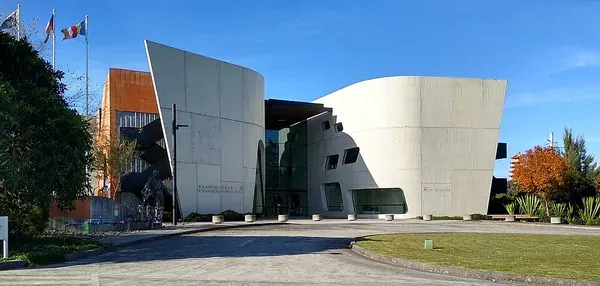
People Architecture Approach
Woods Bagot makes buildings with people in mind. They work with clients, communities, and other designers to create spaces that matter to everyone. This "People Architecture" approach is all about making places where people love to be. It combines the needs of those who will use the building with a beautiful design.
The studio doesn't follow just one way of making buildings. Instead, it chooses ideas from many different ways of thinking. With this method, they make sure every space fits its purpose perfectly and looks good too.
Woods Bagot's architects listen closely to what clients need and want. Then they use their skills across many areas like science, art, and business to make these ideas real.
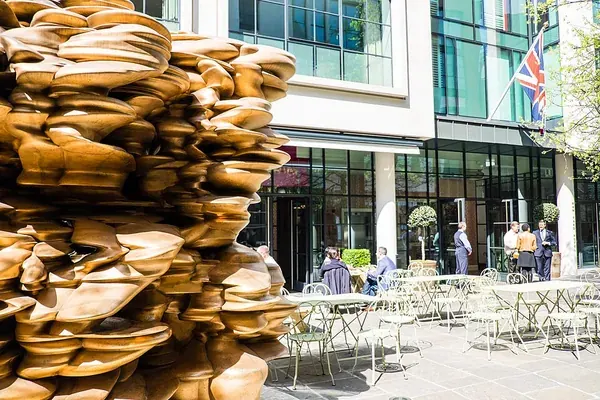
A blend of functionality and aesthetic appeal
Woods Bagot makes buildings that work well and look good. They take care to create places where people like to be, combining the building's job with beauty. Their designs think about how spaces will be used and make sure every part has a purpose. At the same time, they don't forget to add creative touches that catch your eye.
Their approach puts people first. They study what folks need and want in their surroundings. Then they use this knowledge to design buildings that not only serve a practical role but also contribute positively to the way cities look and feel.
This means their projects are both useful and attractive, making them fit perfectly into city life while standing out as works of art on their own.
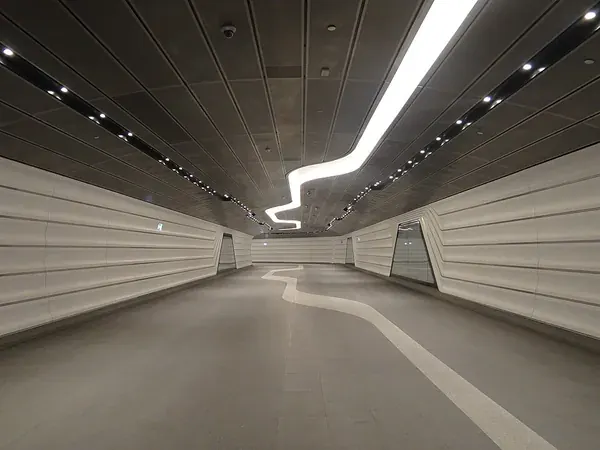
Sustainability efforts
Woods Bagot takes care of the earth by designing buildings that are good for people and nature. They help fight climate change with every project they do. This means making sure buildings use less water, energy, and materials that can be reused.
Their designs include things like solar panels to make clean energy and green roofs that keep buildings cool. They also work with clients and communities to understand what they need. Together, they create spaces that respect the land and history of a place.
Woods Bagot uses smart technology to make their designs even better for the environment. For example, they might choose a special glass that keeps heat in or use computer programs to find out how much sunlight a building will get. Their plans always think about tomorrow, aiming to build places where people can live well without hurting our planet's future.
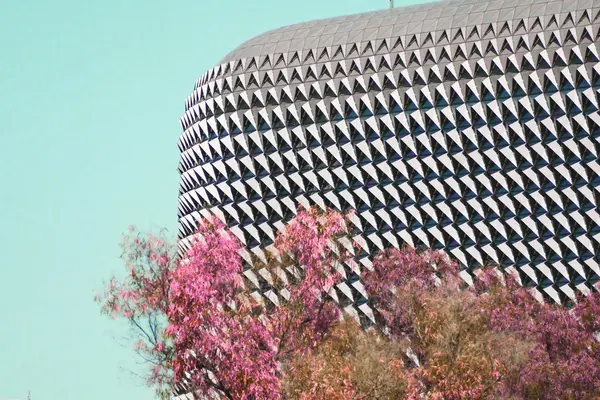
Notable Projects and Achievements
Woods Bagot's legacy is reflected in the innovative design and worldwide acclaim of their iconic structures, laying bare an evolution that insists on reshaping skylines across continents—discover more about their groundbreaking work.
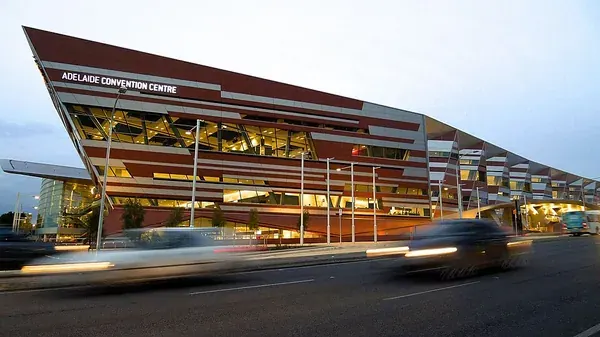
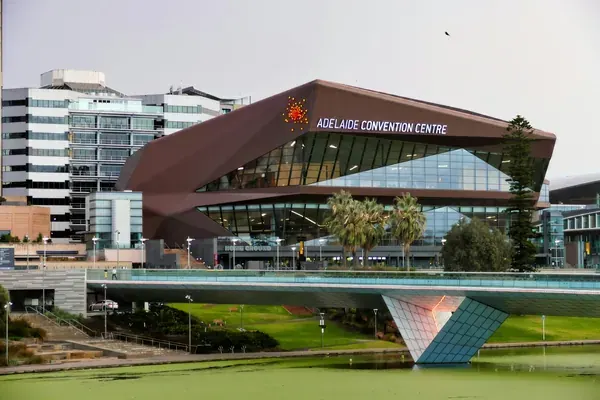
Adelaide Convention Centre
Woods Bagot made their mark with the Adelaide Convention Centre, showing off their skill in creating spaces that bring people together. They designed this conference center to be more than just a building; it's a place where community and sustainability meet.
Their work here earned them praise and awards like the Interior Design 2023 Best of Year Award.
The team used smart design to make sure the center did its job well but also looked great. It's not just about having big rooms for events; it’s how those spaces make people feel and connect.
Woods Bagot worked closely with clients and locals to make sure everyone was happy with the result. And they did all this while caring for the environment, making sure that their designs help protect our planet for years to come.
SAHMRI building
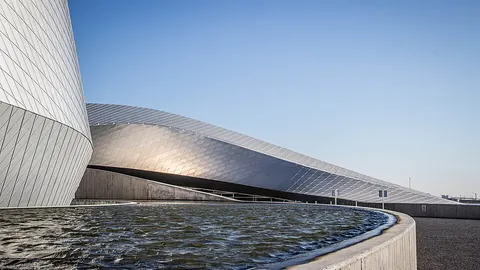
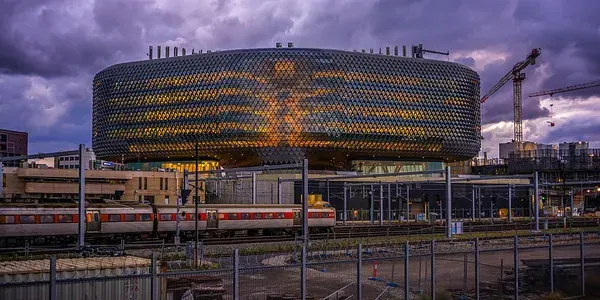
Moving from the Adelaide Convention Centre, another standout project is the South Australian Health and Medical Research Institute building. Designed by Woods Bagot, this structure shows how architecture can help our planet. It stands as a shining example of sustainable and innovative design in action.
Made with energy-efficient strategies, it's a smart choice for the environment. The building doesn't just look great; it works well too. The SAHMRI building has made Woods Bagot known for pushing climate-friendly construction forward. Its eye-catching design includes features that save water and energy. This helps keep our air clean and cuts down on waste.
Architects admire this project for its clever mix of beauty and eco-friendly moves that make buildings better for everyone.
Greenland Centre
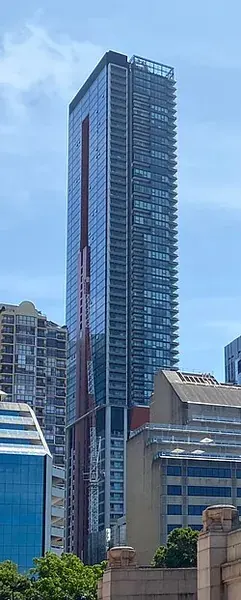
Redefining the Sydney skyline, the Greenland Centre by Woods Bagot stands as a landmark example of sustainable high-rise innovation. This project is not just one of the city’s tallest residential towers; it is a triumph of adaptive reuse.
Rather than demolishing the site's existing 1960s steel structure, the architects preserved the original frame, significantly reducing the building's embodied carbon and preventing massive construction waste.
The tower creates a unique micro-climate through its signature "Sydney Balconies"—hermetically sealed glass verandas that act as a protective environmental skin. These indoor-outdoor spaces allow for natural ventilation while shielding residents from high-altitude winds and noise, drastically lowering reliance on artificial climate control.
By merging luxury living with strict environmental efficiency, Woods Bagot has delivered a forward-thinking solution for dense urban environments, proving that architectural preservation and modern sustainability can coexist in the heart of the CBD.
Funan Mall
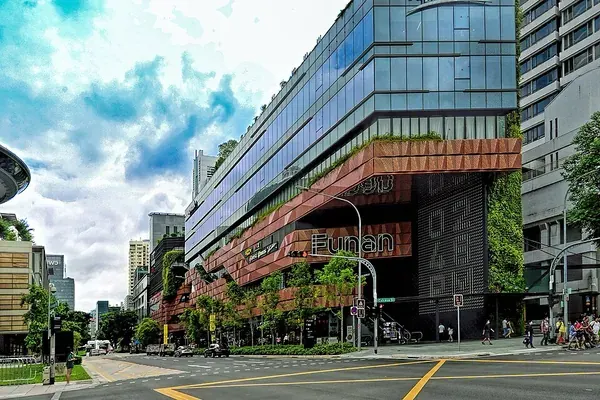
A modern shopping experience, Funan Mall in Singapore is a groundbreaking model of experiential retail architecture. This futuristic mixed-use development moves beyond traditional commerce, functioning as a vibrant "civic hub" that seamlessly integrates technology, sustainability, and community living.
At the heart of the design is the "Tree of Life," a six-story timber and steel structure that encourages vertical exploration. Uniquely, the building features an indoor cycling path that allows commuters to ride directly through the mall, alongside a massive 5,000-square-foot rooftop urban farm that supports local food security. Achieved with a Green Mark GoldPlus certification, the project emphasizes environmental efficiency through intelligent cooling and lighting systems.
By blending co-working, co-living, and leisure spaces, Woods Bagot has transformed Funan into a connected lifestyle destination, setting a new global benchmark for how urban density can foster social interaction and wellness.
Bodi Center
Standing as a striking new gateway to Hangzhou’s Qianjiang Century City, the Bodi Center exemplifies the future of sustainable high-density urban design. This landmark mixed-use development integrates Grade-A office spaces, a luxury hotel, and boutique retail into a cohesive architectural ecosystem.
The project is distinguished by its central "Green Lung," a lush landscaped podium that provides a vital breathing space for workers while mitigating the urban heat island effect. Achieving both LEED Gold and China’s Green Building 3-Star rating, the towers utilize high-performance glazing and passive shading to maximize energy efficiency without sacrificing panoramic city views.
By prioritizing pedestrian connectivity and ecological wellness, Woods Bagot has created more than just a workplace; the Bodi Center is a thriving community hub that harmonizes commerce with nature in one of China’s most dynamic business districts.

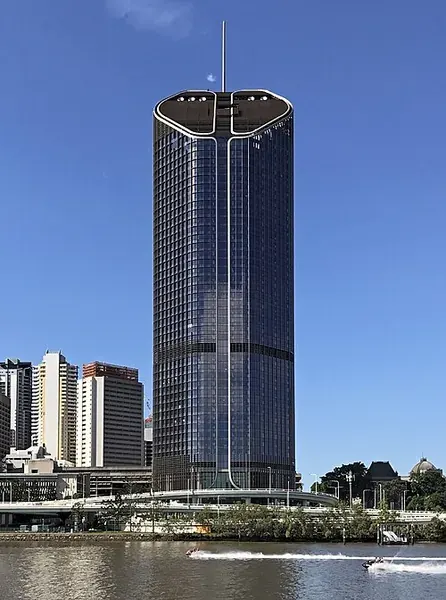
1 William Street
Dominating the Brisbane skyline with its iconic flowing spire, 1 William Street represents a radical shift in public sector workplace design. Woods Bagot conceptualized this tower not merely as an office, but as a symbol of transparency for the Queensland Government.
Moving away from insular, siloed departments, the interior layout prioritizes visual connectivity and agile working, centered around a luminous atrium that draws natural light deep into the core. The building creates a deliberate dialogue with the adjacent City Botanic Gardens, channeling a subtropical aesthetic through organic forms and reflective glazing.
Environmentally, the project serves as a high-performance model, securing a 5.5 Star NABERS Energy rating and a 5 Star Green Star certification through advanced solar shading and energy-efficient systems.
By merging civic responsibility with architectural ingenuity, 1 William Street revitalizes the river’s edge while fostering a collaborative culture for thousands of public servants.
Trending Topics and Future Directions
Woods Bagot stays ahead by tuning into the latest topics and setting sights on what's next. They mesh new tech, cultural values, and green thinking into their work. Woods Bagot dives deep with data analysis to see where people will go and how they'll live in the future.
The firm teams up with everyone: clients, locals, and other thinkers to make better buildings. Saving our planet matters. Woods Bagot designs with this in mind, using ideas that help the earth. Eyes are on projects like Siranna, Neom for hints at where the studio might build next.

Grasshopper Complete Course
Give your architectural skills a boost with the Grasshopper Complete Course. Get over 50 hours of comprehensive Grasshopper training tailored for architects. Learn to generate and iterate designs faster. Click below for more information and streamline your workflows!