
This article is the full package to “HOW TO BECOME AN ARCHITECT”.
You will get the full picture - from architecture schools to job opportunities, along with different architecture sub-categories. I don’t want to be biased. It’s your decision after all!
When I was a university student, I remember us, architecture folks goofing around in front of the faculty. Why? We wanted to convince the “newcomers” not to get caught in our misery. Yes, we called it misery. Architecture is tough, I admit!
What is architecture and how to become an architect?
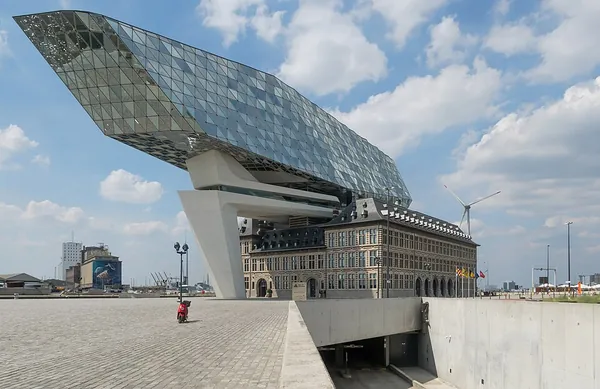
When you ask what architecture is, you’ll probably hear the following: It is the science of buildings applied to real life in an artistic manner. It is the designing of different types of buildings, from public ones, such as office buildings, to private residential villas.
It is the study of safety and the functionality of buildings while taking into consideration different global matters, such as sustainability, climate change, economy, and more.
The truth is, it is all of these combined.
What does an architect do?
If you are checking out a “how to become an architect” article, it means you might have a general idea about architecture. But you might also find some interesting info you didn’t know before! So, an architect is a normal human being with extra powers (you’ll learn why later on) that designs buildings, public spaces, and more.
It goes like this. A client comes to an architect with a certain budget and a piece of land he owns. The architect first analyzes the land a.k.a the terrain or site. They study the wind affecting the site, the Sun path, the soil, the existing vegetation, ways in and out of the land. Basically everything related to the land.
Once that is done, the architect proposes the general shape of the building. They even test multiple proposals using models. At this point, they have several meetings with the client to set everything straight.
Once the general design idea is agreed upon, along with conceptual plans, the architect starts drafting technical drawings (plans, sections, elevation, etc.) and modeling the 3D proposal using Cad technology and other programs. It doesn’t end there.
The architect also has to follow a certain protocol the government sets in order to get an official construction license, check the site to make sure workers are on time, etc.

Trust me, I know it sounds like too much, and honestly, sometimes it is overwhelming.
However, there’s no better feeling than designing a space and actually seeing it in reality, and seeing how people are enjoying the space and the design. It is so satisfying!
As an architect, you affect people’s lives! I’ll give you one simple example. As an architect, you can design a narrow and long corridor that users will keep cursing you for because of how bad it makes them feel. The same corridor can be manipulated in the design process and made larger, with greenery, and it would make people want to pass through it every day.
Here, you should know that there are some rules, like “Construction Codes” and laws every city sets. These include certain constraints the architect has to obey. For example, using stone as an external material in rural areas.
Architecture is not for everybody and how do you become an architect today?
Architecture may be, for some, the best thing that happened to them.
For others it may be their worst nightmare. They might even drop out of architecture school for the following reasons.
The thing is, to become an architect, you don’t study by heart, do the test and that’s it. There are many challenges you’re going to have to face in architecture school. Architecture is very demanding and requires long hours of work, so we pull a lot of all-nighters. And sometimes, ideas don’t roll out smoothly. So expect some tears and long hours of problem-solving.

Also, as an architecture student, you have to convince all your professors of the quality of your design, which is not as easy as it sounds. Some professors may be very harsh on you with their comments, so you'll need to learn to see the positive side of the criticism and don’t let it crush your feelings and determination.

As we already mentioned, architects use computer-aided technology.
So if you’re not into such things, then you’re not quite going to like it. Besides, architecture supplies are somewhat costly, so you can expect some extra expenses.
On the bright side, a lot of universities provide scholarships. I truly believe that if you are reading this, it means you are interested, and trust me, it’s totally worth it.
A while back, I read a book called “The Seven Habits of Highly Effective People” by Stephen R. Covey.
In one of the chapters, he said: “We must look at the lens through which we see the world as well as the world we see” because “the lens shapes how we look at the world and interpret it”.
So, positive people live longer. And graduate from architecture school.

Career and opportunities:
In this section, we’ll answer the questions you’ve probably been asking yourself.
- Job Title:
As an architect, you can either work as an employee in a firm or work independently. And what's perhaps more interesting, as an architect you can work locally or overseas. - Working Hours:
If you choose to work in a firm, it's usually the typical 8 hours of work. However, architects tend to work extra hours if deadlines are coming up, so you can expect longer working hours. - Work Environment:
Again, as an office employee, you’ll be working in a co-working space and most probably work on the same project with some co-workers. Architecture firms often have studios and open workshops. - Salary:
It is important to know that architecture is highly influenced by the global economy. Let’s face it, if people don’t have money, they can’t hire someone to design or build anything. But, according to the U.S. Bureau of Labor Statistics, some architects earn an annual median wage of $80,750. But what is the median wage you might ask? The median wage means that half of the architects earned more and half earned less. The lowest 10 percent earn less than $48,700, and the highest 10 percent earn more than $137,620. We have a detailed article on Architect's Salary as well, so feel free to check it out.
If you still like what you are reading, it means you have to head right away to an architecture school and sign up for the next semester.
But, to become an architect, there are several steps you need to take.
How to become an architect ?
There are 6 steps to do so.
- Earn a bachelor's degree from an accredited institution.
- Do an internship.
- Get a license.
- Apply for an architect position.
- Acquire professional certifications.
- Consider a master's degree.
What follows is an explanation of each of the above-mentioned steps.
Bachelor's degree
It's a five-year undergraduate degree. Throughout those five years, students study the history of architecture, take design, drafting, the theory of architecture, structure, construction and computer-aided design courses, and many more. Experts believe that the BArch is the fastest choice to get you that architect tag, and the least expensive as well.
Internships
During the five years of studies, universities also require students to undergo multiple architectural trainings (internships). This experience allows students to put their knowledge and skills into practice.
Since trainees are closely monitored by licensed architects, they gain real professional experience. They learn how to design, prepare documents, learn building codes, prepare bills of quantities, and so much more. Internships are often mandatory to get a license in architecture.
Licenses
Getting a license is a prerequisite to start calling yourself an architect and work in the field. Unlicensed architects are called designers. Architecture is a highly regulated profession. Architects should abide by construction laws while providing comfort for the end-users.
To get the license, students need to acquire thei BArch degree, as well as adequate experience, present their certifications to a specific registration office and complete a professional licensure examination.
Applying for positions
When it comes to positions, the architectural field provides many opportunities.
Whether you're in an architectural firm, a private firm, whether you're a partner or an associate in an international firm, or you simply work as an independent freelancer - keep reading.
We'll be covering a lot of architecture career choices later in the article.
Professional certifications
Architects should always get involved in workshops to stay up to date with new materials, techniques, and more. Attending workshops and getting certificates is not required but it will increase the odds of you getting employed.
Master of Architecture (MArch) for graduates:
As with any other majors, people hope to get better positions and to further expand their knowledge. This is an option for architects who want to switch from design to architecture-related fields or those wishing to teach or do research. According to experts, it usually takes two or three years to complete.
In some countries, students who are unsure about their choice have the chance to pursue a four-year college degree in architecture or some other field instead of BArch, and they can later supplement their undergraduate education with a master's in architecture, no matter their college major.
Doctoral programs (Doctor of Architecture a.k.a DArch) in architecture are not at all mandatory to be an architect. They do, however, give an advantage to those seeking an extremely advanced level in architecture or those looking to become academics.
Types of architects
Now we’ve come to the best part.
It’s true that you’ll undergo 5 years on average of hard work, but architecture is a vast major. When you become an architect, you have a lot of positions you can pursue with that major.
Not all architects focus on design. Some architects enjoy the technical aspects of the project and decide to becomeTechnical or Planning architects. Other architects enjoy the construction process and choose to besite architects or construction inspectors.
Some even specialize in specific types of projects like sustainable projects, airports, skyscrapers, etc.
As an architect, you can also specialize in restoring and preserving
historic buildings or national heritage. Such architects study restoration or archeology. In this area, the list goes on and on, but don't worry, we’ll explain some of the possibilities in order to help you set your future goal.

- Landscape architects:
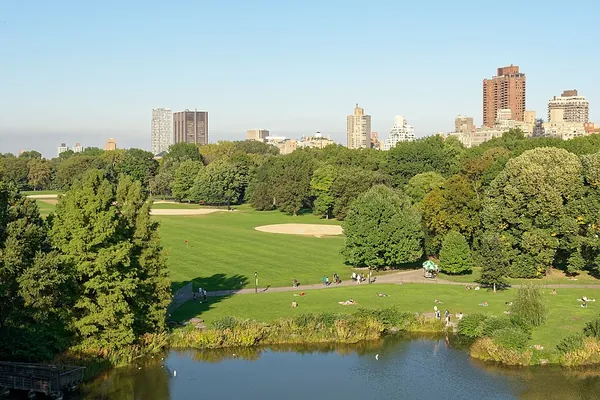
A landscape architect designs natural environments like gardens, infrastructure, public areas, urban spaces, etc. Landscape architects take into account sustainability laws and measures, as well as environmental issues.
- Lighting architects:
Lighting specialists analyze the space and recommend the right illuminating technique to promote health and well-being. In fact, office lighting is different than that of a residential apartment, which differs from the lighting in, for example, museums. - Drafters:
Drafters specialize in drafting technical drawings without getting into the design process. - Research architects:
They look for new building techniques and digital tools that make the work process easier, etc. - Extreme architects:
They study the right building techniques and designs for extreme environments. - Industrial designers:
Some architects specialize in designing home appliances and products. - Urban planners:
They shape the physical community and provide habitat solutions taking into consideration the rapid construction growth and how it affects urban areas. - Architecture photographers
All in all...
Architecture is a tough major, we understand. You might face a lot of troubles.
But a point in defense of architecture - it's a very rewarding major.
It is not just the major that you choose, but rather, this is a lifetime decision of personal change and personal growth. It holds a lot of career possibilities. You can never go wrong in architecture. It is an ever-evolving field where everyone can find their place.
To sum it up, as Zinder, an architect and managing partner with the JZA+D architecture firm in New Jersey, says:
"If you're a young person and you walk into a room and you go,"Wow, that's a great space"; and if you are a young person walking down the streets of a city and you have to pull out your camera because you see how buildings are aligning and how the banners on the buildings are aligning and how the sun is setting on the edge and you have to take that picture, well then architecture is something you should consider."
I hope I answered all your questions through this article and gave you the necessary information on how to become an architect. Now, the decision is yours!

Rhino for Architects Course
Give your architectural skillset a major boost with the Rhino for Architects Course. Get over 60 hours of focused training tailored specifically for architects. Master commands and techniques to model, render, and animate architectural visualizations at the highest level. Click below for more information and watch your designs come alive!

![Architects’ Tools [33 Most Important Ones You Need To Know]](/images/blog/featured/variants/architects-tools--related-card.webp?cb=seo-meta-20260227-164423)