
What is Lego Architecture?
How did a line of Danish plastic toys so profoundly capture and mold the imagination of the rest of the world, children and adults alike?In this article, we explore the origins of this iconic brand and how its far reaching impacts have shaped our culture, architecture, art and design industries.Scroll to the end for a guide on the best types of Lego Architecture sets to buy as a gift, whether for that architect friend with delicate tastes or for the casual Lego dilettante!
Lego Architecture and Rapid Rise of Building Blocks

Lego’s origins stretch back to 1949 where it was first conceptualized by a Danish carpenter Ole Kirk as a series of interlocking construction bricks – stackable pieces that offer endless limits for a child’s imagination.
Whilst having previously sold wooden toys, Kirk managed to purchase a plastic injection molding machine in post-World War II and converted hisbusiness to selling plastic toys.
Lego bricks were only in 1964 officially made with ABS plasticwhich is still in use in today’s Lego toy bricks, a more stable form of plastic.
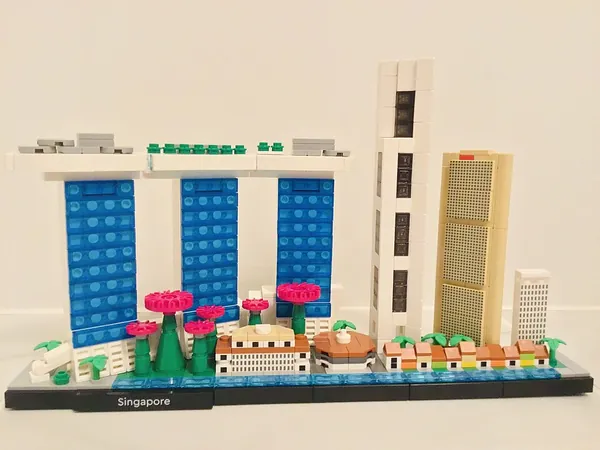
As the market for Lego grew, so did the expansion of their product line: in 1966, they released the first battery-operated Lego train system which introduced buildable train sets including railway tracks, stations and locomotives.
This proved to be extremely popular and the first Legoland Park was opened within the next 2 years in Billund, Denmark, featuringimpressive displays of entire miniature towns built from Lego bricks.
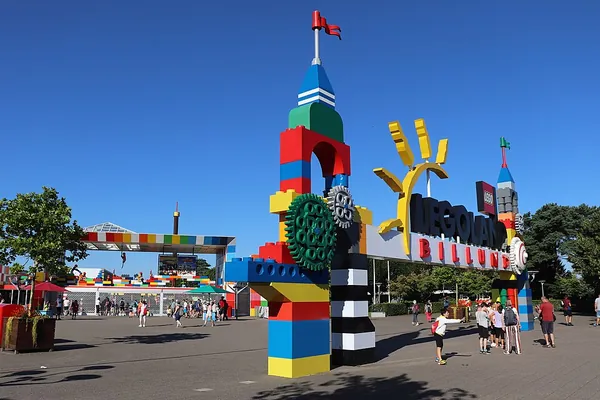
As the brand grew in the next few decades, it expanded into many realms of toy making and marketing, including the 1974 ‘Lego family’ set, a proto-version of the Lego mini-figure with movable arms and legs that we all know and love today.
Asides from their research and development, Lego recognized an opportunity to be used in education to develop creativityand problem-solving abilities; anEducational Products Department was set up in 1980, which set the tone for the widespread usage of Lego toy bricks in corporate business and design challenges even today.

As it entered into the 21st century, Lego increasingly partnered with pop culture – resulting in out-of-house designs of Star Wars, Winnie the Pooh and Harry Potter-related memorabilia and buildable Lego products.
Even though the company experienced a major downturn in 2004, it was able to tide through the storms through its sales of partnered and themedproducts including the Lego Architecture series, as well as its advent into solidifying its role in pop culture through films like The Lego Movie.
It’s safe to say that Lego’s unassuming plastic toy bricks went beyond the function of a children’s toy and embodied a certain timeless quality – one that became co-opted globally for different purposes in the fields of business and creativity.
Throughout its 72 years of manufacture, Lego has undeniably left a deep and lasting impact on our cultures, way of thinking and industries.
Let’s take a look.
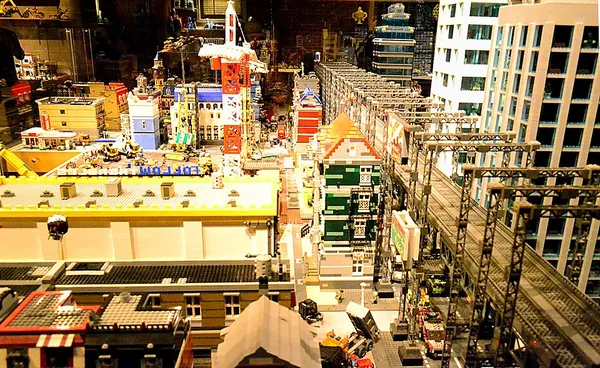
Real-life Applications of Lego Architecture: Art and Culture
Lego’s modularity and flexibility in stacking has definitely proved useful for the creation of immense and impressive artwork installations.
The Lego Certified Professionals programme was even formed to recognize adult entrepreneurs and artists who professionally work with Lego as their main medium!
Huge art mosaics and structures made with Lego constantly come around the corner to destroy the latest Guinness records.
Let’s take a look at some of them.
A Caravan Made Out of Lego
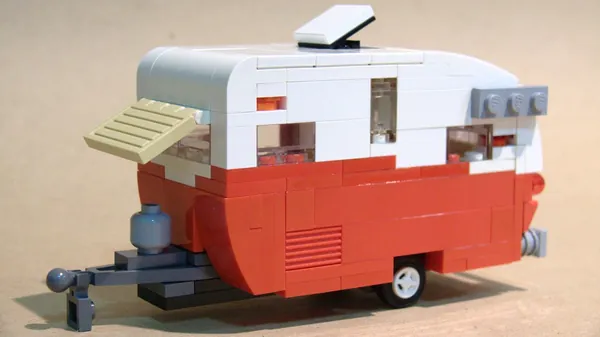
The largest fully-furnished caravan made of Lego bricks had its debut in 2018 in the spirit of celebrating the 50th anniversary of a caravan show in Queensland, Australia.
Yes, you heard that right: it’s a full-sized caravan, complete with stove-top, refrigerator, sink with running water and other Lego furniture and caravan paraphernalia. This caravan was modeled after a 1973 Viscount Royal caravan and contained almost 300,000 Lego pieces.
According to the creator Ben Craig, he accidentally locked himself in his workshop one day and had to sleep overnight on the Lego brick bed that he created in the caravan. Talk about bricking your back!
Partnerships with Popular Culture

A Tower Bridge replicadone byLand Rover set the world record for the largest Lego sculpture in 2016, standing at 13 metres high and made with a staggering 5,805,846 individual Lego pieces, which beat the previous record by over 450,000 pieces.
Large companies like Land Rover are indeed exemplifying their flair for pop culture showmanship through their such brand promotional installations that excite both Lego, architecture and car fans alike.
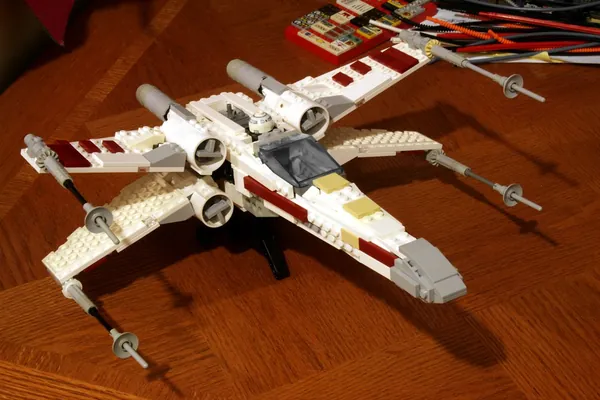
In a similar vein of corporate partnerships with the hottest of popular culture, the Lego Group unveiled a 1:1 scale model of Star Wars X-wing Starfighterback in 2013 to celebrate the upcoming premiere of the Yoda Chronicles.
This installation, which was exhibited at Times Square, held the record for the most number of Lego bricks used until the aforementioned Tower Bridge came along in 2016.Lego is all about building real life models. If you're interested more about Architectural Model Making, we have a great article here that you can check.
Creative Social Benefit
Lego’s popularity was also used for a social cause in 2020 as the Guinness World Recordswas awarded to the‘farthest distance walking barefoot on Lego bricks’at 5,082 metres.
Unintentionally Getting into Political Art

Lego had its fair share of the limelight in 2014 after the world renowned Chinese political artist Ai Weiwei incorporated the use of the Lego bricks into his art portraits of notable dissidents at Alcatraz in San Francisco.
The artist was inspired by his young son’s Lego brick toys and saw the metaphorical significance of Lego building and stacking as an expression of individual power.

Ai’s interest in Lego bricks as an artistic medium continued as he built many other art mosaics dealing with matters of a political nature, including the 2019 mosaic portraits of forty-three missing Mexican students as a scathing critique of government complicity.
Lego’s slight embroilment in the politics of art served to exemplify its significance of being used as a widely recognized medium – both by endorsed and un-endorsed artists alike.
A Global Urban and Lego Architecture Repair Movement
Legos have also been used as the medium in a global ground-up collaborative art movement aiming to playfully intervene in city and masonry disrepair all over the world.
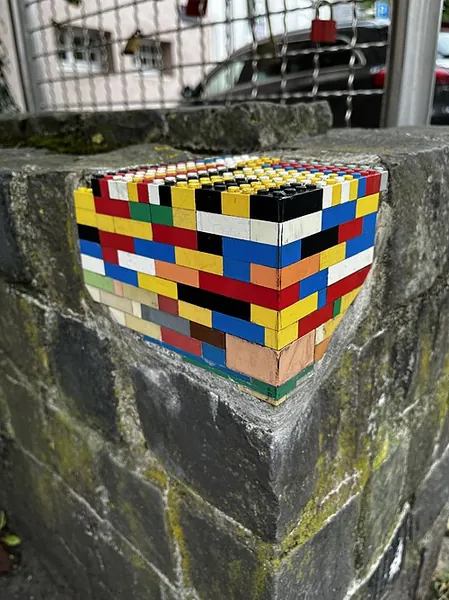
In a decades-old project called Dispatchwork by Jann Vormann, colourful plastic Lego bricks are low-cost methods used to patch up real missing pieces of brick and mortar in all aspects of urban artefacts: chipped legs of street benches, crevices in columns and holes in walls.
Since then, it has almost become a decentralised movement that transcended national and geographical borders, where actors participate and collaborate without even knowing each other.
Lego Architecture and Interior Design
The LEGO House
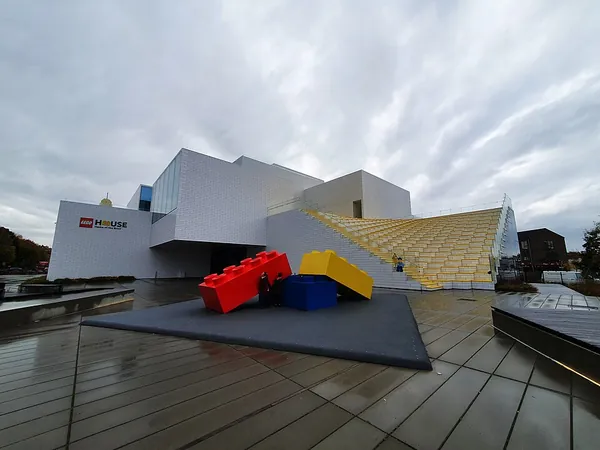
The construction of this official Lego buildingwas finished in 2017 in Billund, Denmark and was built by none other than the world-renowned Danish architecture firm Bjarke Ingels Group.
Conceptualized as a space for creativity and play, the Lego house literally looks like bricks of colorful Lego stacked on top of each other, creating a series of interlocking and continuous spaces within.
Needless to say, its interior space resembles the look and feel of Lego bricks and indeed offers the pinnacle of the Lego experience for any Lego and architecture enthusiast regardless of age.
Legoland Parks
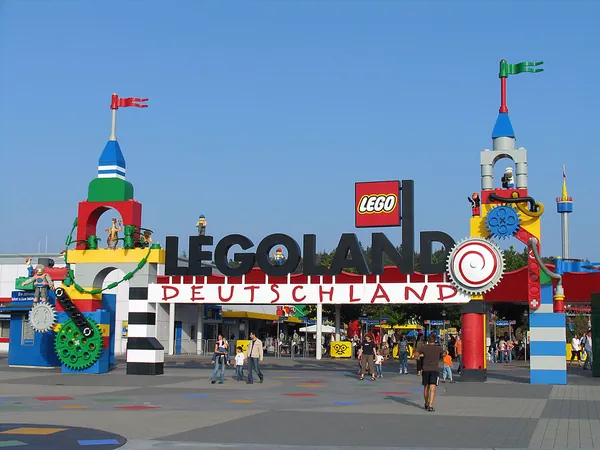
The first Legoland parkwas opened in Billund, Denmark (similarly paying homage to its origins) in 1968 and the subsequent Legoland themed parks built all over the world attested to Lego’s persistence in capturing the public imagination.
By 2017, Legoland parks were opened in 9 areas across Europe, North America and Asia, with future plans for expansion.
Lego in Interiors

In 2020, Lego has expanded its library of building blocks to include flat two-dimensional tiles that are appropriate for interior design and furniture rather than being painful to lean on or to walk barefoot over.
In a collaboration promoting this latest product launch, French designerCamille Walala designed a life-sized house made of more than two million pieces of this new product Lego dots, attesting to a new formulation of using Legos as part of interior décor and design.
The new product pays homage to the iconic bright and playful colours of the original plastic designs and have certain fixed dimensions of modules, hence staying with the original intent of allowing designers to exercise creativity within a rigid set of rules.
Lego Architecture in Outer Space?

The Lego team in China has an ambitious appetite for envisioning a modular Lego city in outer space.
Whilst not literally made with plastic Lego toy bricks, this floating space city was inspired by the modularity of Lego bricks and currently conceptualized together with an international architecture firm CAA Architects to bring it to fruition. The concept features futuristic ideas like cellular automata, crystal growth, and artificial intelligence.
While it remains a lofty idea for now, who knows? We may experience the materialization of such projects in years to come as space travel becomes a possibility.
Lego in Design and Education
Serious Play
As seen in so many of the examples, Lego’s explosion into an international phenomenon is attributed to its basic characteristics of being simple, modular and intuitive instrument for all.
It is a manifestation of both the mind and the hands and can be harnessed by anyone regardless of age to demonstrate big ideas and concepts. This makes it even particularly desirable for many educational institutions or even businesses to incorporate as a part of their strategy.
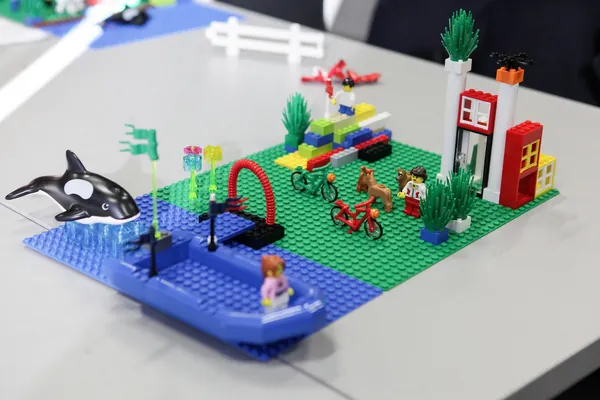
The Lego Serious Play methodology was developed since 2010, aiming to improve creative thinking and communication in adults.
Since then, it has been adopted by multiple businesses and corporations as a training toolkit, as well as in engineering and design competitions.
Diversifying Lego for Children
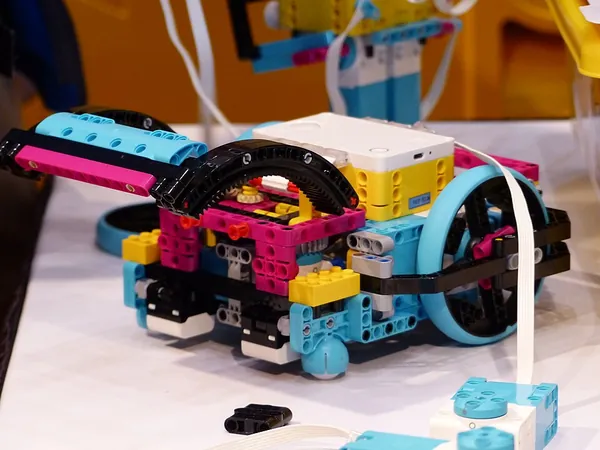
In 2017, Lego further expanded its kit to includebuildable and programmable robots, jumping on the tech bandwagon to allow children greater access to coding at a young age.
This new product line includes bricks with different types of built-in sensors that can be paired with motors.
Lego has also launchedthe ‘Braille Bricks’Lego bricks in 2020, which was targeted at increasing access of Lego play to blind or visually-impaired children.
Braille alphabets as well as alphabets in different languages are embedded onto Lego bricks in an attempt to ensure an inclusive play atmosphere for all children. This launch has been met with positive feedback in its goal of encouraging social integration for visually-impaired children.
Lego Architecture
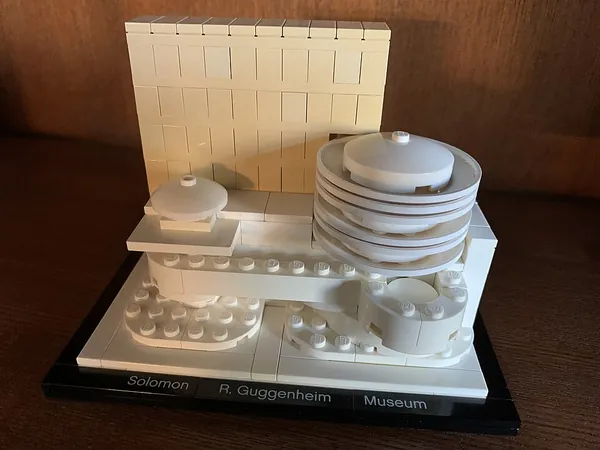
With all that being said, what about the Lego Architecture world where landmarks and feats of architecture are transformed into the bits of building blocks that we love?
The Lego Architecture Series does indeed feature many of the world’s most notable landmarks including Taj Mahal,Sydney Opera House, Eiffel Tower, even Frank Lloyd Wright’s Fallingwaters.
Originally conceptualized and designed by an architectural artist Adam Reed Tucker, a partnership formed between the official Lego brand and his works, becoming commercially born into what we know today as the Lego Architecture Series.
Here’s what you need to know if you’re thinking of buying Lego architecture sets for your architect friend, or even just for a casual Lego lover or a curious nephew or niece.
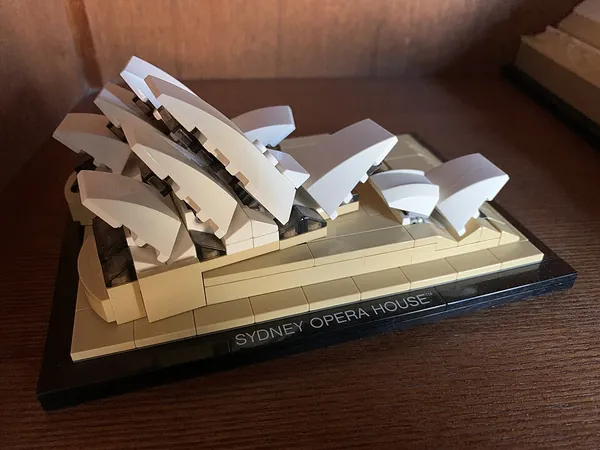
The Lego Architecture, Landmark and Skyline series are great picks for architecture lovers for a reason: they have replica models of both the commonly known architecture buildings as well as the more niche types that only architects rave about.
Unfortunately, many of these niche types are no longer in production and sold – you would have better luck trying to get them at a secondary market. Such examples include key architecture pieces that have denoted significant turning points in architectural history, the ones that your architecture friends probably can’t stop talking about:
- Farnsworth House (546 pieces)
- Villa Savoy (660 pieces)
- Fallingwater (811 pieces)
- Lego Architecture Studio Set (1211 pieces)
- Robie House (2276 pieces) – not for the faint-hearted!
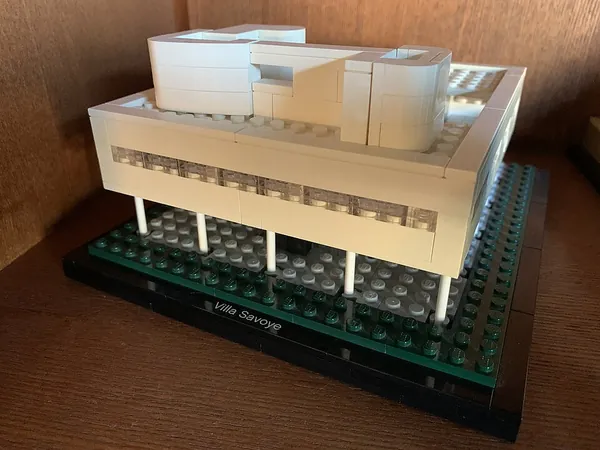
The Skyline series also offer potentially great gift ideas for architecture enthusiasts or just well-traveled acquaintances, who would surely be able to recognize Lego skylines from afar:
- Venice Skyline (212 pieces)
- Berlin Skyline (289 pieces)
- Sydney Skyline (361 pieces)
- Chicago Skyline (444 pieces)
- London Skyline (468 pieces)
- Las Vegas Skyline (501 pieces)
- San Francisco Skyline (565 pieces)
- Shanghai Skyline (597 pieces)
- New York City Skyline (598 pieces)
- Paris Skyline (649 pieces)
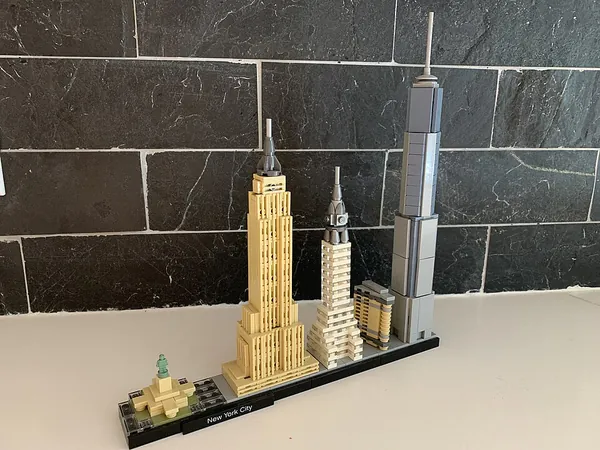
For casual connoisseurs of architecture, you can’t go wrong with the Lego architecture sets that have represented our societies and culture for decades, most of which are still in production.
These include iconic pieces such as Louvre Museum in Paris, the Great Wall in China, Imperial Hotel in Tokyo, and even the tallest building in the world Burj Khalifa in Dubai.
For those looking for a challenge, you can also opt for the models that have greater number of pieces. These are guaranteed to keep you glued to your little bricks for a while, or provide days of casual fun for you and your friends. Here’s a compiled list from ascending order of pieces:
- Burj Khalifa (208 pieces)
- Sydney Opera House (270 pieces)
- Eiffel Tower (321 pieces)
- Leaning Tower of Pisa (345 pieces)
- Big Ben (346 pieces)
- Brandenburg Gate (363 pieces)
- Great Wall of China (551 pieces)
- Louvre Museum (695 pieces)
- Trevi Fountain (731 pieces)
- Buckingham Palace (780 pieces)
- US Capitol Building (1032 pieces)
- Imperial Hotel (1188 pieces)
- Trafalgar Square (1197 pieces)
- Statue of Liberty (1685 pieces)
- Empire State Building (1767 pieces)
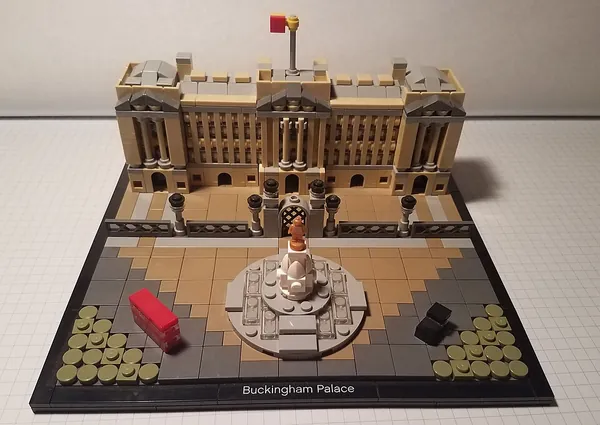
While these highly intricate architecture series might not be compatible for a young child, it would be wiser to choose the buildings that have a lower degree of complexity and number of pieces.
Such instances would include:
- Seattle Space Needle building (57 pieces)
- Sears Tower/Willis Tower (69 pieces)
- John Hancock Center (69 pieces)
- Empire State Building (77 pieces)
- The Guggenheim Museum (208 pieces)
Lego’s illustrious history has certainly seen its ups and downs as the architecture and art worlds tapped into its potential as an expression of design, thinking and creativity.
Are you inspired to build with Lego?
Would you design your building with Lego Architecture - inspired elements, or would you consider them kitschy?
Let us know in the comments!

Rhino for Architects Course
Give your architectural skillset a major boost with the Rhino for Architects Course. Get over 60 hours of focused training tailored specifically for architects. Master commands and techniques to model, render, and animate architectural visualizations at the highest level. Click below for more information and watch your designs come alive!

![Architects’ Tools [33 Most Important Ones You Need To Know]](/images/blog/featured/variants/architects-tools--related-card.webp?cb=seo-meta-20260227-164423)