Are you fascinated by the grandeur of ancient architecture and curious about its roots? Babylon, a gem of the Mesopotamian civilization, is renowned for its designs that have shaped our understanding of early architectural skills.
This blog will explore the magnificent ancient Babylonian architecture, showcasing its use of materials, distinct characteristics, and striking structures.
Get ready to dive into a rich world far beyond your imagination!
Key Takeaways
- Babylonian art shows the rich culture of its past with works like the Ishtar Gate and Hammurabi's stele.
- Babylon used clay a lot because it was easy to find. They made pottery, buildings, and wrote laws on clay tablets.
- King Nebuchadnezzar II loved arts but also fixed up Babylon's city into something grand.
- Big cube-shaped pillars were key in their designs; they held large terraces high in the temples.
The History of Ancient Babylonian Architecture
The legacy of Ancient Babylonian architecture traces back to the rich, fertile lands between the Euphrates and Tigris Rivers, where Mesopotamia - one of the cradles of civilization - laid its roots.
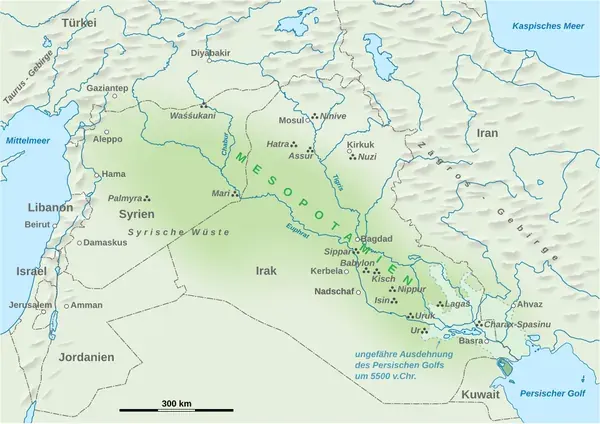
Flourishing during both Old Babylonian and Neo-Babylonian Empires, this distinctive architectural style evolved over centuries, mirroring vast political changes while staying profoundly influenced by broader Mesopotamian traditions.
Old Babylonian and Neo-Babylonian Empires
The Old Babylonian Empire was the time when many grand works came to life. This period also saw the rise of ziggurats, a type of step pyramid. They used baked bricks for the first time and built big temples too.
We can't forget Hammurabi, a great king from this time. His laws are famous even today! Then came the Neo-Babylonian Empire with King Nebuchadnezzar II at its helm. He loved art and built much of what we see in Ancient Babylonia.
The Hanging Gardens, one of the seven wonders of ancient times, were his doing! This era was great for art, science and architecture - a true renaissance in Babylon's history.
Influence of Mesopotamian architecture
Babylon was a famous Mesopotamian city. It left a big mark on the area's look and feel. Many Assyrian architects got ideas from Babylon's buildings. They used what they saw in their own work.
Mesopotamian architecture shaped how people saw themselves. Today, modern architects still use ideas from those old designs in their new works. The cultural identity found in Mesopotamian cities like Babylon is still felt today.
Characteristics of Architecture
Ancient Babylonian architecture featured a distinctive style primarily reliant on the use of mud and clay. The architects skillfully created terraced vaults, demonstrating an advanced understanding of geometric designs.
Massive cube-shaped pillars were often implemented to support large structures. Further adding depth and detail to their creations, they incorporated relief into much of their architecture – carving intricate scenes directly onto walls or panels.
Use of clay as a popular medium
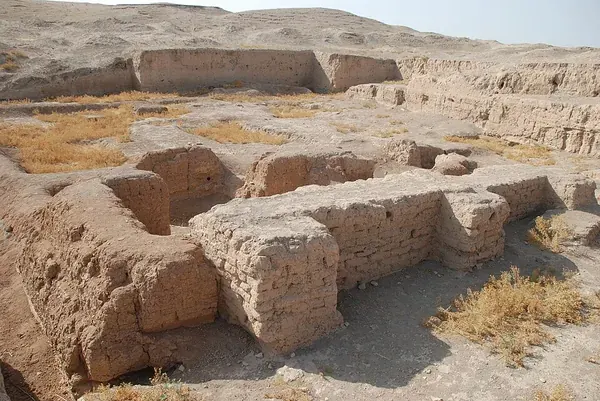
Clay was key in Babylonian architecture. This rich, soft ground material was everywhere in Babylon. They used it to build big temples and make art pieces. The lack of stone made clay the go-to building tool.
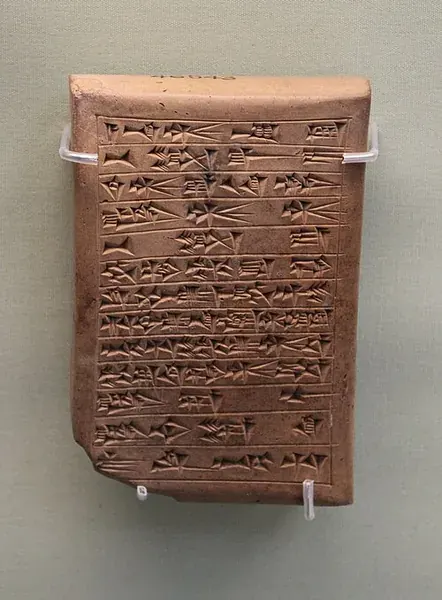
Also, they wrote on clay tablets about gods and rulers' tasks, laws, mathematics…
Use of terraced vaults
Babylonian builders crafted beautiful terraced vaults. They built these with baked brick and asphalt. The use of arches, domes, and these vaults was common in their buildings. A famous example were the Hanging Gardens of Babylon.
This wonder showcased complex designs made possible by terraced vaults. These features became a big part of what we now call the Babylonian architecture style.
Cube-shaped pillars
Babylonian temples had cube-shaped pillars. These were made from rough brick and filled with earth. Each pillar was empty inside but strong enough to hold up vaulted terraces. They were key parts of Babylonian design.
These pillars had a unique style in height. It went past the size of the columns themselves. The bricks used in building led to new ways of making pilasters and columns early on. Cube-shaped pillars were massive, standing tall as they backed up temple terraces.
Utilization of relief
Ancient Babylonian architecture made smart use of relief. They put it on walls and buildings to tell stories and show off their skills. With relief, they could bring flat spaces to life!

Notable Examples of Babylonian Architecture
Delve into the grandeur of Babylonian masterpieces like the Ishtar Gate, The Stele of Hammurabi, and Babylonian ceramics that echo a history filled with opulence and craftsmanship.
Stay tuned as we further explore these architectural marvels in depth.
The Ishtar Gate
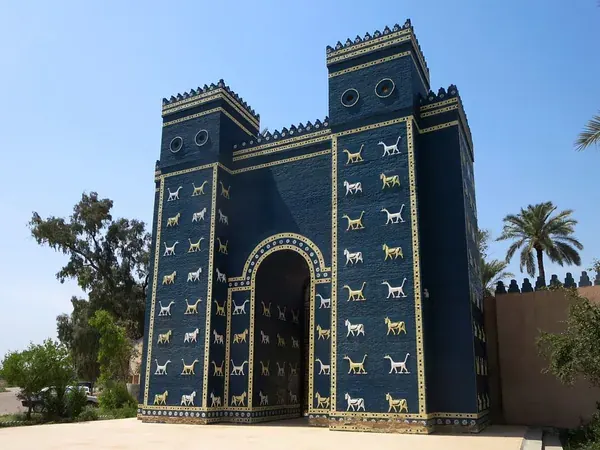
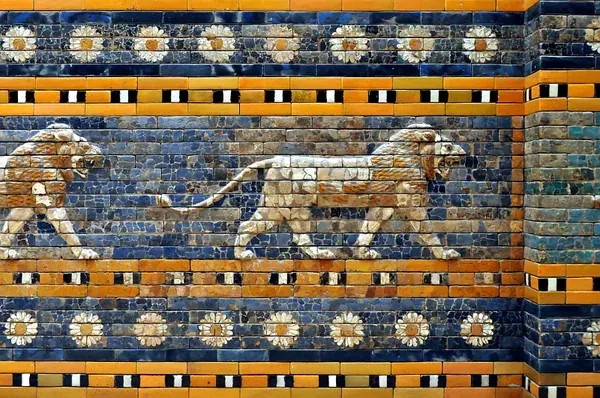
King Nebuchadnezzar II built the Ishtar Gate in 575 BCE. This gate stands out as a fine piece of ancient Babylonian architecture. It is dedicated to the goddess Ishtar, an important figure in Babylonian culture.
The Pergamon Museum in Berlin is now its home. As one of the most fancy inner city gates in Babylon, it tells much about the elaborate architecture and design skills of that time.
The Stele of Hammurabi
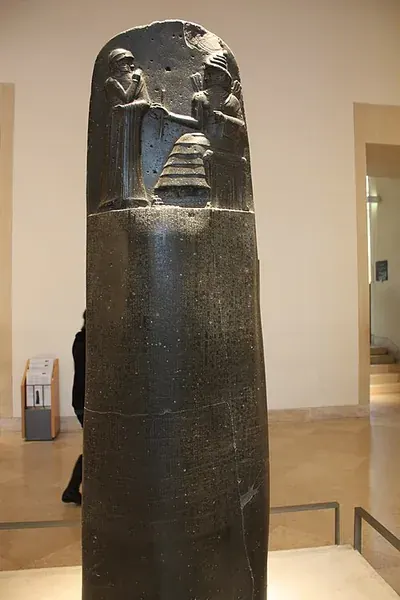
The Stele of Hammurabi is a key point in Babylonian architecture. It's a black stone stele made from one large slab of diorite. This big piece weighs four tons. King Hammurabi, the ruler at that time, asked workers to make this stele for him.
He wanted his laws carved on it for everyone to see and follow.
It stands tall at 7.4 feet with words inscribed all over it. These are not just any words but Hammurabi's laws written in cuneiform writing, an old style of script from Ancient Mesopotamia.
This code covers many rules - from trade and labor laws to family matters! The Stele of Hammurabi gives us a clear look into the legal system and history back then.
Babylonian ceramics
Babylonian ceramics show the skill of old artists. They used clay found near Babylon to make fine pottery and big things like buildings. These made their city beautiful and showed off their design ideas, which often had winged sphinxes.
Even big works like ziggurats were built with this kind of pottery. So, Babylonian ceramics played a key part in making their art and architecture unique and grand.
The Neo-Babylonian Empire and its Contributions to Architecture
The Neo-Babylonian Empire marked a resurgence in monumental architecture. It was during the reign of King Nebuchadnezzar II that Babylonian architectural elegance reached its apex.
This era saw an increased utilization of elaborate sculptural elements, adding artistic depth to their structures. Prestigious pieces from this period include the Great Ziggurat.
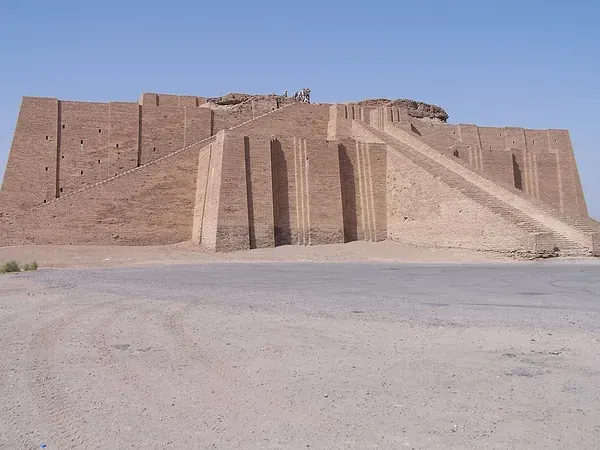
One can not discuss Neo-Babylonian contributions without mentioning city planning and development; remarkable urban designs like Etemenanki exemplify this feat. These significant architectural improvements fostered by the empire laid down a blueprint for future civilizations marking it as one of history's most influential epochs in architecture.
Rise of the Neo-Babylonian Dynasty
The Neo-Babylonian Empire began to rise with great power. This became most clear in their works of architecture. Many famous buildings came from this time. The Ishtar Gate is one such work of art and beauty from Neo-Babylonian rule.
King Nebuchadnezzar II was an essential leader in the dynasty's growth. He helped rebuild Babylon into a city of wonder and awe. Many looked to the Sumero-Akkadian style as they built, showing how much respect they had for past arts and skills.
Patronage of King Nebuchadnezzar II
King Nebuchadnezzar II was the ruler of the Neo-Babylonian Empire. He ruled from 605/604-562 BCE. This king had a big role in building and fixing up Babylon, which was his capital city.
Nebuchadnezzar II wanted to make Babylon one of the most amazing cities on earth. To do this, he put a lot of work into key buildings in Babylon. His work breathed new life into the city, bringing back its old charm and beauty.
Importance of sculptural elements
As not many artefacts were preserved, we may assume that sculptural elements held a role in Neo-Babylonian art and culture.
One such example is the Lion of Babylon, a sculpture made of black basalt, discovered around the 18th century.

Famous Architecture from the Neo-Babylonian Era
The Neo-Babylonian Empire gave birth to many grand structures. Here are some of them:
- The Ishtar Gate showcased the power of the empire. It was a large, colorful entryway into Babylon.
- Massive temples made of crude brick filled the cityscape. These temples were feats of early engineering and art.
- The Hanging Gardens were another testament to Neo-Babylonian creativity. They were lush, green spaces set high above the city streets.
- They also made great use of relief in their works. This can be seen on walls and buildings across their empire.
- King Nebuchadnezzar II had a big part in building these structures. He loved fine arts and used it to show his might.
- Urban planning was another important aspect of Neo - Babylonian architecture. Streets were laid out in a grid pattern, much like modern cities.
Urban planning and city development
King Nebuchadnezzar II made Babylon bigger and grander. He built big high walls to keep the city safe. He also raised large palaces and temples for the people to use. This was part of his plan to make Babylon a great city.

Legacy of Ancient Babylonian Architecture
Babylonian architecture left a lasting impact on successive civilizations, shaping their style and construction methods. Babylonian structures and artworks, or what we imagine they were, continue to captivate the modern world.
Thought scarce, this enduring legacy testifies to the remarkable developmental strides made by the Babylonians in architectural design, planning, and execution.
Influence on later civilizations
Babylonian architecture left a big stamp on the world. Many later civilizations and their architecture, from Greece to Rome, took ideas from it. The ziggurat style was used in these later places too. Babylon's skill for city planning also spread far and wide.
This old empire has given so much to the present day world of design and building.

Preservation of artwork and structures
Keeping ancient Babylonian art safe is key. This task helps us learn much about this old civilization and its rich culture. We see their skill in design and craft through surviving artwork and buildings.
Structures like the remains of the Etemenanki ziggurat offer clues to their advanced building methods. The science they used for these creations still surprises many people now. Art preservation has a big role in saving these important parts of our past for future study.
FAQs
1. What is ancient Babylonian architecture?
Ancient Babylonian architecture refers to the building styles and structures made by the Babylonians, an old group of people who lived in Mesopotamia over 2000 years ago.
2. What characterizes the ancient Babylonian architecture?
The use of mud bricks, large gates, glazed tiles with bright colors, and massive walls are the main features of the ancient Babylonian architecture.
3. Can we see any examples of ancient Babylonian architecture today?
Some of them. We may see remains of walls, temples, some of them partially reconstructed. The most famous and preserved is the Ishtar Gate.
4. How did Babylonians build their structures?
Babylonians used materials like mud brick and baked brick to build their buildings often decorated with impressive carvings or glazes.
5. Why is it important to learn about the Ancient Babylonian Architecture?
Learning about Ancient Babylonian Architecture helps us understand their culture better as well as early advancements in building design.

Rhino for Architects Course
Give your architectural skillset a major boost with the Rhino for Architects Course. Get over 60 hours of focused training tailored specifically for architects. Master commands and techniques to model, render, and animate architectural visualizations at the highest level. Click below for more information and watch your designs come alive!