Are you intrigued by the ancient structures and looking to learn more about their creators? Here's a fascinating fact: Ancient Roman architects were true innovators, constantly pushing engineering boundaries with materials like concrete.
In this blog post, we'll uncover various types of buildings, unique architectural features, and groundbreaking innovations that defined Ancient Rome Architecture. So let's embark on a journey back in time - get ready to be amazed!
Key Takeaways
- Ancient Roman architects used stone, brick, and a mix called concrete to build strong buildings.
- They built big spaces like baths and temples with domes on top - no pillars needed!
- They used archway designs to make stronger structures.
- Some famous Roman buildings include the Colosseum, Pantheon, Circus Maximus, and Baths of Caracalla.
- Today's builders still use ideas from ancient Rome in their work.
Origins and Development of Roman Architecture
The roots of Roman architecture date back to the Etruscan civilization which laid the groundwork for future development. Eventually, we see distinct phases in its evolution - mainly the Republican and Imperial periods.
Through this progression, Roman architecture flourished, reflecting changes in political power and societal values while setting new standards in construction techniques and design aesthetics.
Republican Period
The Republican Period shaped Roman architecture in many ways. The early kings of Rome, known as Etruscans, played a big part in this. They brought new styles from Greek architecture to Rome.
This mix of ideas started what we now call Roman architecture. It was unique for its time and full of grand designs that other cultures admired. Buildings from the Empire period came later on and left more remains for us to see today.
Even so, the roots of those designs come from the Republican period of Ancient Rome.
Imperial Period
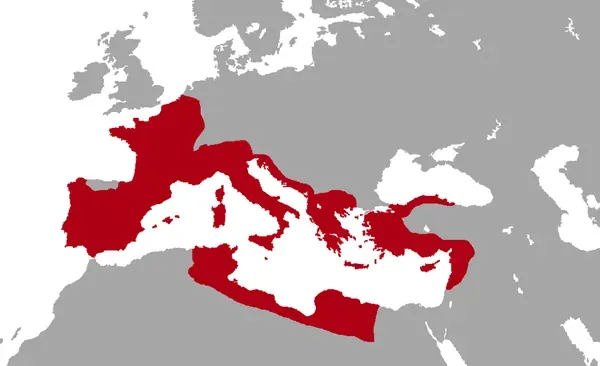
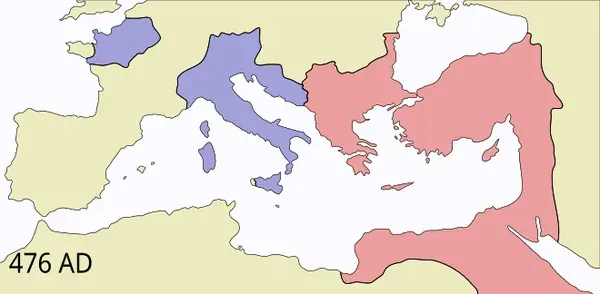
The Imperial Period saw a big change in Roman architecture. This time stretched from the 1st century BC to the 4th century AD. Greek ideas played a big role in how buildings were made during this period.
Buildings became bigger and stronger, thanks to a material called concrete. It was used a lot in this time of Ancient Rome. Arches and vaults also started showing up more often inside these large spaces.
One famous place built during this era is the Colosseum in Rome — a true sign of Roman power and skill.
Types of Roman Buildings
The Roman architecture boasts an array of building types, including the grand amphitheaters used for gladiatorial games, basilicas which served as court houses, forums that functioned as marketplaces in city centers.
Temples dedicated to their gods showcased ornate designs and villas provided luxurious homes for nobility. Lastly, one of Rome's most enduring contributions was aqueducts - a groundbreaking water transportation system that quenched the city’s thirst.
Amphitheaters
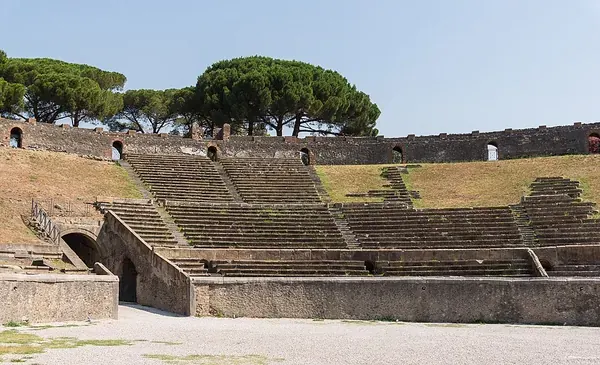
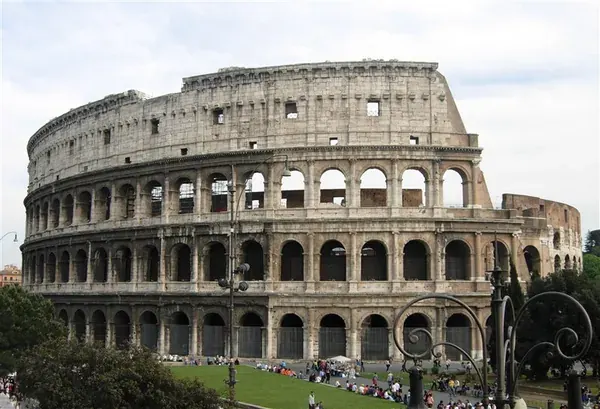
Amphitheaters were special places in Ancient Rome. They held fun games and shows for the people. The biggest one is the Colosseum, still standing after many years. These buildings were round and had a lot of seats all around.
People could watch from any spot! The Romans used their best skills to build them. It showed how good they were at making things last long.
Basilicas
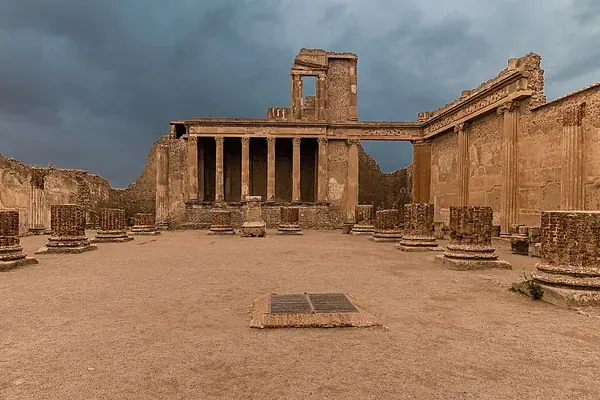
In ancient Rome, basilicas stood as large public buildings. Their roofs were held up by the smart use of concrete, a key part of Roman architecture. One unique feature was their groin vaults.
These looked like tunnel-like arches that cut into each other. Basilicas had many uses and often sat next to the town's forum. They are an important piece in the story of Roman building styles.
Later on, Christianity used this same design for their own places of worship.
Forums
Forums were central to life in ancient Rome. They served as the heart of Roman public life and held many important buildings. The most famous forum is the Roman Forum, a clear evidence of the culture and high skill level of architects during this period.
Over time, the Forum changed a lot. It grew larger with more buildings added over hundreds of years. In fact, its design had a great impact on art and architecture for ages afterward.
This shows how these spaces were not just functional but also significant to all aspects of Roman society.
Temples
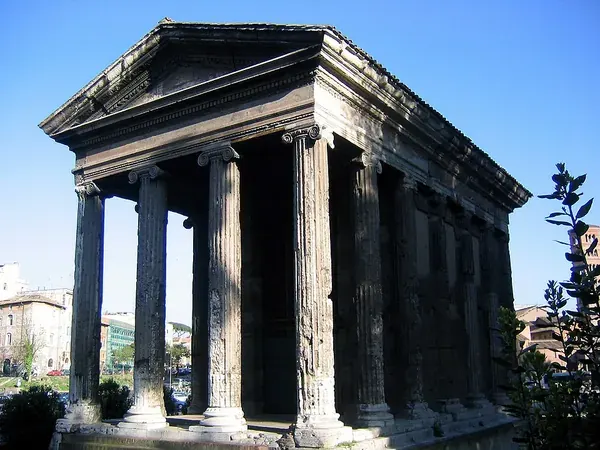
Roman temples aimed to honor the gods. They mixed styles from Etruscan and Greek architecture. Like their Greek models, they had strong columns on all sides. These held up a flat roof with an angled top called a pediment.
The inside of the temple, or cella, was at the rear of the building and surrounded by these columns. This is where people would come to show respect for their gods. It's clear that Roman temple design shows deep ties with both Etruscan culture and architecture as well as Greek architectural styles.
Villas
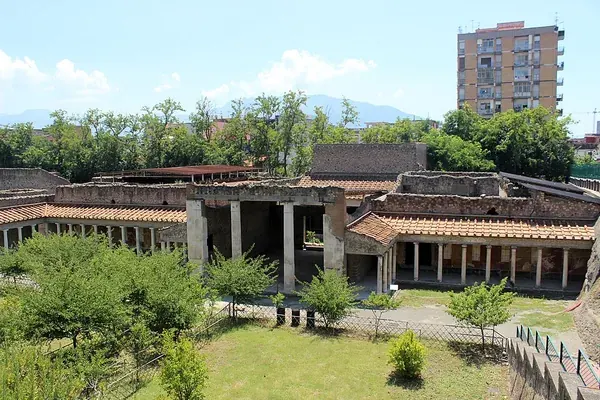
Villas are big Roman homes. They cover more land than a Domus. Most villas sit on hillsides with lots of terraces. We can find long rows of pillars, tall towers and fine details in them.
These special homes belong to the rich and important people from Imperial Rome. You will notice these grand houses outside the city center too. A villa shows you have money and high status in society.
Aqueducts
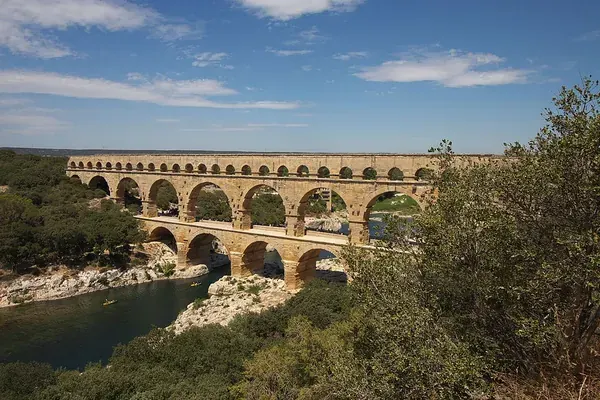
Aqueducts made life in ancient Rome better. They moved fresh water to places with many people. Builders made them in the time of the Republic and Empire. They built tunnels and used bricks from kilns and stone from quarries to make them strong.
The Roman arch was a new idea that let them build things they could not before. It helped build aqueducts too. Making an aqueduct take water downhill but still keep it flowing was hard work for engineers back then.
Key Characteristics and Innovations of Roman Architecture
Roman architecture was groundbreaking, utilizing new materials such as concrete while perfecting the arch, dome, and vault. They incorporated these into magnificent structures with impressive decorative features, greatly influencing future architectural styles.
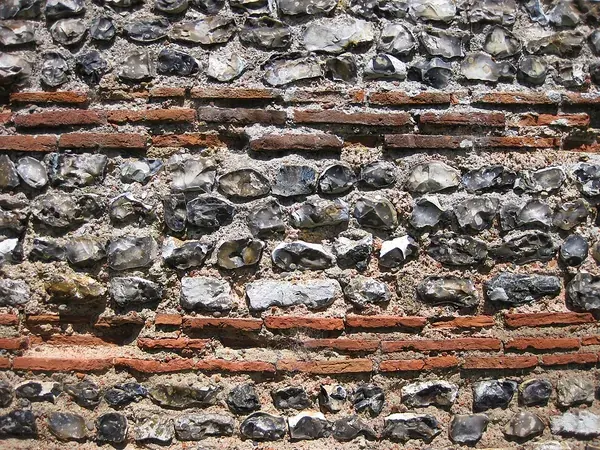
Use of materials (stone, brick, concrete)
Romans used stone, brick, and concrete in their buildings. Stone was strong and lasted long. Brick was easy to use and made great walls. The big change was when they started using concrete.
They could make big ceilings with this mix of rocks, sand, water, and ash. This lets them build domed roofs that were not seen before then. Soon, everyone wanted to use concrete more than stone or brick for building things.
Domes
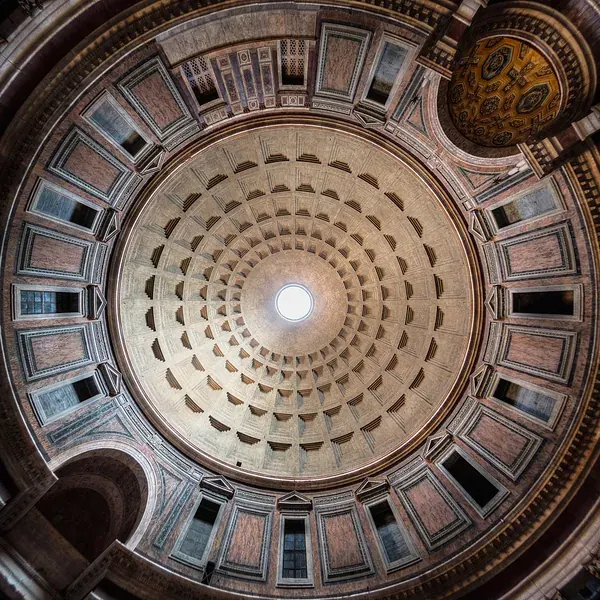
Domes are key to Roman architecture. They built domes larger and higher than ever before. These domes had beautiful art on them. Domes were not just for looks, they also had a use in the building.
With a dome, you could make a big space with no need for pillars inside it. This gave room for large groups of people to gather, like in baths or temples, and this partially influenced the later use of domes in Renaissance architecture.
Archways
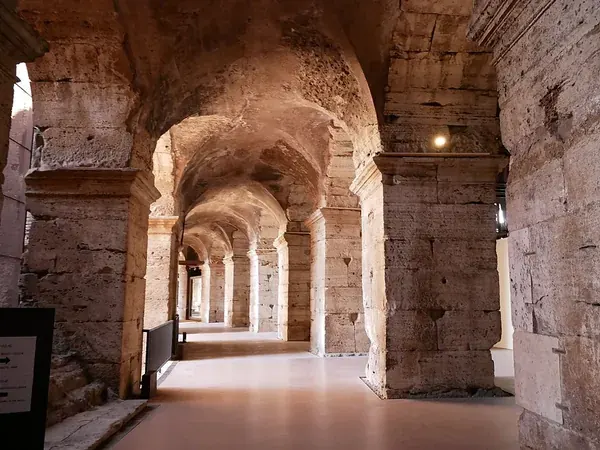
Archways played a big part in Rome's old buildings. They used the arch a lot in their design and building methods. Archways gave strength to the buildings. This allowed them to build larger and more grand structures.
These included large spaces inside, like in basilicas and amphitheaters. The way Romans used arches changed how people built things later on too. It became a key part of structural engineering and architectural design around the world.
Decorative structures
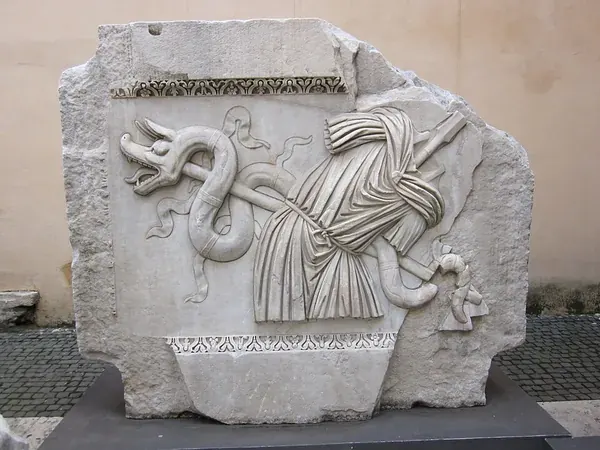
Roman architects took pride in their decorative structures. They loved using ornamental art to dress up buildings. They made use of intricate carvings, mosaics, reliefs and frescoes to add life to the walls.
These aesthetics brought a touch of beauty and style.
The Romans used all kinds of things for their artwork. Concrete, stone, and marble were top picks for crafting decorations. Each piece boasted elaborate designs that caught people's eyes.
This mix of crafty design with solid materials gave Roman architecture a distinctive look unlike any other.
Influence on later architecture
Roman architecture left a big mark on the world. It changed how people build things even today. Many modern buildings use ideas from Roman designs. Byzantine churches were shaped by Romans too.
People learned a lot from Greek and Roman styles, mixing them to make Classical Greek work. With each new building, architects carry forward the wisdom of Rome's old masters. Their smart ways still help us solve tough design problems in our time.
This is why studying Roman techniques is so important for anyone who wants to create great places and spaces.
Famous Examples of Ancient Roman Architecture
Renowned examples of Ancient Roman Architecture include the colossal Colosseum, a symbol of Rome's grandeur. The elegant Pantheon showcases Roman expertise in dome construction. Circus Maximus exemplifies their love for entertainment and sport.
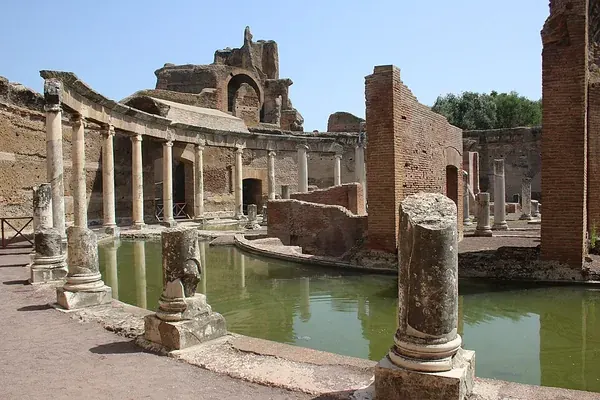
Baths of Caracalla demonstrate their advanced understanding of plumbing, heating, and public hygiene systems. Lastly, Hadrian's Villa epitomizes luxury living during Imperial Rome with its elaborate design and detailed mosaics.
Colosseum
The Colosseum sits in the heart of Rome, as an emblem of its past. Vespasian, a mighty Roman Emperor, gave the order to build it between 70 and 72 A.D. Its other name is Flavian Amphitheater.
It's huge and made out of stone. People all over admire this monument for its grandeur and beauty. As one of the most famous ancient sites, it takes you back to a time long ago. This construction reminds us how great Roman builders were in those times.
Pantheon
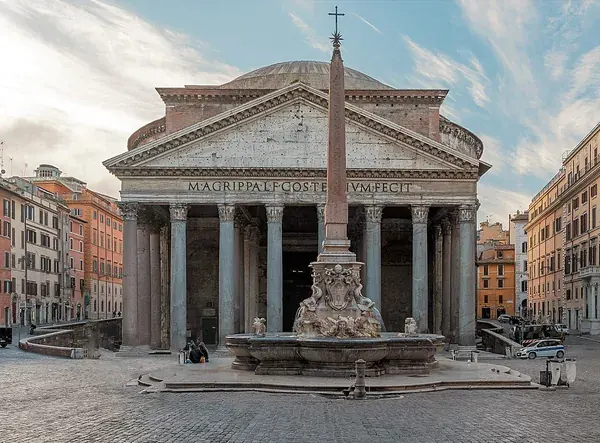
The Pantheon stands tall in history. This ancient Rome monument catches all eyes with its well-preserved look. Many see it as the eighth wonder of the world! Built long ago, it was a temple dedicated to Roman gods.
Inside the Pantheon is a sight to behold. It holds one of the most perfect spaces ever built. Throughout time, many have copied this interior design. The craft and structure make it more than just a building; it's a work of art and history combined!
Circus Maximus
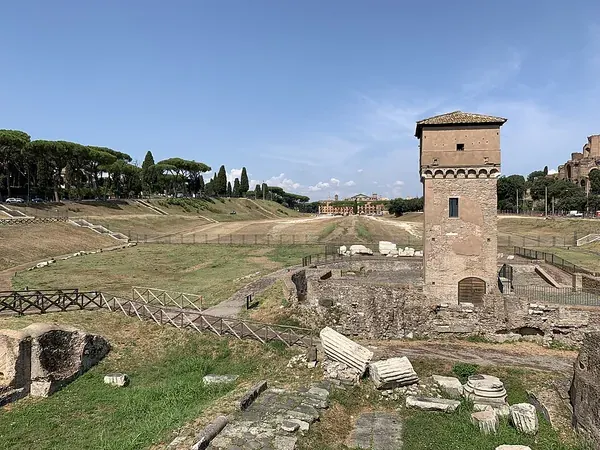
Circus Maximus stands tall as a key marvel of Rome from the 6th century BCE. The massive stadium took center stage for Roman chariot races, pulling in huge crowds. On event days, it held up to 250,000 people with even more watching from nearby spots.
Beyond chariot races, Gladiator fights and Roman Games also found their place in this grand arena. By dividing seating zones with walkways, the Romans ensured order among spectators.
Truly, Circus Maximus is a lasting mark of grand Ancient Rome design.
Baths of Caracalla
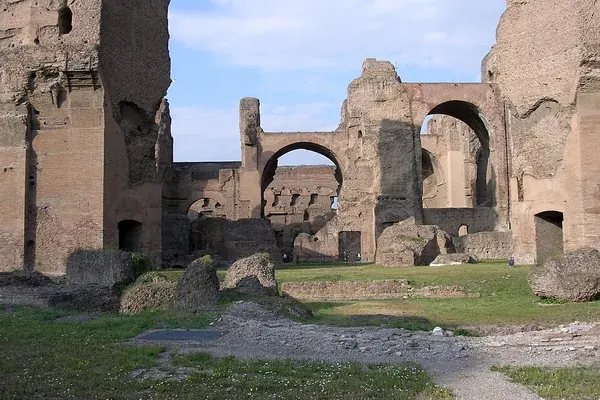
The Baths of Caracalla sit as a crown jewel among Rome's age-old buildings. Emperor Caracalla started building these large public baths. They rank second in size in Rome and show off Roman skill with concrete and brick-faced concrete.
You would find hot and cold pools, gym areas, libraries, green spaces, and even shops here! This blend of use and beauty caught the eyes of top Renaissance builders like Donato Bramante and Andrea Palladio too.
Hadrian's Villa
Hadrian's Villa is a real gem of ancient Roman architecture. It sits near Tivoli, once known as Tibur. It was built as a safe and quiet retreat for Emperor Hadrian himself. The villa spreads over about 7 square miles or 18 square kilometers.
This makes it one of the biggest building projects from the old world times. Not just a villa, but also big walls to keep it safe were part of the plan. All this work was led by Emperor Hadrian, who was his own architect.
Legacy of Ancient Roman Architecture
The legacy of Ancient Roman architecture shines through in its profound influence on the development of modern architectural design, playing a pivotal role in shaping various facets of our society and culture.
Its distinctive styles continue to inspire contemporary buildings while its groundbreaking construction techniques have advanced civil engineering practices. Numerous structures stand as a testament to Rome’s architectural prowess, with great preservation efforts contributing to their endurance despite the passage of millennia.
Influence on contemporary architecture
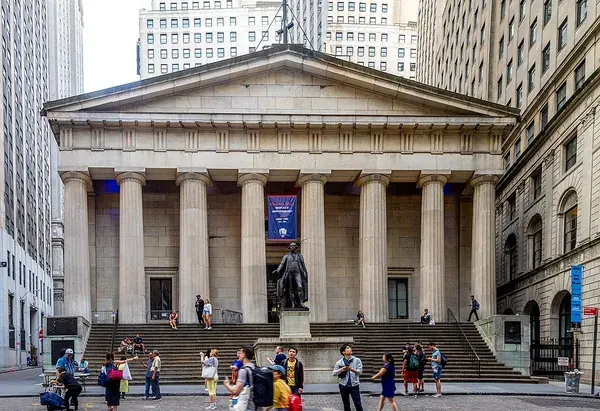
Roman architecture plays a big role in the art and designs we see today. Many contemporary buildings use ideas from ancient Rome. These structures show traces of Roman innovation. They use new building materials like Roman architects did with marble.
This shows that even after many years, the Roman style still shapes our world.
Impact on society and culture
Roman architecture has shaped many parts of our life. You can see its effect in art, books, and even city layouts. It helped advance science and technology too. Many laws today show signs of Roman rules from long ago.
In every big city, you might spot a building or place that looks like something from Rome. These places change how our cities look and feel for people living there. The Romans were very good at building and this talent helped their society to grow strong and last long into the future.
Without these ideas from Rome's past, our world would not look or work the same way it does now.
Preservation of structures
Keeping old Roman buildings safe is a big job. But it's very important. These places tell us a lot about how people lived in ancient Rome. They show us the smart ways Romans used concrete to build.
We can also see their big ideas like arches and domes in these places. Many of these old buildings are still standing, thanks to strong materials and clever designs like aqueducts for water supply.
By saving these structures, we learn more about Rome's amazing past.
FAQs
1. What types of buildings were in ancient Rome?
Ancient Rome had many types of buildings including temples, amphitheaters, baths, villas, and aqueducts.
2. What material did the Romans use to build their buildings?
The Romans used materials like bricks, concrete, and stone for building construction.
3. Did the Romans have any special building techniques?
Yes, the Romans used innovative techniques such as arches and domes to make their buildings stronger and more beautiful.
4. Why is ancient Roman architecture famous?
Ancient Roman architecture is famous for its grand scale design, advanced engineering methods, and stunningly detailed decoration style.
5. Are there still examples of ancient Roman architecture today?
Yes, we can still see examples of ancient Roman architecture today in structures like the Colosseum in Italy or the Pont du Gard Aqueduct in France.

Grasshopper Complete Course
Give your architectural skills a boost with the Grasshopper Complete Course. Get over 50 hours of comprehensive Grasshopper training tailored for architects. Learn to generate and iterate designs faster. Click below for more information and streamline your workflows!