You've likely seen the distinctive style of Art Deco architecture, but do you know what sets it apart? Art Deco, known for its bold shapes and luxurious materials, first appeared in France just before World War I.
This blog post will help you explore this intricate architectural style by delving into its rich history, characteristic features, and notable examples worldwide. Get ready to unravel the beauty of Art Deco!
Key Takeaways
- Art Deco started in France before World War I. It uses bold shapes and lavish materials.
- The Society of Decorative Artists made Art Deco popular. They mixed beauty with new styles.
- Art Deco also owes much to the Vienna Secession and Wiener Werkstätte for its modern touch.
- New materials like chrome, steel, plastic, and exotic woods gave Art Deco a special look.
- Buildings use sharp angles and symmetry in their designs. This makes them stand out!
- Geometric shapes help give buildings a fresh look that still feels modern today.
- Some famous buildings that are in the Art Deco style include the Empire State Building and General Electric Tower.
- Neo Art Deco keeps the old style alive but adds some new ideas too!
History of Art Deco
Originating in the 1920s, Art Deco was heavily influenced by the societal changes of the time and the use of new technologies. The Society of Decorative Artists played a crucial role in its development, while Vienna Secession and Wiener Werkstätte also significantly contributed to its evolution.
New materials introduced during this period gave Art Deco architecture its distinct look and feel.
Origins and influences
Art Deco has roots in Paris. It was born from a range of art styles like Art Nouveau, the Bauhaus, Cubism, and Ballets Russes. These styles gave it unique shapes and designs. Also, decorative artists in the late 19th century played a big role in its birth.
They used new ideas in their work on things like glassware and jewelry. This made more people see these items as real art too. Plus, Art Deco got big during a time of fast change called industrialization.
New tools and ways to make things had a strong mark on its design.
Society of Decorative Artists
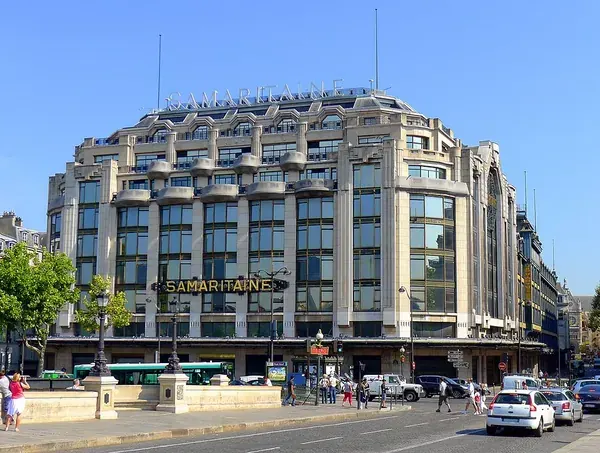
The Society of Decorative Artists became known during the Art Deco period. They worked to make this art style popular and well-known. These artists used beauty and skill in all their work.
This group loved using new styles and ideas. Their goal was always to create things that were both pretty and useful. From big buildings to furniture and small details, these artists made sure everything had a touch of Art Deco charm.
Vienna Secession and Wiener Werkstätte
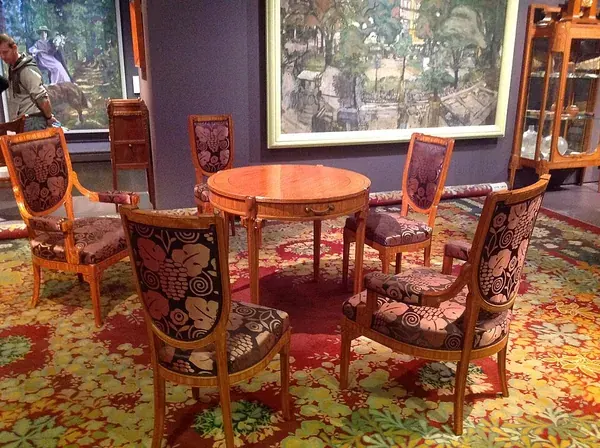
The Vienna Secession was a bold step in art. It broke old rules in Austria. The Wiener Werkstätte had the same goal. It was the first group to make new, exciting decorative arts in Austria.
Both of them used new ideas and made modern art pieces. They played a key part when Vienna was having its "golden age." Their work stirred up changes in design that we can still see today.
New materials and technologies
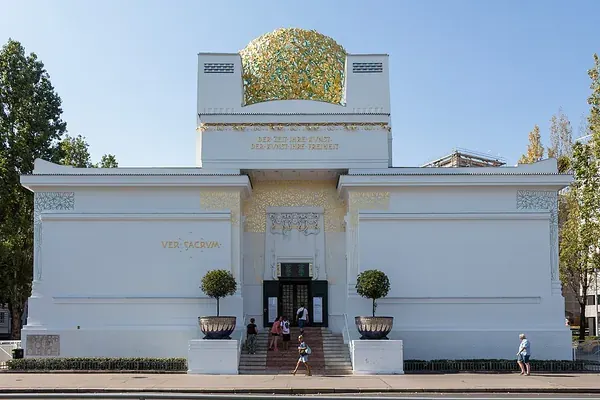
Art Deco changed the world of architecture. This was due in part to new materials and technologies. Chrome plating, stainless steel, and plastic became key parts of the design process.
These modern materials helped create sleek designs seen in buildings from the 1930s. They also paved the way for Streamline Moderne style. Art Deco architecture did not shy away from luxury either.
Exotic woods, marble, glass, chrome and polished metals were often used. Geometric shapes defined this style too. Long-lasting construction came from using strong materials such as these.
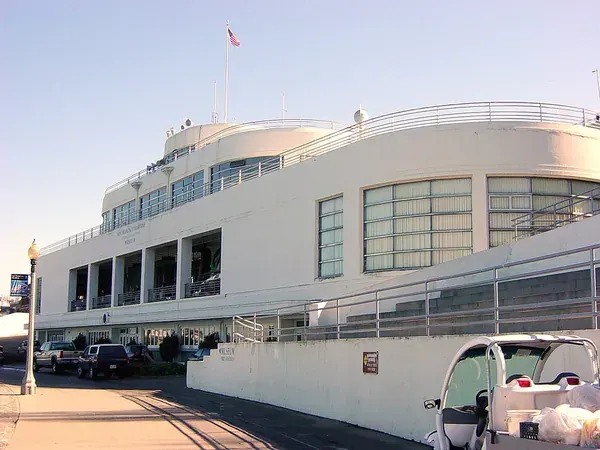
Characteristics of Art Deco Architecture
Delve into the fascinating world of Art Deco Architecture, with its emphasis on symmetry, sharp angles, and geometric designs that broke away from traditional styles even before modern architecture came into play.
Immerse yourself in the unique balance and harmony it brings to structures around you - uncover more in the subsequent sections!
Focus on symmetry and sharp angles
Art Deco loves sharp angles and symmetry. These traits make its designs striking to look at. Both sides often match in an Art Deco design. This balance gives a feeling of calm or peace.
Sharp angles add energy to the design. They turn simple shapes into strong, bold patterns. The zigzag pattern is a common choice for Art Deco artwork. It adds drama to the design and catches your eye quickly.
Use of geometric shapes
Art Deco architecture loves geometric shapes. Think of circles, squares, and triangles popping up everywhere. These forms give buildings a bold and modern look. They are part of both inside details and outside walls.
The style shows love for precision in every design. Even the lines are clean and sleek to match the shapes themselves. Every piece fits just right. This makes each building feel like looking at a stunning piece of art from far away or up close!
Pre-dating modern architecture
Art Deco came before modern architecture. Architects in the 1920s and '30s wanted a fresh style. They moved away from old styles that copied the past. Instead, they favored simple forms and geometric shapes.
These features give Art Deco its unique look. Clean lines were also key to this new design trend.
Symmetry and balance
Art Deco designs shine with symmetry and balance. The left side often gives a mirror view of the right, creating order in the form. Clean lines run across geometric shapes, adding rhythm to the composition.
This balanced approach brings out both unity and precision for a neat look. Such harmony not only boosts visual appeal but also offers an air of sophistication and elegance. Architects find this equilibrium important for aesthetics in Art Deco buildings.
Notable Examples of Art Deco Architecture
Explore how Art Deco has left a mark on iconic skyscrapers, commercial buildings, theaters, and residential structures across the globe. Dive into glamourous examples that showcase the uniqueness of this design approach with its rich color palettes, geometric motifs, and luxuriously streamlined aesthetics.
Delve into the details behind these captivating architectural wonders that continue to shape our urban landscapes today.
Skyscrapers and commercial buildings
Art Deco has left its mark on many skyscrapers and commercial buildings. The Empire State Building in New York City is a great example. It was the tallest building in the world from 1931 to 1971.
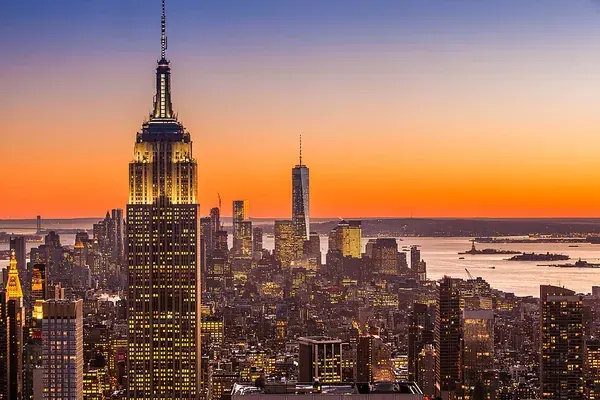
Its design shows Art Deco's love for sharp lines and symmetry. Another famous one is the General Electric Tower. This skyscraper shines with impressive geometric shapes, another key feature of Art Deco style.
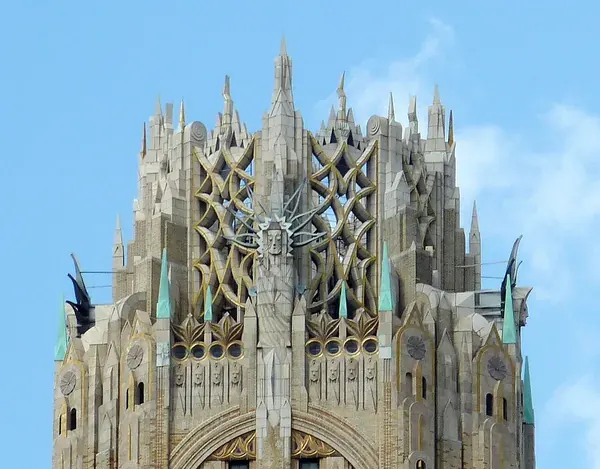
In Los Angeles, you can find more examples of this style in smaller buildings too, not just tall ones!
Theatres
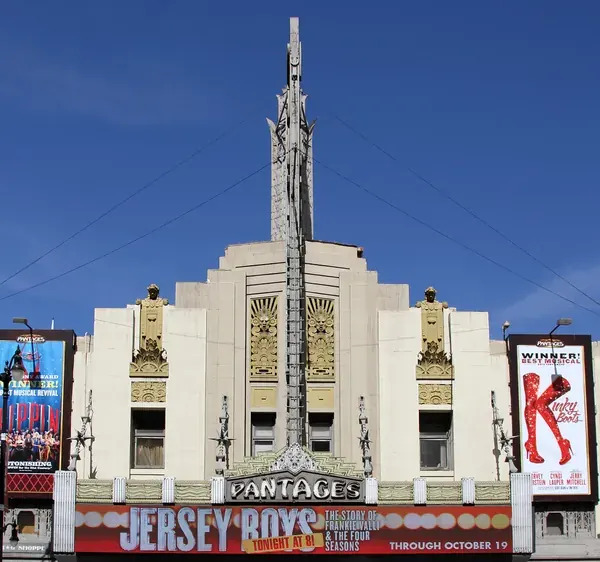
Art Deco changed the look of theatres. Fun designs like plaster, marble and mosaics were used. The Pantages Theatre in Los Angeles shows this style well. People liked these details.
They set a warm, happy mood for show-goers back in the 1920s and '30s! This happened not just in the U.S., but also in Europe. These theatres even had an impact on trends like fashion, room style, and product design.
Public buildings
Public buildings with Art Deco design are all around the world. The Delano hotel in Miami is a prime example with its bold geometric shapes.

In Belgium, the National Basilica of the Sacred Heart shows off bright color choices.
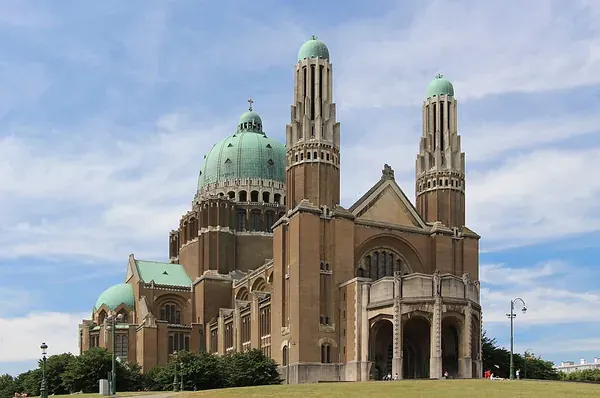
Then we have the Griffith Observatory in Los Angeles, a true Art Deco gem and one of the best of its kind on earth!
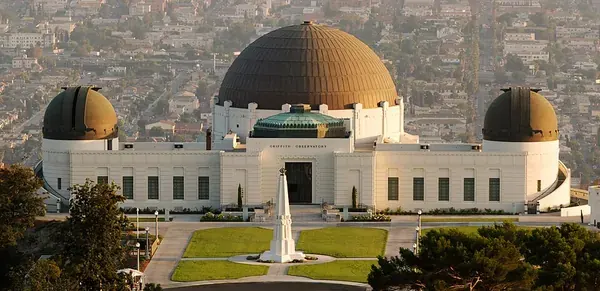
Each of these structures adds to our understanding and appreciation for this unique form of architecture.
Residential buildings
Art Deco takes a bold stand in residential buildings. These homes show off bright colors and sharp lines. The modern, sleek design feels fresh even today. You see this in the small details like door knobs and window frames.
Each home is a work of art. They speak of luxury with their rich designs and textures. Shapes from geometry are also part of this style's charm. The look gives us an echo of skyscraper aesthetics but on a smaller scale for living spaces.
Exploring Art Deco Architecture Around the World
This section delves into the global influence of Art Deco, showcasing striking examples from various continents and discussing how preservation efforts and Neo Art Deco designs continue to keep this distinctive style alive.
Examples in Africa, Asia, Europe, and the Americas
Art Deco's beauty can be seen across the world. This architectural style has left its mark from Africa to Asia, Europe, and the Americas.
- In Africa, Central Africa and South Africa are known for Art Deco.
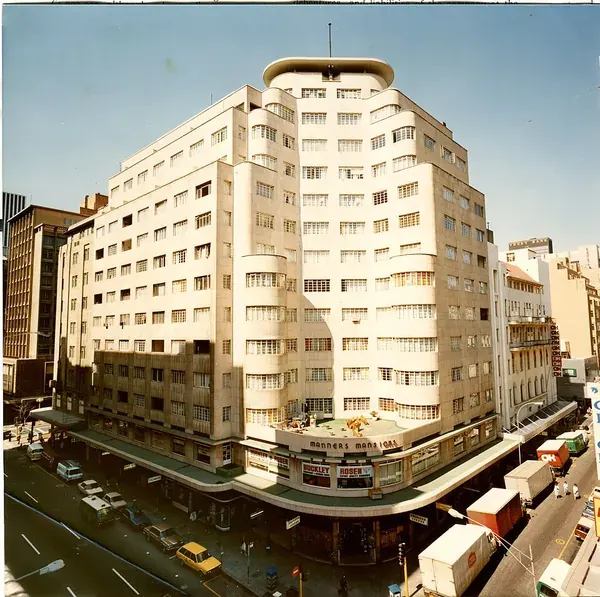
- Asia also has examples of Art Deco architecture. You can see it in hotels and train stations there.

- Moving to Europe, cities like Moscow have Art Deco designs too.
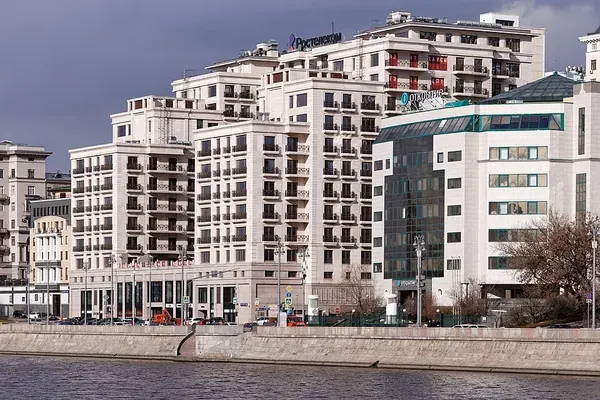
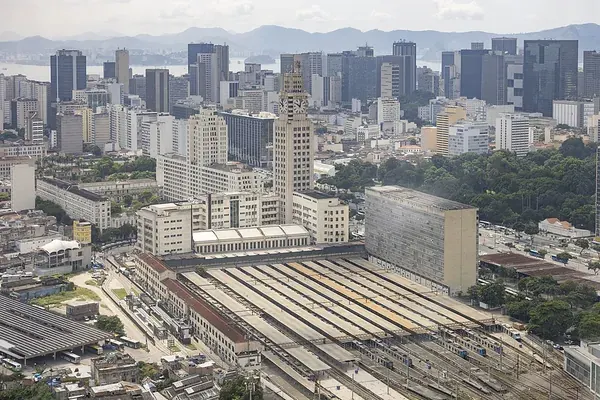
- And in the Americas, places like Rio de Janeiro are home to this architectural style's elegance. There was also a branch of Art Deco which mixed the essential characteristics of the style with ancient Maya's architecture and artistic motifs, called Mayan Revival.
Preservation and Neo Art Deco designs
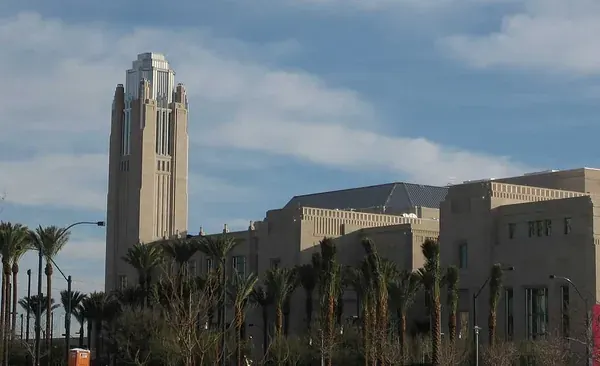
Art Deco designs are staying fresh. People still see them as stylish and clean. New buildings now pull ideas from the first Art Deco style, we call them Neo Art Deco. These buildings take sleek lines and geometric shapes from the past but mix in modern touches.
The goal is to keep the culture of Art Deco alive while adding a new spin to it. This pairing brings elegance and luxury that folks love about old styles into contemporary design.
The goal is to keep the culture of Art Deco alive while adding a new spin to it. This pairing brings elegance and luxury that folks love about old styles into contemporary design.
FAQs
1. What is Art Deco Architecture?
Art Deco architecture is a style of design that was popular in the 1920s and 1930s, known for its bold geometric shapes and rich colors.
2. Where can I see examples of Art Deco Architecture?
You can find examples of Art Deco architecture in many major cities worldwide, such as New York City or Miami Beach in the USA, or Paris in France.
3. Is there a difference between modern architecture and Art Deco?
Yes, modern architecture tends to be more minimalist and simpler than the decorative and ornate designs seen in Art Deco.
4. Can I use elements of Art Deco Architecture in my own house design?
Yes, using elements like bold lines or detailed ornamentation from this style can give your house an elegant look inspired by Art Deco architecture.
5. Why is it called 'Art Deco'?
It's called 'Art Deco' after an art exhibit held in Paris named "Exposition Internationale des Arts Decoratifs et Industriels Modernes" where this style gained popularity.

Rhino for Architects Course
Give your architectural skillset a major boost with the Rhino for Architects Course. Get over 60 hours of focused training tailored specifically for architects. Master commands and techniques to model, render, and animate architectural visualizations at the highest level. Click below for more information and watch your designs come alive!