Unraveling the complexities of architectural styles can be a daunting task, especially when it comes to Baroque architecture with its ornate designs. Originating from late 16th-century Italy, this flamboyant style is known for grandeur and affluence symbolization.
By diving into the origins, characteristics, and influence of Baroque architecture in this comprehensive guide, you'll gain an in-depth understanding that will help demystify these wonders of design history.
Ready to decode the complexity? Let's dive in!
Key Takeaways
- Baroque Architecture started in Italy, around the 16th century. It's famous for its ornate and grand designs.
- This style spread all over Europe and South America, because of its popularity with Catholic leaders and because of colonialism.
- Features such as bold geometric shapes, the use of light to create illusions, and detailed ornamentation are typical in Baroque architecture.
- Famous examples include St. Peter's Basilica by Michelangelo, Palazzo Barberini by Bernini, and the Palace of Versailles by Louis Le Vau.
- The art world was greatly influenced by Baroque design elements which continue to inspire modern architects today.
What is Baroque Architecture?
Baroque Architecture is a style that originated in Italy during the late 16th century, characterized by its ornate and elaborate designs. The movement flourished throughout Europe and South America, transforming classicism into an art of grandeur with its stunning use of curves, counter-curves, and detailed ornamentation.
Its theatrical nature was a direct response to the cold severity of Renaissance architecture, bringing about a wave of creative innovation in architectural design.
Definition
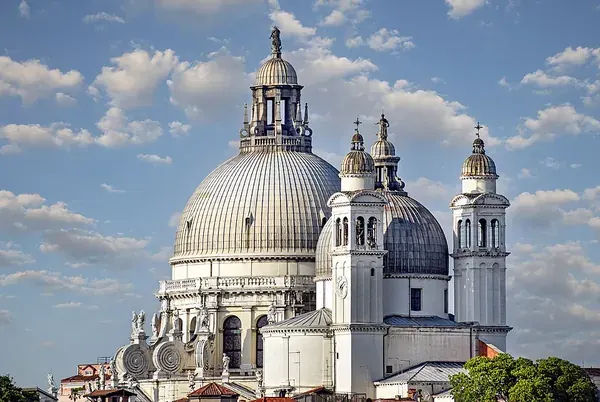
Baroque architecture, with its extravagant style, deeply influenced by Greek classicism, features intricate details and curved forms to create a sense of movement and depth.The term 'Baroque' often invokes images of ornate religious buildings filled with mannerist influences from ceiling to floor. Characteristics such as curves and counter-curves, typical for Baroque designs, contribute greatly to their unique aesthetics.By the late 17th century, this dynamic architectural trend spread across European regions like Germany making its mark on both religious and secular structures alike until well into the 18th century..
Origins in Italy
Italian architects of the late sixteenth century sparked the Baroque architectural movement. Known for its dramatic style and influence from classicism, this movement quickly flourished in Rome before spreading globally.
The era was primarily driven by religious circumstances during the Counter-Reformation. Religious officials and rulers found the display of wealth and power through architecture to be an effective tool for recruiting followers.
The Catholic Church strongly supported Baroque architecture, using its impressive complexities to visually counter reformed churches. This unique approach brought about a new era of rich and vibrant designs that became synonymous with high culture across Europe by the seventeenth century.
Ironically enough, although originating from Italy's heartlands, it was this widespread adoption throughout Europe that transformed the Baroque into a global phenomenon.
Spread throughout Europe and South America
Baroque architecture emerged in Italy and quickly spread across Europe, reaching South America by the late 16th to the 18th centuries.
- Its initial proliferation in Europe was largely due to its popularity amongst Catholic monarchs and states.
- Spain became a significant hub for Baroque architecture as Spanish colonies expanded across the globe.
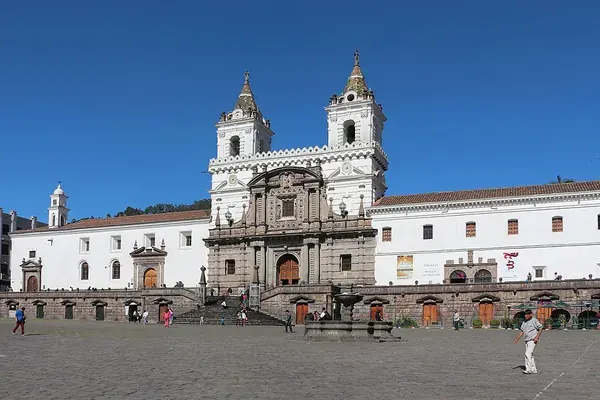
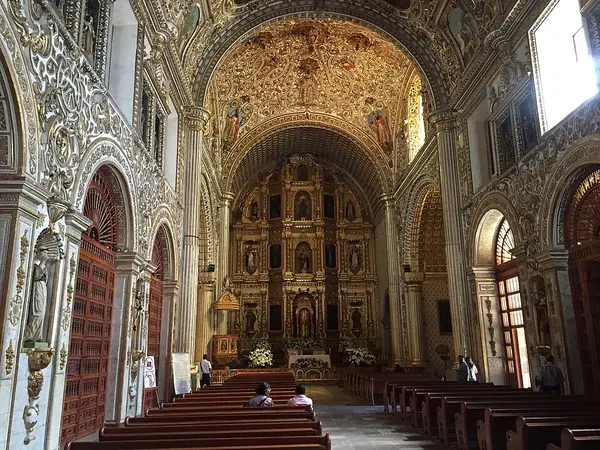
- The style was distinctly reflected in grand cathedrals established throughout South America, one notable example being the San Francisco Church in Quito, Ecuador.
- Portugal's colonization efforts led to the introduction of Baroque flair in Brazil's architectural scene with structures like São Francisco Church and Convent demonstrating the style's influence.
- In France, architects adopted a more restrained form of Baroque that emphasized symmetry and order.
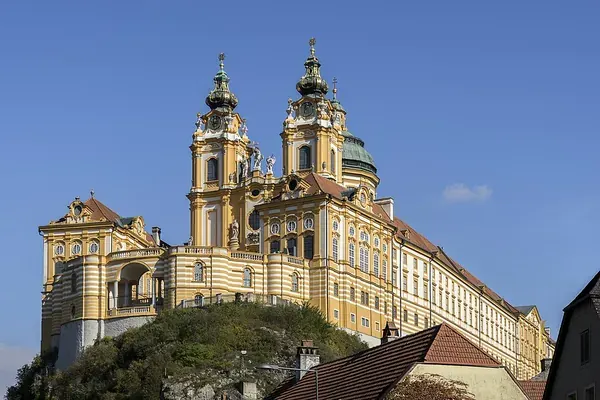
- Central Europe too embraced this architectural approach, giving birth to its distinct version known as Central European Baroque, visible in majestic structures such as Melk Abbey in Austria.
- The Baltic nations found their own interpretations of Baroque through the Polish-Lithuanian Commonwealth’s influence, prominently seen in the Rundāle Palace of Latvia and Wilanów Palace of Poland.
- Baroque architecture also made its mark on England through Queen Anne-style buildings including Kensington Palace.
Defining Elements and Characteristics of Baroque Architecture
Baroque Architecture is characterized by its grandeur, drama, and color. It commonly uses heavy ornamentation and bold geometric shapes to create a sense of awe.
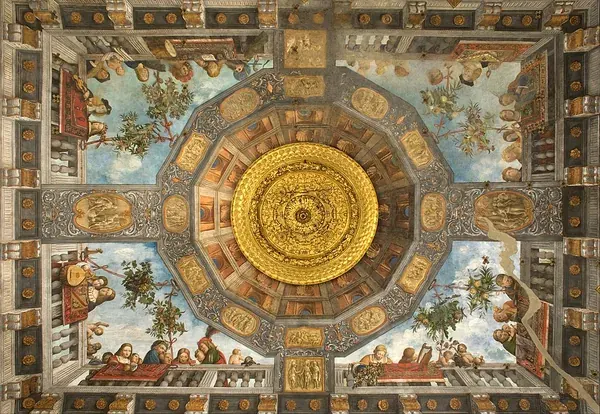
This style often includes the use of light and illusion through trompe l'oeil frescoes, which trick the eye into perceiving depth where there is none. In many ways, Baroque architecture reflects the influence of colonialism with numerous structures in Europe and South America showcasing this distinctive style.
Ornate and theatrical designs
Baroque architecture exhibits a sense of drama and movement in its designs. It introduces a combined usage of colors, textures, and flourishes that contribute to the theatrical atmosphere.
This style is celebrated for its complexity and elaborate details, which transform buildings into visually stunning masterpieces. The 19th-century regard for the ornate baroque style was a testament to its opulence and grandeur that made it stand out amongst other architectural styles.
The highly intricate designs often mesmerizingly blurred the lines between actual architecture and artistic illusion.
Use of light and illusion
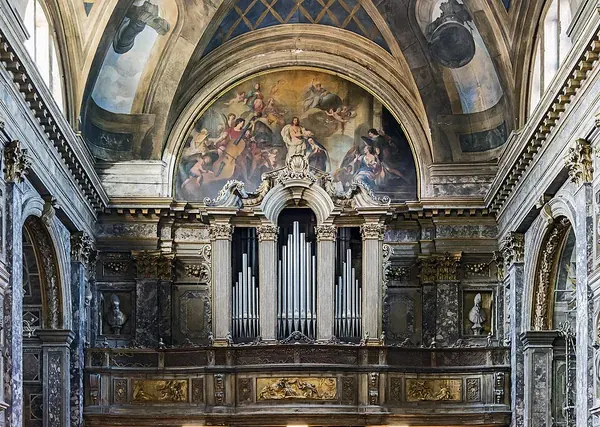
Baroque architects took grandeur to new heights by manipulating light in creative ways. The use of reflective surfaces, such as gilded moldings and mirrors, amplified natural light, creating a dramatic spectacle and reinforcing the imposing presence of Baroque buildings.
These majestic edifices often incorporate windows and domes into their design, further enhancing their opulence with an abundance of illumination.
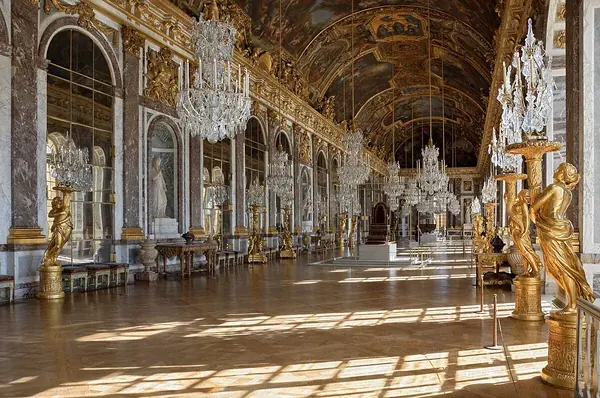
Going beyond lighting alone, illusion also played an instrumental role in baroque architecture. Tricks of perspective added depth while optical illusions brought static structures to life with a sense of movement.

This theatrical touch evoked the impression of costly materials even when none were present - adding another level of ornate extravagance to these already grandiose constructions.
Influence of colonialism
Colonialism played a significant role in spreading Baroque architecture throughout the world. Architectural trends from European nations, specifically Italy and France, found their way to colonies across Asia, Africa, and the Americas.
This transference was not only a process of copying styles but also involved active adaptation considering local tastes and needs. Thus, colonial cities became enriched with architecture displaying heavy ornamentation, reflecting the opulence of Baroque style elements.
The infusion of European influence in construction broadened the impact this style has had on global design evolution as well as cultural exchange processes over time.
Famous Baroque Architecture Examples and Architects
Dive into the Baroque architecture through the eyes of famous architects and their masterpieces such as Bernini's Palazzo Barberini, Michelangelo's St. Peter's Basilica, and Louis Le Vau's Versailles Palace.
Explore more in our detailed dissection of these architectural marvels!
Palazzo Barberini by Bernini
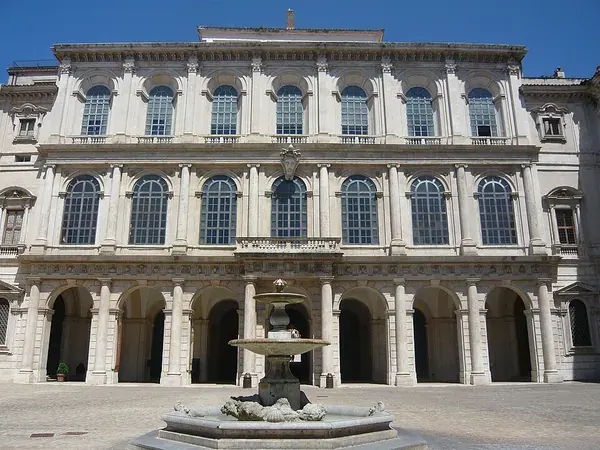
Carlo Maderno began designing the famed Palazzo Barberini, yet it was architects Francesco Borromini and Gian Lorenzo Bernini who completed this jewel of Baroque architecture in Rome.
The palace showcases dynamic flourishes along with a theatrical atmosphere, setting it apart from others of its kind. Rich colors and textures add depth to its design while decorative paintings give life to the interior walls.
Its grandeur is unparalleled, making it an architectural gem admired by many across the globe. Amongst numerous remarkable features, the striking staircase within Palazzo Barberini catches every visitor's eye.
This majestic structure remains a testament to Bernini's genius and his contribution to Baroque architecture.
St. Peter's Basilica by Michelangelo
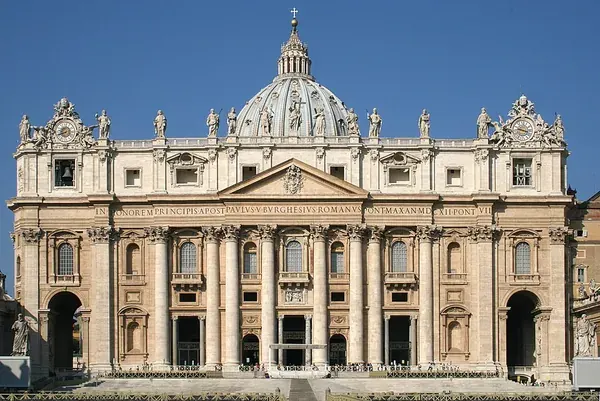
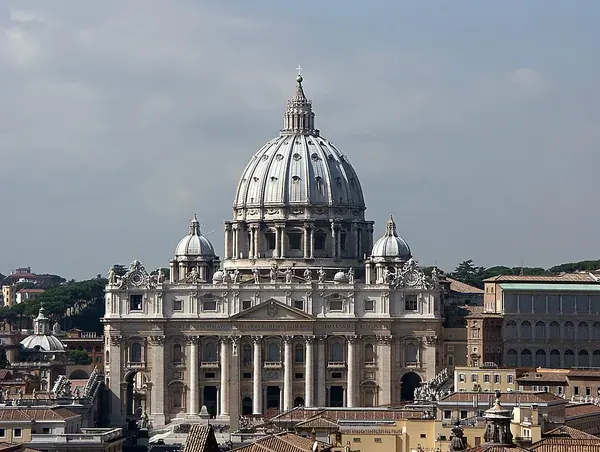
Michelangelo’s work on St. Peter's Basilica fuses Baroque aesthetics with Renaissance architecture in unique ways. Stunning architectural modifications added by the master himself portray an excellent example of his construction techniques, setting it apart from other structures of that era.
Michelangelo did not just limit his artistry to the structure; he also designed the breathtaking dome and contributed significant decorative elements within.
St. Peter’s Basilica reflects a compelling blend of styles, demonstrating how one edifice can encapsulate the transition from Renaissance simplicity to Baroque grandeur. The basilica's enduring influence and legacy in architecture remain undeniable today as it continues to inspire modern designs worldwide with its fusion of artistic innovation and structural practicality.
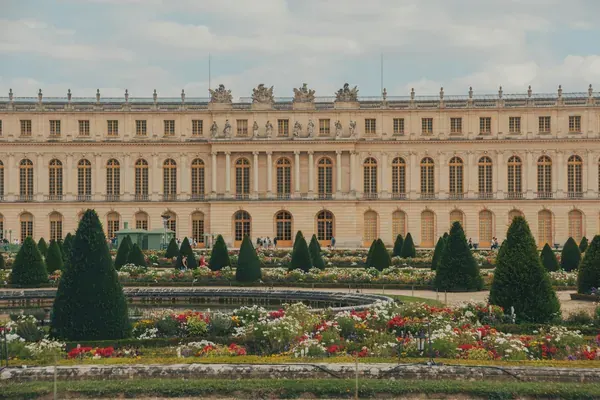
Versailles Palace by Louis Le Vauhttps://unsplash.com/@xavierqu?utm_content=creditCopyText&utm_medium=referral&utm_source=unsplash
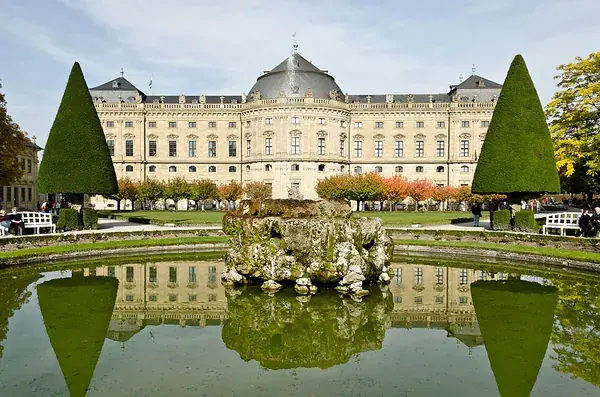
Louis Le Vau, a renowned name in Baroque architecture, is famously known for his work on the Palace of Versailles. His outstanding designs adorned not only the King's State Apartments but also extended to the Queen's State Apartments and white Château de Versailles.
The construction of this royal palace exemplifies how Baroque-era architects often worked collaboratively. Despite taking several years to complete, every detail crafted by Louis Le Vau resulted in what is considered one of the greatest examples of royal palace architecture from the Baroque era.
Importance and Influence of Baroque Architecture
Baroque architecture has significantly influenced the world of art and design. Its grandeur, elaborate ornamentation, and distinctive play with light continue to inspire modern architects today.
The style's aesthetic legacy is visible in many contemporary buildings across Europe and America. Moreover, it also played an essential role in shaping not only architectural but cultural landscapes around the globe during its prime era.
Impact on art and design
Baroque architecture left a mark on the world of art and design. This style, noted for its opulence and dramatic flair, transformed artistic expression across mediums. The emphasis on grandeur, richness, movement, tension, and emotional exuberance laid the groundwork for many subsequent movements and styles.
Artists began experimenting with dynamic shapes instead of staying within conventional boundaries, leading to a surge in expressive visual designs. Luxurious detailing became integral to interior design schemes as designers incorporated Baroque elements into their workspaces.
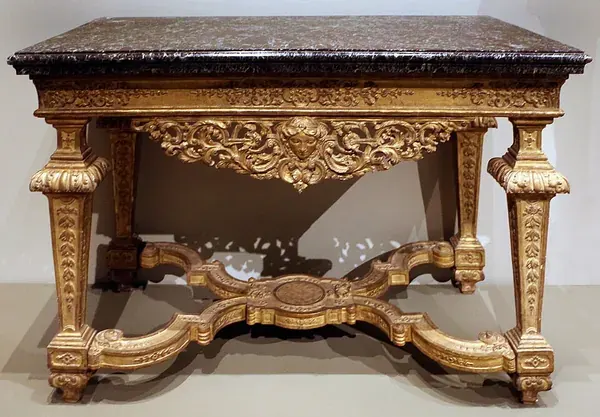
The energetic aesthetics of Baroque also seeped into fashion design giving rise to extravagant apparel that reflected a lively spirit similar to Baroque architecture's vitality. Thus, this influential architectural style not only revolutionized structural designs but also reshaped various sectors under the broader umbrella of art and design.
Legacy in present-day architecture
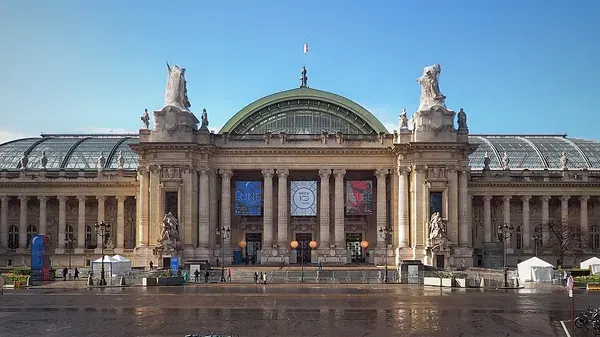
Many architectural designs that came after the Baroque period display a tangible influence of this grandiose style. The Beaux-Arts style, for instance, significantly derives from the principles of Baroque architecture.
From detailed sculptures to dramatic use of light and shadows, these elements synonymous with Baroque design appear in many modern buildings worldwide. Ottoman or Turkish Baroque offers another spectacular example of the cross-cultural impact of this era on contemporary architecture.
Today's monumental structures often reflect an amalgamation of various influences, among which 16th-century Italy's enduring legacy stands out prominently; recognizable traces prove resiliency against time's vicissitude despite numerous cultural shifts since its inception.
Conclusion
Baroque architecture imparts a grand sense of drama and movement through bold, ornamented designs that delight the senses. This art form seeped out from Italy and spread its influence far across Europe and South America.
The architectural drama, seen within the curvilinear forms and elaborate detailing, came to define this period of artistic expression. Its theatricality in design continues to impact modern architecture as architects still draw upon its rich lexicon for inspiration.
From neoclassical structures to Rococo interiors, echoes of Baroque's grandiose style imbue contemporary designs with an element of extravagance reminiscent of the bygone ages.
FAQs
1. What is Baroque architecture?
Baroque architecture is a style originating in Italy in the late 16th century, known for its extravagant details, bold colors, and dramatic use of light.
2. How can you identify Baroque architecture?
You can identify Baroque architecture by its lavish decorations, large-scale ceiling frescoes, curved forms, and twisted columns.
3. When did the Baroque architectural period occur?
The main period of Baroque architectural design took place between 1600-1750.
4. Where did the influence of Baroque architecture spread?
The influence of Baroque architecture spread mainly across Europe affecting countries such as France, Spain, and Germany but also reached places like Latin America.
5. Who were some famous architects during the Baroque period?
Some famous baroque architects include Gian Lorenzo Bernini, Francesco Borromini, and Andrea Pozzo.

Grasshopper Complete Course
Give your architectural skills a boost with the Grasshopper Complete Course. Get over 50 hours of comprehensive Grasshopper training tailored for architects. Learn to generate and iterate designs faster. Click below for more information and streamline your workflows!