The allure of Bauhaus architecture is timeless, yet it can be challenging to grasp its significance in modern design. Originating in the early 20th century, Bauhaus merged art with functionality, shaping today's architectural landscape.
Our article delves into this innovative movement, guiding you through its historical roots and distinctive features. Discover the essence of Bauhaus that continues to inspire architects around the globe.
Key Takeaways
- Bauhaus architecture began in Germany and mixed art with industry. It made buildings simple, useful, and beautiful.
- The style uses materials like steel, glass, and concrete openly so people can see the true nature of these materials.
- Today's architects still learn from Bauhaus ideas. These ideas help them make smart buildings that don't waste space or money.

Origins of Bauhaus Architecture
The inception of Bauhaus architecture took root in a cultural milieu ripe for revolution, with its origins deeply connected to the rise of German Modernism and the innovative educational model of Moscow's Vkhutemas. This interplay birthed a term and concept that promised nothing short of an avant-garde transformation in architectural design - an ethos where form met function.
Term and Concept
Bauhaus architecture began as a bold idea by Walter Gropius. He started the Bauhaus school in 1919 in Weimar. He wanted to bring art and industry together. This meant combining crafts, fine arts, and new technology to create buildings and objects for the modern world.
The name "Bauhaus" comes from two German words: "bauen" (to build) and "Haus" (house). But it was more than just about building houses—it was about thinking how everything in the house could be made beautiful yet simple, useful yet artistic.
This style liked clean lines and geometric shapes. It wasn't just fancy but also smart in using materials like glass, steel, and concrete in new ways.
As political currents shifted in Germany, the Bauhaus adapted and relocated – first to Dessau in 1925 and later to Berlin in 1932 – each move imprinting new influences on its architectural endeavors before its untimely closure under Nazi pressure in 1933.
Influence of German Modernism and Vkhutemas
German Modernism set the stage for what became Bauhaus architecture. In the late 1800s, artists and designers in Germany were trying new things. They wanted to make art that was useful and looked good.
This is where some of the ideas behind Bauhaus began.
The school Vkhutemas from Russia also had a big part in shaping Bauhaus. It was like the Russian version of Bauhaus and started around the same time. Both schools thought that making art, design, and architecture should all work together.
They liked simple designs that were easy to make lots of times over. These two influences helped create a whole new way to think about buildings and design that spread all over the world.
Characteristics of Bauhaus Architecture
Bauhaus architecture revolutionized design with its unique approach that emphasized functionality, economic sensibility, and "truth to materials," showcasing the raw beauty of steel, glass, and concrete without concealment or ornamentation. These characteristics fostered an avant-garde vision of minimalist architecture that continues to influence contemporary design principles around the globe.
Focus on "truth to materials"
Bauhaus architects believed in showing off what stuff is really made of. They didn't cover up bricks, steel, or concrete with fancy decorations. Instead, they let each material's natural look shine through.
This principle guided architects toward visual honesty where a building's structure and its means of construction were made plainly visible.
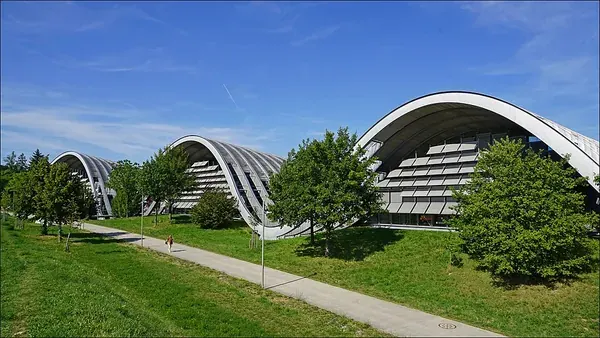
This idea changes how architects think about design. It encourages them to choose materials that fit a building's purpose and shows them off in a simple but beautiful way. When you look at a Bauhaus building, you can often see the parts it’s made from right away – like glass that lets light pour in or raw concrete shaped into smooth walls.
Economic sensibility
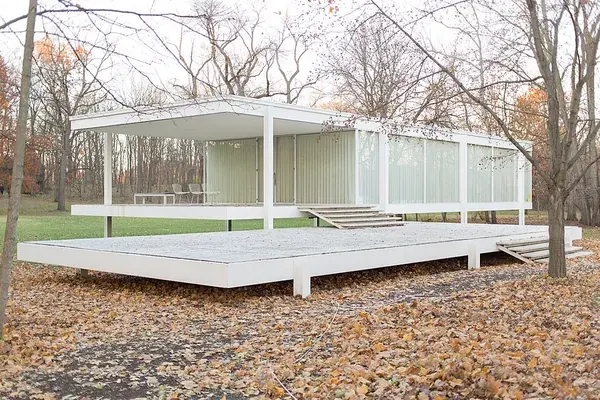
Economic sensibility was a big deal in Bauhaus architecture. These buildings were made to not waste materials or money. Every part of the building had a job, and nothing extra was added just for looks.
This meant that people could build more with less, saving time and resources.
The ideas from the Bauhaus school changed how people thought about making things for everyone, not just the rich. They showed that good design could be made for mass production. This way, nice-looking and useful buildings became something more people could enjoy without spending too much money.
Emphasis on mass production
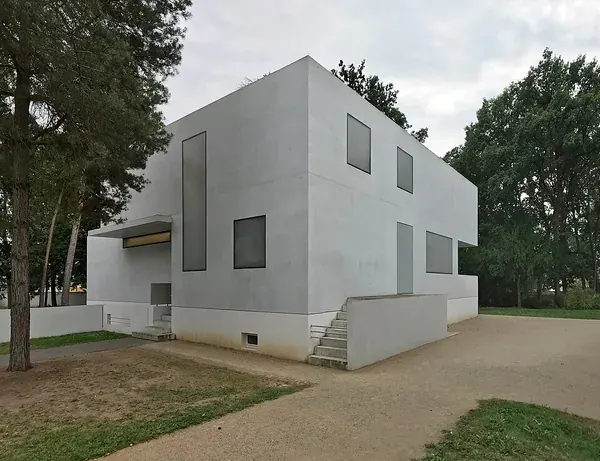
Bauhaus architects liked to make buildings in a way that they could be built quickly and easily by lots of people. This was called mass production. They wanted good design to not just be for rich people but for everyone.
The Bauhaus style used simple shapes and straight lines which meant that the parts could be made fast and didn't cost much money.
They also made sure their buildings could change if needed. For example, walls inside were often made so you could move them around to make new spaces without a lot of work or extra cost.
This idea changed how we think about making and enjoying places where we live, work, and play. Bauhaus taught us that smart design can help make good things more available to more people.
Notable Examples
Bauhaus architecture left us with amazing buildings that changed how we design and build. The work of Walter Gropius and his fellow teachers and students at the Bauhaus school made a big mark in the world of modernist architecture.
Fagus Factory
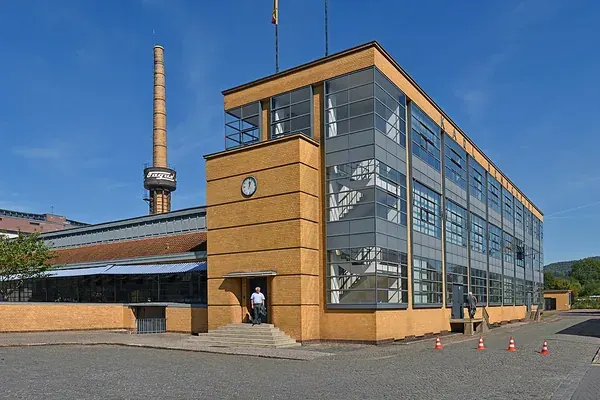
The Fagus Factory, an early example of modern architecture dating back to around 1910, was Gropius's first project. It's celebrated for its use of large glass panels and a minimal load-bearing structure, presaging the functionalist style later associated with the Bauhaus.
Bauhaus Dessau
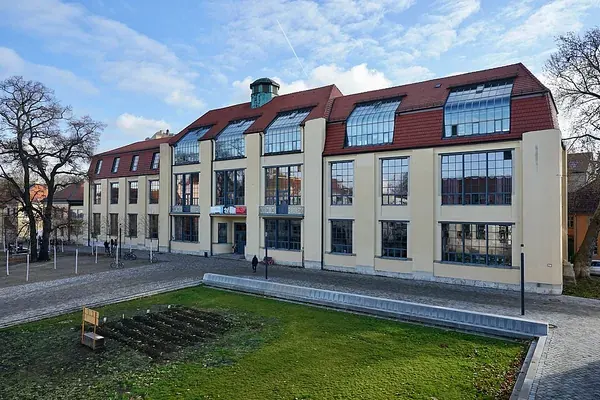
The Bauhaus Dessau, constructed between 1925 and 1926, is heralded as the epitome of pre-war modern design in Europe, combining industrial character with cultural heritage. Designed by Walter Gropius, it exhibits a glass facade over a load-bearing framework, allowing interior visibility and featuring modernist trademarks such as steel-frame construction and a glass curtain wall.

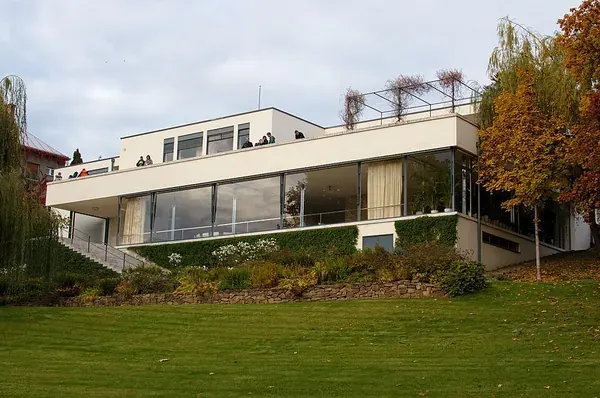
Villa Tugendhat
Villa Tugendhat in the Czech Republic, designed by Ludwig Mies van der Rohe and Lilly Reich in the late 1920s, is considered a pioneer of modern European architecture. It features functionalist elements like free-flowing interior spaces, extensive use of glass, and advanced technological systems for its time.
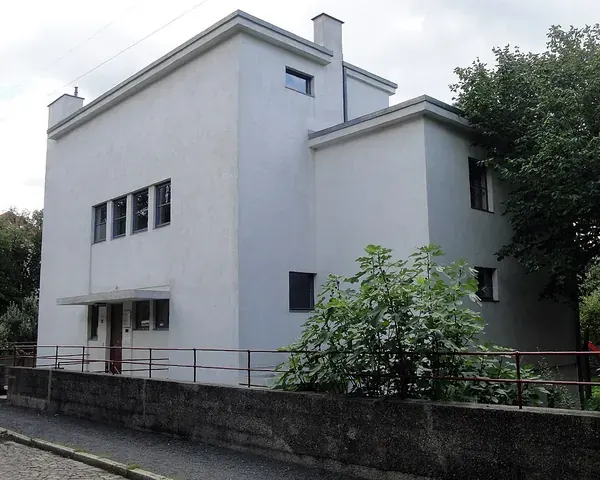
Auerbach House
Lastly, the Auerbach House in Jena, designed in 1924 by Gropius and Adolf Meyer, was one of the last projects of Gropius's Weimar studio. It showcases a modern movement style with its clear volume created by stone and stucco, and a vibrant color scheme throughout the interior and exterior, aiming for simplicity yet completeness in its residential program.
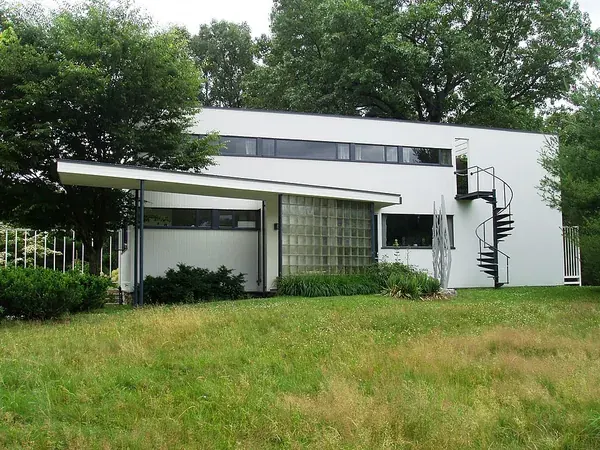
The Gropius House
The Gropius House in Massachusetts, built in 1938 by Walter Gropius, is an exemplary modernist structure that harmoniously blends traditional New England materials with modern ones such as glass block and chrome banisters, reflecting the integration of interior and exterior spaces.
Impact and Legacy of Bauhaus Architecture
Bauhaus architecture launched revolutionary designs that forever altered the landscape of modern construction and inspired countless subsequent movements in design. Let’s look into its enduring influence on today's architectural scene.
Groundbreaking designs and influence
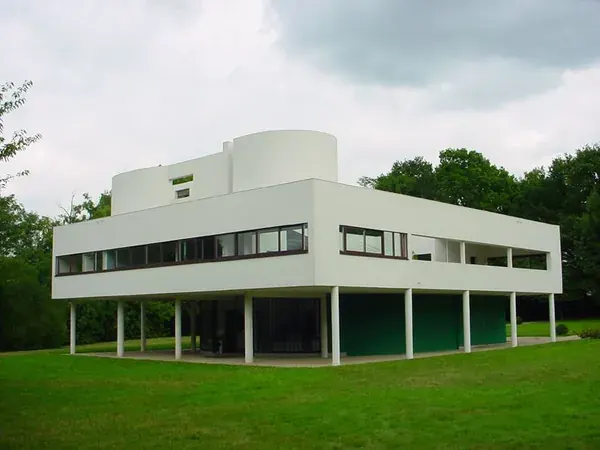
Bauhaus architecture changed the way buildings and homes were designed. Architects started to use steel, glass, and concrete in new ways. They made structures with clean lines and no extra decoration.
These new ideas reached cities around the world. Buildings went up using the same simple shapes and modern materials. The look became popular because it was fresh and worked well for schools, houses, and offices.
Architects around the world saw what Bauhaus was doing and were inspired to develop new styles, such as the International Style. Buildings made in the International Style don't have extra decorations; they are all about being useful.
Legacy
The Bauhaus movement's enduring legacy manifests in the iconic White City of Tel Aviv, a UNESCO World Cultural Heritage site and a testament to its architectural revolution; as we celebrated its centenary in 2019, the spirit of Bauhaus lives on through initiatives like the New European Bauhaus, inviting architects to shape future skylines inspired by this avant-garde tradition.
Explore further to discover how today’s design frontiers are being reimagined with Bauhaus principles at their core.

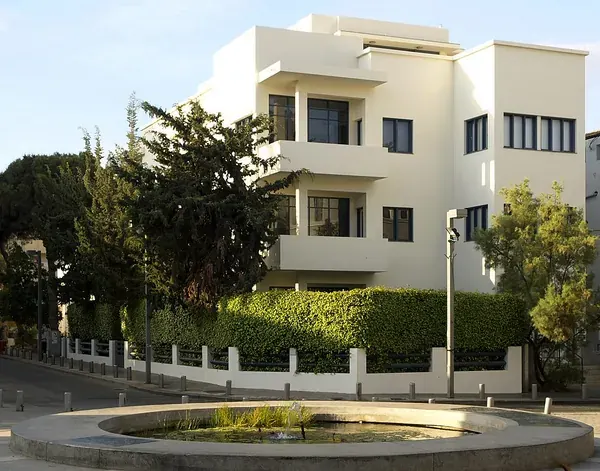
- The White City
The White City of Tel Aviv stands out with over 4,000 buildings inspired by Bauhaus architecture. This collection showcases the design and ideas that came from the creative minds at the Bauhaus school.
In 2003, UNESCO recognized this area as a World Cultural Heritage site because it is a treasure trove of modernist architecture.
Architects from Germany who studied at the Bauhaus brought their knowledge to Tel Aviv in the 1930s to '50s. They used local materials and created simple, functional designs that suited the hot climate.
Today, these buildings are not just homes or offices; they tell stories of hope and new beginnings for those fleeing persecution in Europe. The White City is an open-air museum you can walk through, witnessing firsthand how Bauhaus made a mark on the world.
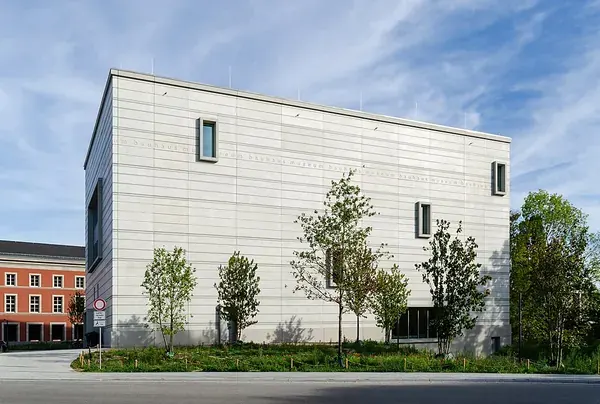
- The Bauhaus Museum Weimar
The Bauhaus Museum Weimar, designed by Heike Hanada and opened in 2019, on the 100-year anniversary of Bauhaus, stands as a testament to the Bauhaus movement. It presents the Weimar collections of the State Bauhaus with a minimalist concrete structure, emphasizing the movement's early period through its clear geometry and inviting front plaza.
The New European Bauhaus
The New European Bauhaus is breathing new life into the ideas that made the original movement so powerful. This fresh chapter draws on the rich legacy of Bauhaus, combining art, society, and technology in innovative ways.
Its aim is clear: to spark a green transformation across Europe by blending design's creativity with sustainability's urgency.
Architects today are looking at The New European Bauhaus as a guiding star for future projects. It pushes for bold architectural innovation while keeping an eye on environmental friendliness and social goodness.
By doing this, it hopes to solve some of today's big worries about how modern-making can sometimes forget about art's heart.

Grasshopper Complete Course
Give your architectural skills a boost with the Grasshopper Complete Course. Get over 50 hours of comprehensive Grasshopper training tailored for architects. Learn to generate and iterate designs faster. Click below for more information and streamline your workflows!