As architects, we constantly seek to blend timeless design with modern functionality, a challenge that can often seem daunting. Beaux-Arts architecture represents the pinnacle of such an endeavor, harmonizing classical grandeur with practical elegance.
This blog post delves into the rich history and enduring influence of Beaux-Arts style on global architecture—offering you insights to elevate your own design projects. Discover the grace of Beaux-Arts; let's uncover its secrets together.
Key Takeaways
- Beaux - Arts architecture combines old styles from Greek and Roman buildings with fancy designs of the French Baroque. It uses symmetry, big columns, grand stairs, and lots of details to make buildings look strong and elegant.
- This style has examples all over the world like New York City's Grand Central Terminal and Paris' Palais Garnier. These famous places show how Beaux-Arts can make cities more beautiful.
- Many architects learned to create Beaux-Arts buildings at the École des Beaux-Arts in Paris. People there mixed classic beauty with new ideas to design places that are both useful and amazing to see.
- Buildings made in the Beaux-Asian style are loved even today because they last long and keep inspiring new architects. They teach us that good design can come from blending history with modern thinking.
What is Beaux-Arts Architecture?
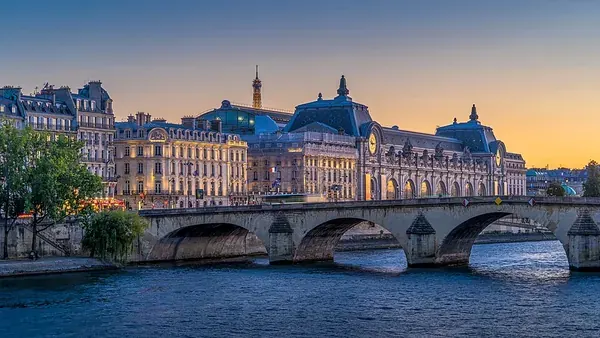
Beaux-Arts architecture, born from the prestigious École des Beaux-Arts in Paris, is a style that marries classical Greek and Roman design principles with Renaissance grandeur. This architectural form exhibits an opulence characterized by symmetry, sculptural surfaces, and elaborate detailing – a testament to its roots in French Baroque traditions as well as influences from other artistic movements.
Noted for its grand stairways, ornate facades, and detailed sculpture work, Beaux-Arts stands as a symbol of elegance and permanence in the historical narrative of design.
History and Origins at École des Beaux-Arts in Paris
The École des Beaux-Arts in Paris played a big part in starting the Beaux-Arts architecture style. This place was all about fine arts and teaching students how to make buildings look grand and fancy.
It began getting popular around the 1830s, lasting until the late 1800s. Here, architects learned to mix old ideas from Greek and Roman architecture with new ones. They made buildings that were not only strong but also very pretty to look at.
Teachers like Labrouste, Duban, Duc, and Vaudoyer helped spread these ideas. They thought good design should show off history's best styles mixed with modern touches. Students there got a top-notch education in making beautiful buildings that many still admire today.
The school became famous for shaping how cities looked across the world because of its influence on what architects created during this time.
Characteristics and influences
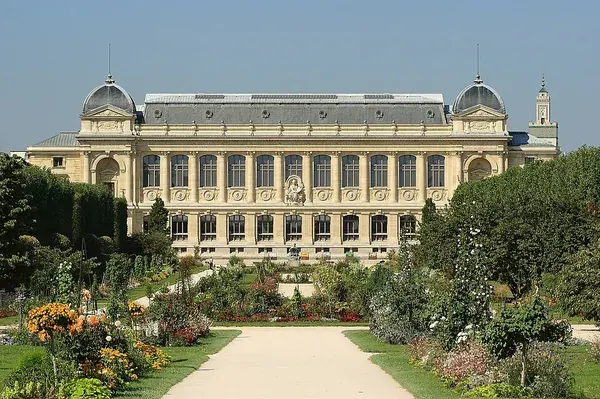
Beaux-Arts architecture brings together the big and beautiful ideas from old Greek and Roman buildings. It takes what is strong and pretty about them to make something new. This style likes things to match on both sides, which makes buildings look calm and well-put-together.
You can see this balance in the École des Beaux-Arts building itself.
This kind of design also mixes many different styles like Classical Architecture and Renaissance Revival. These influences help Beaux-Arts stand out with its special blend of fancy details, bold shapes, and rich decorations.
Big arches, tall columns, and grand stairs are some parts that make these buildings feel important and special.
French Baroque also played a big role in starting Beaux-Arts architecture. This style took great ideas from the grand and fancy buildings of France's past. They loved using lots of decoration to make each part of a building look like it all fit together perfectly.
Notable Examples of Beaux-Arts Architecture
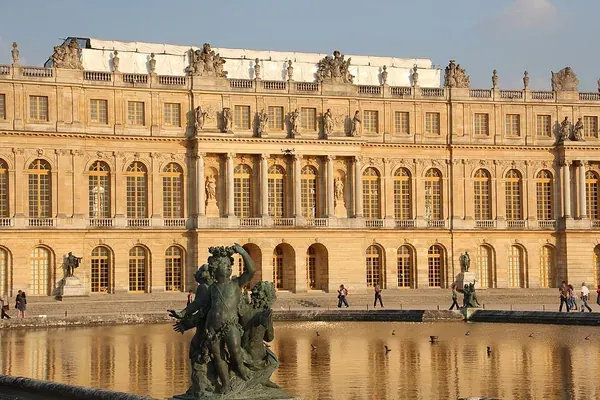
Amidst the spread of Beaux-Arts architecture, numerous landmarks stand as testaments to its grandeur and enduring appeal; from Paris' opulent Palais Garnier to New York City's majestic New York Public Library, these structures showcase the global reach and artistic significance of this elegant architectural style.
Beaux-Arts Buildings across the world
Beaux-Arts architecture shows its beauty all over the world. Many countries have buildings that stand as a testament to this elegant style.
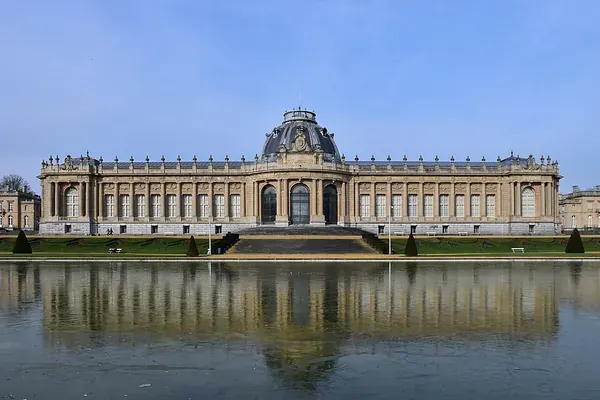
- Belgium: The Royal Museum for Central Africa is a perfect example of Beaux-Arts with its grand facade and detailed sculptures.
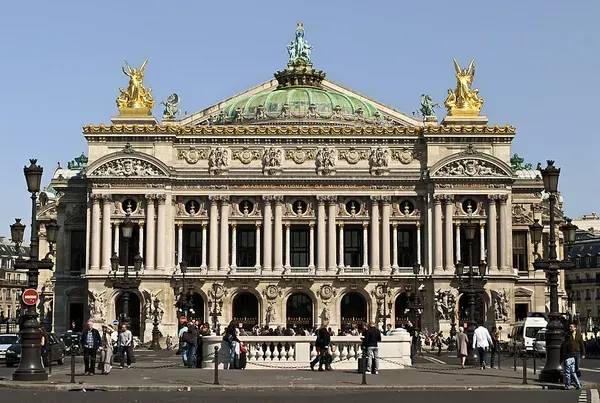
- France: In Paris, the Palais Garnier opera house boasts ornate decorations and classic Beaux-Arts features like columns and a majestic staircase.
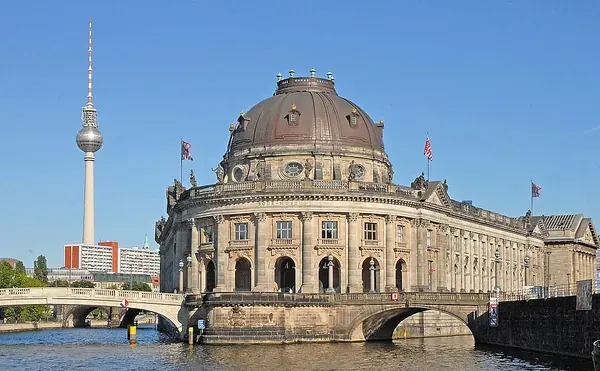
- Germany: The Bode Museum in Berlin displays Beaux-Arts through its dome structure and beautifully crafted facades.
-
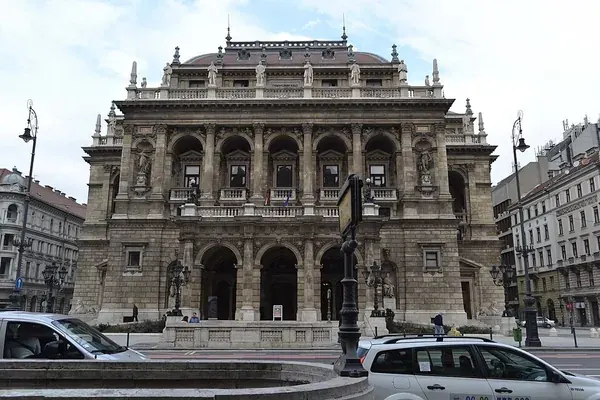
Hungary: The Hungarian State Opera House in Budapest mixes Renaissance and Baroque elements into its Beaux-Arts design.
- Italy: The Galleria Sciarra in Rome showcases frescoes and ironwork, combining fine arts with architecture.
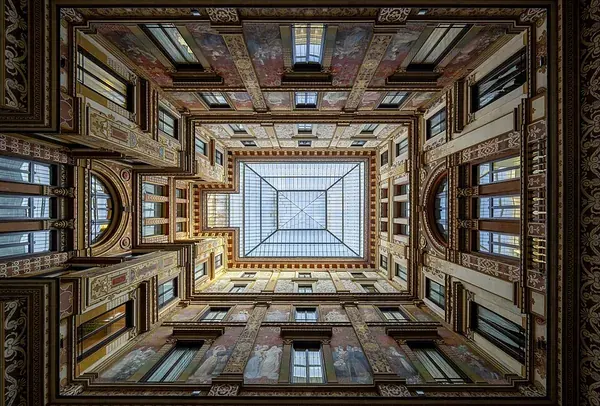
- The Netherlands: Amsterdam's Central Station brings Beaux-Arts to life with intricate stone carvings and symmetrical design.
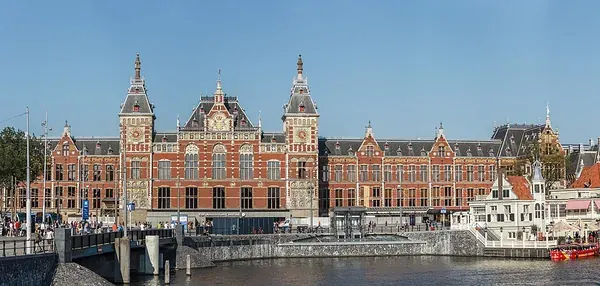
- Portugal: The Rossio Railway Station in Lisbon is another grand structure with typical Beaux-Arts style archways.
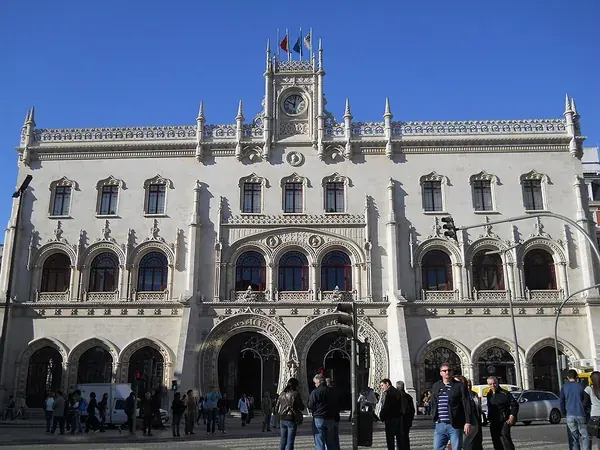
- Romania: Bucharest's Central University Library stands out for its balance of functionality and ornamental design from the Beaux-Arts tradition.
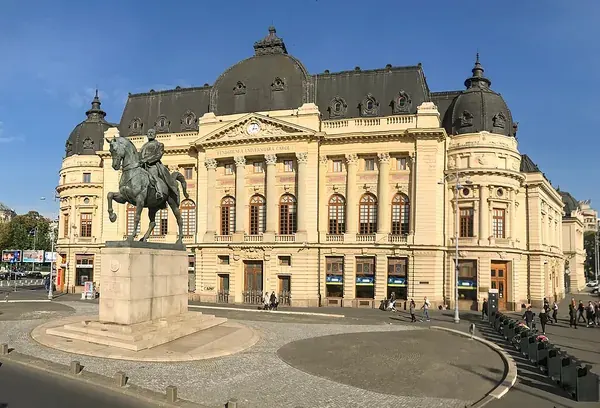
- Spain: Madrid's Banco de España reflects the influence of French architectural style with rich decorations and solid construction.
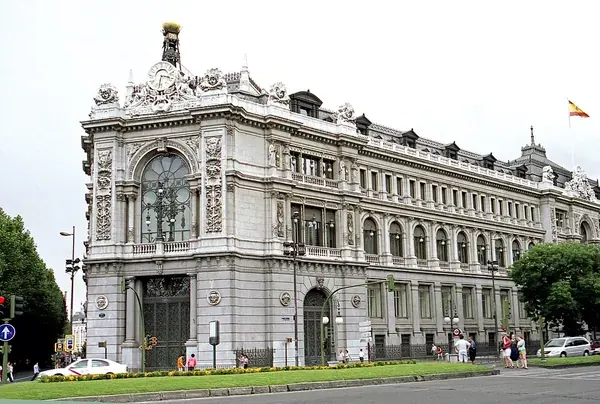
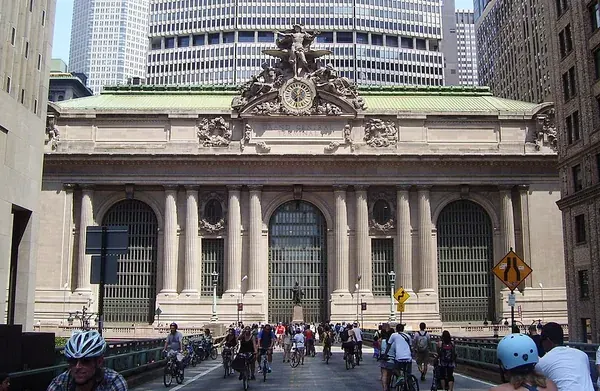
- North America: New York City's Grand Central Terminal serves as an iconic Beaux-Arts landmark, known for its vast spaces and enduring details.
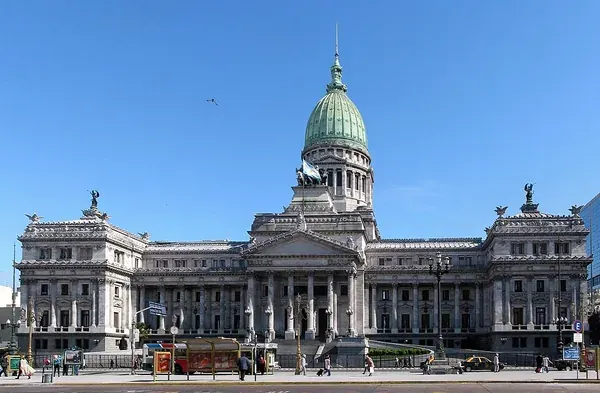
- South America: The Argentine National Congress in Buenos Aires incorporates monumental stairs and classical columns as part of its striking design.
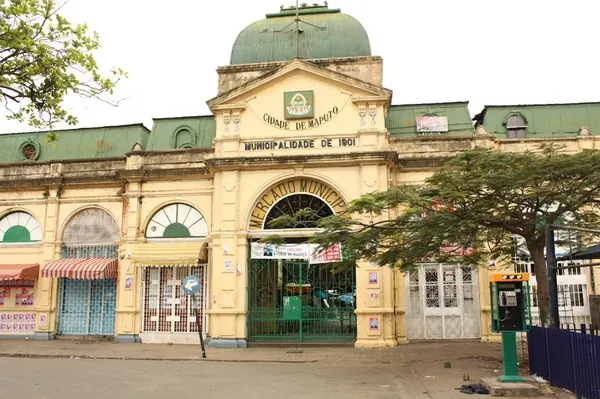
- Africa: Central Municipal Market of Maputo, Mozambique, represents Beaux-Arts architecture fashioned with local cultural influences.
- Asia: Mumbai's Chhatrapati Shivaji Maharaj Terminus is an imposing blend of traditional Indian designs infused within the Beaux-Arts framework.

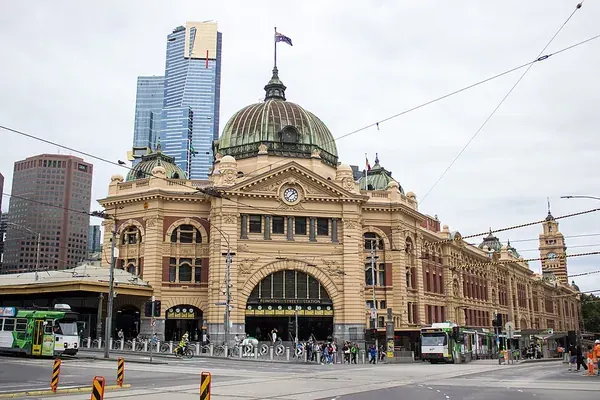
- Oceania: In Australia, the Flinders Street Station in Melbourne demonstrates how cultural heritage can be encapsulated through historical architectural styles like the Beaux-Arts.
Impact and Influence of Beaux-Arts Architecture
Beaux-Arts architecture heralded an era of grandeur and elegance, weaving Greek and Roman classicism into the fabric of modern cities; this seeped into the United States skyline as well. Let’s delve in and explore this further!

Beaux-Arts in America
Beaux-Arts architecture shaped American cities with its grand style. After learning from Paris's best schools, American architects brought home ideas of beauty and power. They designed buildings to show off America's growth and dreams.
Think big banks, museums, and libraries with columns and domes that remind you of Rome's ancient glory.
This style helped stitch together the past and future. It made city skylines tell stories about where Americans came from and where they hoped to go. These stone and marble giants still stand tall in places across North and South America, telling tales of a time when America reached for the stars through its buildings. The style inspired other forms of architecture, for instance, Mediterranean.

Examples of Beaux-Arts buildings in NYC
New York City boasts some impressive Beaux-Arts buildings. These structures stand out with their classical elegance and detailed design.
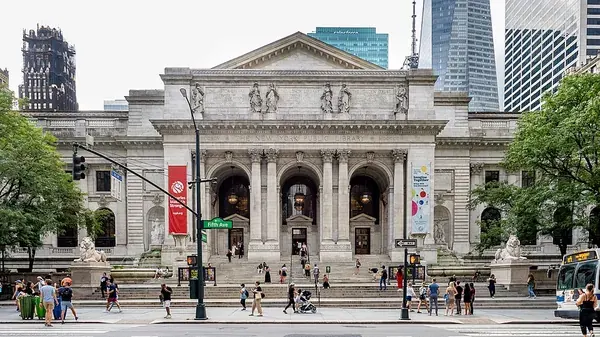
- New York Public Library: Its grand arches and intricate sculptures show off the style's love for ornate details and classical beauty. It's not just a library but a symbol of New York's historic architecture.
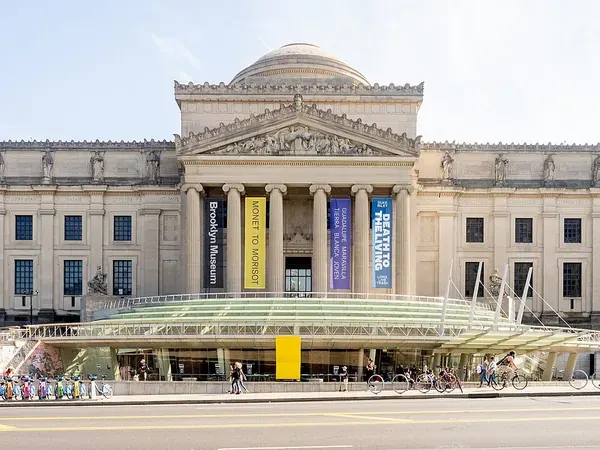
- Brooklyn Museum: With its magnificent columns and steps, this museum looks like a Greek temple in the heart of Brooklyn. It reflects the Beaux-Arts tradition of making public buildings look important and beautiful.
- The Metropolitan Museum of Art: Another gem that architects admire for its grand scale and classic look. The Met combines Greek and Roman influences with modern needs, making it a true example of Beaux-Arts influence in America.

Modern interpretations of Beaux-Arts style
Today's architects find fresh ways to bring Beaux-Arts style into the 21st century. They mix the grandeur and classic beauty of old designs with modern needs. Think of big windows, fancy roofs, and lots of detail but with new materials and smart building methods.
Some people even add green spaces or use energy-saving tricks while keeping that historic feel.
New buildings are popping up that mirror those elegant Beaux-Arts ideas—the love for classical design, the use of historical forms—but they're built for today's world. These places might be museums, libraries, or even houses where people want a touch of the past made new again.
They show respect for traditional architecture while still making room for new technology and comfort.

Rhino for Architects Course
Give your architectural skillset a major boost with the Rhino for Architects Course. Get over 60 hours of focused training tailored specifically for architects. Master commands and techniques to model, render, and animate architectural visualizations at the highest level. Click below for more information and watch your designs come alive!