Curious about the concepts and benefits of biomimetic architecture? This growing trend takes cues from nature to create stunning, sustainable designs. In this guide, we'll uncover how modern tools and technology make it possible for architects to mimic nature in their work.
Stay tuned as we delve into a world where design meets biology for an extraordinary architectural experience.
Key Takeaways
- Biomimetic architecture uses ideas from nature to make better buildings.
- This kind of design helps save power and cut waste, so it's good for our planet.
- There can be challenges with this type of planning. It might cost a lot or be hard to work out all the details.
- Many famous buildings use biomimicry in their designs like The Eiffel Tower and The Gherkin.
- In the future, we may see more people using new tools and machines to build biomimicry.
Overview
In the overview, we delve into the concept of biomimetic architecture, defining it and unpacking its philosophical underpinnings. We explore how this design discipline takes cues from nature to create structures that are efficient, sustainable, and harmonious with their surroundings.
This section also offers insights into why architects turn to biology for inspiration when designing built environments.
Definition
Biomimetic architecture is a type of design. It uses ideas from nature to solve problems in building designs. This way, the buildings can be more helpful to our world by using less power or making less waste.
They take cues from things found in nature and apply them to modern building plans. This kind of design cuts down on the use of natural resources and helps reduce carbon footprints.
So, biomimetic architecture not only copies the looks but also the ways of how plants and animals work and live together for better results.
Philosophy
Biomimetic architecture carries a deep idea. It tells us to learn from nature and use its tricks in our works. This way of thinking forms the heart of it. Nature has many smart ways to solve problems, which is why many firms, such as HOK Architects and Ateliers Jean Nouvel employ these principles.
It is good at using energy well, reusing stuff, and keeping things in balance. Architects copy these traits when they use biomimetic solutions in their plans. We see this thought process take shape in buildings that have less harm on the Earth.
They use less power but still work well for people inside them.
Principles of Biomimetic Architecture
The principles of biomimetic architecture revolve around the imitation of nature's models, systems, and elements. This approach finds application in solving human problems, creating resourceful designs that optimize functionality and aesthetics by mimicking biological processes.
Nature Imitation
Imitating nature plays a big role in biomimetic architecture. It uses three levels of nature: organism, behavior, and ecosystem. The organism level holds ideas from life forms like plants and animals.
This is where we get shapes and structures for buildings or rooms. The behavior level looks at how life forms act to deal with their world. It gives ways to make building tasks easier.
The last is the ecosystem level which views nature as one big working team. It helps architects find how parts of a building can work together better, just like in an ant colony or a beehive.
Application
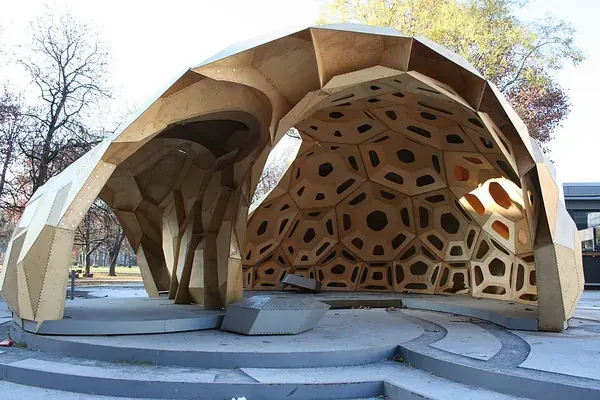
Biomimetic principles bring nature into building design. Architects use these ideas to make buildings that look and work like the natural world. For example, the ICD/ITKE Research Pavilion 2011 uses this method, and also applies robotics!
It's a great example of biomimicry in action! In cases like these, architects study how plants and animals live and survive in their places. Then they apply the same rules to the buildings they design.
This way, a leaf can inspire a roof or a bird's nest can shape a house plan. Biomimetic architecture is not just about copying nature but drawing on its wisdom for eco-friendly construction and sustainable design solutions.
Advantages
Biomimetic architecture offers numerous benefits, such as enhanced sustainability through efficient use of resources. These advantages collectively contribute towards an eco-friendly construction and sustainable future.
Sustainability
Biomimetic architecture helps us save the earth. This kind of design makes a smaller carbon footprint than most buildings. That means it's not bad for our air and contributes less to climate change.
We can make these buildings with renewable materials that come back over time, like wood or straw. They're designed to use a lot less energy so we're not burning as much coal or gas.
All of this helps keep our rivers clean and saves animals in wild places too! Biomimetic structures may even be worth 1 trillion dollars by 2025 because they are so good at saving money and helping the planet.
Innovation in design
Biomimetic architecture is bringing fresh ideas into the design. It uses nature as a model to craft buildings that are smart and sustainable.
These designs serve their purpose well, just like in nature. It's not just about looks but also about making things work better. Designing this way can lead to new methods of building with 3D printers, which saves time and money.
Disadvantages
Despite its numerous advantages, biomimetic architecture poses certain challenges.
Technical and financial hurdles
Biomimicry in architecture is a great idea. But, architects often face technical and financial hurdles. Here are some of them:
- Working with modern tools and materials. These can be expensive.
- Initial financial investment might be considerable due to the high costs of the research and development process.
- Creating new materials that are light but strong can take a lot of time and money.
- One major setback is the technical difficulty in accurately translating nature's complex designs into practical architectural solutions.
Scalability
Big plans can hit a road bump with biomimicry. The trouble is to make these designs work for larger projects. This forms one of the main drawbacks of this concept in architecture, referred to as scalability.
Making small models is not hard but growing them for massive buildings poses a big problem. There may be ways to solve it, but as of now, scaling up biomimicry plans remains tough.
Examples of Biomimetic Architecture
From the intricate structure of Paris's Eiffel Tower to the organic design of Zimbabwe's Eastgate Centre, biomimetic architecture has shaped iconic structures around the world. Each example displays a unique application of biomimicry principles in architectural design.
The Eiffel Tower
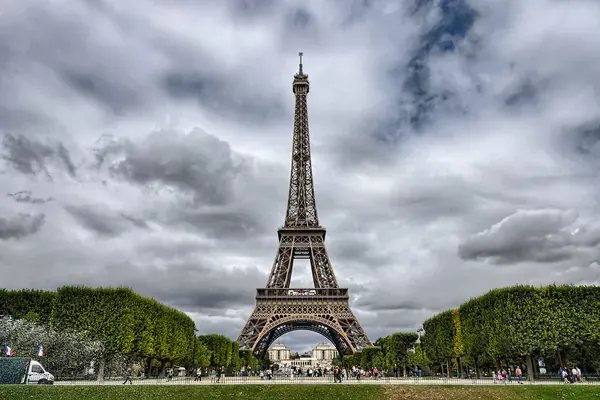
The Eiffel Tower, a paragon of biomimetic architecture, exemplifies structural genius by mirroring the human femur's ability to endure substantial loads despite its light and porous nature.
Designed by Gustave Eiffel for the 1889 World Fair, this iconic structure boasts a hierarchical construction similar to bone architecture, demonstrating material efficiency and resilience against formidable winds through its innovative lattice framework.
The Eastgate Centre
The Eastgate Centre in Harare, Zimbabwe, masterfully exemplifies biomimicry in architecture. Architect Mick Pearce conceptualized its natural cooling system after the ingenuity of termite mounds, creating a passively cooled structure that maintains comfortable indoor temperatures without conventional air conditioning.
This approach not only reflects a profound understanding of natural processes but also signifies a sustainable architectural practice by reducing energy consumption significantly.

The Gherkin
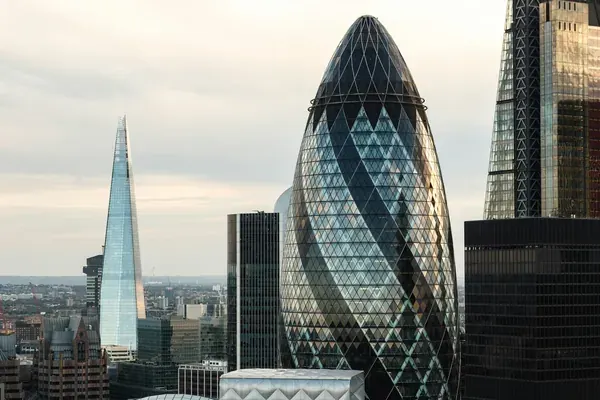
The Gherkin in London, designed by Sir Norman Foster, stands as a testament to biomimicry in modern architecture. It draws its design inspiration from the Venus Flower Basket Sponge, with a lattice exoskeleton that echoes the sponge’s strength and stability.
This design not only provides the building with an iconic silhouette but also contributes to its structural integrity. Moreover, the Gherkin's ventilation system is influenced by the natural filtration system of glass sponges, enhancing the building’s energy efficiency and sustainability.
The National Aquatics Center
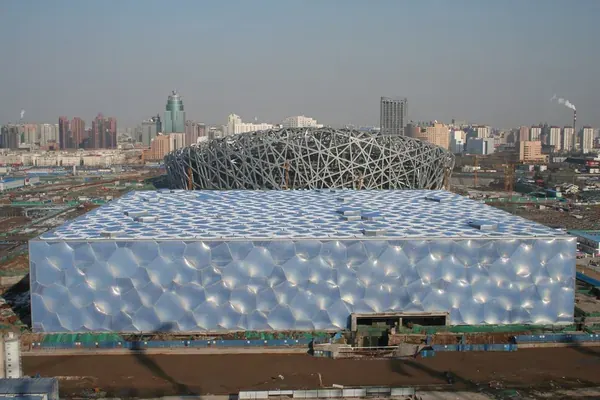
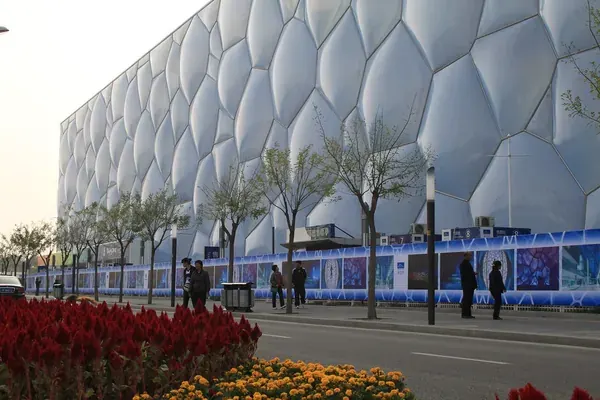
Beijing's National Aquatics Center, popularly known as the Water Cube, is an architectural marvel of biomimicry, mirroring the structural genius of soap bubbles and honeycombs.
Its design, conceived for the 2008 Olympics by PTW Architects and Arup, features a unique cell-like facade that optimizes lighting and space, embodying a balance of form and function. This innovative approach not only creates an aesthetic reminiscent of aquatic forms but also contributes to the building's structural stability and energy efficiency.
The Eden Project
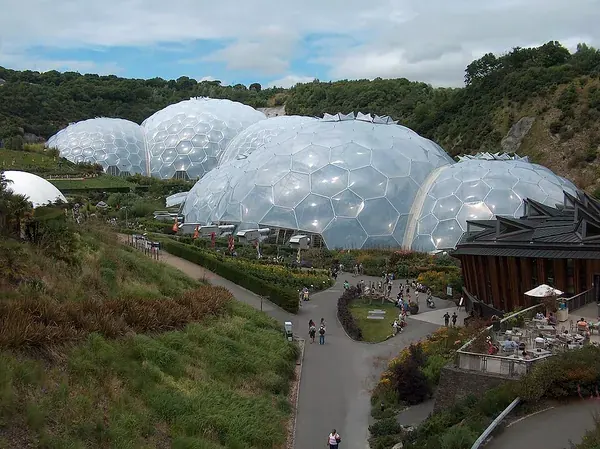
The Eden Project in Cornwall, England, stands as a testament to biomimicry in sustainable architecture, with its massive greenhouse complex of interconnected geodesic domes. These domes, inspired by natural forms like the shells of turtles and snails, form a series of bubble-like biomes, housing diverse plant life.
This innovative design not only achieves structural efficiency but also embodies the integration of human creations with the natural world, providing a space that is both educational and a biodiverse sanctuary.
The Future
New tools will change how we build. Digital modeling and computer-aided design can make plans easy to understand. These tools also let us look at how buildings will interact with the world.
In the future, architects might use things like Additive Manufacturing or Computer Numerical Control machines to make new designs real. This method is called robotic manufacturing in architecture.
It lets builders mix special things into their work, like super wettability or stimuli-responsiveness.
Sustainable design will be very important too. It helps both people and the Earth stay healthy, by making sure our buildings are good for nature and good looking too. Many cities are growing fast and need more space for people to live.
Biomimetic architecture will help these cities grow in a way that's safe and kind to our planet.
FAQs
1. What is biomimetic architecture?
Biomimetic architecture is a type of design that takes ideas from nature to make buildings.
2. How does biomimetic architecture help the environment?
Biomimetic architecture helps the environment by creating designs that use less energy and resources.
3. Can biomimetic architecture save me money?
Yes, biomimetic architecture can save you money in the long run because it uses less energy which lowers utility costs.
4. Is it hard to build with biomimetic architecture methods?
It can be more complex to design and build using this approach but with experienced architects, it becomes manageable.
5. Where can I see examples of biomimetic architecture?
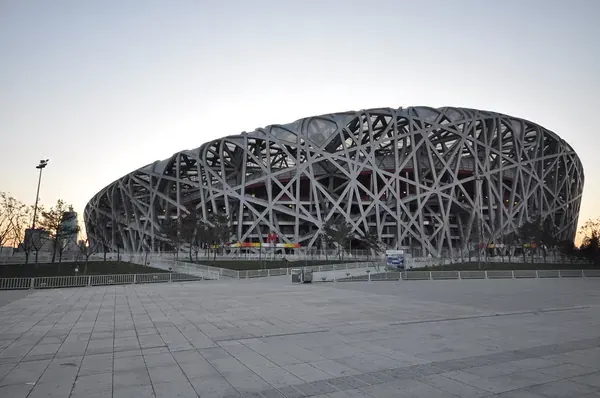
Examples of such designs are seen worldwide including Bird's Nest stadium in China or the Gherkin building in London.

Grasshopper Complete Course
Give your architectural skills a boost with the Grasshopper Complete Course. Get over 50 hours of comprehensive Grasshopper training tailored for architects. Learn to generate and iterate designs faster. Click below for more information and streamline your workflows!