Are you curious about the bold, often controversial style of Brutalist architecture? Brutalism emerged in the 1950s as a unique and revolutionary movement within modernist design. This blog post will guide you through the history, key characteristics, and significant examples of this architectural philosophy.
Get ready to dive into an immersive exploration of concrete structures that continue to leave a mark on our cities!
Key Takeaways
- Brutalist architecture started in the 1950s. It uses raw materials like concrete and steel to make bold designs.
- Some famous brutalist buildings are London's National Theatre and the University of Sussex. These buildings show off raw materials and have big shapes.
- Some people don't like brutalist architecture because it looks hard or harsh. But others think it is simple, strong, and true.
- Many brutalist buildings are at risk today but some people work very hard to save them. This shows that the love for this style of design is growing again!
What is Brutalist Architecture?
Brutalist architecture, known for its bold and unpretentious designs, had its roots in post-war reconstruction. It was a significant movement that emerged in communist nations following World War II.
This style of architecture is characterized by the use of raw concrete and other materials left unfinished to showcase their natural textures, creating an aesthetic that emphasizes simplicity and functionality over decorative elements.
Definition
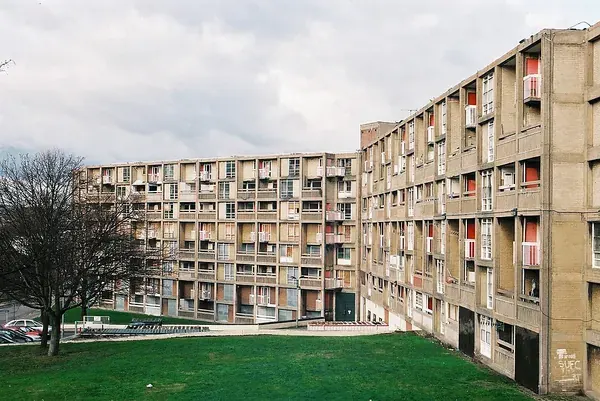
Brutalist architecture is a style born in the 1950s. It took ideas from modernism and added its own twist. Buildings of this kind are often big, bold, and made mostly from concrete.
They show off their raw look with pride. There's no need for fancy designs or colors in brutalist work. You see the building as it is: strong and solid. This style gave us some of the most eye-catching buildings we have today.
Origin in post-war reconstruction
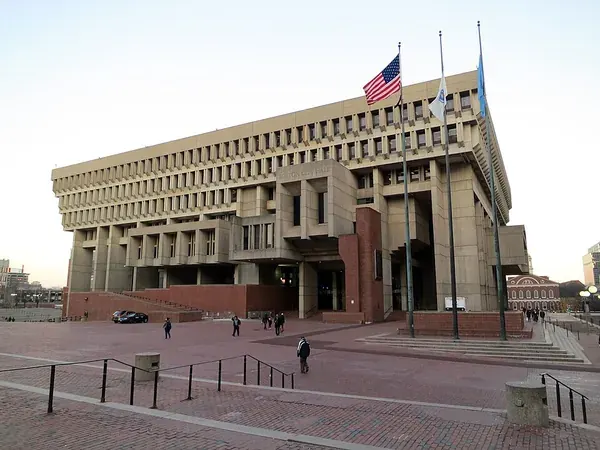
After World War II, many cities needed new buildings. They were in ruins from the war. This is how Brutalist architecture started. Its name comes from the French word for raw, "brut".
It was all about showing off raw materials like concrete and steel. Architects used these to make simple but bold designs that everyone could see and understand. This style got known around the world in the middle of the 20th century.
Emergence in post-war communist nations
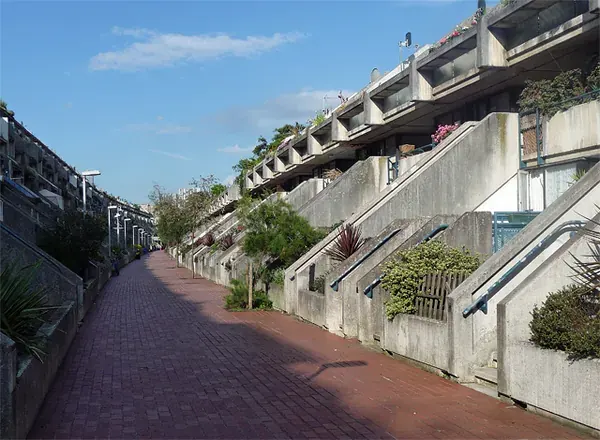
After World War II, Brutalist Architecture grew in communist nations. They liked this style because it looked different from the rich people's houses. Concrete was a common material, which showed that everyone is equal. Although we usually connect brutalism with United Kingdom, there are many examples of it in Russian architecture.
The Brutalist style was not just for homes where many people lived. It was also used for large buildings like The Economist Building in London. This building was made with a bold design by two architects named Smithsons in the 60s.
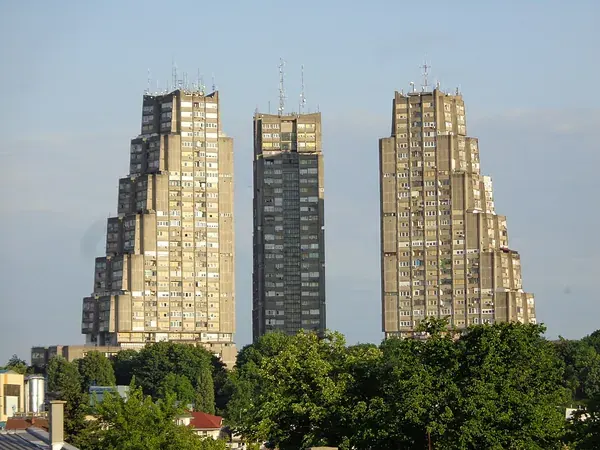
Key Elements and Characteristics of Brutalist Architecture
Brutalism leverages raw materials, often concrete, giving buildings a rugged and unrefined aesthetic. This style embraces massive forms and unusual geometric shapes, eschewing the traditional for bold innovation.
Structural honesty is paramount in Brutalist architecture with an overt display of its function and purpose in society.
Use of raw materials and textures
Brutalist architecture shows off the raw stuff it's made from. Its real star is often concrete left exposed and rough. This style does not hide the bones of a building. Instead, it lets everyone see them in clear sight.
Brutalism loves heavy, solid shapes with straight lines that give a feel of strength and power. But, concrete is not its only friend. It also likes other raw ingredients such as brick or stone to create a visual punch that draws people's eyes right away!
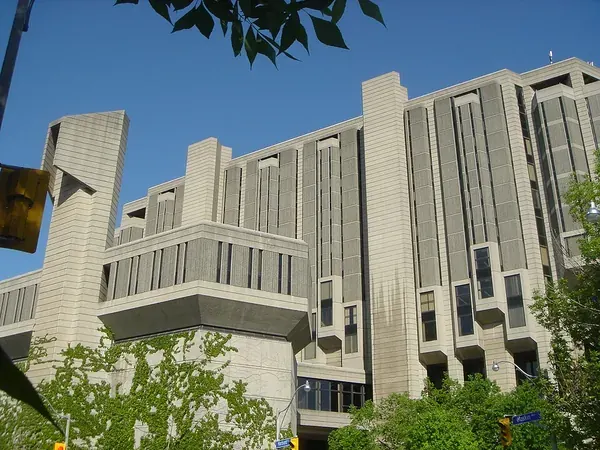
Massive forms and unusual shapes
Brutalist buildings are big and bold. They come in unique shapes. The designs are like massive blocks stacked over each other. Brutalist architects create structures that make strong, geometric statements.
These forms can look heavy or even harsh.
The odd shapes serve a purpose too. Every part of the building comes together to form a whole piece of art. Each shape has its own function and use within the structure. This way, these unique shapes add both beauty and value to the building.
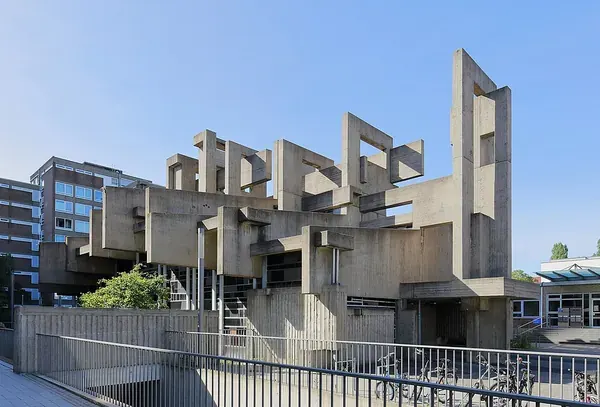
Emphasis on structure and function
Brutalist buildings put a lot of thought into structure and function. These two things come first. The design comes from how the building is used, not just looks. You will see raw materials like concrete.
It shows off how the building is made. This makes Brutalist architecture honest and real.
Famous Examples of Brutalist Architecture and Architects
Explore the iconic creations of Brutalist Architecture, stamped by architects like Denys Lasdun and Basil Spence. This section delves into renowned monuments such as London's National Theatre and University of Sussex, presenting a vivid portrayal of this distinct architectural style.
From Alison & Peter Smithson’s awe-inspiring office tower for The Economist to Ernö Goldfinger's striking Trellick Tower in London, let yourself be swept away by the sheer rawness and ingenuity in these structures.
Intrigued? Stay with us to journey through the territory less traveled – the world of Brutalism!
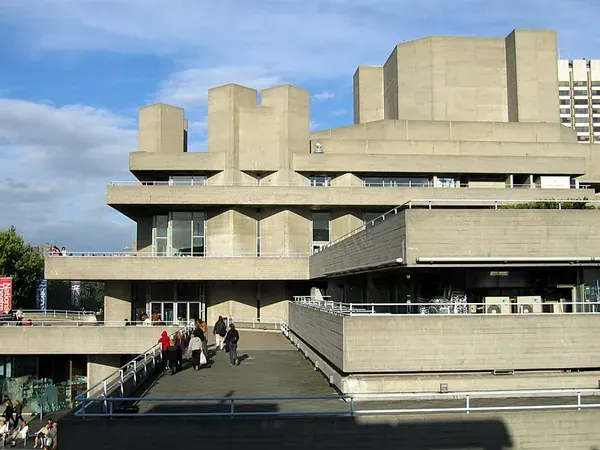
National Theatre, London (Denys Lasdun)
The National Theatre in London is a key part of the city. It is known all over the world. Denys Lasdun, a well-known architect, designed this building. He used his idea of "architecture as urban landscape." This means he thought buildings should fit into the city around them and add to its look and feel.
The theatre was ready for use in 1976. The design got mixed reactions from people though. For example, Prince Charles said it looked like a nuclear power station! Despite this, many find it an important example of Brutalist style architecture because of how it uses raw materials like concrete to create a bold look.
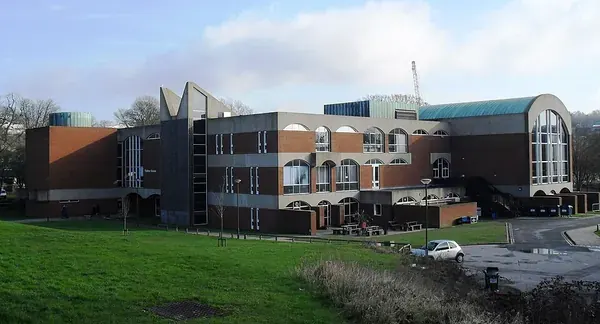
University of Sussex (Basil Spence)
Sir Basil Spence built the first building at the University of Sussex. He named it Falmer House. It was made in 1961 with a brutalist style. This way of building uses raw stuff like concrete and has big shapes.
Spence liked to shake things up with his designs in the 1960s and 1970s. But not everyone liked this kind of design at that time. Before he died in 1976, some people started to strongly dislike Brutalist buildings.
The University of Sussex shows off more works by Spence too. These also have a strong brutalist look. The school is famous for these buildings now.
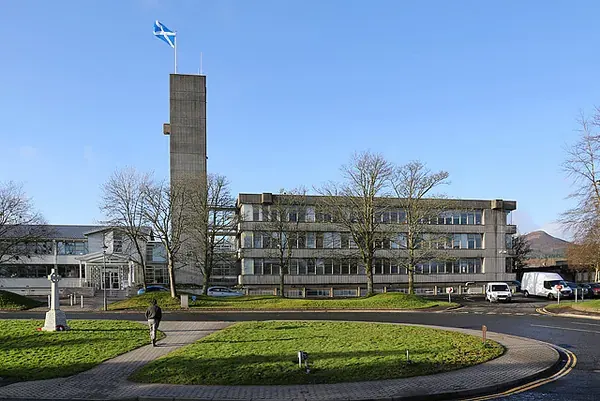
Scottish Borders Council (Peter Womersley)
Peter Womersley, a well-known architect, left his mark in the Scottish Borders. He built modernist bungalows there in the late 1950s. His style later turned to Brutalist architecture.
One big example of his work is the Scottish Borders Council building. The building design uses shaped concrete and shows timber details on its outside part. This mix of rural development and Brutalist style makes it stand out in Scottish architecture.
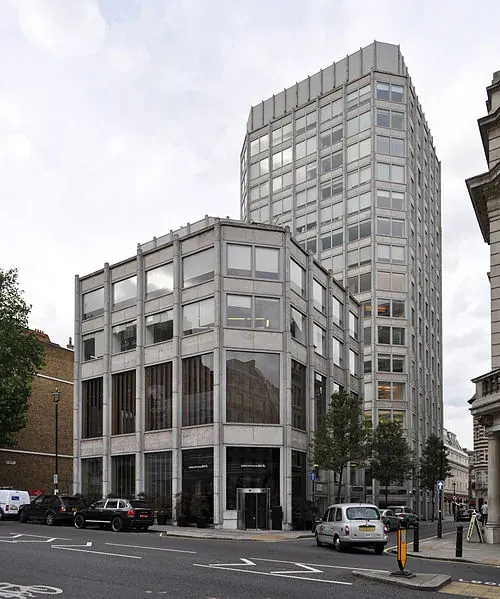
Office tower for The Economist (Alison & Peter Smithson)
Alison and Peter Smithson designed the Office Tower for The Economist. They built it between 1962 and 1964 in London. This building is a big part of Brutalist architecture. It has raw materials, unusual shapes, and shows its own structure.
It's not just an office tower. The Smithsons made a bigger plan with more buildings that go together well. People know this place as the Economist Plaza because of them. Today, people see it as a symbol of Brutalist style and London’s architectural heritage.
Barbican Estate in London (Chamberlin Powell & Bon)
The Barbican Estate in London is a big deal in Brutalist architecture. Chamberlin, Powell & Bon designed it. They used raw concrete, which the French call "béton brut". This is where 'Brutalism' comes from.
The style of this estate is modern and urban. Its design shows how buildings can be both huge and unique at the same time. Today, we look at the Barbican Estate as one of the best examples of Brutalist architecture around the world.
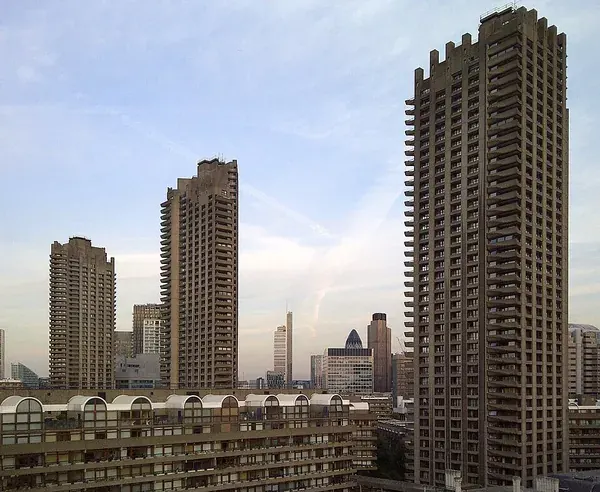
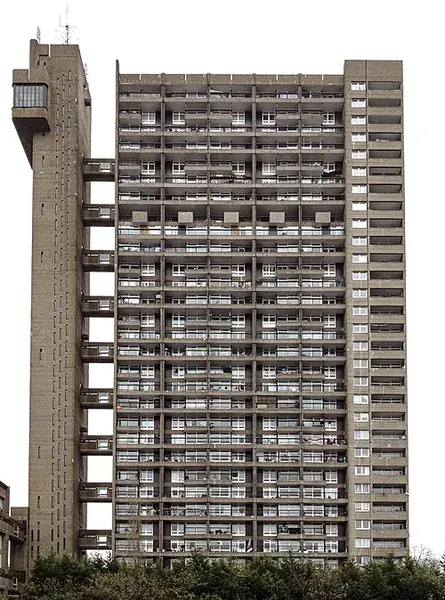
Trellick Tower in London (Ernö Goldfinger)
Ernö Goldfinger made an amazing mark in Brutalist architecture. His design skills are best shown in the Trellick Tower found in West London. This residential development is not easy to forget due to its standout and clear style.
The tower is a fine show of Modernist architecture. It was finished up in 1972 and has been a top sight for people all over the globe ever since. The power of Goldfinger's work speaks through this highrise building, making it one of the world's finest examples of Brutalist architecture.
Criticism, Popularity, and Current State of Brutalist Architecture
Brutalist architecture, often maligned for its austere and monolithic presentation, encountered criticism for being too cold and dehumanizing. Despite this early backlash, the architectural style gained immense popularity from the 1950s through to the late 1970s due to its cost-effective simplicity and distinctive aesthetic.
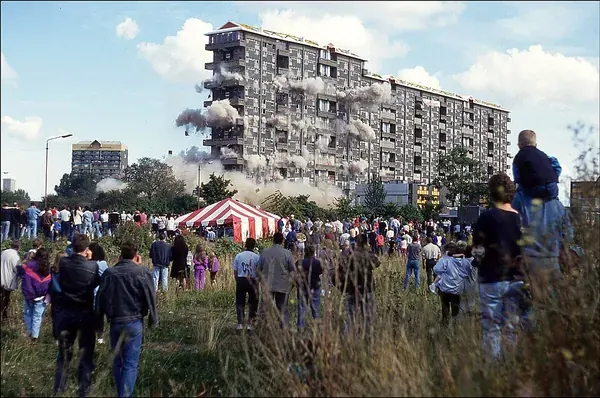
Today, while some brutalist structures face the threat of demolition, others have been repurposed or preserved as iconic landmarks; indicating a renewed interest in Brutalism's unique place within architectural history.
The ongoing debate around Brutalist preservation exemplifies modern society's complex relationship with these imposing concrete edifices.
Criticism and reception
Many people did not like Brutalist architecture. They found the big, raw buildings ugly and harsh. This design style was often called "cold" or "inhuman." This put a lot of heat on architects who used it.
But not everyone felt this way. Some people saw beauty in its bold simplicity. They liked how it showed the truth of how a building is made and how it works. It's clear that Brutalist architecture sparked strong reactions from the start!
Popularity during and after its peak
Brutalist architecture hit its peak in the 1960s and 1970s. Many big buildings were built in this style all over the world. Over time, people started to show less love for brutalist buildings.
They said these buildings looked too harsh or tough. But nowadays, many people are looking at brutalism with fresh eyes. Some even want to save old brutalist buildings from getting torn down.
So, while not everyone likes it, this style still has a lot of fans today!
Preservation efforts and the current state of Brutalist buildings
Many Brutalist buildings face danger today. They are torn down or changed a lot because people don't like how they look. But, some of these buildings get saved. They have important worth that we should not forget about.
We remember them as part of our past and for their strong design style. Today, many people work hard to keep these Brutalist buildings safe and in good shape for the future. With this hard work, the love for Brutalist style is growing again! People start to see the beauty in its raw concrete construction and simple but powerful shapes.
FAQs
1. What is Brutalist architecture?
Brutalist architecture is a style that uses raw materials, mainly concrete, and has a rough and block-like design.
2. When did Brutalist architecture start?
Brutalist architecture started around the 1950s
3. Why do people use Brutalist architecture?
People use Brutalist architecture as it often gives buildings a strong, bold look and feel.
4. Are all Brutalist buildings made of concrete?
Not all but most of them are because concrete shows off this style's rawness and simplicity very well.

Rhino for Architects Course
Give your architectural skillset a major boost with the Rhino for Architects Course. Get over 60 hours of focused training tailored specifically for architects. Master commands and techniques to model, render, and animate architectural visualizations at the highest level. Click below for more information and watch your designs come alive!