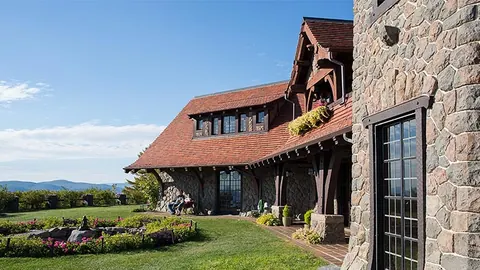
Are you intrigued by the unique architectural structures that appear around every corner of your city? It's fascinating to note that contemporary architecture goes beyond aesthetics; it reflects the triumphs and values of our society.
This blog will take you on a journey to explore the beauty and innovation in contemporary architecture, focusing on its key elements, famous examples, and how they're shaping our future.
Get ready for an inspiring dive into this groundbreaking world!
Key Takeaways
- Contemporary architecture is all about the new and different. It started in the 21st century. Architects play with shapes and angles for a fresh look.
- Reinforced concrete makes buildings strong and lets architects try daring designs. This mix of steel bars and cement gives power to tall structures.
- Eco-friendly design takes center stage in modern homes. Using natural light, renewable materials, and smart tech helps cut energy use down.
- Roof design isn't just about protection anymore; it's now part of the building's overall art style too.
- Examples of contemporary architecture are seen in museums, concert halls, skyscrapers, homes, and religious buildings all over the world.
- Modern-day builders often borrow ideas from older styles and then add a twist to keep things exciting yet familiar at the same time.
- New tools like computer modeling help architects make smarter designs while AI brings even more possibilities for creating beautiful spaces that are also safe and helpful to Mother Earth!

What is Contemporary Architecture?
Contemporary architecture, a broad architectural movement that emerged in the latter part of the 20th century, is characterized by its departure from traditional styles and its embrace of innovation and novelty.
Drawing upon various influences across history, it embodies an artistic expression closely tied to technology's advancements, aiming to shape more efficient, functional, and aesthetically pleasing living spaces for inhabitants.

Definition
Contemporary architecture is about today's design styles. These designs are new and fresh, like those of Coop Himmelblau, or NADAA. They started to show up in the 21st century. There is no one way to do it, unlike past styles of building which had rules you had to follow.
The main idea is being different and clever with shapes and angles. Many times, buildings will look simple on purpose with a smooth clean look this is known as minimalist design. Geometric shapes give these buildings a bold edge that grabs your attention.

History
Contemporary architecture has roots in the past. It is not like historic styles. Its start came after World War II. Society's needs shifted and so did design ideas. Architects began to experiment with new shapes and building methods.
Some used high-tech tools while others borrowed from traditional designs. Over time, this blend of old and new became what we now call contemporary architecture. This style continues to evolve as society changes too.

Key Elements of Contemporary Architecture
Contemporary architecture thrives on expressive form and innovative design, pushing the envelope with bold shapes and daring layouts. A key characteristic is the usage of reinforced concrete, where architects use this durable material to create buildings that convey strength and permanence.
Sustainability holds a prominent place in contemporary architectural design, reflecting modern concerns about environmental impact. Borrowed ideas from other styles can often be seen in contemporary buildings - a fusion of traditional elements with a modern aesthetic adds depth and variety.
Lastly, unique roof designs are integral to contemporary architecture, offering not just protection but also contributing to the overall aesthetics of the structure.
Expressive Form and Design
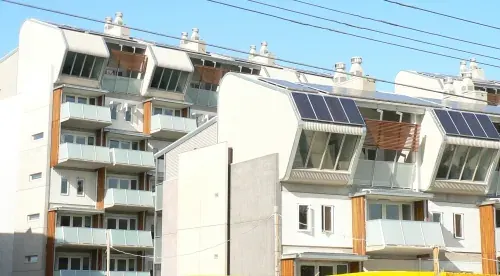
Contemporary architecture is known for its expressive form and design. It steps away from the old ways to test new forms of structure and beauty, like the work of Safdie Architects or Jean Nouvel. Art plays a big role in this type of design, making it more than just a building but also a work of art.
The look or "facade" of these buildings is changing all the time due to new ideas and tools being used. This keeps the designs fresh and thrilling. Both inside and out, each piece has its own story to tell through shape, color, and texture.
A key point here is that the style or "form" must still support good structure so that it's safe as well as pretty to look at.

Use of Reinforced Concrete
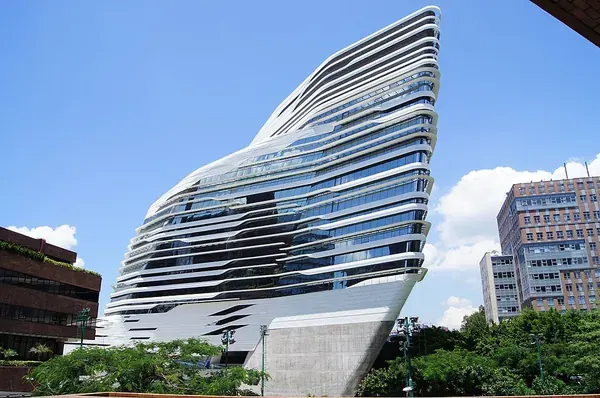
Reinforced concrete makes modern buildings strong and beautiful. This material helps architects create new shapes and styles. These are not just pretty, but also firm and safe. The mix of concrete with steel bars gives strength to tall buildings.
But, it does more than hold things up! Architects can shape this special concrete in many ways for eye-catching designs. It is like clay that hardens into stone! So, you see versatile designs that may seem impossible with normal methods.
Buildings that curl, swoop, or twist all come from the magic of reinforced concrete! An good example of this is the Hong Kong Polytechnic University Building by Zaha Hadid.
Emphasis on Sustainability
Sustainability takes the front seat in modern building design. Architects now pull from green architecture ideas to keep our Earth clean. They use eco-friendly design and renewable materials to make buildings that last.
These buildings are not just strong, but they also cut down on energy use. This is part of a wider move to lessen our carbon footprint. A key tool in this is passive design. Here, builders rely on natural light and airflow instead of man-made systems for heat and cooling rooms.
This method saves energy, keeping costs low for everyone involved while taking care of nature at the same time! Modern homes often go a step further by adding solar power or rainwater collecting systems which even more so shows how sustainability has become vital in contemporary architecture.

Technology plays its role too, helping architects create smart structures that adapt to their surroundings in real time, always working toward efficiency over waste.
So it's clear that an emphasis on sustainability does more than protect Mother Nature—it changes the way we all live! It's been two decades now since sustainable designs started being used widely and what we've seen so far promises loads of exciting things yet to come!
Borrowed Ideas from Other Styles
Contemporary architecture holds a wide range of styles. It does not stick to one thought or rule. Rather, it drinks from the well of past designs. For example, Roman builders brought in new ways with concrete, arches, and dome roofs.
These old ideas still shape many structures we see today. Modern-day architects also get their cues from Islamic art forms such as grand tombs and other holy sites. While founders of modern style turned their noses up at classic designs once upon a time, contemporary artists have circled back to these roots.
They have found that some old practices add charm without being too much or too fancy. It also goes the other way around - some buildings from the past have received a new look influenced by contemporary architecture. One such example is the Museum of Military History in Dresden, Germany by Daniel Libeskind:

Unique Roof Designs
Roofs are no longer just for shelter. Modern architecture has made roofs a key design feature. Different styles give us many roof shapes and textures.
This is part of a style called "picturesque". Today's architects can also make custom designs based on what each person wants. A roof can now show off your personal taste! And there's more—we see ongoing research on how the look of a roof affects our sense of well-being.
The future holds even more exciting changes for roof design in modern buildings.
Famous Examples and Types of Contemporary Architecture
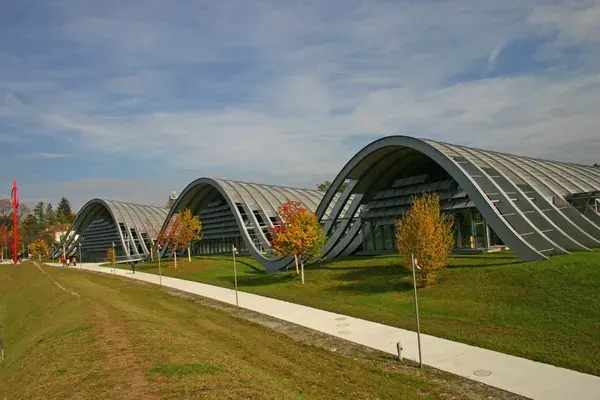
Contemporary architecture encompasses a variety of structures, from museums and concert halls to skyscrapers. Residential buildings sport creative designs, still considering functionality.
Religious architecture is also part of this expansive style, showcasing breathtaking aesthetics while preserving cultural elements. A prominent subset in contemporary design is eco-architecture which highlights sustainability at its core; an essential facet for future architectural advancements.
Museums
Museums stand out among contemporary architecture. There exist many museums across the USA known for their remarkable structures. One of them is Milwaukee Art Museum by Santiago Calatrava.

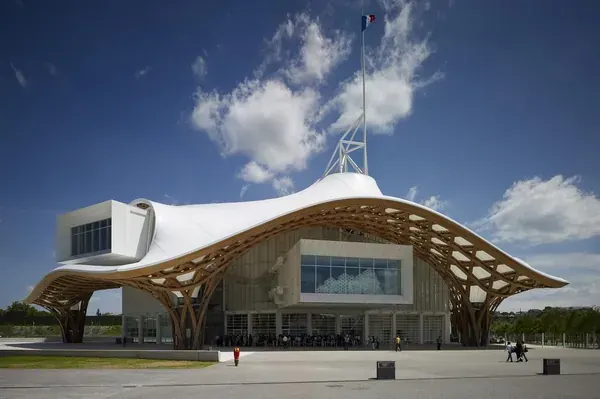
Notable example is the Pompidou Center-Merz in Paris. Its unique facade and innovative structure make it an icon in avant-garde architecture. In many such well-designed museums, the building's beauty often matches or surpasses the art held within its walls.
Concert Halls
Concert halls bring music to life with their design. Famous places like the Sydney Opera House and Walt Disney Concert Hall are loved for this reason. Frank Gehry designed the Walt Disney Concert Hall.
He made sure it looked new and fresh. Both city and country areas have these concert halls showing off cool designs. They became popular in the 1700s, blending both building design and music together. These halls are more than just buildings, they make us feel things through music and art.

Skyscrapers
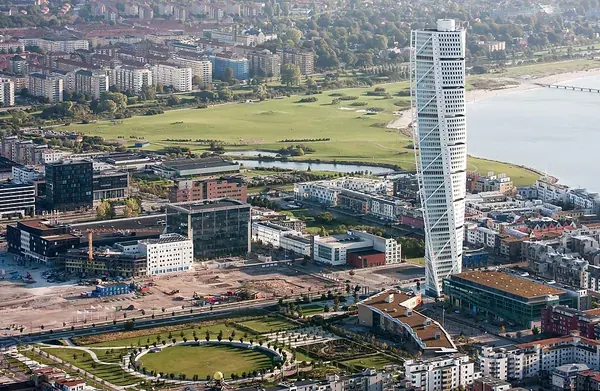
Skyscrapers are tall buildings that touch the sky. They show off modern design and skill. The first one, the Home Insurance Building, was built many years ago. It made it possible for us to build even taller ones today.
These tall buildings started being made between 1884 and 1945 in big cities like New York and Chicago. Some American builders got their ideas from Paris during the 19th century. Skyscrapers have many uses in city areas.
They can be homes, offices, or spots for fun things like shopping or eating out.
Residential Buildings
Residential buildings in modern times use the latest design methods. They have a focus on small, simple living spaces. These homes make use of new ways to build eco-friendly parts.
Many houses also mix old and new styles for an amazing look. The General Services Administration (GSA) has many examples of this type of house style from different periods. Using energy-wise items is key in these residential places.
Many new buildings are netzero, which means they make as much energy as they use. This is good for our earth because it results in low carbon footprint. Some even have biophilic design, which includes things from nature-like light, plants or water to make people feel happy and healthy inside them!

Religious Architecture
Many religious buildings show the beauty of contemporary architecture. These buildings tell stories about shared values and history. They are also an important part of our cultural heritage.
For example, modern Buddhist architecture is like a poem built from stone, wood, and glass. Christian churches today play big roles too. Their design not only looks good but also helps in teaching people about their faith. People find many types of religious buildings in different parts of the world like temples, sacred spaces, and churches.
All these structures highlight how architects use old styles in new ways to create something beautiful and meaningful.

Innovative Elements and Design Solutions in Contemporary Architecture
Contemporary architecture is a dynamic field filled with innovative elements and design solutions. Architects blend technology and materials to create structurally sound, aesthetically pleasing buildings that are also highly functional and efficient.
Advances in architectural creativity have reshaped traditional living spaces, bringing forth new designs that positively impact our lifestyles. Change is constant in contemporary architecture, resulting in bold shifts toward sustainable practices while keeping an eye on cutting-edge aesthetics.
Use of technology and materials
New tools and materials change the way buildings are made. Digital technology gives data. This leads to better designs. Architects use Building Information Modelling (BIM) for this work.
It helps make new, smart designs. Artificial Intelligence (AI) is another tool architects use now. AI offers different ways to solve problems in designing buildings. Some architects focus on making spaces feel good to all your senses, not just your eyesight. They try to blend sight, sound, and touch into their designs.In material choice too, there are big changes today.
Advanced materials lead to smart design decisions in creating modern buildings that last longer and look great too!
There are amazing “BIM-made” architectural projects around the world, one of them being the Len Lye Centre, New Zealand:

Emphasis on functionality and efficiency
In contemporary architecture, less is more. Architects aim for simple designs that serve a purpose. This focus on functionality makes buildings easy to use. It also puts efficiency at the front and center of every project.
Innovation blooms in this field too. New tech lets architects design better spaces with more tools at their disposal. Think smart homes or green buildings, these are all part of contemporary architecture's reach for functionality and efficiency.
Impact on lifestyle and living spaces
Contemporary architecture shapes how we live and work. It can lower stress by making spaces fun to be in. For example, dull, grey buildings can make us feel bad. But colorful, bright buildings can lift our mood!
Modern designs also help us sleep better. Many people find it hard to sleep these days. Architects use light and sound in new ways to fix this problem.
In addition, they fit nature into their designs for healthier living places. This idea is called biophilic design which makes a bond between humans and nature. Plus, beauty plays an even bigger role now in shaping our cities and homes.
Good architecture brings people closer together too by creating shared areas like parks and plazas.
Final Thoughts and Future of Contemporary Architecture
As we gaze into the future of contemporary architecture, it's clear that architects will continue to innovate, push boundaries, and redefine our understanding of design. Let's explore how these trends will shape our world and ensure a sustainable and aesthetically pleasing future for all.
The role of architects and potential challenges
Architects play a big part in shaping our lives. They make plans for cities and design buildings where we live, work, or have fun. Sometimes they have tough tasks. They need to think about the people who will use the buildings and how they feel there.
It's not just about making pretty structures anymore but also using new tech like Building Information Modelling (BIM). Architects face challenges too. Managing projects can be hard when things don't go as planned.
Plus, their designs affect society in many ways and they need to take care of that as well. We live in a time where architecture is not just about buildings. It's about creating spaces that make us feel good, happy, and safe. With new technology, we can make smart homes and green buildings.
These great changes lead to beautiful works of art you can live in!

Rhino for Architects Course
Give your architectural skillset a major boost with the Rhino for Architects Course. Get over 60 hours of focused training tailored specifically for architects. Master commands and techniques to model, render, and animate architectural visualizations at the highest level. Click below for more information and watch your designs come alive!