As modern architects search for a blend of classic charm and sturdy design, Dutch Colonial Revival architecture emerges as a timeless solution. This style, flourishing between the 1880s and 1940s, offers gambrel roofs and symmetrical facades that invoke a sense of historical depth.
Our article unveils how this architectural approach can satisfy both aesthetic yearnings and practical requirements in building design today. Discover why these structures have captured hearts for generations.
Key Takeaways
- Dutch Colonial Revival architecture started in the late 1800s and lasted until around 1940.
- The style is known for its gambrel roofs, symmetrical design, and use of local materials.
- It has a nostalgic charm that makes it popular in many parts of America today.
- The look mixes old Dutch styles with American designs from the early Federal and Georgian periods.
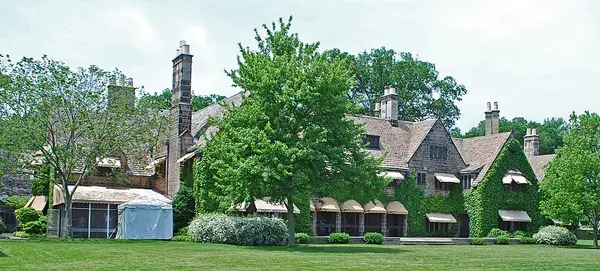
- Famous examples include the Amityville Horror House in New York and the Edsel & Eleanor Ford House in Michigan.
What is Dutch Colonial Revival architecture?
Dutch Colonial Revival architecture is a design style that emerged in the late 19th century, rekindling an appreciation for the quaint and sturdy homes built by Dutch settlers in America.
With its distinctive features that blend simplicity and elegance, this architectural tradition continues to capture the imagination of homeowners seeking a touch of historical charm in their domestic spaces.
History and origins
The Dutch Colonial Revival architecture takes us back to the days when settlers from the Netherlands built their new homes in America. These houses started popping up around the 1600s and kept being popular until the 1800s.
People loved them because they reminded them of traditional Dutch homes. They had special roofs and shapes that made them stand out.
Around the late 1800s, this style came back into fashion again, lasting up until about 1940. Folks found comfort in its old-world charm and nostalgia for early American architecture.
The design was a mix of what people remembered from historical architecture and new ideas that fit modern times. This blend is why many still admire these timeless architectural designs today.
Characteristics and style
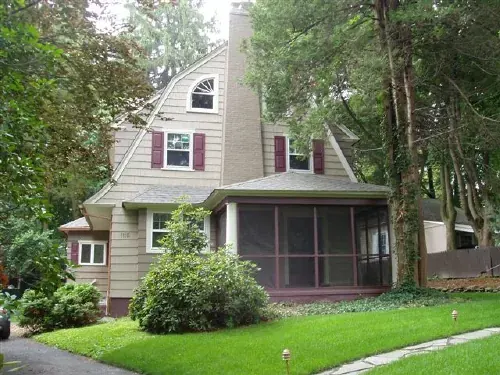
Dutch Colonial Revival architecture stands out with its gambrel roofs, a shape like two slopes on each side of the roof. This special roof design also has curved eaves that make the houses look unique.
Inside and outside, these homes show off their history.
They borrow details from FederalandGeorgian styles too, which were popular when America was just starting as a country. You can see it in the big columns and fancy doorways. These homes mix old charm with new tweaks, making them loved by many today.
People enjoy their traditional designs and how they remind us of earlier times in American history.
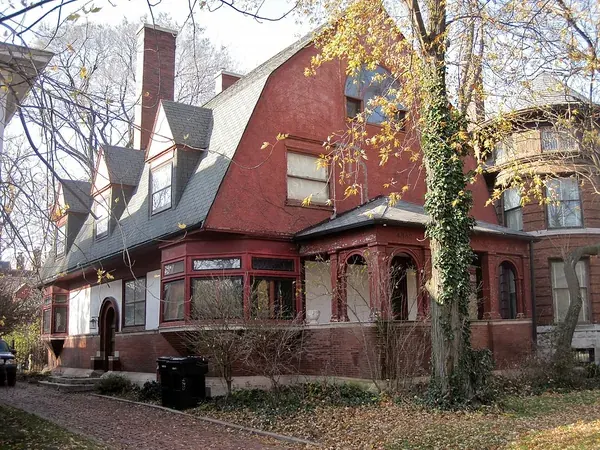
The Evolution of the Dutch Colonial Revival
Over the decades, Dutch Colonial Revival architecture has gracefully transformed, assimilating modern preferences while retaining its historical essence. This architectural style has expanded beyond its early 20th-century revivalist roots to influence contemporary design in subtle yet significant ways, demonstrating a remarkable adaptability and enduring legacy in America's architectural landscape.
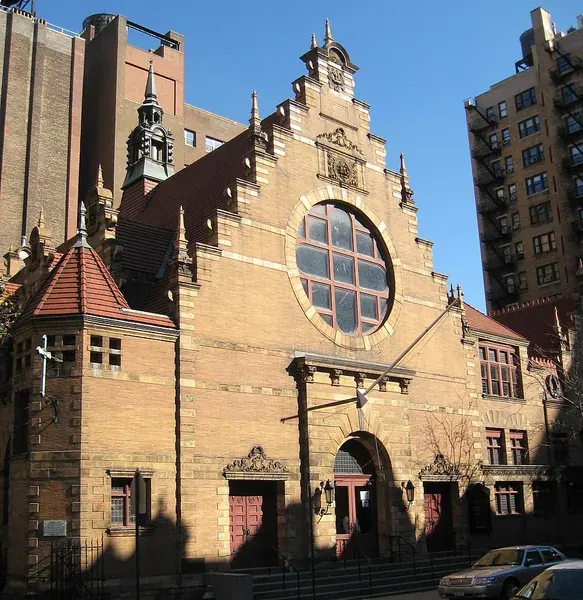
Changes and adaptations over time
Dutch Colonial Revival architecture has transformed since its beginnings in the late 19th century. It reflects a time when America embraced its history and created spaces full of warmth and character.
The style began to gain popularity in the 1880s, as people looked back fondly on America's early days. Architects started to create homes that reminded them of this past. Original Dutch Colonial buildings were simple and practical, with a focus on needs rather than fancy looks. The revival took these ideas but often made houses larger and more ornate.
As it evolved, the Dutch Colonial Revival style saw changes in design to meet modern needs. For example, floor plans opened up for today's way of living. This architectural form adapted local materials and techniques. Designers used what was nearby and made sense of the climate, making each building unique.
The gambrel roof became steeper over time, creating more space inside homes. People liked having extra room upstairs without building higher walls. Front porches grew in size as families spent more time outdoors. These spaces became important spots for relaxing and enjoying nature.
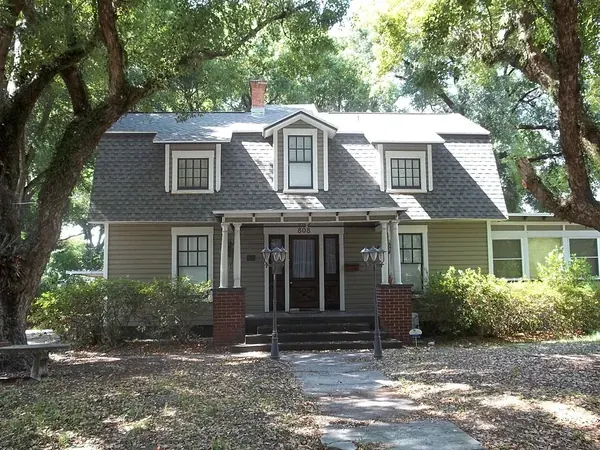
Influence on other architectural styles
As Dutch Colonial Revival evolved, it began shaping other design trends. Its unique features sparked new ideas among architects looking for a blend of historic charm and modern convenience.
This architectural style left its mark on the evolution of housing in America by influencing the development of other nostalgic styles. It stood out as an influential design trend with its cozy yet elegant look that many found perfect for crafting homes.
Builders often took cues from the Dutch Colonial Revival's beloved gambrel roof and symmetrical layout to create their own distinct versions. These elements surfaced in various regions, adding local materials into the mix for a fresh take on a classic style.
The impact was significant—now, even modern homes might echo this historical influence with a nod to its enduring appeal and stately presence amidst ever-changing architectural landscapes.
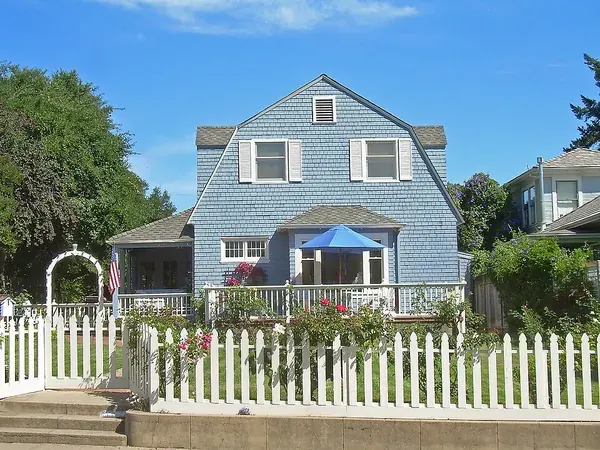
Notable Elements of Dutch Colonial Revival
Dutch Colonial Revival architecture is distinguished by distinct features that have captivated the imaginations of homeowners and architects alike. Delving into these elements reveals a rich tapestry of design that echoes both artistic finesse and historical depth, setting the stage for an immersive exploration of its unique aesthetics.
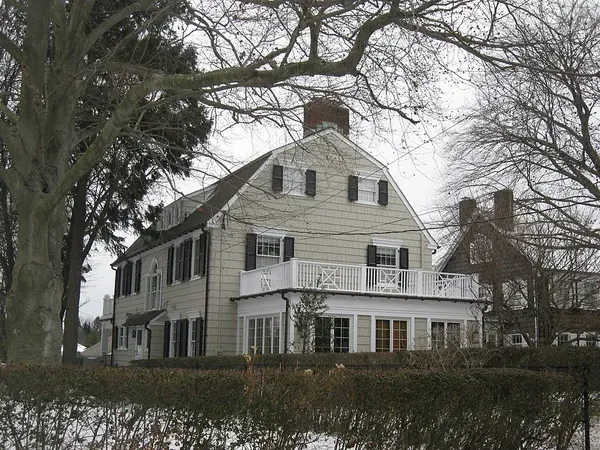
The gambrel roof
The gambrel roof sets Dutch Colonial Revival architecture apart. This unique roof has two slopes on each side, with the lower slope steeper than the upper one. The design creates extra room in the attic, making it a practical choice for adding living space without expanding the building's footprint.
Flared eaves extend beyond the house walls, creating a silhouette that is instantly recognizable as part of this architectural style. These roofs are not just about looks; they offer more habitability within the upper levels of a home and have become a beloved feature for their blend of form and function.
With its symmetrical shape and central ridge beam, the gambrel roof is a classic element that continues to charm architects and homeowners alike.
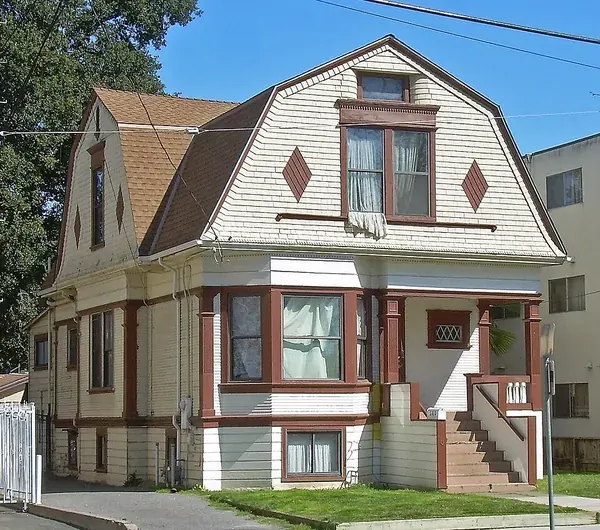
Symmetrical design
Houses with Dutch Colonial Revival architecture often have a symmetrical design. This means the front door is right in the middle of the house. On each side of this door, you'll find an equal number of windows spaced out just right.
It's like drawing a line down the center of the home and having both sides match perfectly—like mirror images.This balance makes the houses look nice and orderly. Look at one and you'll see that everything lines up from top to bottom. The façade, or face, of these homes is proportionate, which feels calming and pleasing to the eye.
A centered entrance adds to this feeling by creating harmony as soon as you walk up to it. Uniform window placement also plays a big part in making these homes look neat and well planned out.
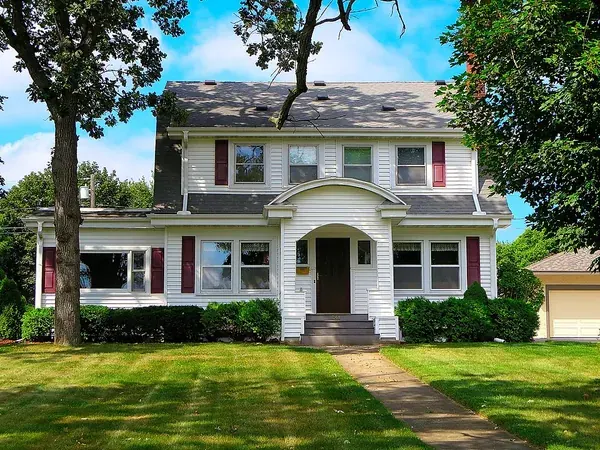
Local influences and materials
Dutch Colonial Revival architecture often blends local building methods with traditional Dutch styles. In many places, builders used materials they could find nearby to make these homes.
For example, in areas with a lot of stone, you might see houses made mostly of this sturdy material. Wood was popular too, especially where forests were close by.
Craftsmen took pride in their work and showed off their skills through unique details on the houses. They included things like handmade wood carvings or special brick patterns that were common in the area.
This mix of local touches and classic Dutch features gives each home a feel all its own while still sharing that cozy charm people love about the Dutch Colonial Revival style.
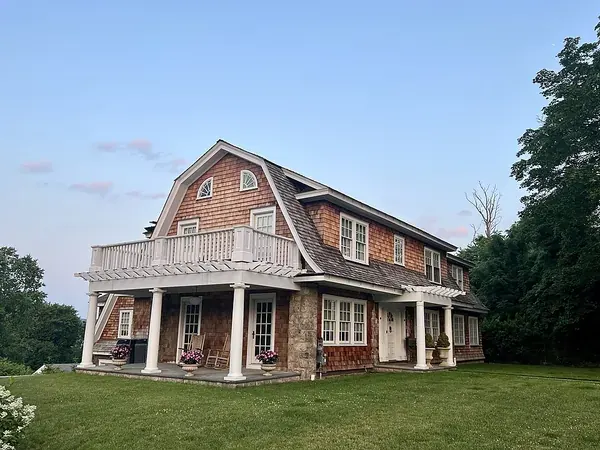
The Enduring Appeal of Dutch Colonial Revival
The Dutch Colonial Revival style has captivated homeowners and architects alike with its quaint, old-world charm that resonates through the ages. This architectural form has remained a beloved choice across America for its distinctive gambrel roofs and symmetrical aesthetics, anchoring neighborhoods in a sense of shared historical heritage while providing homes with timeless appeal.
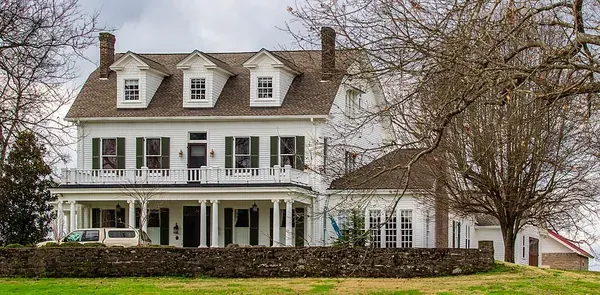
Nostalgic charm and nostalgia
Dutch Colonial Revival architecture touches our hearts with its classic beauty. It brings to mind a simpler, more honest time. Homes built in this style hold onto the traditions of history, making people feel connected to the past.
They have roofs that bend like barns and brick chimneys that remind us of old-fashioned craftsmanship.
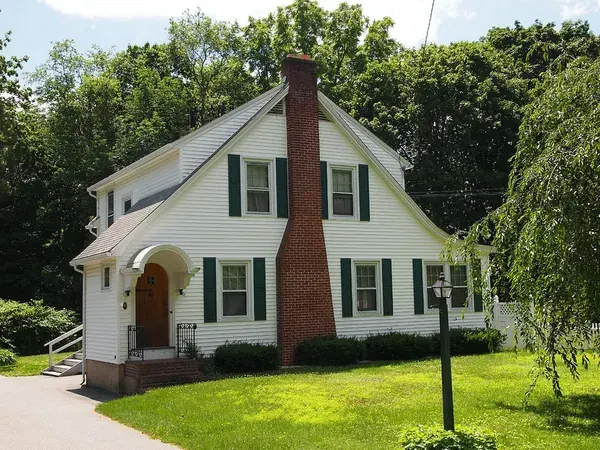
Now, let's talk about some famous Dutch Colonial Revival buildings we see around us.
Notable examples of Dutch Colonial Revival architecture
The popularity of Dutch Colonial Revival architecture stretches far beyond its original regions. This style has left a lasting impact through its notable structures across the United States.
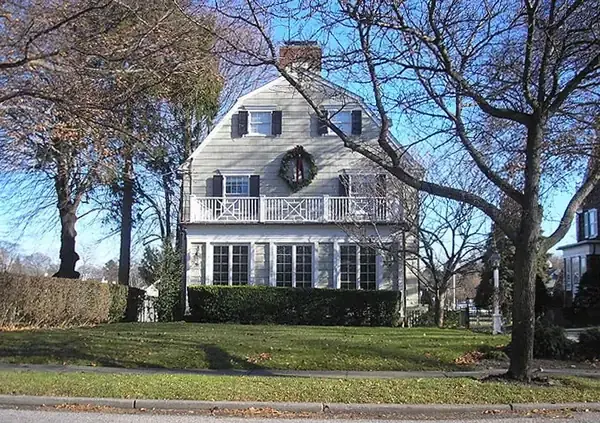
- Amityville Horror House, Amityville, New York: Famous for its appearance in the "Amityville Horror" movies, this house is a prime example of Dutch Colonial Revival architecture, notable for its distinctive gambrel roof and windows.
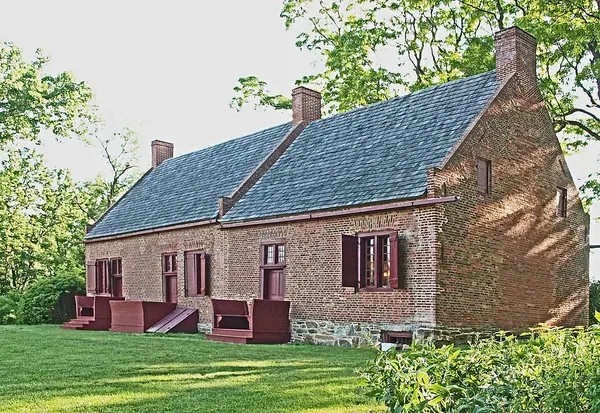
- Van Alen House, Kinderhook, New York: This house, a National Historic Landmark, is an early and significant example of Dutch Colonial architecture. While it predates the Revival movement, it influenced later designs.
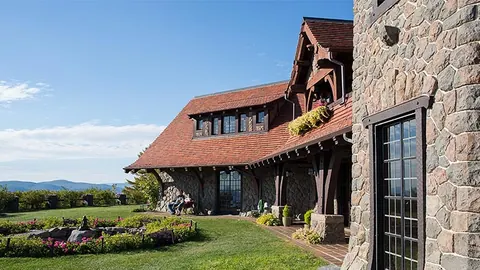
- Edsel and Eleanor Ford House, Grosse Pointe Shores, Michigan: While primarily associated with the English Cotswold style, this house also incorporates elements of Dutch Colonial Revival architecture, particularly in its roofline and detailing.
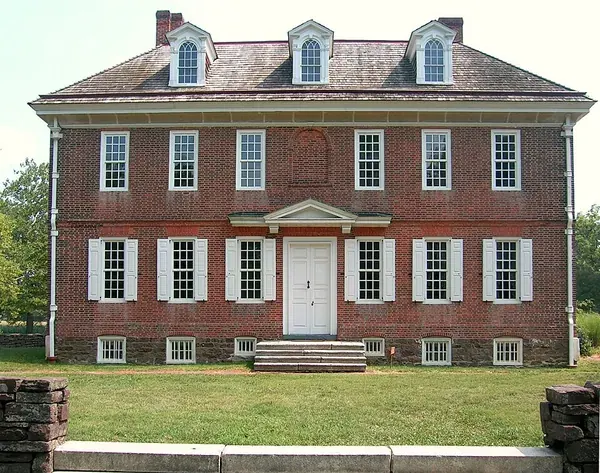
- Hope Lodge, Fort Washington, Pennsylvania: Built in 1750, this is another early example that later influenced Dutch Colonial Revival architects. It's a large, stately home with classic gambrel roofs and a symmetrical facade.
- Frederick Law Olmsted National Historic Site, Brookline, Massachusetts: The home of the famous landscape architect, Frederick Law Olmsted. It's a more subdued example of the style but reflects the Dutch Colonial Revival influences in its design.
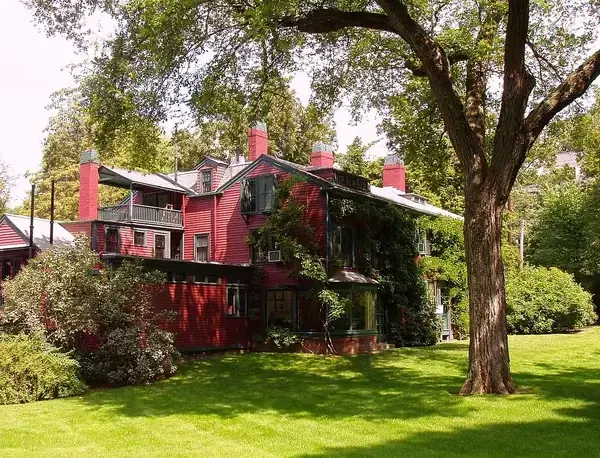
These houses are still wanted today because they have a timeless appeal. Their nostalgic charm is strong; it's like taking a walk through history without leaving home. Dutch Colonial Revival buildings stand as landmarks in neighborhoods, telling stories of times gone by and offering comfort with their familiar shapes and materials.

Rhino for Architects Course
Give your architectural skillset a major boost with the Rhino for Architects Course. Get over 60 hours of focused training tailored specifically for architects. Master commands and techniques to model, render, and animate architectural visualizations at the highest level. Click below for more information and watch your designs come alive!