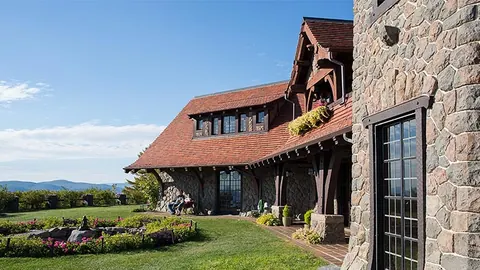
Deciphering the charm of old homes can be a puzzle, especially when distinguishing their historic styles. Edwardian architecture, with its air of grandeur and ornate details, emerged as a distinct departure from the heavy ornamentation of the Victorian era it followed.
This guide unveils the subtleties that make Edwardian design both unique and enduringly popular, offering insight into recognizing and appreciating these stately homes. Discover elegance in simplicity—read on for timeless architectural beauty.
Key Takeaways
Edwardian architecture is named after King Edward VII and was popular from 1901 to 1910.
- It has lighter designs than Victorian homes, with large windows and open floor plans.
- You can find examples of these elegant buildings in places like Britain, San Francisco, Australia, New Zealand, and Canada.
- To spot an Edwardian home, look for less cluttered rooms, red brickwork, wood porches, and straight lines in the design.

What is Edwardian Architecture?
Edwardian architecture embodies the period's optimism and affluence, featuring a blend of decorative elements and classical motifs that mark a distinct departure from Victorian architecture.
This architectural style flourished during the early 20th century's Edwardian era, characterized by lighter, more playful designs that often incorporated influences from the Baroque, Tudor, and Arts and Crafts movements.
With an emphasis on simplicity yet a nod to grandeur, Edwardian buildings frequently showcase spacious layouts, large windows for ample natural light, and intricate but less cluttered ornamentation compared to late Victorian designs.
Description
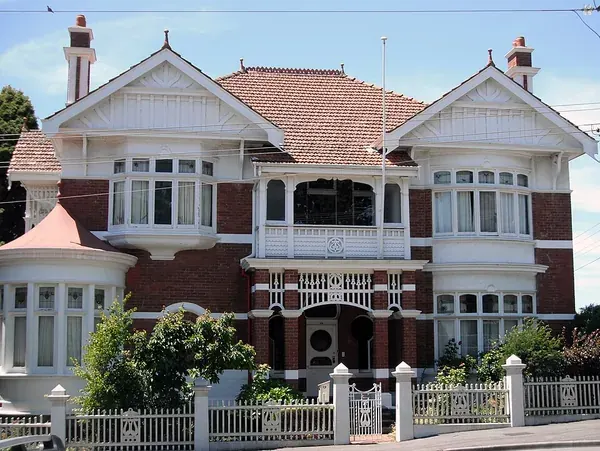
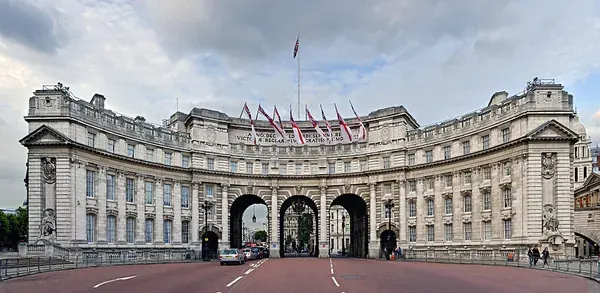
Edwardian Architecture reflects the time when King Edward VII led the United Kingdom, from 1901 to 1910. This style stands out because of its Neo-Baroque flair, especially in big public buildings across the British Empire.
Homes from this era show off wealth and taste from the early 20th century with their grand look and beautiful details.
These buildings often include features from different times before them, like neo-Georgian windows that add a classic touch. Inside, they have room layouts that can change for many uses and promote casual living.
Large gardens often surround these homes, mixing nature's beauty with human-made designs to create peaceful outdoor spaces.
Characteristics
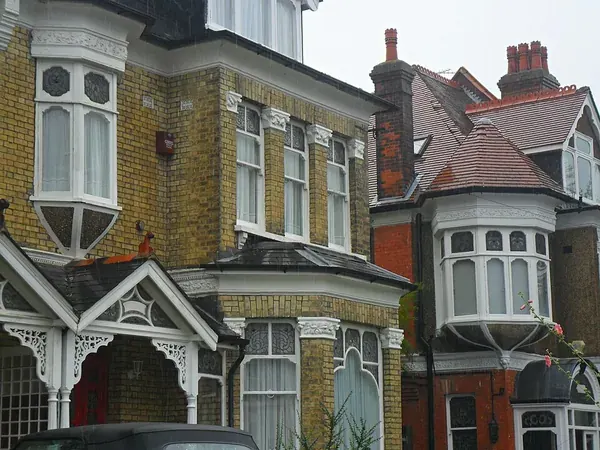
Edwardian architecture reflects the elegance of King Edward VII's reign. It marries classic styles with touches of modernity, showcasing prosperity and adaptability.
- Spacious Rooms: Homes from this era often have large, airy spaces. They let in plenty of light for a bright and open feel.
- Informal Living: Unlike the formal Victorian homes before them, Edwardian houses embrace a more relaxed lifestyle with adaptable layouts.
- Classic Style: These buildings draw on older designs but add a new twist, making them both traditional and fresh.
- Baroque Influence: Some Edwardian buildings show off features like rustication, especially at ground level for strong texture and depth.
- Prosperous Look: The grand style of these homes shows off the wealth of the early 20th century.
- Light Touches: Many houses from this time use delicate decorations to add beauty without looking too heavy.
Architectural influences
Edwardian architecture draws from a rich mix of styles. It takes the grand curves and fancy details of Neo-Baroque and mixes them with an appreciation for classic beauty. This style came to life during King Edward VII's time as ruler, when the British Empire was at its peak.
Architects started looking back to classical forms but made sure their buildings felt modern too.
They designed open, bright spaces that let in lots of light. These new buildings had clean lines and were less busy than older styles. Every detail aimed to create airy rooms that felt fresh and elegant.
Where to Find Edwardian Homes
Discover the enduring charm of Edwardian homes in diverse locales, from the classic Revival-style structures dotting Toronto's neighborhoods to San Francisco's storied streets — each property a reflection of its period's grandeur.
Explore these historical masterpieces for an immersive architectural journey.

Notable examples around the world
Edwardian architecture adds beauty and history to our cities and towns. Across the globe, you can find homes that capture this elegant style.
- Britain is the heart of Edwardian architectural examples. Look for red brickwork, ornate detailing, and large windows in suburban neighborhoods.

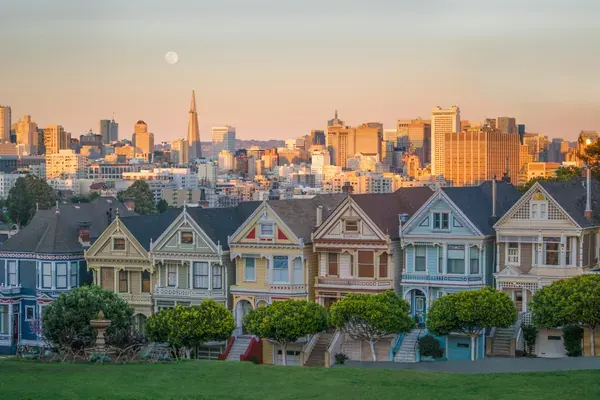
- In the United States, San Francisco boasts a large concentration of Edwardian homes. These houses often feature wood frames and wide front porches.
- Australia surprises with its fair share of Edwardian buildings, particularly in residential areas. Stained glass and decorative ironwork are common features here.
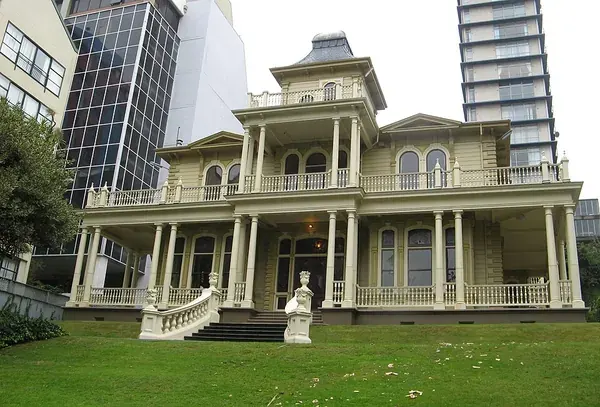
- New Zealand showcases its Edwardian heritage through villas and cottages with expansive verandas and native timber use.

- Canada offers glimpses of Edwardian styles in Toronto's historical homes, where you'll see large bay windows and elegant stone facades.

- South Africa preserves period properties within Cape Town and Pretoria, combining British influence with local materials.

Concentration in San Francisco
San Francisco's love for Edwardian homes is clear in its urban landscape. After the big 1906 earthquake, many neighborhoods were rebuilt with this charming style. These historic homes are a big part of the city's character.
They stand out with their detailed design and add to the real estate appeal.
You'll find lots of these period-style houses in areas like Pacific Heights and Western Addition. They show off traditional architecture that people still seek after more than a century.
Knowing where these residential concentrations are helps architects understand local home design trends better.
How to Spot an Edwardian Home
Identify Edwardian elegance by noting asymmetrical facades, ornate detailing, and a lighter aesthetic, distinct from its predecessors; continue exploring to uncover the subtleties of this grand style.

Key features to look for
Edwardian architecture shines with elegance and a timeless design. It's important for architects to recognize the key features that define this style.
- Look for an open floor plan: Edwardian homes often have rooms that flow into one another without sharp divides, embracing refreshing designs.
- Search for light-filled spaces: Large windows are a hallmark of Edwardian architecture, marking a departure from darker, more enclosed Victorian interiors.
- Notice the spaciousness: Rooms in Edwardian houses tend to be larger and less cluttered compared to those of previous eras.
- Check for ornate detailing: Decorative moldings, fine woodwork, and elaborate textiles showcase the prosperity of the early 20th century and the craftsmanship valued in these homes.
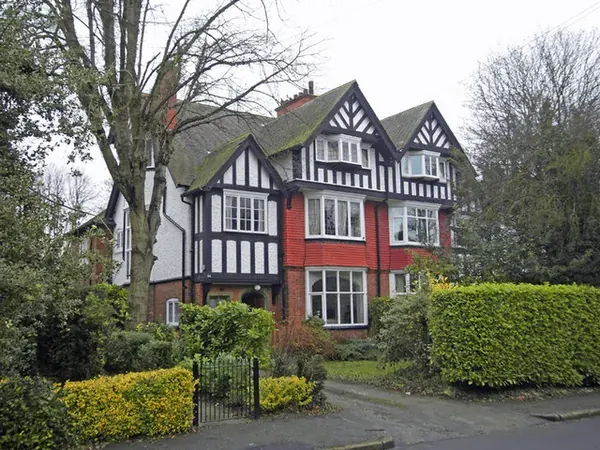
- Seek out natural materials: Edwardians favored using materials like wood and brick over more industrial options, which adds to their homes' timeless appeal.
- Spot houses built in a straight line: Unlike some styles that have irregular shapes, Edwardian homes typically feature strong, straight lines in their design.
- Observe red brickwork: This is often used on exteriors, especially around porches with wooden frames and mock Georgian details.
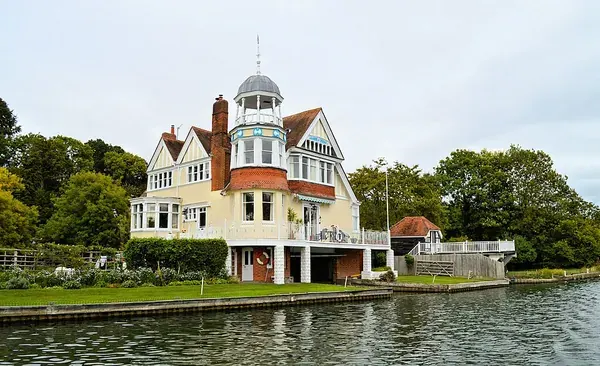
- Examine porch details: Wooden frames around porches add character and are distinctive of this period's architectural preference.
Comparison with other architectural styles
Understanding the nuances between architectural styles is critical for architects. Recognizing the subtleties allows for informed decisions during restoration, renovation, or the design of new buildings that pay homage to historical aesthetics. This comparison focuses on how Edwardian architecture stands out from other styles.
Comparative Analysis of Architectural Styles
Feature | Edwardian Architecture | Victorian Architecture | Georgian Architecture |
|---|---|---|---|
Time Period | 1901-1910 | 1837-1901 | 1714-1830 |
Design Approach | Simpler, more elegant with lighter designs | Ornate, intricate detailing | Symmetrical design and classical proportions |
Roof Style | Hipped or flat roofs with wide eaves | Steep, gabled roofs | Simple hipped or gabled roofs |
Windows | Taller and wider windows, often bay windows | Sash windows with more complex designs | Sash windows, proportionately smaller than Edwardian |
Facade | Less ornate with half-timbered and pebble-dash walls | Highly ornate with Gothic influences | Brick facades with minimal decoration |
Interior Space | Airy, with well-proportioned rooms | Compartmentalized rooms with heavy decoration | Formal, symmetrical interior layouts |
Influences | Arts and Crafts movement, Neo-Baroque | Gothic revival, Italianate, Queen Anne style | Palladianism, Neoclassicism |
When interpreting architectural designs, professionals appreciate the importance of these distinctions. They can enrich projects with historical context, ensuring every element from exterior cladding to interior layout respects the specified era. Architects utilize this knowledge to bridge the past with the present, creating structures that not only pay tribute to history but also serve current functionality with grace.

Grasshopper Complete Course
Give your architectural skills a boost with the Grasshopper Complete Course. Get over 50 hours of comprehensive Grasshopper training tailored for architects. Learn to generate and iterate designs faster. Click below for more information and streamline your workflows!