As architects, we're always on the hunt for inspiration and knowledge about the styles that define our skylines. High-tech architecture is a fascinating blend of technology and design that revolutionized buildings in the 20th century.
This article will explore how this innovative style evolved from modernist ideals to post-modern complexity, guiding you through its transformative journey. Discover the future by understanding the past—let's dive in!
Key Takeaways
- High-tech architecture began as modernism but added new tech and materials to make buildings stand out with their construction on display.
- Key architects like Norman Foster, Nicholas Grimshaw, and Richard Rogers helped shape high-tech design with famous buildings that show off this style.
- As high-tech architecture grew, it mixed with post-modernism ideas. This brought in fun twists and a mix of old and new looks in buildings.
- High - tech has had a big impact on today's building designs. It pushes for using advanced materials and making spaces that can change when needed.
Evolution of High-Tech Architecture
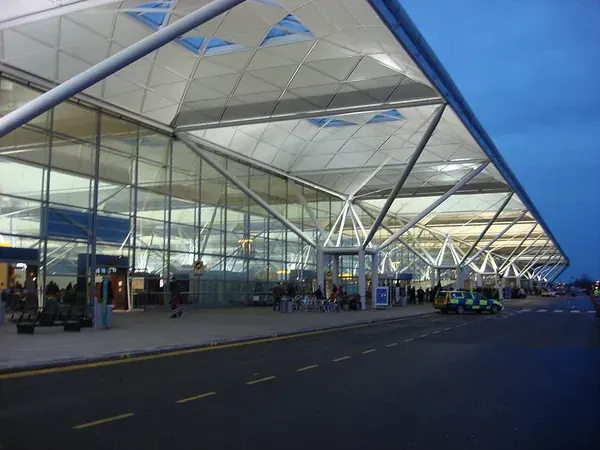
As a distinctive architectural genre, High-Tech Architecture emerges from modernist roots, embracing innovation and technology as core principles while manifesting itself through exposed structures, cutting-edge materials, and industrial aesthetics.
Definition of High-Tech Architecture
High-Tech architecture is a style where the building's construction is key. It shows off how it's built and uses new technology in its design. People also call it 'late modernism' or 'structural expressionism'. This kind of building design blends ideas from both modern and post-modern styles.
It came from the Modernist movement but also helped start Post-Modernism. High-Tech buildings are not just about looking high-tech, they actually use real engineering solutions in their designs.
They were the last big style of the 20th century and changed how people think about architecture. Now let's look at what makes High-Tech architecture so special.
Characteristics of High-Tech Architecture
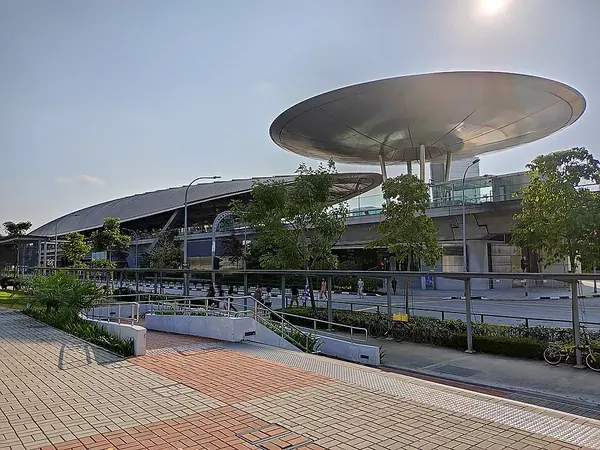
High-tech architecture takes the ideas from modern design and pushes them into the future with new materials and tech. Buildings in this style show off how they are made. You can often see the metal bones of a building or its shiny glass skin.
This look is not just for style but also shows off what makes the building strong and stable.
The people who make these buildings love to use smart design and fresh construction techniques. They pick materials that last long, like steel and glass, to make something both useful and beautiful.
Each part of a high-tech building has a job to do, but you can also see it clearly as part of the design. This way of making things mixes engineering smarts with an eye for what looks cool, creating places that feel like tomorrow has already arrived.
Key Figures in High-Tech Architecture
High-tech architecture didn't just happen; it was shaped by creative minds. These architects pushed the style forward from modern to post-modern design.
- Norman Foster stands out as a vital figure in high-tech architecture. He created new ways of building that mixed high tech with comfort. His work includes the famous Willis Faber and Dumas Building, which has a glassy look and smart energy use.
- Nicholas Grimshaw added his own touch to high-tech designs. He focused on how parts fit together, like in the Eden Project, which features giant domes made of light materials.
- Sir Richard Rogers is known for bold structures with visible pipes and frames, like in the Centre Pompidou. This building turned inside-out became a big deal in high-tech style.
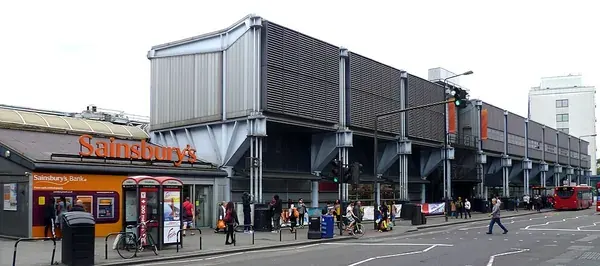
Examples of High-Tech Architecture
The Centre Pompidou in Paris stands as a testament to the radical transparency championed by high-tech architecture, while the HSBC Building in Hong Kong showcases how form follows function through its maintenance and flexibility features.
London's Lloyd’s Building takes center stage with its externalized services, illustrating the style's penchant for showcasing infrastructure as an aesthetic element, akin to the Willis Faber and Dumas Building's dynamic facade that responds ingeniously to its environment.
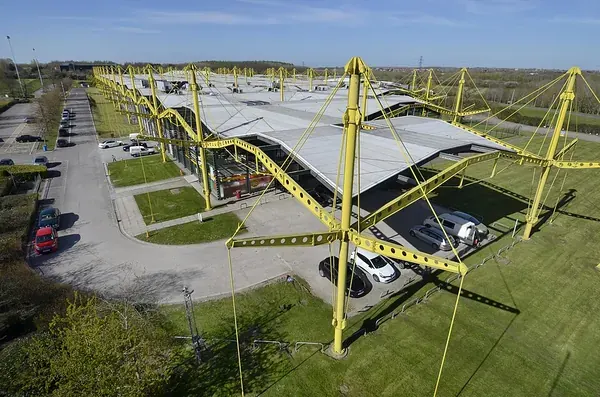
Lastly, the Renault Distribution Center embodies modular construction techniques that punctuate high-tech architecture's innovative spirit.
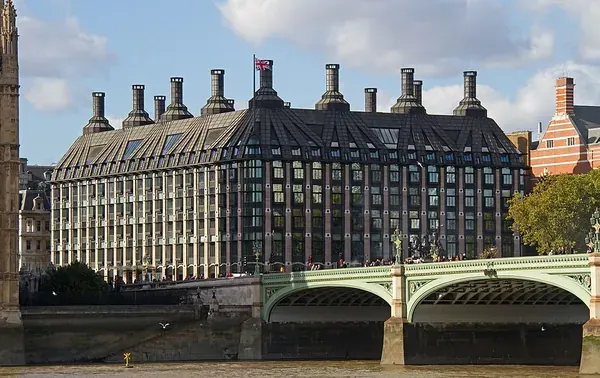
Centre Pompidou
Centre Pompidou stands out as a bold symbol of high-tech architecture. It's not just any building; it’s a major museum for modern art, a bustling public library, and an innovative centre for music and acoustic research all rolled into one.
Architects Richard Rogers and Renzo Piano designed this iconic structure with a clear goal: to tackle big social and ecological challenges through its construction.
Look at the Centre Pompidou and you'll see its unique architectural design right away. Pipes, ducts, and structural elements are not hidden but displayed outside with pride. This choice highlights the beauty of high-tech construction while also making maintenance easier.
The building invites visitors to explore contemporary architecture in new ways, playing a key role in urban development and pushing for sustainable building practices that embrace technological innovation.
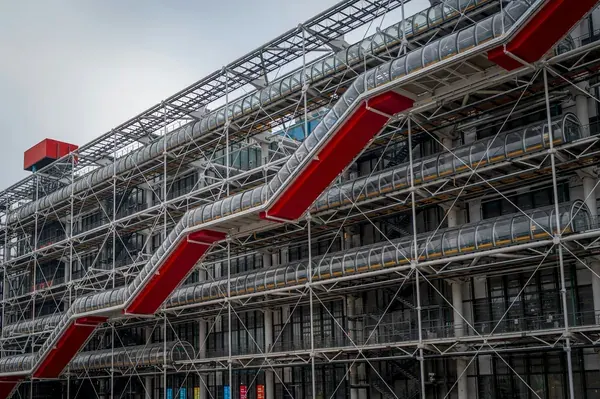
HSBC Building
Moving from the artistic expression of Centre Pompidou, we come to the HSBC Building, a skyscraper that redefines modern architecture. Designed by Norman Foster and completed in 1979, it stands as an architectural landmark signaling a new era in structural engineering.
The design's visible cross-bracing and open-plan spaces show off the building's skeleton, a clear sign of Foster’s innovative approach to high-tech architecture.
The HSBC headquarters not only established Foster as a top name worldwide but also pushed forward sustainable construction practices. Its emphasis on natural light and energy efficiency set the stage for future designs in urban development.
Architects today can look at this building as an example of how form and function merge beautifully within high-tech architectural design.
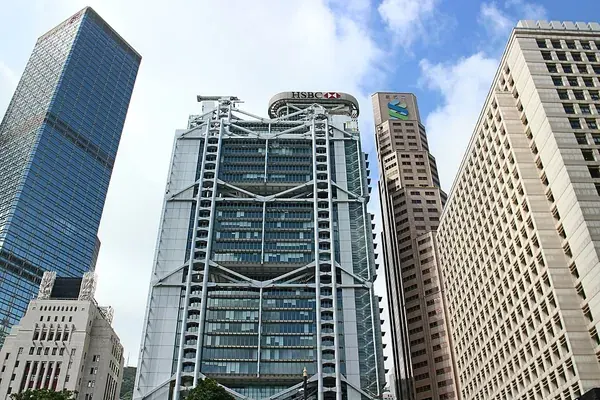
Lloyd’s Building
The Lloyd's Building stands out in London with its unique look, much like an oil rig. Richard Rogers designed this iconic structure to show off the pipes and steel on the outside. It shows what high-tech architecture is all about: being bold, showing how things work, and making buildings that can change when needed. Inside, it's made to adapt easily, fitting new needs over time without big changes.
This building looks strong and clear because of its focus on technical efficiency and architectural expressiveness. The design also lets people see inside, offering a view of the action within Lloyd’s market world.
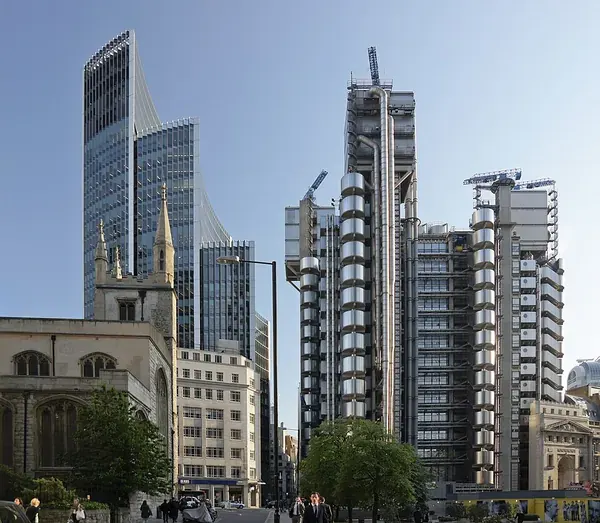
Next up is another standout example of high-tech design: The Willis Faber and Dumas Building.
Willis Faber and Dumas Building
Foster Associates designed the Willis Faber and Dumas Building in 1975, showing off what high-tech architecture can do. This building stands out with its modern materials like dark reflective glass that curves around the edges.
It blends technology and comfort for those who work there. Inside, it has open spaces where people can meet, a swimming pool, and even a rooftop garden. This place is more than an office; it's a peek into how buildings of the future could look. High-tech style mixes clever engineering with eye-catching looks, making buildings like this one super cool.
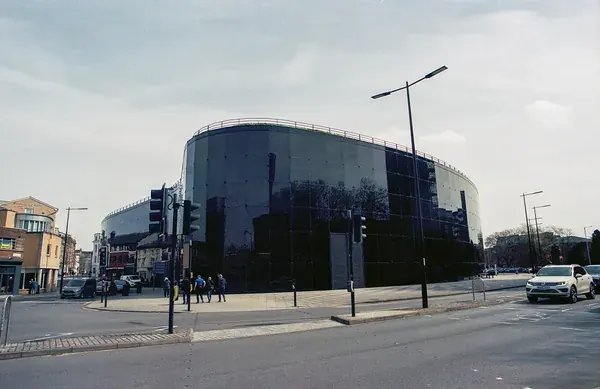
Next up is the Renault Distribution Center, another example of how high-tech ideas shape our world.
Renault Distribution Center
The Renault Distribution Center in Swindon stands out as a shining example of high-tech architecture. Designed by Norman Foster, this building shows off the futuristic style with advanced engineering and cutting-edge design.
It's more than just a place for cars; it highlights how buildings can look like machines, full of technological wonders.
Inside the center, everything is about innovation and industrial design. Big open spaces show off the modernist architecture that has shaped our cities today. This place isn't just about storing vehicles – it’s a peek into where architecture itself is headed.
Post-Modernism and High-Tech Architecture
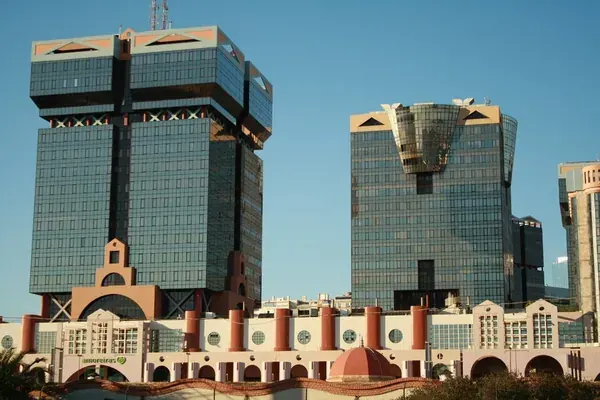
As high-tech architecture matured, it began to intermingle with post-modernist ideals, creating a unique synthesis that championed technology while embracing historical references and eclectic aesthetics.
This fusion marked an evolution in architectural thought; it questioned modernism's purist tenets and reshaped how architects approached form, function, and technological integration.
The dialogue between the two movements added depth to architectural practice by acknowledging the strengths of high-tech—such as its expressive structures and transparent envelopes—and introducing post-modernism's playfulness and complexity into design philosophies.
This enriched narrative in architectural circles expanded the creative horizon for future projects, blending advanced engineering with culturally resonant motifs to craft spaces that connect people not only with each other but also with the era's technological pulse.
Relationship between the two styles
High-tech architecture shows off the building's construction and systems as part of its style. It uses industrial materials like steel and glass to create a modern look. Post-modernism, though, isn't afraid to mix old styles with new ideas.
This makes each building unique and full of surprises.
Both high-tech and post-modernism grew from the same root: modernist movement ideas about making buildings that fit today's world. Yet they took different paths. High-tech kept going with the idea of showing how a building is put together, just like functional design does.
Meanwhile, post-modern architects added decoration and brought back historical styles for fun and expression in their work.
Significance and Legacy of High-Tech Architecture
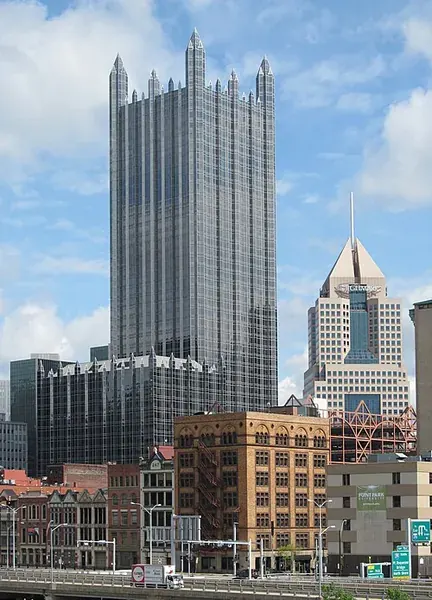
High-Tech Architecture, a movement born within the modernist era, has profoundly influenced contemporary buildings through its emphasis on advanced materials and cutting-edge technology.
This architectural approach not only celebrates functional aspects of design but also pushes the boundaries of innovation in structural engineering. Its significance is evident in today's skylines that feature transparent facades, exposed steel frames, and sophisticated mechanical systems—hallmarks of High-Tech principles.
Despite facing criticisms for sometimes prioritizing aesthetics over social factors, High-Tech remains a formidable force shaping our built environment, compelling us to reimagine the future of sustainable and adaptive architecture.
Impact on contemporary architecture
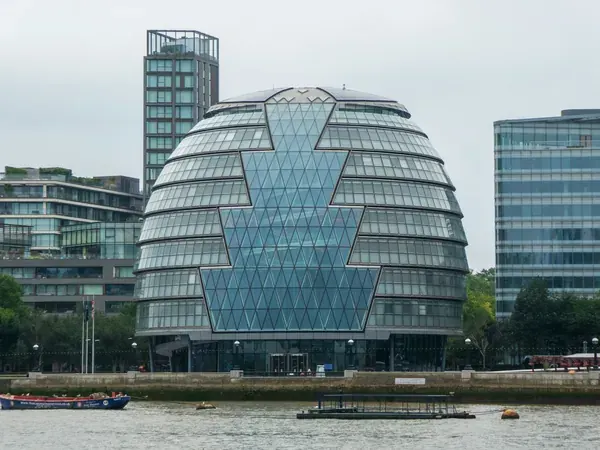
High-tech architecture has made a big mark on buildings today. Architects look at the cool designs and smart ideas from high-tech style to make new buildings better. They use strong metal and glass, and they put things like pipes and beams where we can see them.
This makes buildings look neat and shows off how they're built.
People who make buildings now also care a lot about our planet. They want to make sure that their buildings help keep the Earth clean and safe for everyone. That's why they use clever tricks from high-tech architecture to save energy and water in their designs.
Next, let's talk about what some people don't like about high-tech architecture, even though it has changed how we build in so many ways.
Criticisms and controversies
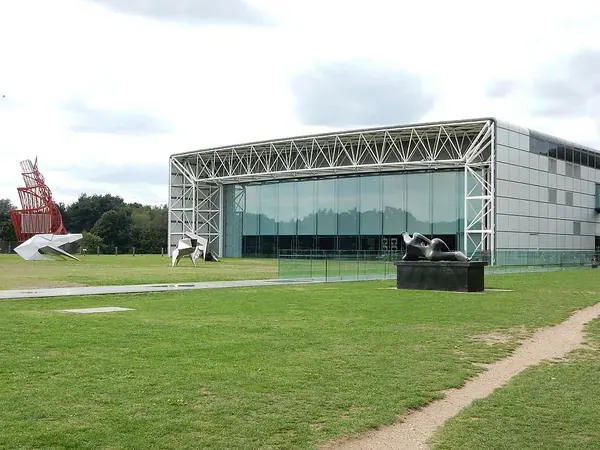
Some people don't like high-tech architecture because they think it uses too much technology and metal look over making places comfy for people to be in. They say these buildings are more about looking cool than being green or nice to live and work in.
Others say this style is only for rich folks and does not help everyone else.
Buildings with high-tech design can also have problems as they get older. Some say fixing them costs too much money and isn't smart. These designs may look fancy, but they might not always make sense for using the space every day.
People also worry that making and keeping up these buildings could hurt our planet because they use a lot of energy. On the other hand, we can say that high-tech architecture in recent years has been shifting towards more sustainable construction, so it might be just the way to go.
The future of High-Tech Architecture
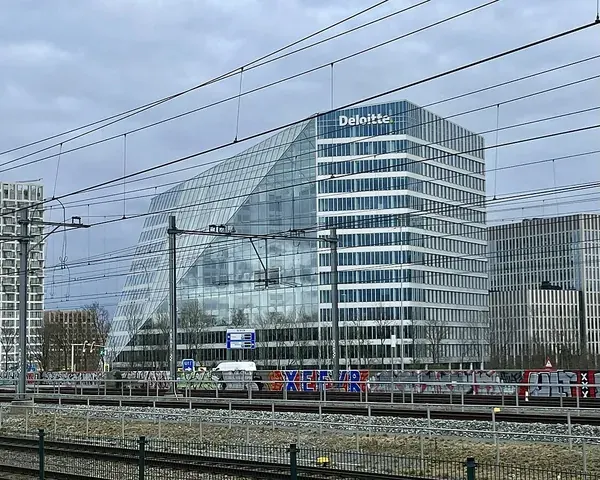
High-tech architecture shapes the way we build and live today. It's not just about looking modern; it is modern, using real technology to make buildings better. This style was the last big trend of the 20th century, but its journey is far from over.
Architects are now pushing it into new places with even smarter designs that mix high-tech looks with amazing function.
Buildings in the future will do more than ever before. They will use cutting-edge technology to fix problems like saving energy and space. High-tech architecture will keep leading the way in making these smart buildings.
With advanced construction methods, these structures will be stronger, safer, and cooler to look at! People want their homes and offices not just to work well but also to show off great design—and high-tech architecture does both perfectly.

Rhino for Architects Course
Give your architectural skillset a major boost with the Rhino for Architects Course. Get over 60 hours of focused training tailored specifically for architects. Master commands and techniques to model, render, and animate architectural visualizations at the highest level. Click below for more information and watch your designs come alive!