Navigating the world of architecture can sometimes feel like deciphering a complex map where styles intersect and influence one another. The International Style has been pivotal in shaping modern cities with its clean lines and functional approach.
Our journey through this blog post will unveil how this architectural movement not only evolved but left an indelible mark on our skylines. Keep reading to see how simplicity became timeless.
Key Takeaways
- The International Style in architecture started in Europe and spread worldwide because of its simple design using steel, glass, and concrete.
- A big show at the Museum of Modern Art in 1932 introduced this style to the United States where it became very popular.
- Important architects like Walter Gropius, Le Corbusier, and Ludwig Mies van der Rohe made famous buildings that show what International Style is all about.
- This way of building changed cities and showed how we could make spaces work better for everybody.
Origins and Development of The International Style
The International Style, a paradigm of architectural modernism, crystallized against the backdrop of early 20th-century industrial progress and societal reform. This movement emerged prominently after being propelled into the spotlight by the 1932 Museum of Modern Art exhibition in New York City.
Definition and background
International Style is a type of architecture born in Europe, mainly Germany, Holland, and France in the 1920s. It blossomed as modern machines began to change how people lived and worked.
Architects saw that buildings could reflect this exciting industrial progress. They designed structures with clean lines and geometric shapes, showing off the neat beauty of pure function without extra decoration.
This style shook hands with modernist ideas about how things should look. It chose simplicity over fancy add-ons to make sure everything had a clear purpose. Through this fresh way of crafting buildings came an architectural language spoken all around the world.
Next up is a major event that helped spread these new design ideas far and wide: the 1932 MoMA exhibition.
1932 MoMA exhibition and key curators/publications
Moving from the basics, let's talk about a big event for modern architecture. The 1932 MoMA exhibition called "Modern Architecture: International Exhibition" was a huge deal. It put the International Style on show for everyone to see.
Philip Johnson and Henry-Russell Hitchcock were the brains behind it all. They picked what buildings and designs would be in it.
The show had a big effect on how people in the United States saw modern buildings. Before this, many did not know much about International Style or like it very much. But thanks to MoMA, more people started to get interested in these new ideas of building design.
This event helped make modern art history happen and changed how architects thought about their own work around the world.
Influence of destruction during WWI and rebuilding efforts
Moving on from what was left out, we see that World War I's massive destruction forced people to think differently about buildings. Whole cities needed new buildings fast. This push for quick rebuilding helped shape the International Style.
Architects saw a chance to use new materials and make buildings in simple ways that could be done quickly.
These changes were big in Germany where much of the war happened. The country had many places to rebuild and lots of ideas for doing it right. This need led German architects to create clean, practical designs without extra parts that didn't serve a purpose.
Such designs became key parts of the International Style.

Reconstruction projects during this time weren't just about making things as they were before but better. They mixed old styles with fresh, modern thoughts to make something special—modernist architecture was born out of these efforts.
Across Europe and beyond, new design principles guided how cities were rebuilt which influenced how the International Style grew.
This period also got people thinking about saving important old buildings while embracing new designs. Many wanted both—to keep history alive and add innovative structures beside them—that gave rise to an architectural evolution that blended past and present.
Coalescence and dissemination to the United States
The International Style really took off in the United States thanks to a big show at the Museum of Modern Art in New York in 1932. Philip Johnson and Henry Russell Hitchcock were leading figures who helped spread these new ideas about architecture across America.
They showed off simple, clean buildings that were different from the old-fashioned styles people were used too.
This fresh way of building matched well with America's love for progress and innovation. Architects began creating sleek offices, houses, public spaces and skyscrapers that changed cities' skylines forever.
As modern architecture grew in the US, it started to include more than just looks—it also thought about how buildings could work better for everyone who used them. Now let's explore what makes the International Style stand out so much.
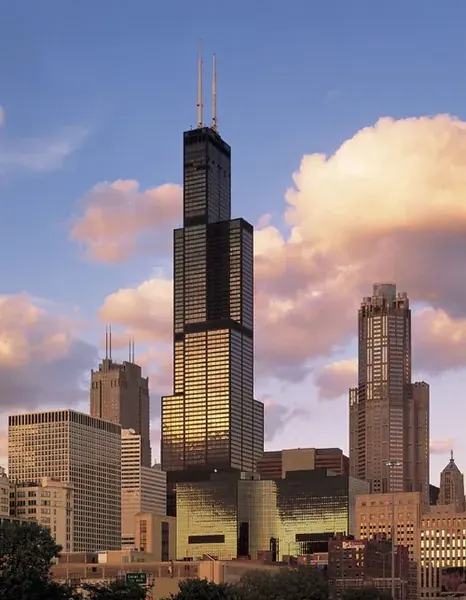
Key Characteristics and Principles of The International Style
The International Style in architecture is defined by its singular focus on volume over mass, the preference for balance rather than preconceived symmetry, and a strict adherence to the concept of form follows function.
It champions industrial materials such as steel and glass, promotes the absence of ornamentation, and embraces open space to create a sense of simplicity and clarity within a building's design.
This architectural approach not only represents aesthetic minimalism but also embodies ideologies of transparency, lightness, and societal progression through its structural innovations.
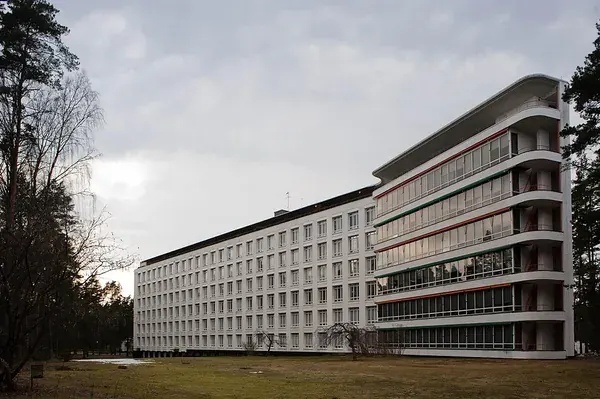
Concepts and styles
International Style buildings are known for being simple and making sense. They use steel, glass, and concrete to create clean lines and shapes. Architects who design these buildings think a lot about how the space inside will be used.
They want everything in the building to have a purpose and help make life better or easier for the people using it.
This style started because people wanted to show off new ways of building things with technology. Buildings were not just pretty; they also showed that we could build smarter and more efficiently.
This way of thinking spread across the world as architects shared their ideas on how best to use spaces in cities after wars had destroyed many old buildings. The International Style became famous because it was different from older styles and because it worked well for all sorts of buildings, from houses to big office towers.
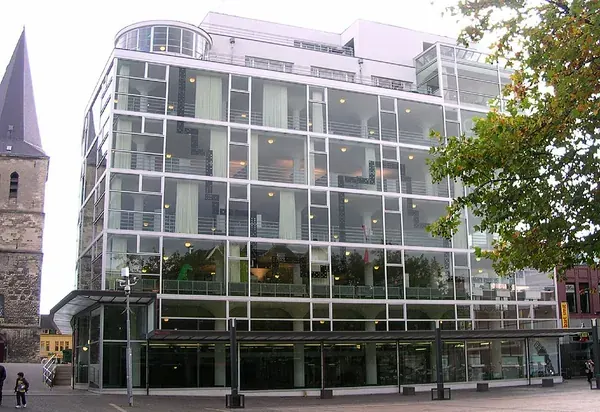
Transformative and political aspects
The International Style changed more than just buildings. It also played a big role in politics. Many people linked it with groups that wanted everyone to be equal, like socialists and communists.
Architects used the style to show ideas of social equality and progressivism. They believed that simple design could make life better for all people, not just the rich.
This style spread around the world as countries built new cities and fixed old ones after wars. It helped shape modern cities with its focus on function and cutting down on fancy details.
With new technology, architects made buildings that reflected their hope for a united world where places looked similar no matter where you were.
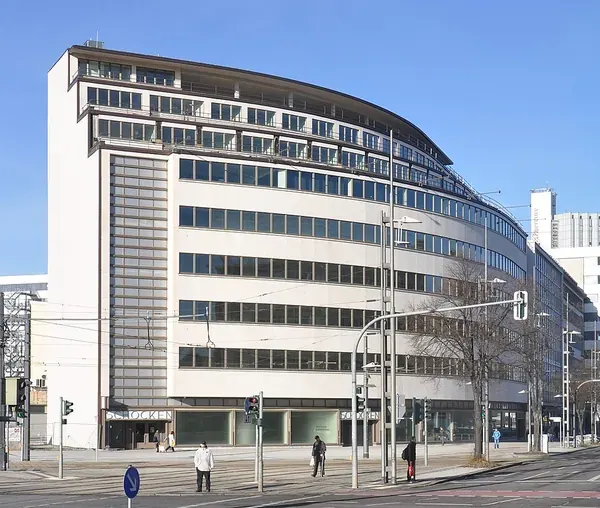
Naming and global expansion
As the International Style grew, it wasn't just about how buildings looked but also what they stood for. Architects from America and Europe started to design with a new mindset. This way of building spread around the world.
People started calling this trend the International Style because you could see these types of buildings everywhere, in many different countries. Cities began to change as these new, sleek skyscrapers popped up against the sky, showing off what modern architecture could do.
Frank Lloyd Wright and other famous architects helped make this style popular all over the planet. Their designs were simple and practical but also very beautiful. They used new materials like steel and glass to create buildings that were different from older styles.

Iconic Works and Architects Representing The International Style
The International Style in architecture is epitomized by several seminal works and visionary architects; among them stands the Bauhaus building in Dessau, Germany, a symbol of innovative design crafted by Walter Gropius. Let’s look further into some memorable examples.
Bauhaus, Dessau by Walter Gropius
Walter Gropius designed the Bauhaus building in Dessau with a bold new approach. He mixed design and technology to make art meet industry. The school opened doors for modernist architecture, showing how buildings could be simple but amazing.
His work at Dessau stands as a clear sign of functionalism and minimalist design.
Gropius's Bauhaus had classrooms, workshops, and spaces where people could live and create together. It was like nothing else at that time. Clean lines and geometric forms made it stand out as avant-garde architecture.
This place wasn't just about learning; it became a symbol of architectural innovation across the world.

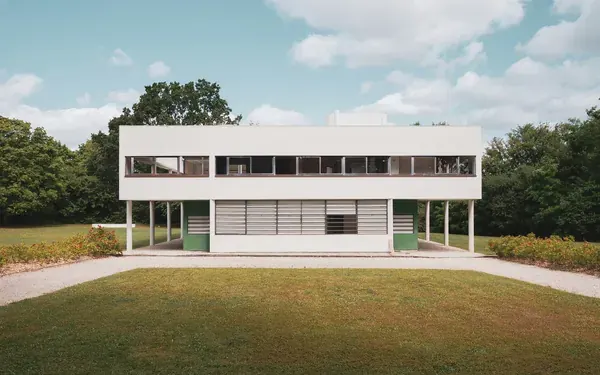
Villa Savoye, Poissy-sur-Sei by Le Corbusier
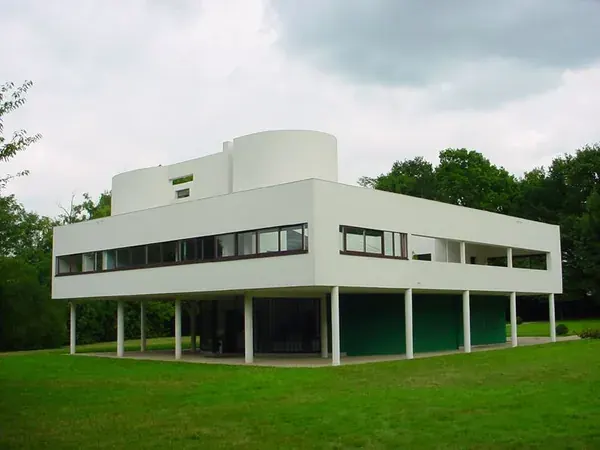
Moving from the Bauhaus's form and function, we see Le Corbusier's Villa Savoye as a true icon of the Modern Movement. Built in 1931, this architectural masterpiece stands out for its innovative design.
It effortlessly captures the essence of modern architecture with its simple lines, open floor plan, and use of new materials like reinforced concrete.
Le Corbusier created not just a home but a work that embodies international modernism. The Villa is now celebrated worldwide and has earned its place as a UNESCO World Heritage Site.
Architects study it to understand how space, proportion, and light come together to create harmony. Its lasting influence shows how one building can reflect the core principles of an entire movement in architecture.
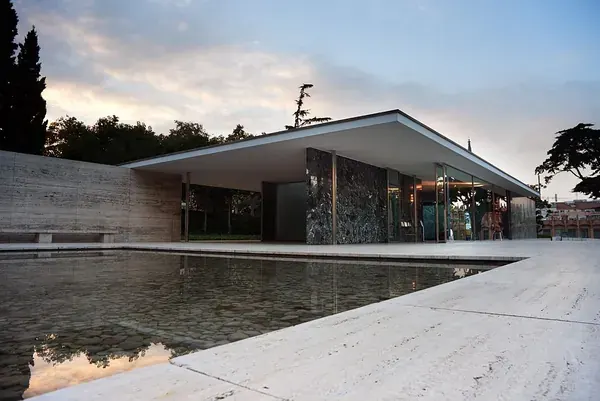
German Pavilion, Barcelona by Ludwig Mies van der Rohe
The German Pavilion in Barcelona stands as a bold statement by Ludwig Mies van der Rohe, showcasing the International Style's cutting-edge design. It was built for the 1929 Barcelona International Exhibition to present Germany's new and progressive identity.
The pavilion is not just a building; it's a revolutionary idea about space and structure. Mies van der Rohe used open plans and flat surfaces to change how walls work in buildings.
Elegant materials like glass, steel, and different kinds of stone gave this pavilion a forward-thinking look that would lead the way in modern architecture. Architects admire this avant-garde structure because it changed how buildings were thought of and put together.
It also paved the path for Mies van der Rohe's future work which continued to push boundaries in design with simplicity and clarity. This architectural masterpiece remains an important piece showing us where today's modern styles began.
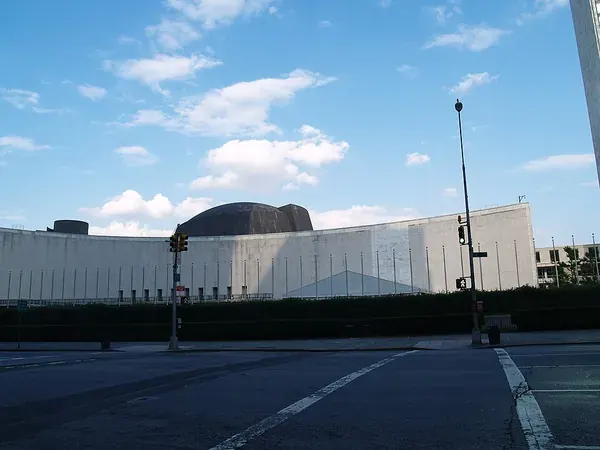
United Nations General Assembly Building, New York by Oscar Niemeyer
Oscar Niemeyer is often mentioned with the United Nations General Assembly Building in New York, but this isn't correct. Wallace Harrison led the design of this massive building. It's a huge mistake to say Oscar Niemeyer did it alone.
This famous building shows what the International Style is all about. Architects know its clean lines and lack of fancy stuff on walls are key to this style. Even without Oscar Niemeyer's touch, the United Nations General Assembly Building stands as a symbol of peace and unity across countries.
It uses a simple design to make something very important.
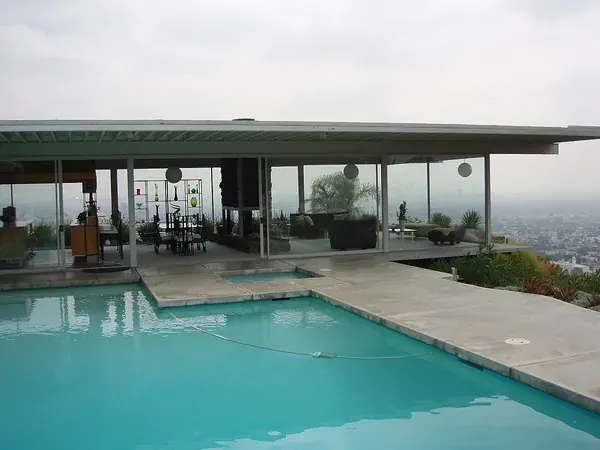
Case Study House #22 (Stahl House) by Pierre Koenig
Pierre Koenig's Stahl House stands out as a masterpiece of the International Style. Set in the Hollywood Hills, this iconic home shows off clean lines, glass-and-steel construction, and a sleek modernist look.
It was part of an ambitious project called the Case Study House Program. This program wanted to make homes that were both well-designed and used new industrial materials.
The Stahl House became famous for its stunning design and influence on postwar living. People know it as Case Study House #22, one of the most photographed homes in modern architecture.
Koenig's work captured the true spirit of California's lifestyle and inspired many with its innovative approach to domestic space.
Looking beyond this landmark home reveals more about how International Style shaped buildings around the world.
Legacy and Impact of The International Style
The International Style's legacy in modern architecture cannot be overstated, marking a distinct shift toward minimalist aesthetics and functional design that has significantly influenced contemporary urban landscapes.
Its principles of simplicity and clarity continue to underpin the rationale for architectural projects globally, shaping our built environment with an enduring emphasis on form following function.
Notably, this movement set the stage for subsequent architectural styles such as Brutalism and Postmodernism while also sparking critical dialogues about preservation efforts for historic buildings representative of this transformative era in design.
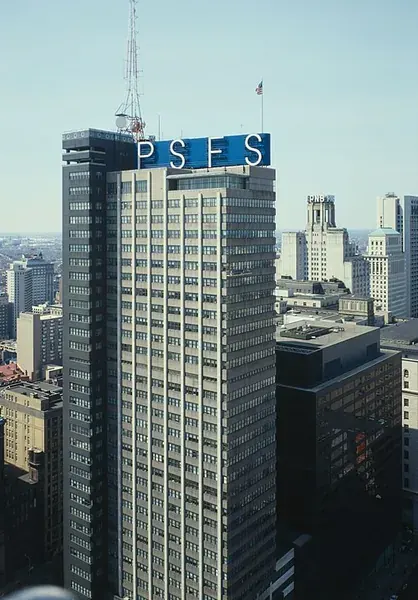
Influence on modern architecture
International Style shaped the way we build today. Its ideas of clean lines, open spaces and simple shapes spread all over. Now, modern buildings often have glass walls, flat roofs, and steel frames because of it.
Architects learned from International Style how to make buildings for their purpose first. They use modern materials like concrete and steel in new ways.
This style's big impact means we see its marks in cities everywhere. Skyscrapers in New York and cool houses in California still follow these old rules. Even art and furniture design changed because of this style.
It taught people to like things that are easy to use and look smooth without extra decoration.

Subsequent developments and decline
The widespread love for the International Style could not last forever. Over time, people wanted something new. They saw that these buildings often lacked color and were sometimes too similar.
Architects started to think about local cultures and environments more. This meant they designed buildings that fit better with their surroundings instead of using just one style everywhere.
As this change happened, the International Style began to fade away in popularity. New ideas like Postmodernism came into play, adding decoration and historical nods back into architecture.
These changes showed how architecture keeps transforming as times change. Next comes looking at how we keep old International Style buildings safe today.

Preservation efforts for historic International Style buildings
People are working hard to keep International Style buildings safe. They want to make sure we remember how important these buildings are for history and culture. Architects study these old buildings to learn more about the modern movement in architecture.
Keeping them around helps everyone understand why they matter so much.
Saving these special buildings makes sure people can see and enjoy this style of architecture for a long time. It's not just about looking at them; it's also about keeping the story of how our cities and buildings have changed alive.

Grasshopper Complete Course
Give your architectural skills a boost with the Grasshopper Complete Course. Get over 50 hours of comprehensive Grasshopper training tailored for architects. Learn to generate and iterate designs faster. Click below for more information and streamline your workflows!