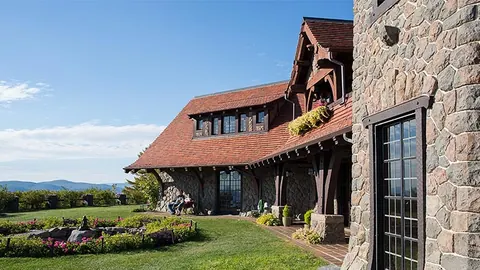
Many people struggle to grasp the grandeur of Iran's architectural legacy. Iranian architecture, a testament to an ancient civilization, bridges history and modernity. This article promises a glimpse into how these structures narrate tales of cultural evolution.
Let's unveil their secrets!
Key Takeaways
- Iranian architecture shows a mix of ancient Persian designs, Islamic art, and modern style.
- Important buildings include mosques with domes and tall minarets, palaces with grand halls, and traditional houses made of clay.
- Big cities like Tehran, Isfahan, Kashan, and Shiraz have beautiful old buildings that tell stories of Iran's history.
- UNESCO has added some Iranian places to their World Heritage list because they are very special. These include Naghsh-i Jahan Square in Isfahan and the ruins of Arg-é Bam.
- Architects from all over come to see Iran's architecture because it has many different styles from long ago until now.
Development of Iranian Architecture
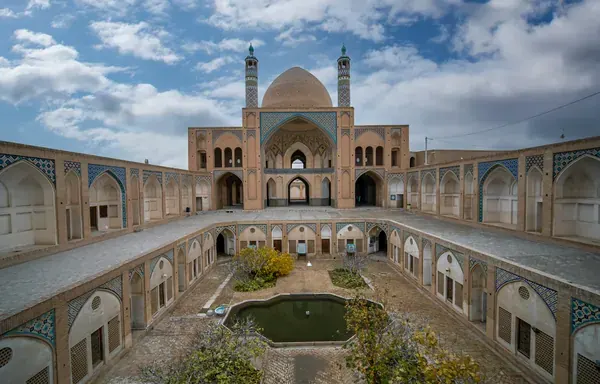
The evolution of Iranian architecture is a testament to the region's layered history, narrating stories from ancient dynastic powerhouses through Islamic influences up to the contemporary crossroads where tradition meets modernity.
This architectural lineage not only reflects Iran’s multifaceted culture but also chronicles advancements in design and engineering as they unfolded over centuries.
Pre-Islamic Architecture
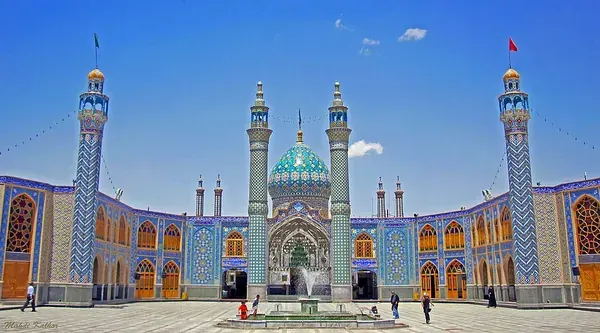
Long before Islam, ancient Iran was a place of grand buildings and towering structures. Huge palaces stood tall, showing off the power of kings. Ziggurats reached for the skies; these were step pyramids made from bricks that led up to temples on top.
This old architecture had special patterns and designs. Carvings on walls often told stories or showed important symbols. Each brick in a ziggurat was laid with care, creating a massive staircase that seemed like it could climb forever.
These giant works weren't just pretty; they were places where people came together to worship and honor their gods.
Islamic Architecture
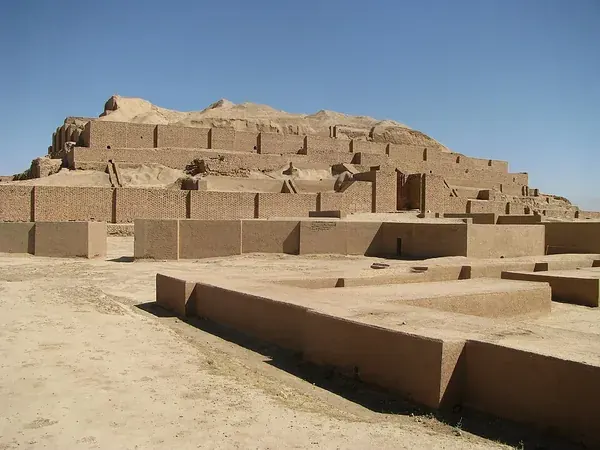
Moving from the time before Islam, Iranian architecture really began to shine with Islamic influence. The design of homes changed because of traditions in Islam. In mosques and houses, you find beautiful domes and tall minarets reaching for the sky.
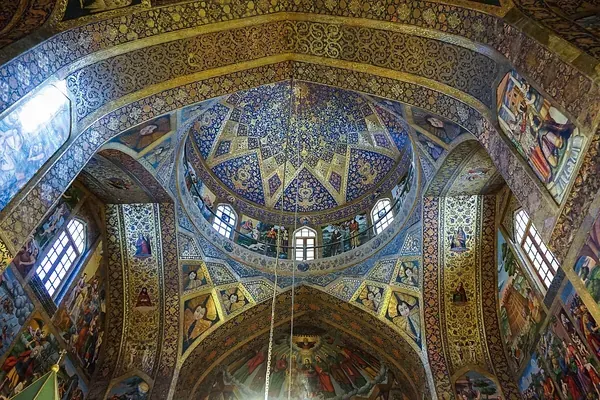
Inside, there are special vaulted ceilings called Muqarnas and walls covered with girih tiles that create amazing patterns.
Islamic art also plays a big role in how these places look. You can see neat designs made with lines and shapes on many buildings. These patterns sometimes have writing from the Quran that looks like art itself – this is called calligraphy.
Contemporary Iranian Architecture
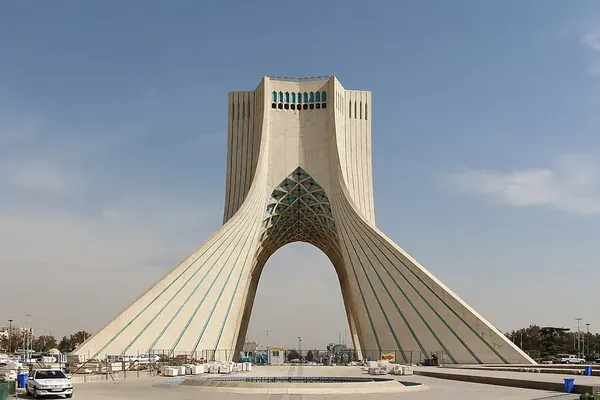
Iran's building art has evolved over time. Its modern works show a mix of past ideas and new designs. Architects now use the latest methods to create buildings that respect Iran’s rich traditions and look towards the future. They blend old shapes like domes with modern materials such as glass and steel.
Cities in Iran today have many unique buildings that draw from this diverse style. These structures often reflect cultural stories and philosophical ideas, showing how deep history affects present design.
Modern Iranian architects keep making places that honor their land's long heritage while also making something fresh for people today to enjoy.
Main Characteristics and Features
Iranian architecture is a tapestry of design principles and material usage deeply intertwined with the nation's rich cultural heritage. It reveals a sophisticated understanding of balance and aesthetics, marrying functional needs with profound symbolic expression to create structures that are as alluring today as they were centuries ago.
Use of materials
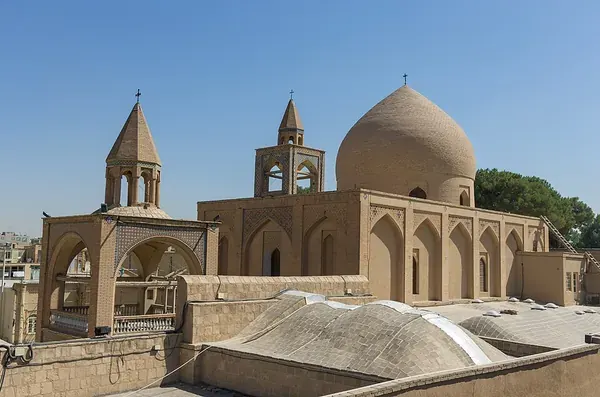
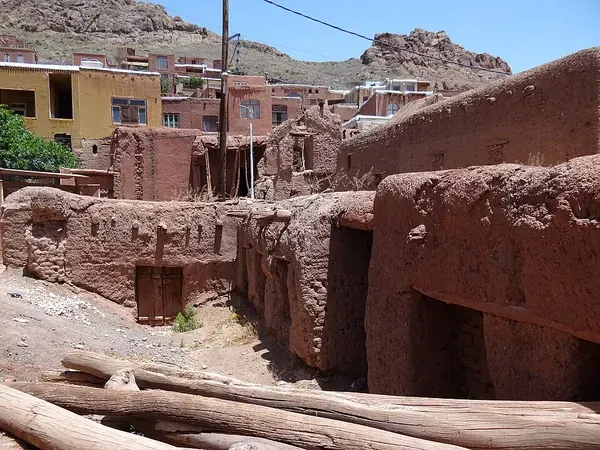
Iran's architects have always been smart with their choices of building materials. Heavy clays shape traditional homes and grand buildings. This choice wasn't just because clay was easy to find, but also because it keeps houses cool in the hot sun. Over time, these builders got really good at using clay to make beautiful designs that last a long time.
Today, while some new buildings might reach for the sky with steel and glass, many still honor old ways by using updated versions of those ancient construction methods. Modern tools let builders keep making with clay but in new and exciting forms that blend the past with what we need today. This mix shows how Iran's rich heritage can meet modern life without losing its soul.
Design principles
Moving from the choice of materials, the guiding ideas behind Iranian architecture are just as vital. These principles shape buildings and cities in ways that blend beauty with function.
Persian architects follow religious symbolism and cultural traditions to create spaces that tell stories. They use art and mythology to design places where each detail has meaning. This careful planning makes for structures with grand domes, intricate patterns, and harmonious colors.
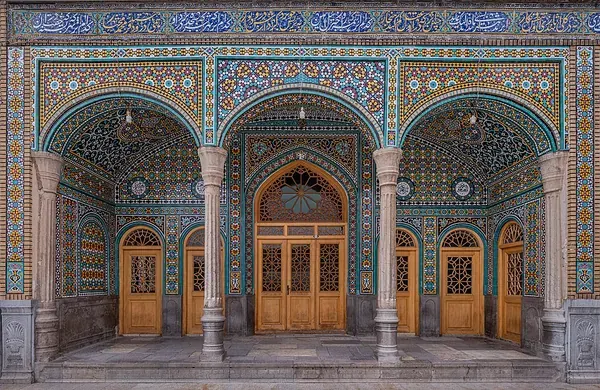
Persian architecture stands out because it combines different styles while keeping its own special look. Builders pick from a rich mix of structural elements found across various eras and lands.
From towering minarets to elegant arches, these features show off both skill and a deep understanding of design. Architects consider how light plays within a space or how a garden integrates with indoor areas to make each building unique yet part of a larger Persian art form.
Influence of city planning
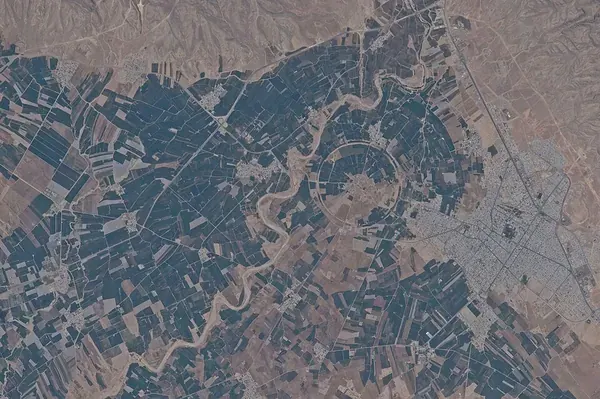
City planning has a strong role in shaping the features of Iranian architecture. The layout of urban centers and the placement of buildings create spaces that tell stories about the past.
In ancient times, planners designed cities with beauty and function in mind. Streets were made to lead people to important places like markets, mosques, or palaces, using a circular organization.
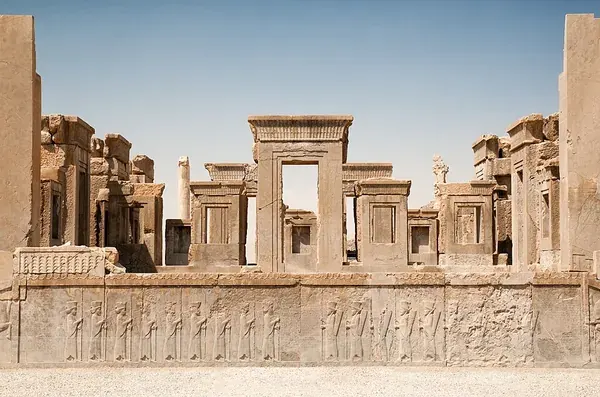
The old city Persepolis shows how careful planning makes a place special. Here, grand staircases and pathways guide visitors through impressive gates to courtyards meant for ceremonies. This kind of design helped people feel the power and greatness of the Persian Empire.
Today's architects learn from these examples when they build new parts of cities in Iran or restore old ones. They blend traditional styles with modern ways to solve problems like traffic or how to use energy better in buildings.
Good city planning can make life better by making sure there is enough light, fresh air, and green areas where people can relax or play. These are essential parts of any great ––––city that wants its citizens happy and healthy.
Four Cities to Explore the Wonders of Persian Architecture
Delve into the heart of Persian culture as we take you on a tour through Tehran, Isfahan, Kashan, and Shiraz—each city offering a unique tapestry of architectural grandeur that promises to captivate your imagination.
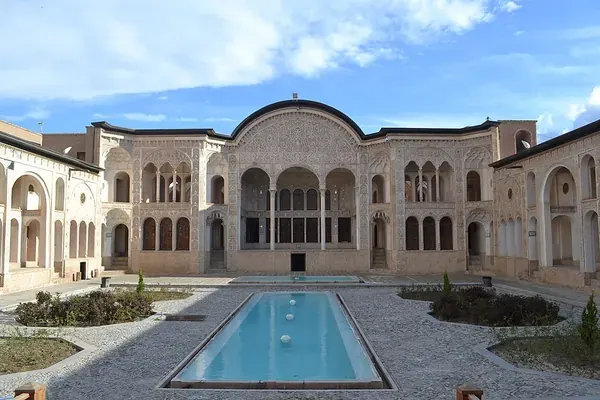
Tehran
Tehran stands tall as a city woven with rich Persian culture and architectural marvels. This bustling metropolis invites architects to discover palaces like the Golestan Palace with its majestic rooms and mirrored halls, and the Sa'dabad Complex which offers a peek into royal life.
Each corner of Tehran tells a story through its historical landmarks, from the grand bazaar that buzzes with daily commerce to cultural heritage sites where you can see Iran's history unfold.
Walking through Tehran is not just about seeing buildings; it's about experiencing how modern life intertwines with ancient traditions. The capital is alive with sightseeing attractions that showcase how contemporary Iranian architecture draws inspiration from its glorious past while forging ahead with new designs.
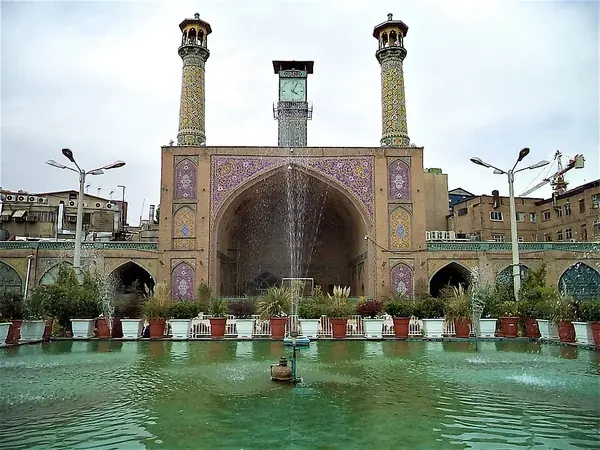
Next up, let’s journey to Isfahan, another city famed for its stunning Persian architecture.
Isfahan
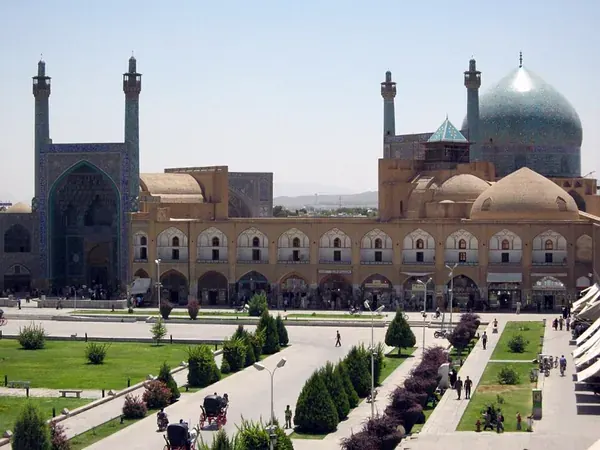
Isfahan shines as a jewel of Persian culture and Islamic architecture. Known for its splendid boulevards, historic bridges, palaces with detailed artwork, and stunning mosques adorned with colored tiles, the city invites architects to walk through history itself.
The Safavid era left a remarkable mark on Isfahan’s design, most notably seen in Naghsh-i Jahan Square – an open-air museum of architectural heritage where artisans once shared their masterpieces.
The city's grand structures are not just beautiful; they show how important trade routes and cultural influences shaped ancient building practices. Visit Isfahan to see why it was one of the largest cities in the world and experience first-hand the marvels that make up its skyline.
As you prepare to leave this chapter behind, get ready to venture into Kashan where more Persian treasures await discovery.
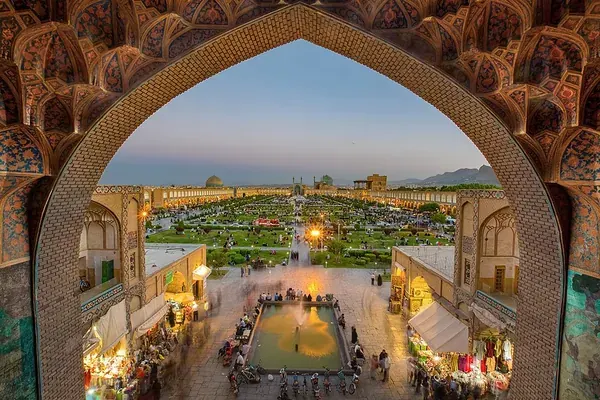
Kashan
Kashan greets visitors with its historical charm and a rich taste of Persian culture. This city, set in the heart of Iran's Isfahan Province, is not just about stunning views and natural beauty; it also boasts a treasure trove of traditional houses that showcase the ingenious craftsmanship of ancient architects.
Here, each corner tells stories from times long past, encased within walls decorated with intricate tile work and under domes that echo the grandeur of Iranian history.
As you wander through Kashan's narrow streets, you'll find yourself wrapped in a world where rosewater fills the air and handmade carpets add splendor to every step. The city thrives on its textile heritage while remaining one of Iran’s prime tourist attractions for those eager to explore authentic Persian architecture.
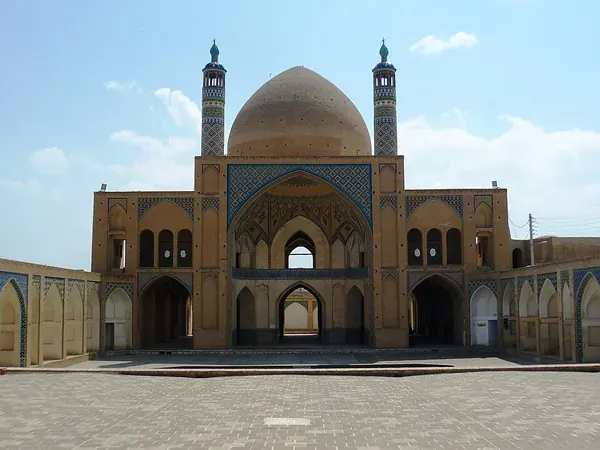
Next up, let's travel to Shiraz where poetry meets architectonic brilliance.
Shiraz
Leaving the quiet allure of Kashan behind, we journey to Shiraz, a place where Persian culture blossoms amidst historical landmarks. Shiraz is celebrated for its poetic heritage and the timeless beauty of Persepolis. This city, cradled by the Zagros Mountains, stands as a testament to an arts scene that has thrived for centuries. Visitors marvel at its architectural wonders from grand mosques to lush gardens.
As an important tourist destination in Iran, Shiraz offers architects a wealth of inspiration. You can see modern touches blend with ancient design throughout this historic city's urban charm.
Its role as both a capital of Fars Province and a hub of cultural attractions makes it pivotal in understanding Persian structural elegance. In Shiraz, every corner tells a story—of artistry, natural beauty, and a deep-seated reverence for craftsmanship.
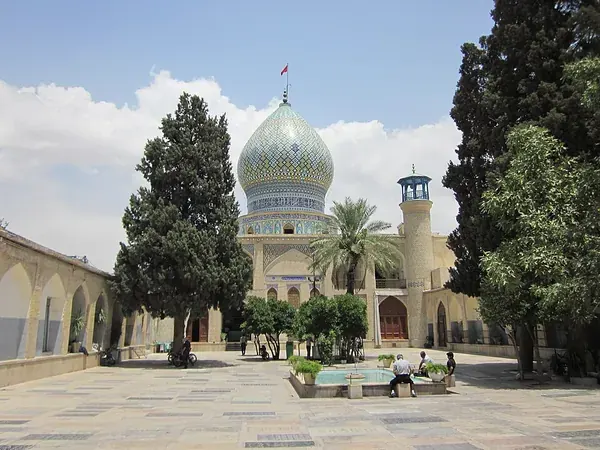
UNESCO-Designated World Heritage Sites and Architectural Marvels
Iran's architectural splendor is not only a testament to its rich cultural heritage but has also been recognized internationally, with several sites proudly inscribed on the UNESCO World Heritage list.
These landmarks stand as tangible narratives of Persian ingenuity, beckoning architects and enthusiasts alike to delve into their storied pasts and examine the intricate artistry woven into their very fabric.
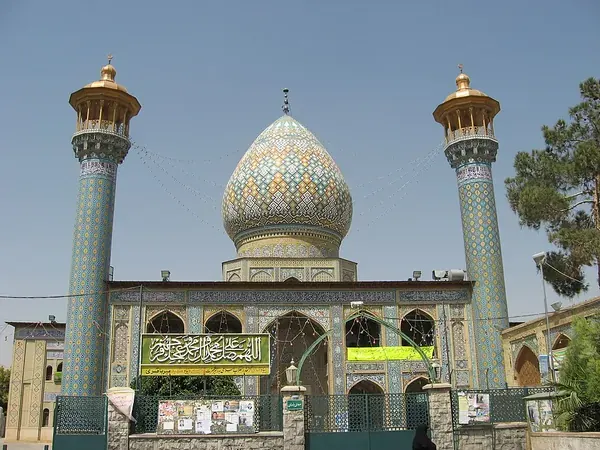
Naghsh-i Jahan Square
Naghsh-i Jahan Square, also known as Meidan-e Emam, is at the heart of Isfahan. This site holds a special place in Persian history. Surrounding the square are breathtaking examples of the great Persian Empire's architecture. Think of it as an open-air museum where every turn shows you a new marvel.
Covering 83,500 square meters, Naghsh-i Jahan is one of the world's largest city squares and truly showcases cultural heritage. Architects will appreciate how this city square blends grand structures with public spaces seamlessly.
As a main tourist attraction, visitors can witness stunning patterns and designs that speak volumes about ancient craftsmanship and artistry—all these make Naghsh-i Jahan Square not just a landmark but an architectural treasure recognized by UNESCO.
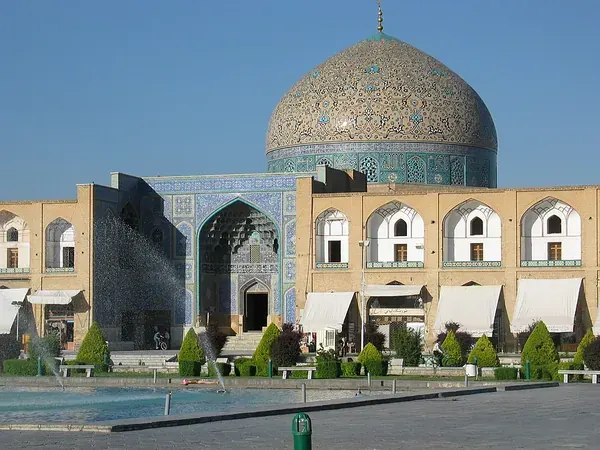
Samarkand
Samarkand stands as a testament to the cultural crossroads of civilization. This ancient city, founded in the 7th century B.C., it today’s Uzbekistan, captures a history stretching back over two and a half millennia.
Its status as a UNESCO World Heritage Site since 2001 confirms its global importance for heritage and preservation. Architects marvel at Samarkand's distinctive Timurid architecture, with monumental buildings boasting intricate ceramic tile work.
The preserved urban fabric lets you trace the layout of this historical site, from traditional homes to grand landmarks. Notably, Samarkand's role in civilization is highlighted through these architectural wonders that have stood the test of time.
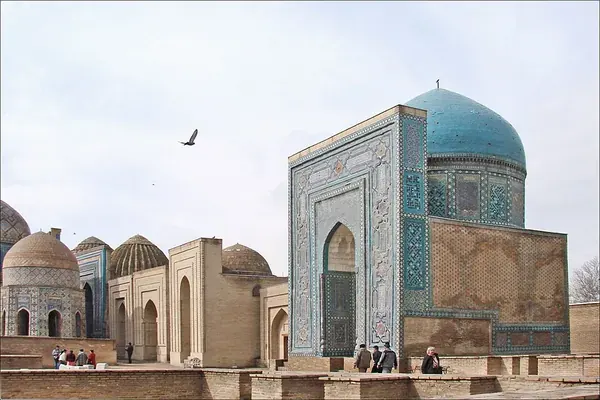
Next up: let's explore another marvel - The Mausoleum of Khoja Ahmed Yasawi.
Mausoleum of Khoja Ahmed Yasawi
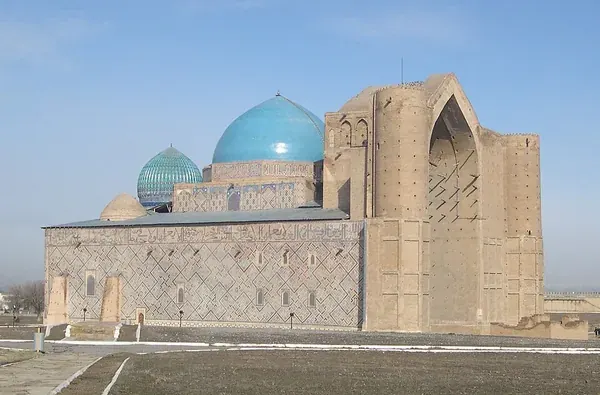
Moving from the historic sites of Samarkand, we encounter another marvel steeped in Islamic culture and architectural prowess. The Mausoleum of Khoja Ahmed Yasawi stands out as a grand tribute to the revered Sufi philosopher and poet. Built under Timur's orders, it showcases the ingenuity of Persian builders who paved the way for future marvels in Samarkand and beyond.
This majestic shrine in Turkestan is not just a religious pilgrimage site; its design principles reflect deep Sufi philosophy intertwined with robust city planning elements from Central Asia.
A visit here reveals why it earned a spot on UNESCO's World Heritage List – each dome and chamber tells a story of faith, heritage, and architectural evolution that continues to inspire architects around the globe.
Arg-é Bam Cultural Landscape
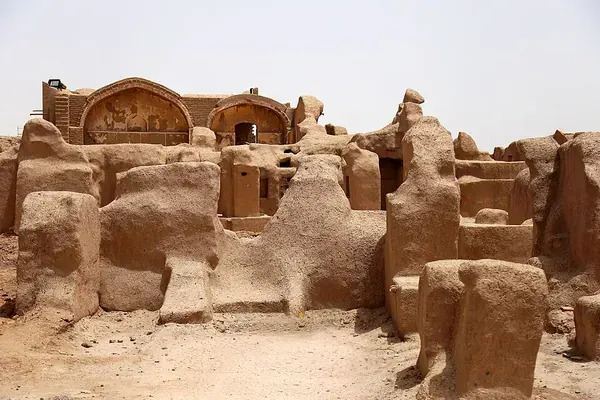
The Arg-é Bam stands as a testament to Persian adobe architecture, dominating the cultural landscape with its massive size. This world's largest adobe structure has seen centuries pass by.
Located in Iran's Kerman province, it rises from the high plateau at an altitude of 1100 meters, catching eyes and holding tales of ancient civilizations.
Historic trade routes once converged at this spot where silk and cotton were traded. The mighty citadel of Bam reveals not just Iran's architectural heritage but also its role in cultural preservation along historic crossroads like the Silk Road.
Today, architects look upon these ruins to understand how ancient traders lived and how such grand structures were built using traditional techniques that survived over time.
Iran's amazing buildings tell a story of history and art. They remind us to look at the past and keep learning.
Explore More Architecture Styles
If you enjoyed learning about Iranian Architecture, explore these related styles:
- Persian Architecture: A guide to Iran's greatest architectural structures across the ages
- Byzantine Architecture: The Eastern style that shared influences with Persian design
- Asian Architecture: Architectural styles and history across the continent
Bring intricate Iranian geometric patterns to life with the Rhino for Architects Course. Learn to model complex details in 3D.

Rhino for Architects Course
Give your architectural skillset a major boost with the Rhino for Architects Course. Get over 60 hours of focused training tailored specifically for architects. Master commands and techniques to model, render, and animate architectural visualizations at the highest level. Click below for more information and watch your designs come alive!