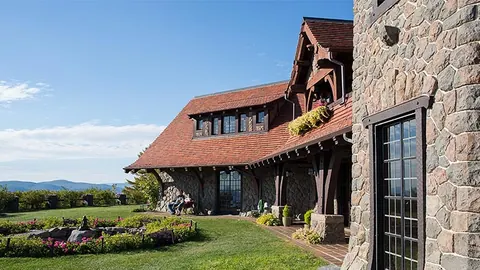
Look no further; you have finally found The Definitive Guide to Mediterranean Architecture(a.k.a. Mediterranean Revival or Mission Revival)If you’re a fan of fancy-looking luxurious seaside villas, you already know what I’m talking about.
Where and when was this architectural style first introduced and what makes it stand apart from other styles?I’m sure you have many questions by now, but worry no more because I am here to provide you with ALL the important information you need to know.First, let’s time-travel to the past...
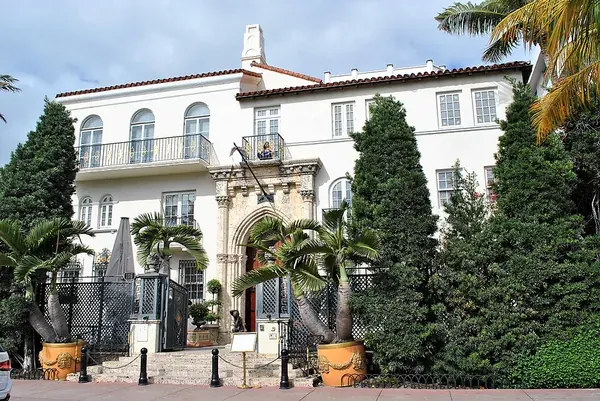
Inspiring Mediterranean Architecture History and Origin
When did it become popular?
The Mediterranean Revival, a broad-range architectural style, was introduced for the first time in The United Statesaroundthe end of the nineteenth century.It was popularized throughout the1920sand1930s due to an obsession with leisure and wealth.That resulted in palaces and seaside resorts on the rapidly growing territories and coastal resorts of Florida and California.Many contemporary architectural historians have different choices of naming this Florida phenomenon, but all of them agree that Mediterranean Revival in Florida is demonstrating a broad-range that rests on a number of design traditions.
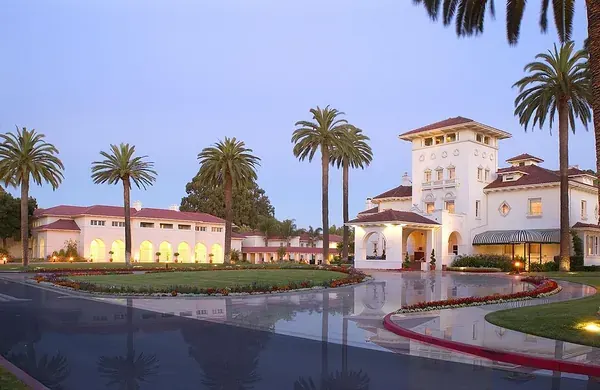
Most Influential Architect
It’s generally accepted that Addison Mizner had the most influential role in popularizing Mediterranean Architecture design in the USA.Addison Cairns Mizner (1872 – 1933) was an American architect. He started his career in 1918 as a resort architect. His style interpretations, Mediterranean Revival and Spanish Colonial Revival, left a remarkable stamp on South Florida.

He was the most discussed and best (living) American architect in the 1920s. Most of his houses are in California since it was his home (Palm Beach) which he transformed.He rejected other modern architects because they produced a copybook effect which was characterless.His intention was to make the buildingslook traditionaland as if they fought their way from an unimportant and small structure to a great house that looked like it took centuries to build (with various needs, ups and downs).Even today, you can see the beautiful work of Mizner throughout Sarasota and he still continues to inspire architects and land developers.
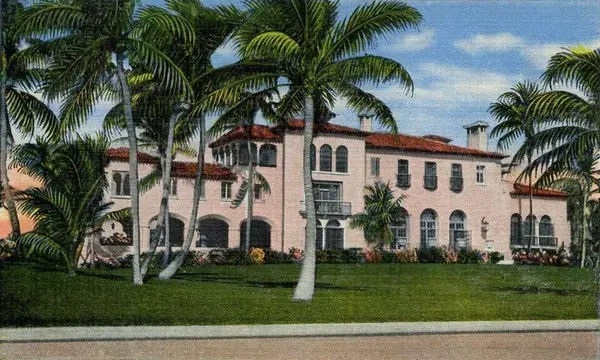
Other Prominent Figures in Mediterranean Architecture
From 1905 to the late 1940s, August Geiger was one of South Florida's most influential American architects. He experimented with architecture in the Mission, Neo-Renaissance and Art Deco style, but is most noted for his works in the style of the Mediterranean Revival. He was mainly based in Florida, along with Addison Mizner, while the most prominent architects in California were Bertram Goodhue(celebrated for his work in Gothic Revival and Spanish Colonial Revival design), Sumner Spaulding, and Paul Williams (designed the homes of numerous celebrities, including Frank Sinatra).
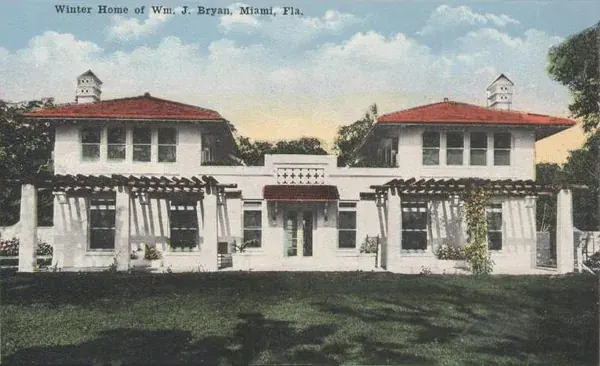
Beautiful, right?
And now, apart from other architects, let’s see how other styles can also play a big role in the development of one particular architectural style like the beautiful Mediterranean Revival.
5 Important Architectural Reference Styles
Architectural trends have shifted over the years. However, as the location still plays a vital role, the time is not the only aspect that has affected architectural styles. You can see different architecture that is unique to those territories, countries or continents when you move around the globe.It’s a style that is popular around the globe in both Mediterranean countries and in many other areas.Below you can see a map with the main focus on two European countries.
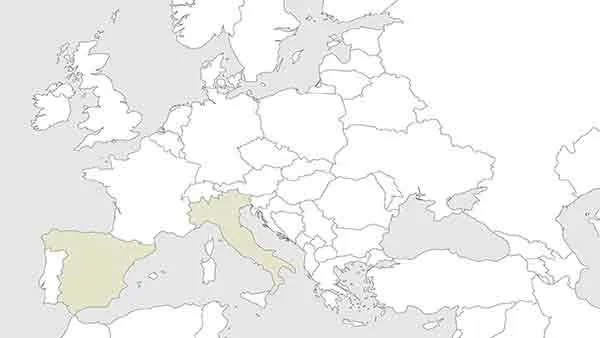
In case you haven’t been paying attention to your geography classes in elementary school and you don’t know them…

But if you love eating churros or pizza, I’ll just assume you DO know them.Mediterranean-style houses come from the countries that have a coast on the Mediterranean Sea. Algeria, Egypt, France, Greece, Israel, Italy, Lebanon, Libya, Morocco, Palestine, Spain, Tunisia, Syria and Turkeyare known as Mediterranean countries. While the Mediterranean style may have been inspired by all these countries, Spainand Italy have been the main influences.
Italian Renaissance (1890-1930)
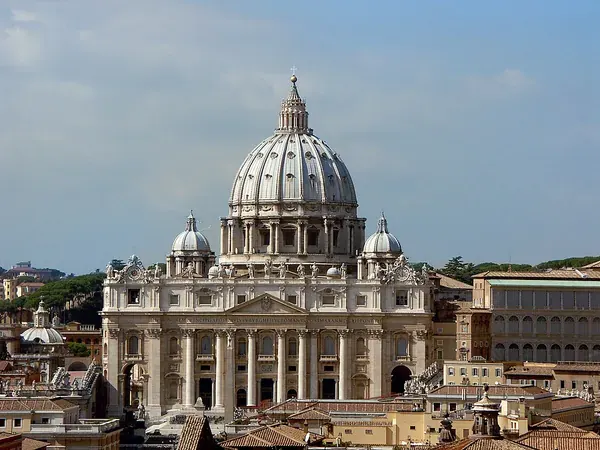
Main inspiration from 16th century buildings of Italian Renaissance:
- Imposing scale
- Columns
- Rounded arches
- Most ornate Mediterranean style (highly decorated)
Spanish Colonial Revival (1915-1930)
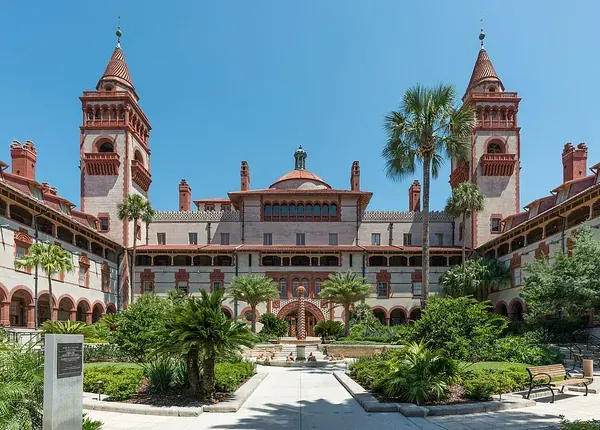
Based on 16th century architecture brought in America by Spanish Colonists:
- Especially popular in warmer, coastal areas like California and Florida
- Simpler than other Mediterranean varieties (less decorated)
Beaux-Arts
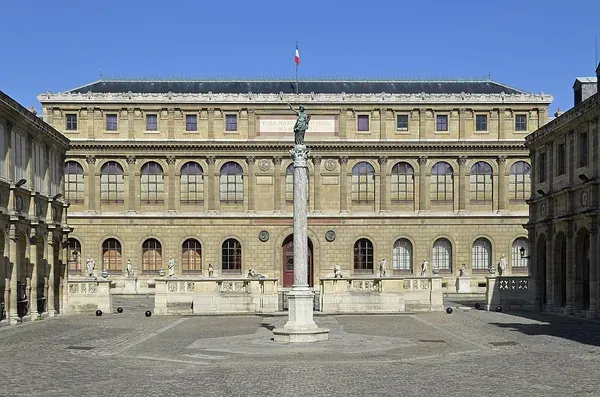
Beaux-Art is an academic architectural style in Paris (taught at the École des Beaux-Arts, from the first part of the 19th century to the end of it).
Andalusian architecture or Moorish Architecture
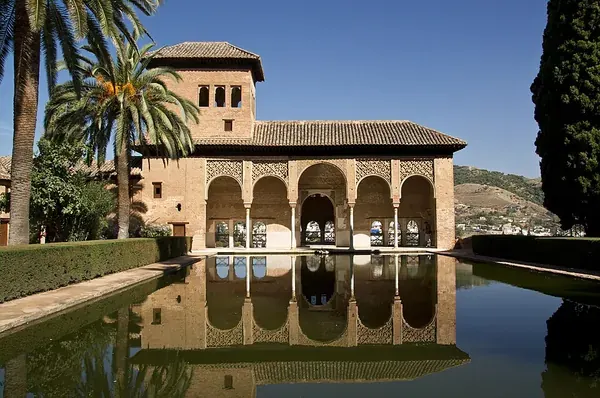
Moorish architecture is an architectural style traditionally built by al-Andalus (Muslim-ruled Spain and Portugal between 711 and 1492) in the western Islamic world.
Venetian Gothic architecture
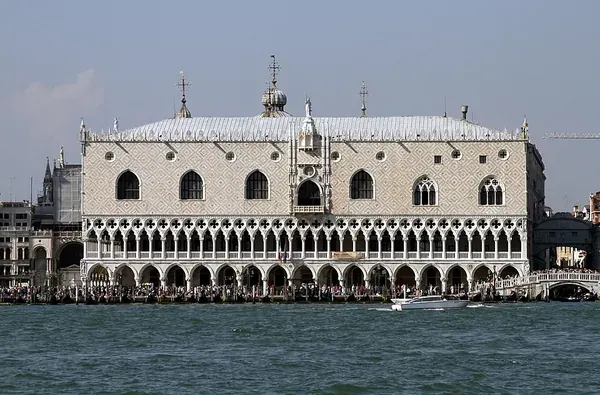
Venetian Gothic is the local architectural style version of Italian Gothic architecture for Venice, representing the trade network of Venice, with a union of influences from local building conditions, some influence from Byzantine architecture, and some from Islamic architecture.Great, so we’ve also seen the reference styles and their most prominent features, and now you are more familiar with the history of Mediterranean Architecture style.But do you know what exactly defines this architectural style?
Distinguished Mediterranean Architecture Features
6 Popular Uses and Functions
Hotels

The design was initially only used for public buildings like hotels.Eventually, however, as we already described, architects such as Addison Mizner of Florida and Bertram Goodhue of California saw that the breezy layout of the style might be a good match for their coastal climates. Today it continues to be more common in coastal areas. In addition, it can be used for:
- Apartment buildings
- Commercial structures
- Residences
- Palaces
- Seaside villas
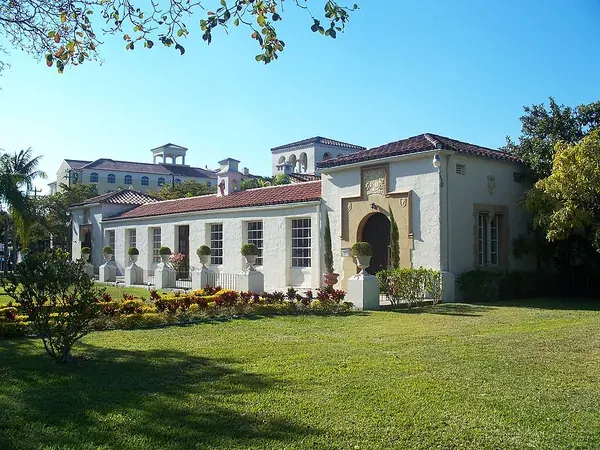
Most Important Mediterranean Architecture Elements
Exterior features
- Low-pitched, Red Clay Tile Roofs
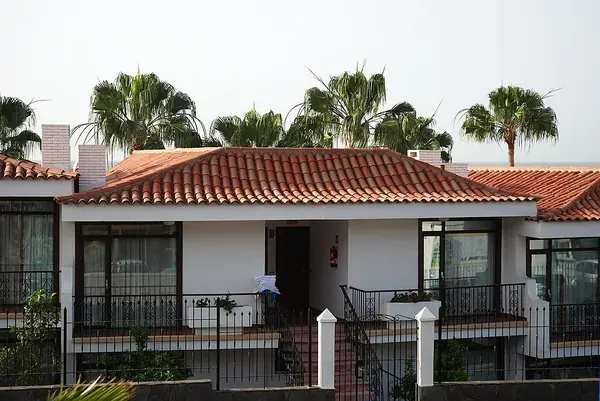
Mediterranean-style homes, like Spanish and Mexican homes, typically have low pitched roof tiles of red clay that are shaped like half a tube. Not only does this shape allow water to drain rapidly, but it also catches cold air in its pocket on hot days to cool the home.
- Sprawling, Large Symmetrical Façades
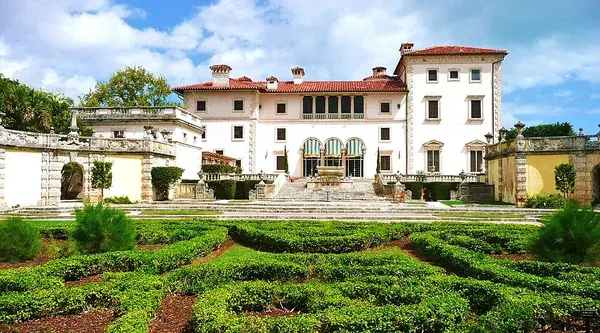
Most Mediterranean homes have wide, symmetrical exteriors and are one to two stories. Usually, the front door reflects on the house and is flanked by tall, wrought-iron gated windows.This style stresses getting the outside into the house, so you can find various tall doors and windows that access the outside living space of the building.
- Stucco Walls
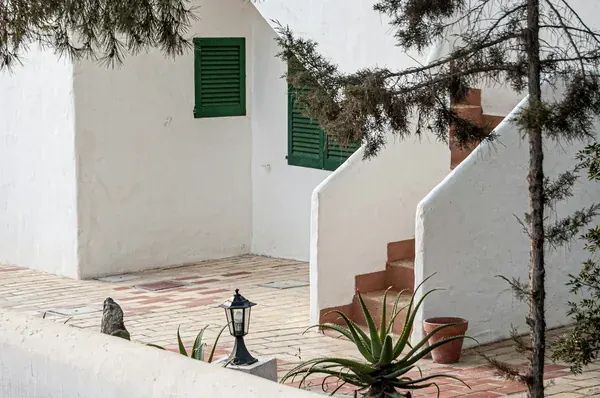
Typically, modern Mediterranean buildings are white in color. Generally, you get a substantial amount of sunshine during the year in the Mediterranean region.The best choice is the white paint to reflect away intense sunshine and retain a moderate temperature inside the home.That is precisely why stucco is used to finish the walls of Mediterranean buildings as the chosen variety of material. In areas with mild, dry climates, stucco walls are frequently used.These dense walls will help maintain the inside's cold air on warm days. Stucco, apart from the paint, also defends the walls against extreme weather conditions.They steadily release the warmth stored from the day into the home at night as temperatures drop.
- Arched Windows and Doorways
Decorated archways are mostly built around Mediterranean windows and doors, serving both structural and aesthetic purposes. Occasionally, decorative hand-made tiles or mosaic glass will decorate these archways.
- Wrought-iron Balconies and Window Grilles

Wrought iron elements are frequently used on Mediterranean exteriors, and are used in Mediterranean gardens, patios, and terraces as a decorative function. Additional warmth, detail and decoration is added by wrought iron.
- European-Style Outdoor Gardens or Courtyards
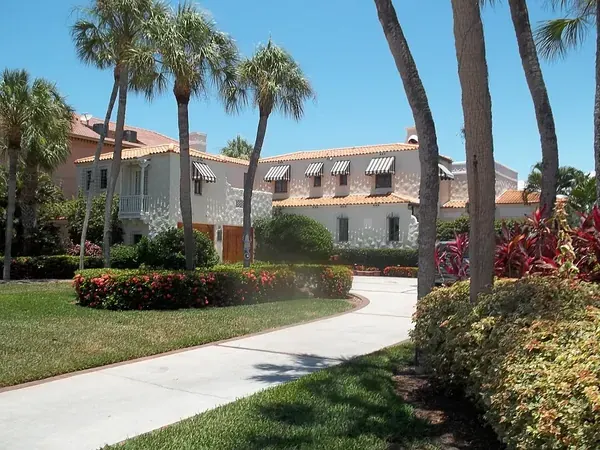
Wide outdoor areas that are separated into separate parts will also include rural and coastal dwellings. On properties with a lot of land, there is sometimes a courtyard, a terrace field, a part of a formal garden, and often an orchard.Courtyards are almost an integral feature of every architecture in the Mediterranean. Such courtyards can come in different designs and shapes.In general, however, these courtyards come with enclosed spaces. An access from the interior to the courtyard is provided by the main building system. In certain ways, these courtyards can be useful; you can use them for some cooking or sleeping. Mediterranean gardens are pleasing to the eye, water-wise, and low-maintenance.
- Fountains
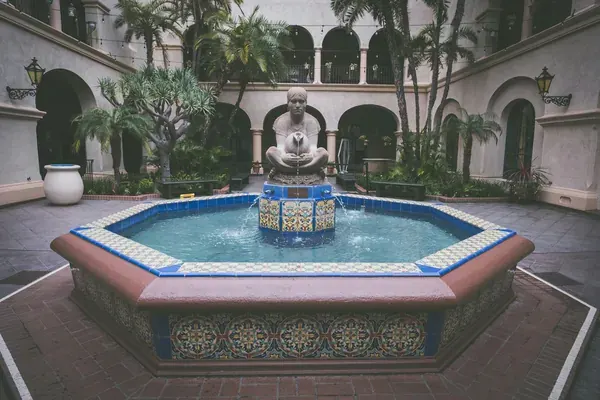
The majority of building structures in the Mediterranean include fountains. Indeed, water was regarded by the Mediterranean people as the root of life. That very idea is reflected by the fountains located in several of these Mediterranean buildings.These fountains may usually be constructed of cast iron. As multiple-tier systems, they may or may not arrive. Another distinctive characteristic connected with these fountains is the oval basin located at the top of the building. The homeowner will determine the location (garden, patio or courtyard) of the fountain.And now we’ll talk about interior features that relate to this style. After all, all interior designers rely on their instincts, right? - WRONG

Interior features
- Rectangular House Plans
- Color
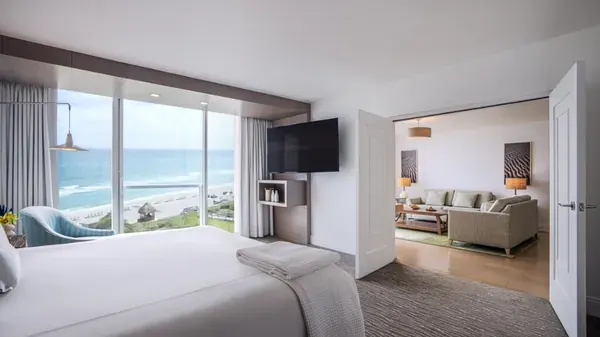
Within Mediterranean estate, the primary color is white as this is also used as the only wall color. The flooring, accessories, and textiles are applied with splashes of paint. Earthy tones, such as terracotta or purple, or vivid jewel colors are also the colors used to offset white.Within Mediterranean estate, the primary color is white as this is also used as the only wall color. The flooring, accessories, and textiles are applied with splashes of paint. Earthy tones, such as terracotta or purple, or vivid jewel colors are also the colors used to offset white.
- Textures
The patterned interior walls are a standout feature of Mediterranean dwellings. To offer texture and visual appeal to the rooms, they are either stucco or raised plaster.
- Textiles
Using colorful textiles, elements of comfort are applied. For Mediterranean properties, cushions, rugs, wall hangings, and tapestries are typical features.
- Heavy Use of Wood and Patterned Tile
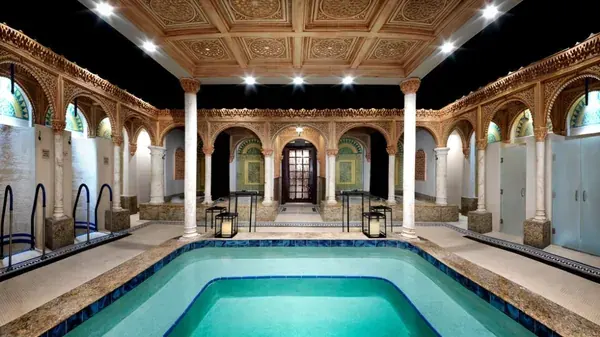
Many Mediterranean houses have covered the floors with stones or flags. The floors of Mediterranean houses are most generally tiled. The floor tiles are decorative and laid in intricate designs in larger and more spacious buildings.Wooden elements are seen in Mediterranean homes all over. Wall paneling, skirting boards, kitchen units, wooden chairs, wooden staircases and banisters, and surrounding wooden fire include these. Some also have paneled timber ceilings.
- One to Two Stories
In the main living room, Mediterranean houses would normally have an open-plan interior (with one or two floors, which is most common).
- High Ceilings
High ceilings are present, which is another function that brings ventilation to the rooms in warm weather.
- Designed to Let Breezes Flow Through the House
Mediterranean Architecture homes throughout the years between 1910-1930:
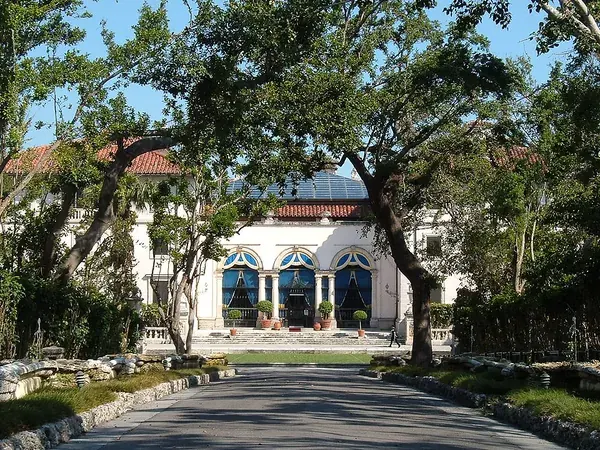
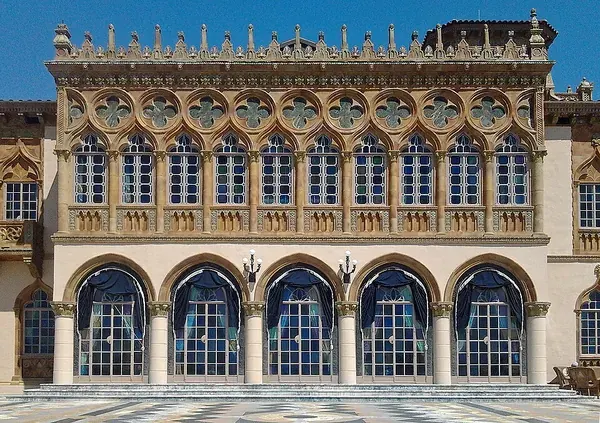

Since we’ve been through the history of Mediterranean Revival and you’ve learned about its elements and features – I’m sure you now know how to recognize this style among others.But it’s time for us to let our time-machine lead us back to the present. Don’t be sad even for a moment because the present time is a PRESENTI’m not trying to be your guru…

Jokes aside, it’s only because of the beautiful elegant transformation that this architecture style has undertaken from its original highly ornamental décor.You can see for yourself...
Refined Mediterranean Architecture Today
Contemporary Mediterranean style may be accompanied by either Spanish or Italian styles. It brings back an emphasis on resort-style living.These buildings borrow aesthetic details, and much of the ease of modern living, from the typical Mediterranean home décor.The homes typically have open floor plans, open, modern kitchens, and an emphasis on indoor-outdoor living.
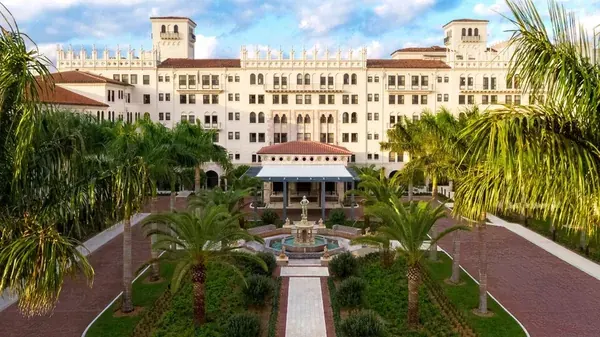
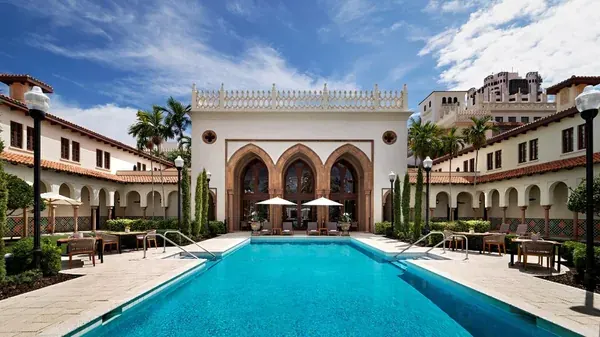
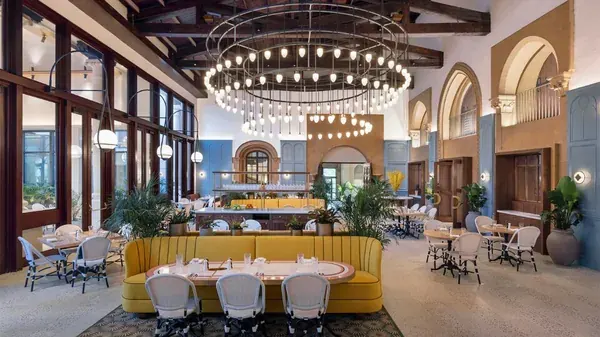
Isn’t it amazing how old styles can teach us and make us adaptable to modern times using more modern materials and focusing on simplicity, functionality and elegance rather than decoration?AWESOME, and so you’ve done it! You have officially become a master of this architectural style and you have gained the information that you, oh so desperately needed!

Rhino for Architects Course
Give your architectural skillset a major boost with the Rhino for Architects Course. Get over 60 hours of focused training tailored specifically for architects. Master commands and techniques to model, render, and animate architectural visualizations at the highest level. Click below for more information and watch your designs come alive!