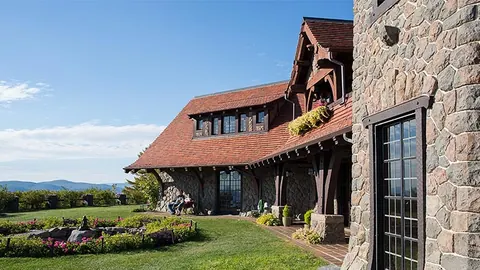
The Nazi Architecture Guide (1933-1945) to Giant Manifestations of Fear
Architecture is powerful. Simply put.
So powerful in fact, The Nazi Party used their own Nazi architecture as a means of creating the Nazi Empire.
Though history repeats itself, this Architecture is one that definitely should not repeat itself.
Let’s see why?
What Created Nazi Architecture?
I think everyone knows the tragedy and history associated with the Nazi Party in Germany so I don’t have to explain. But this article will look into just one of the major ways the Third Reich was able to militarize all of Germany.
No, I am not talking about the architecture of concentration camps, because that is not architecture.
No, were talking about the architecture that fuels the Nazi Party.
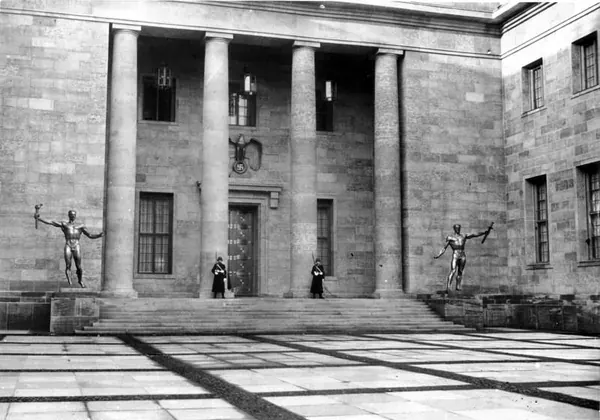
Architecture has this little known effect called, “Affective Atmosphere”.Just like the idea that our surroundings influence us, the spaces and structures that are built in our world will directly affect the people who experience them.This means even before you are in a building, the building is putting subconscious pressure on you. Just think about the feeling you get when you’re on your way to work, on your way to a cemetery, on your way to a grocery store. This effect alone allowed the Third Reich to create uncomfortable spaces that have an intense influenceon its users.Utilizing this idea of Affective Atmosphere, the Third Reich was able to shove their ideas down the throats of citizens everywhere and during any time of day.The Nazi’s had two main ideas that they were trying to impose through architecture. Nationalism and Volksgemeinschaft.
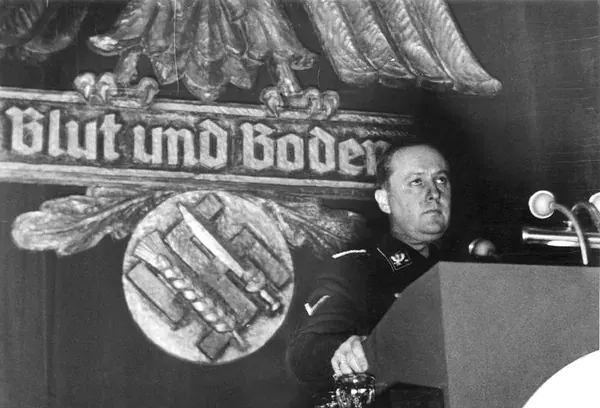
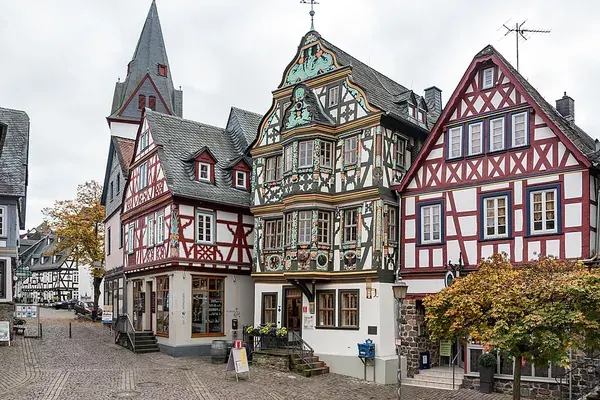
Volksgemeinschaft is a term used during World War I to refer to community.Germany used this phrase to rally people together during the War.However in Nazi ideas, Volksgemeinschaft is the ideal German way of life. What people do, how they do it, how families are treated, how jobs are done. Community. But dictated by a government.To facilitate this idea, the Third Reich posed many restrictions on building types and functions. Not only this, but the Nazis also went as far as to recommend that people build homes in Vernacular style.
Second was nationalism, something every country should have, but maybe not too much.
The Nazi Party was centered around the idea of Nationalism and its ties to tradition and pride. This is what really sold the Nazi Party to people during World War I.
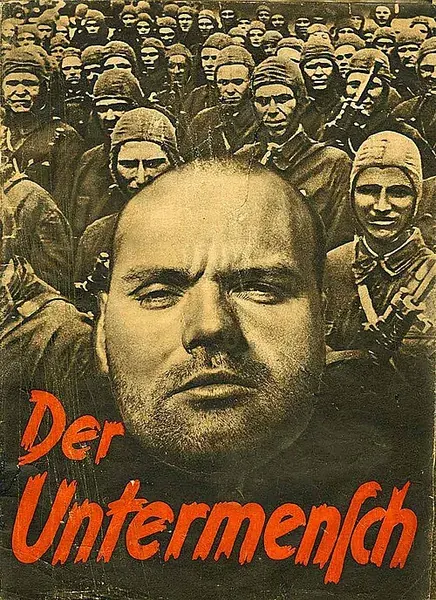
In order to impose nationalism on citizens, Hitler called for the design of a lot of monuments, and big ones. The size especially mattered in this case.
Monuments and large scale buildings carry pride and tradition with them so they were beyond effective in this case.
These ideas created the Nazi Style, but what does it consist of?
Well, the Nazi style was marked by four major characteristics:
- Building Size
- Monumentality
- Materiality over decoration (Form Follows Function)
- Neoclassicism
Unfortunately, it worked too.
The weaponization of architecture was Hitler’s strongest form of propaganda!
Who Created Nazi Architecture?
You can’t discuss Nazi Architecture and not discuss theinventor of it. That's like talking about Prairie style Architecture and not talking about Frank Lloyd Wright.
Albert Speer was Hitler’s right hand man.Simply because he shared the same architectural dream of Hitler’s.He wanted to rebuild Germany as a great architectural power by manipulation of the atmosphere with scale, classical architecture (see Renaissance Architecture), and Nazi symbols. So let me give you a brief biography of Speer that caused him to receive 20 years in prison.Albert Speer joined the Nazi party and immediately climbed the ladder to Hitler’s inner circle.
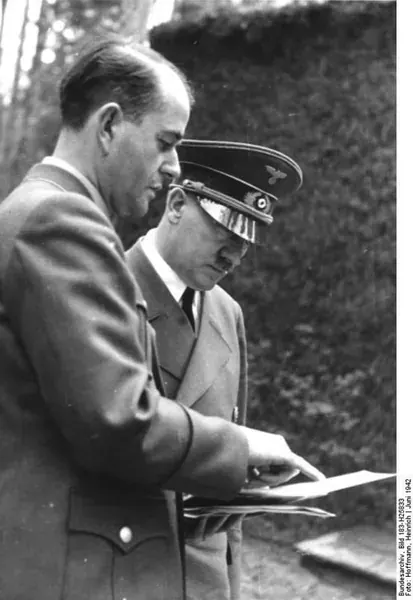
This is because of Speer’s ability to create Architecture that abuses the human scale, and serves as a manifestation of Nazi beliefs.
From there, Speer was appointed to General Buildings Inspector of Berlin where he was in control of the resettlement of Jews into Jewish ghettos.
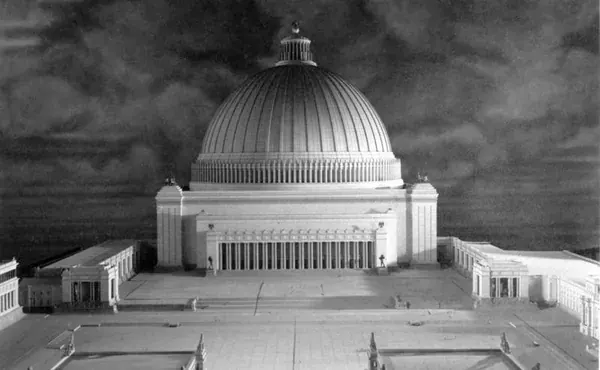
Lastly, Speer was appointed Minister of Armaments and War Production where he developed a system for using slave labor to increase the production of fighter planes.
A long list of horrible actions.
Speer truly was passionateabout the Nazi party.
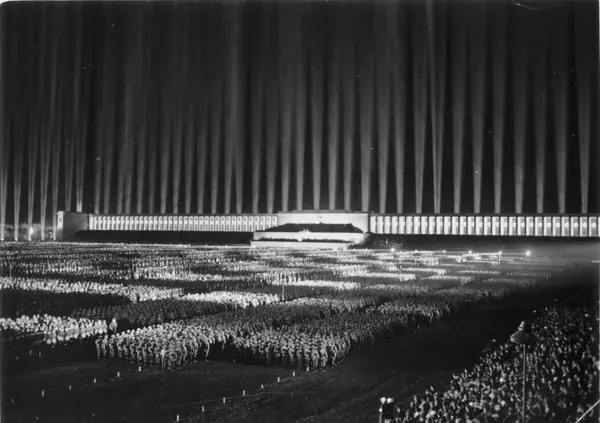
So much so that it got him appointed aslead designer of every Nazi project.
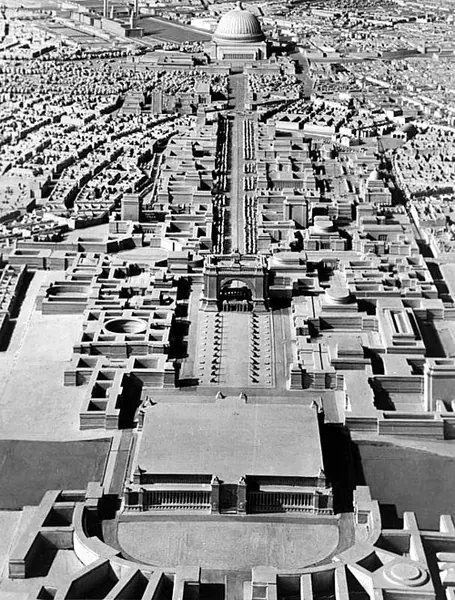
This passion was shown through architecture via Albert Speer’s ability to show power of strength through architecture and did that through many of his projects.
Other than leading Nazi Architecture, displaced thousands of Jews, and even created a 20th century system for slave labor.
What is the Nazi Style?
The Nazi Style is really just an eclectic architecture that was used for the purpose of propaganda.This propaganda style architecture consisted of four main priorities: Form Follows Function ( a priority for almost all architecture), Revival of Classical Architecture, Monumentality, and lack of Human Scale.
Form Follows Function
Form Follows Function is a term that every single architect, and even artist, lives by.
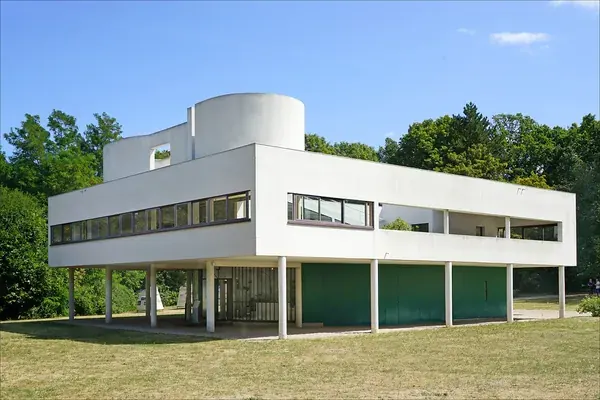
(Villa Savoye, example of Form Follows Function)
It was the top priority of every project, not just the Nazi ones.Form Follows Function was a product of the Modern Architecture Era (1890-1960) when high rises were becoming common. The Nazis used this idea for their grand monumental sizes, their use of steel, concrete, stone, and light, and lack of decoration.
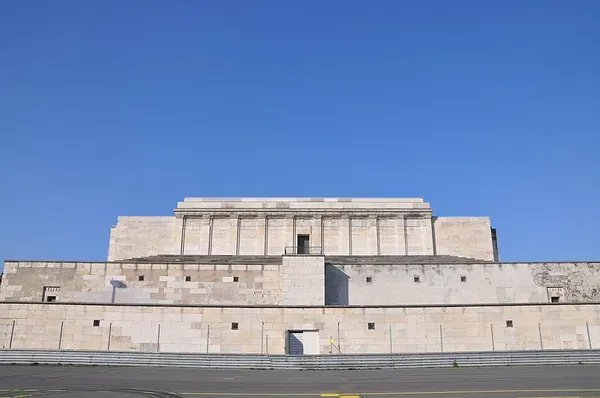
Hitler was so for Form Follows Function, he even was noted saying that imitations of the past should never be made in the present. Which is so heavily ironic...Because, well...
Revival of Classical Architecture
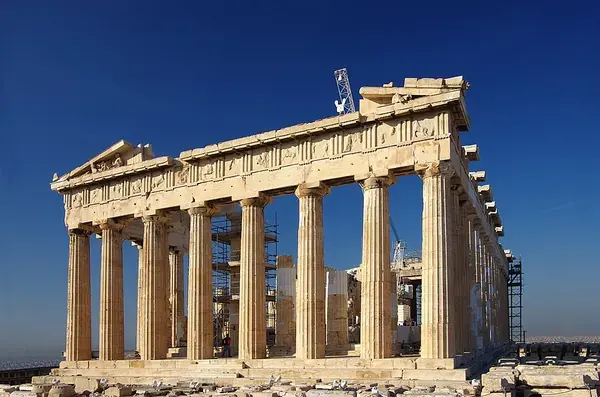
Nazi Architecture is first and foremost a recreation of classical architecture.For a lot of reasons.Hitler, Albert Speer, and the Third Reich heavily emphasized the importance ofpublic projects and community driven development. But for all the wrong reasons.Although these projects were “for the public” (in quotations because they were never actually for the public), they were heavily regulated by the Third Reich.For example, the design HAD to follow a certain set of design principles explicitly stating that the project must be a revival of Classical Architecture.
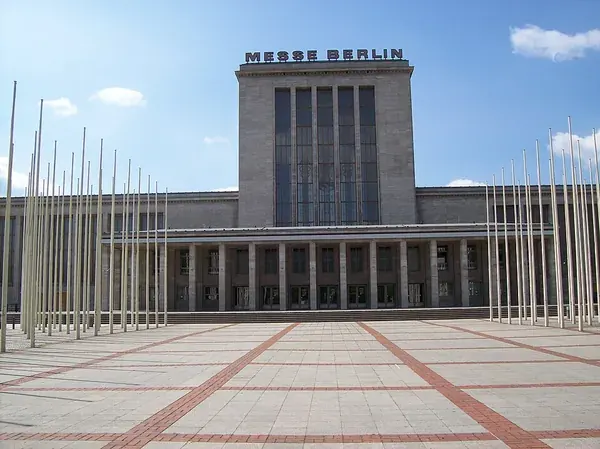
Something that the United States Government is attempting to do.Classical Architecture forces preconceived notions into the heads of people that experience this Architecture. Classical Architecture derives from Greek and Roman Architecture, two of the largest empires to ever exist. (Well, all the city-states involved in Greece, not really an empire). Because of this association, and the fact that this architecture is still standing, Classical Architecture is a symbol for stability and eternity.Not only that, but this style of architecture was used during an era when only white men had rights. Making classical architecture a manifestation of the Nazi Aryan beliefs.
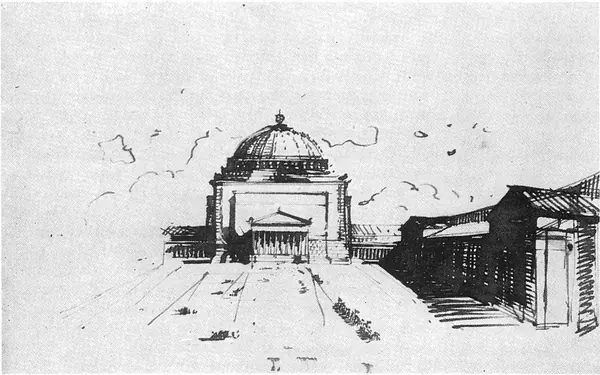
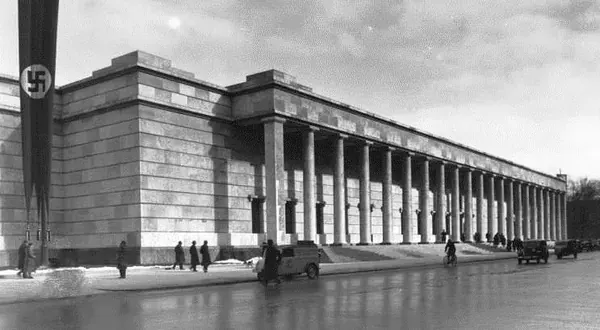
Stability, Eternity, and Racism was exactly what Hitler had planned for his German Empire, and he couldn’t do that without long-lasting Classical Architecture, with all of its known forms and preconceived ideas.However, there was a Third Reich, modern twist to this architecture.Because Albert Speer and the Third Reich believed that Form Follows Function, they believed that Nazi buildings should not have any decoration (an idea that came out of Modern Architecture) other than the occasional swastika. Neo-classical architecture with no decoration is called “Stripped Classicism”, but at one point, it was the Nazi Style.
Building Size and Monumentality
Hitler was also fascinated with architecture. It makes sense because Art and Architecture go hand and hand. We all know about Hitler’s Art background.Him, and his head of architecture, Albert Speer, had one simple tactic for weaponizing architecture. Size. Size. Size.They weren’t wrong, think of the largest buildings you’ve seen, they are all symbols for the countries they are located in. Skyscrapers are symbols of American Capitalism. Huge Columns are symbols of Greek Temples (see Ancient Rome Architecture). Hell, look at the Burj Khalifa, or Taipei 101. The size of a building or monument is enough to strike fear into those that are against a movement, and pride for those that are for the movement.Hitler and Speer dreamed of having the largest and tallest buildings in the world.
Nazi spaces especially focused on the use andsize of monuments.The Third Reich especially built Thingplatz (a community space centered around Nazi propaganda), Pavilions, Processions, and Stadiums. All to project Nationalism onto everyone who experiences them.... AND THESE WERE MASSIVE
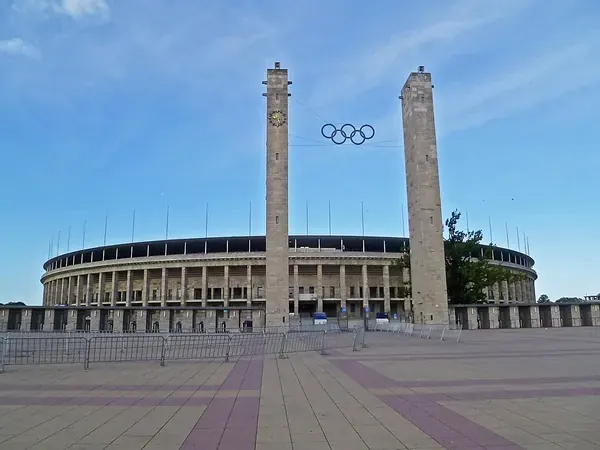
I mean, Hitler really saw the size of his buildings as acompetition. At one point, Hitler’s long ranged rockets (V2 rockets) were made specifically for destroying New York skyscrapers, but they couldn’t travel that far.Even when invading Russia, Hitler spoke to Albert Speer about destroying Moscow's capital building. The only building that rivaled the size of the newly conceptualized Nazi Reichstag.In fact, Albert Speer has mentioned that the invasion of Russia may have been for that purpose alone.This just reinforces the idea that HItler really was using Architectural Scale and monumentality to promote Nazi ideas and disarm any opposing ideas. Making it easier for an individual to assimilate into Nazi theories.Boy did that one invasion backfire on them though.
Nazi Architecture Now
It was on April 30, 1945 that Hitler committed suicide. At least, that's what history books tell us!
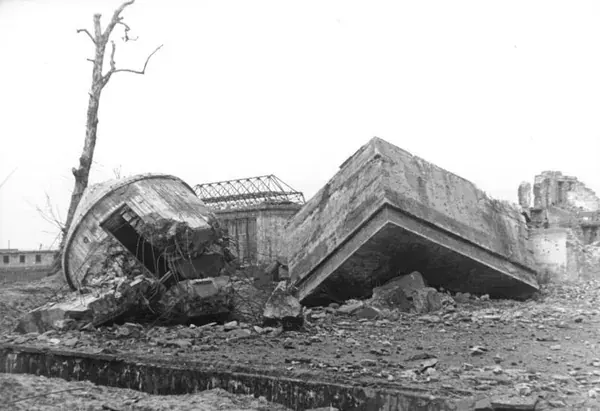
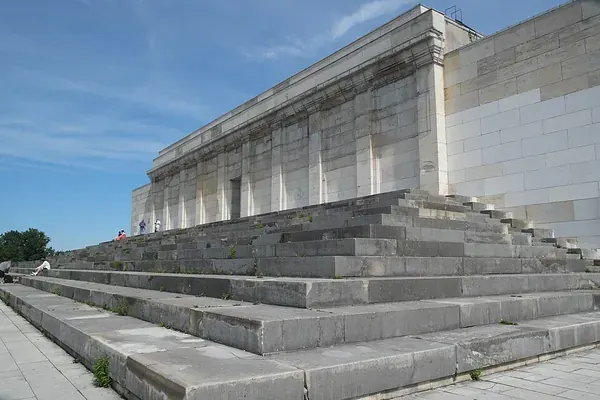
September 2nd, 1945 when the war with Germany was over and the Third Reich dissolved.Along with the termination of Nazi Germany came the termination of Nazi Architecture and the sentencing of Albert Speer for 20 years in prison.Where is Nazi Architecture today?A lot was destroyed, especially the Nazi Architecture in Norway, but some are abandoned, few remain.
Nuremberg Rally now...
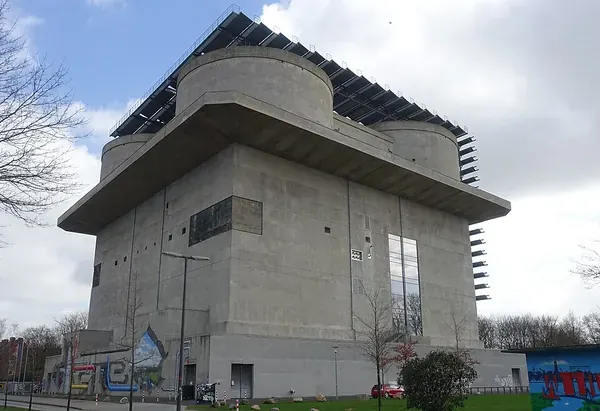
Other buildings like warehouses and bunkers wererepurposed. I think this is the most interesting reuse of a building.
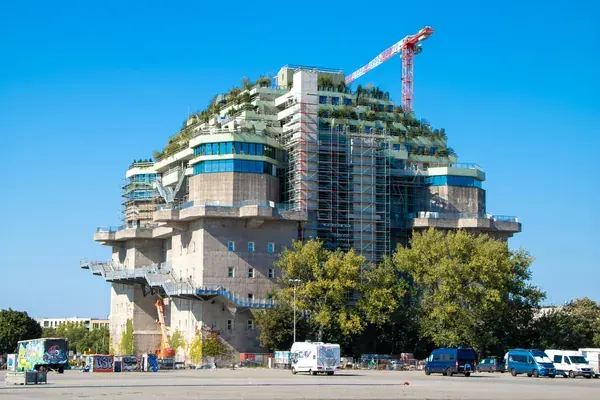
If you ever get the chance to visit one of these reused bunkers. DO.
You won't be disappointed!
Lastly, most Nazi buildings were never built. Hitler’s plans to rebuild Berlin as a testament to the German Empire was never seen.As for Albert Speer, after he was released from prison, his son became an AMAZING architect. He has a different style than his father!
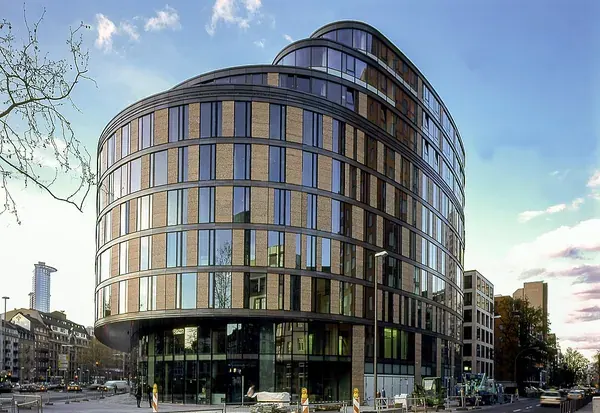
Neo-Nazi Architecture
However, the destruction and repurpose of Nazi buildings is meeting a new challenge, especially within the last 30 years. Previous Nazi building sites serve as ground for Neo-nazi meetings and shrines.
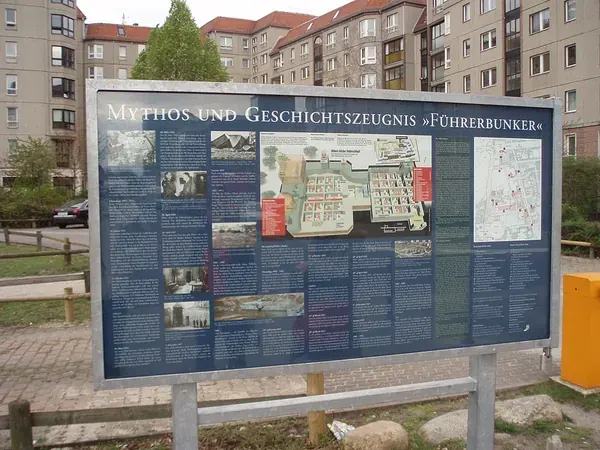
This poses the question, should Nazi Era buildings even be repurposed?If so, how can it be repurposed without the threat of Neo-Nazi gatherings?
Explore More Architecture Styles
Continue exploring how political and cultural forces have shaped architecture:
- Brutalist Architecture: The post-war concrete movement that emerged as a reaction to monumentalism
- Deconstructivism: A later movement that deliberately challenged architectural order
- International Style: The modernist approach that the Nazi regime rejected
Interested in studying architectural forms through 3D modeling? Our Rhino for Architects Course gives you the tools to analyze and recreate any building style.
Rhino for Architects Course
Give your architectural skillset a major boost with the Rhino for Architects Course. Get over 60 hours of focused training tailored specifically for architects. Master commands and techniques to model, render, and animate architectural visualizations at the highest level. Click below for more information and watch your designs come alive!