Architects today are grappling with the task of designing buildings that not only look futuristic but also embrace sustainability and ethical values. Neo-futurism in architecture, emerging as a solution, combines cutting-edge design with environmental conscience.
Our guide delves into how this movement can transform urban landscapes while caring for our planet and communities. Discover new horizons in architecture that promise more than just aesthetics.
Key Takeaways
- Neo-futurism in architecture blends the latest design and technology with care for the environment and people's well-being.
- Famous buildings like the Burj Khalifa and Dongdaemun Design Plaza show neo-futurism's focus on future-looking designs that are also eco-friendly.
- New tools like Building Information Modeling (BIM) help architects plan buildings that are good for nature before they even start building
- Using modern materials, such as self-healing substances or smart glass, is a key part of neo-futuristic design to make buildings more energy-efficient.
- Architects push creativity to new levels in neo-futurism, making unique spaces that look amazing and meet today's needs for sustainable living.
Origins and Definition of Neo-Futurism
Neo-Futurism in architecture emerges as a visionary bridge between past and future, rebelling against conventional forms with its roots tethered to the dynamic expressions of the late 20th century.
It is a genre that melds the cutting edge of design with radical innovation, sculpting spaces that aspire to transcend time through their form and function.
Emergence in the late 20th and early 21st century
Neo-Futurism rose up as a fresh way to think about buildings. It came after high-tech architecture. This style loves using tech from our computer world. Architects who like Neo-Futurism want to make buildings that show how they care for the Earth and everyone living on it.
This kind of building design started getting popular around the end of the 1900s and kept growing in the 2000s. It's all about making places where people feel good, and everything works well together.
Builders use things that don't hurt our planet and try lots of new ideas in their work.
Focus on arts, design, and architecture
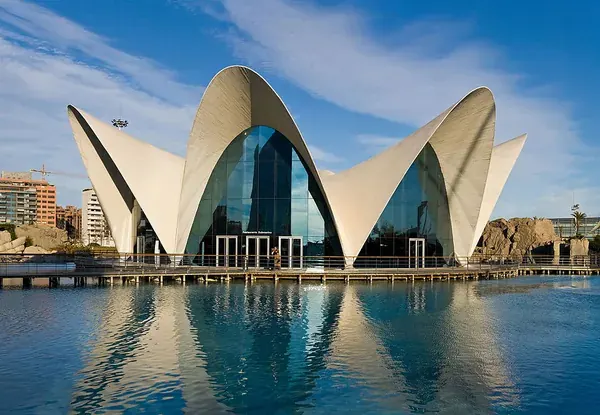
As the new wave of design took shape in the late 20th century, it brought with it a focus that went beyond just buildings. Neo-futurism touches every part of arts, design and architecture.
It makes things look modern, bold and forwardthinking. Artists and architects who love this style aim to create works that are not just beautiful but also smart and good for our future, like the Shanghai World Financial Center by KPF, built in 2008.
They blend cutting-edge technology with exciting shapes and spaces. Their work often looks like it's from a time yet to come. In doing so, they make sure their designs think about people’s feelings and the health of Earth too.
They use materials that are new or better for the planet. This way, neo-futurism changes how we see art and buildings – making everything more playful, green, and ready for tomorrow.
Definition and characteristics
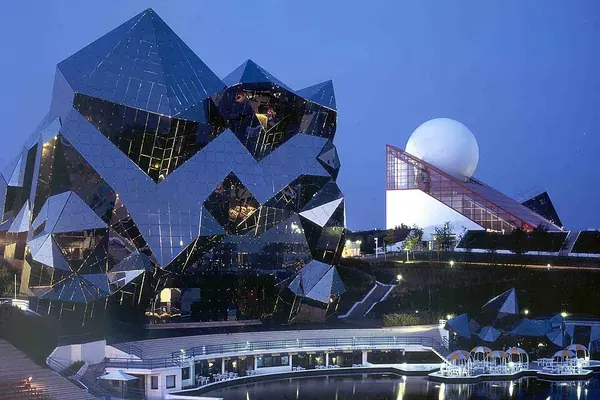
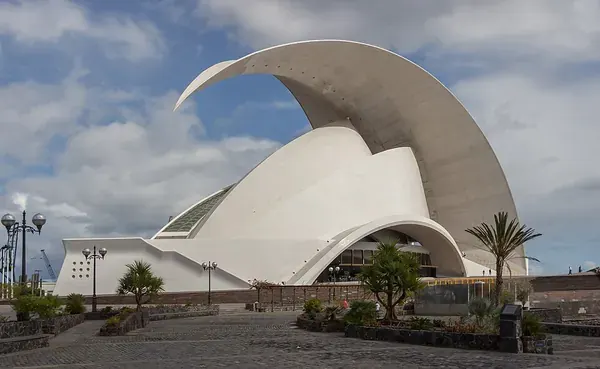
Neo-futurism takes high-tech architecture further by creating buildings and spaces that look ahead. They blend art, cutting-edge design, and technology to make places for the future.
This style is known for its unusual shapes and attention to how fast cities grow.
Buildings in neo-futurist style often shine with new materials and smart tech. They stand out because they don't just look cool—they are made thinking about people's feelings, the Earth, and doing what's right.
Architects like you use this approach to dream up fresh ideas that also deal with real-world problems like climate change.
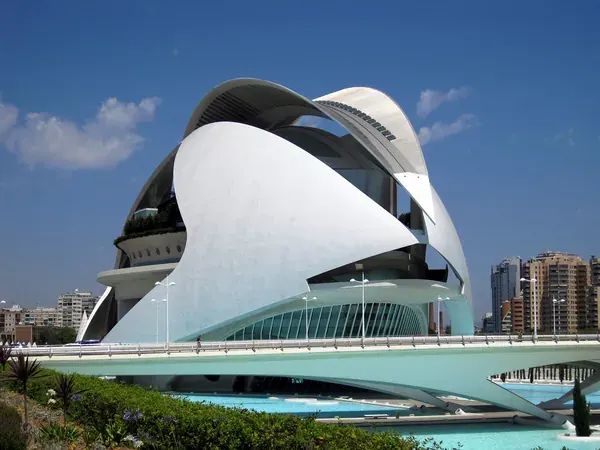
Incorporation of Sustainability and Ethical Values
In the realm of Neo-Futurism, architects are weaving sustainability and ethical values into the very fabric of their designs, recognizing that structures must coexist harmoniously with both society and the environment.
This integration is not merely a trend but a conscious effort to elevate architecture to meet the demands of responsible innovation, ensuring that each creation serves as a testament to our commitment to an eco-friendly and ethically-minded future.
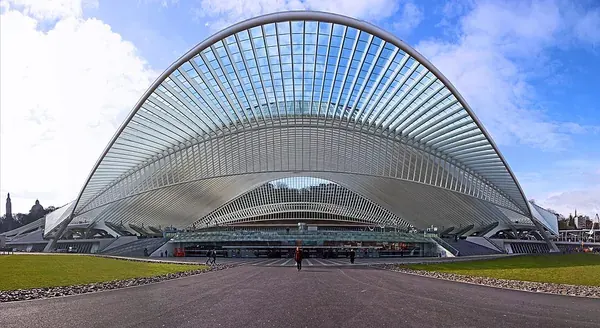
Focus on human emotions and well-being
Neo-futurism cares deeply about how people feel in a space. Good design makes us happy, comfortable, and safe. When architects draw buildings, they think about this a lot. They want to make places where everyone can feel good.
This is important because cities are getting bigger fast. Architects use new forms and cool designs to make these places.
They mix beauty with what works best for everyday life. This means making spaces that look good and fit our needs too. Buildings must be nice to look at and easy to use. Neo-futurist architecture helps us do this by thinking about our feelings in every part of the design process.
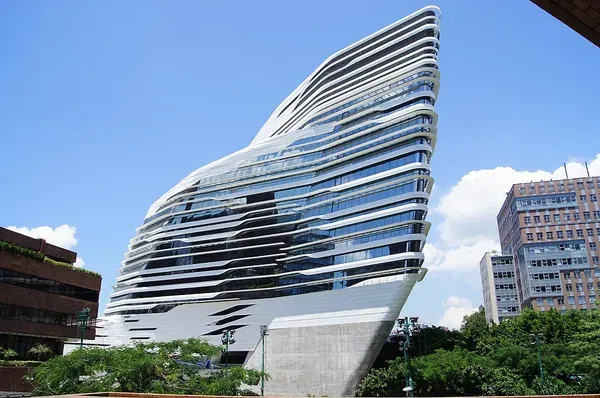
Emphasis on eco-sustainability
Caring for people's feelings and health goes hand in hand with respecting the environment. Architects today use eco-friendly design to make buildings that help the planet. In Neo-Futuristic architecture, this care for nature shows in many ways.
Buildings gather sunlight and rainwater, cutting down on energy needs and waste. They can also have gardens on roofs or walls that clean the air.
Smart materials are a big deal too. These are new kinds of materials to build with that can fix themselves, change with weather, or do other cool things without hurting nature. Think of windows that darken by themselves when it gets too sunny; they save energy because you don't need as much air conditioning.
In Neo-Futurist designs, space is used well so more people can enjoy parks and other nice places outside buildings. This idea pushes for cities where you can walk or bike instead of driving cars all the time.
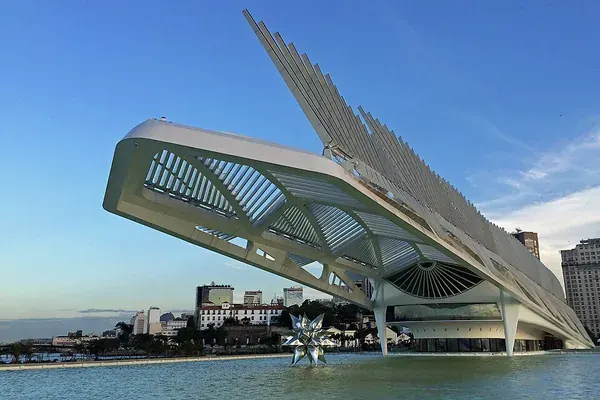
Use of new materials and technology
Architects are using new materials and technology to change the way buildings look and function. They find clever ways to use things like glass that can make power from sunlight or bricks made from recycled materials.
This means they can build cool-looking places that don't hurt the earth as much.
With these smart materials, architects also think about how to save energy and water, making sure our buildings help keep our planet clean. They tap into advanced tech like software that helps them see how their designs work before they even start building.
This helps save time, resources, and makes sure the final building is just right for both people and nature.
Notable Examples of Neo-Futuristic Architecture
Delve into the realm of Neo-Futurism through its architectural marvels; witness how these iconic structures marry imaginative design with sustainability, echoing a future where ethics and aesthetics coalesce – explore deeper to see these landmarks of innovation unfold before you.
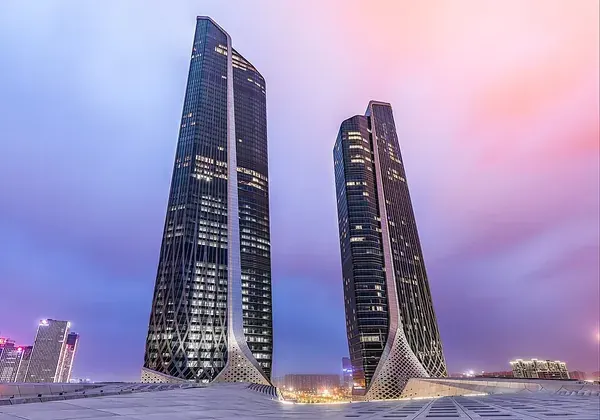
Nanjing International Youth Cultural Centre
The Nanjing International Youth Cultural Centre stands as a bold statement by Zaha Hadid Architects. It marries modern urban development with cutting-edge structural engineering, creating an innovative architectural design that shapes the cityscape of Nanjing, China. These two towering skyscrapers reach high into the sky, with Tower 1 standing at an impressive 314.5 meters.
This avant-garde building takes inspiration from traditional Chinese calligraphy and transforms it into a contemporary artistic expression. Its abstract sculptural form is more than just eye-catching; it's a technologically advanced construction that reflects Nanjing’s progressive city planning efforts.
Completed in 2018, this centre adds new life to the area's forward-thinking urban infrastructure and has become a significant part of the local architectural heritage.
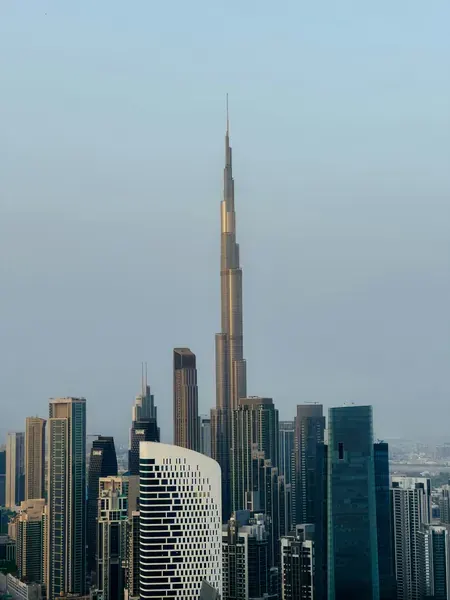
Burj Khalifa
Moving from the cultural hub in Nanjing, we turn our gaze to the towering heights of Dubai's Burj Khalifa. This skyscraper, designed by SOM, takes futuristic design to new levels, combining Islamic architecture with cutting-edge engineering.
Its shape mirrors that of a desert flower, and its structure is a composition of three parts around a strong center. As architects appreciate technical innovation, they can marvel at how this building stands as an icon of modern construction techniques.
The Burj Khalifa not only soars in aesthetics but also in its approach to sustainable building. It uses advanced technology and innovative design, setting an example for eco-friendly skyscrapers worldwide.
Architects studying the Burj Khalifa learn how contemporary structures can honor traditional influences while pushing boundaries through creative thought and advanced materials.
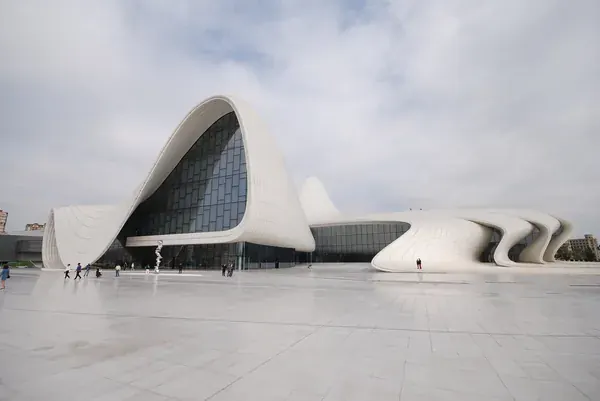
Dongdaemun Design Plaza
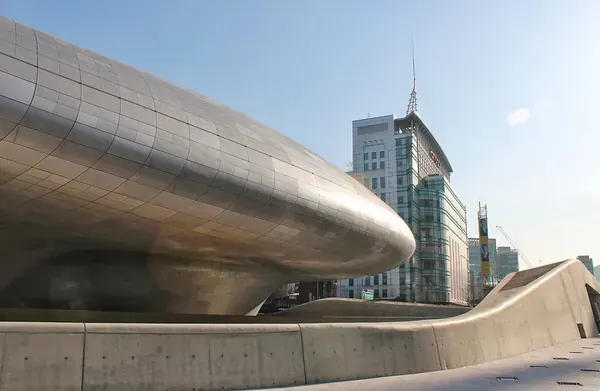
Dongdaemun Design Plaza stands as a shining example of neo-futuristic architecture. Designed by Zaha Hadid Architects, it showcases the power of innovative design and technology in modern buildings.
The structure is covered with 45,000 aluminum panels that were shaped using advanced 3D digital techniques. This shows how architects are pushing boundaries with new materials and futuristic structures.
This landmark isn't just about looks; it's also a cultural hub for art, design, and technology. With its contemporary aesthetics, Dongdaemun Design Plaza proves that forward-thinking design can create spaces that celebrate creativity and culture together.
It connects people to avantgarde building concepts while keeping an eye on sustainability through green landscaped spaces.
Riverside Museum
The Riverside Museum stands out as a shining example of neo-futuristic architecture. It embraces a modern aesthetic that pushes the boundaries of design. This museum not only catches eyes with its cutting-edge exterior but also shows how buildings can reflect sustainability and ethical values.
Its innovative structure uses new materials and technologies to create an eco-friendly building.
Architects often seek inspiration from the Riverside Museum because it merges contemporary design with forward-thinking construction methods. Here, progressive architecture meets practicality, showing us that futuristic structures can be both beautiful and responsible.
The museum's architecture encourages other designers to think big, blend form with function, and always consider the environment in their creations.
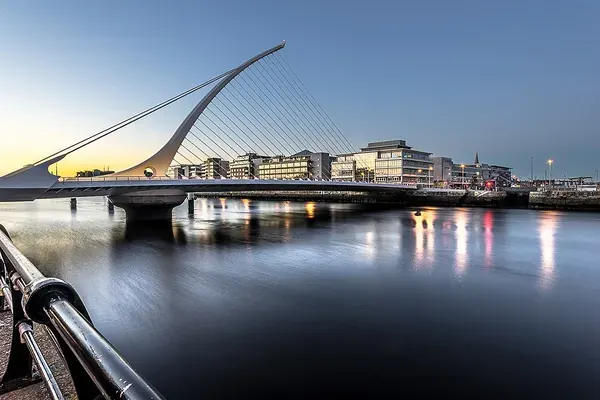
Samuel Beckett Bridge
Samuel Beckett Bridge shines as a masterpiece of Santiago Calatrava's work. This bridge stands out in modern architecture with its innovative design that mimics the graceful curves found in nature.
It has become an iconic part of the cityscape, bringing together cutting-edge technology and sustainable engineering.
This contemporary structure doesn’t just catch eyes but also reflects forward-looking aesthetics in urban development. Architects admire it for blending organic inspiration with practical function.
As a leading example of futuristic urban design, it showcases how ethical construction can result in a creative yet lasting impact on our surroundings.
Achieving Excellence in Architecture through Neo-Futurism
Neo-Futurism in architecture not only inspires groundbreaking designs but also fosters excellence that incorporates advanced technologies and sustainable practices, setting a new standard for the spaces we inhabit.
Learn more about how this dynamic approach is shaping the future of our built environment.
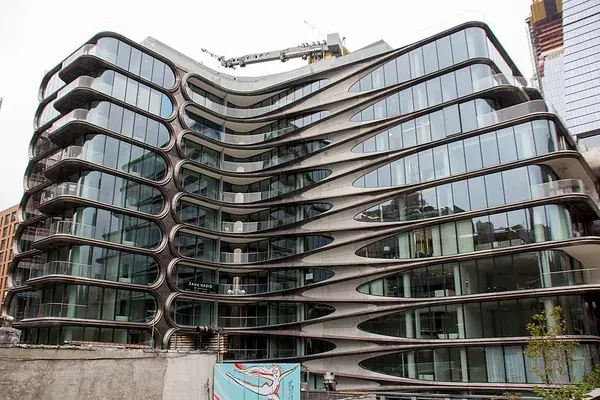
Encourages creativity and imagination
Neo-Futurism in architecture encourages creativity and imagination, opening a world of possibilities for architects to dream big and craft spaces that were once only in our wildest thoughts.
This style goes beyond just aesthetics, smartly mixing beauty with brains and inviting architects to create buildings that not only stand out but also enhance life.
Each project in Neo-Futuristic design is an opportunity to try something new and bold, utilizing amazing materials and cutting-edge technology. Neo-Futurism brings out the best in architects' skills and knowledge, demanding creativity and smart thinking.
Each project allows architects to showcase their ingenious solutions to urban challenges, pushing boundaries with each futuristic urban design and establishing themselves as true innovators in the field.
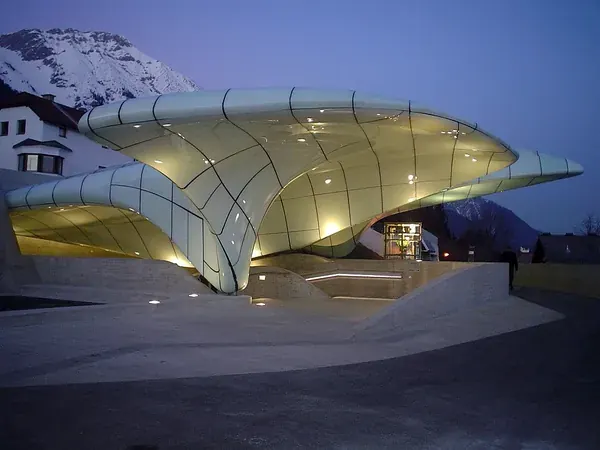
Encourages the use of BIM
Building Information Modeling (BIM) is a key player in Neo-Futurism. It gives architects powerful tools to draw up buildings that are kind to our planet. With BIM, you can see your designs come to life before they're even built.
This means you can make sure everything fits right and looks good while still thinking about the environment. Using this advanced design software, architects create more than just pretty buildings; they make spaces that save energy and use materials well. BIM helps find problems early so they can be fixed without wasting time or stuff.
For those who dream up tomorrow's buildings, it's all about getting every detail right for a cleaner, greener future.
Rhino Inside Revit Course
Streamline your architectural workflows leveraging Rhino and Grasshopper directly in Revit with the Rhino Inside Revit Course. Get specialized training to master RIR components and techniques. Seamlessly develop complex forms in Rhino and integrate them into your Revit projects. Click below for more information and unify your workflow!