Navigating the world of architecture can leave one yearning for clarity amid a sea of ever-evolving styles. Postmodern architecture, emerging as an eclectic break from the past, boldly reinvented our urban fabric with its colorful and unconventional forms.
This blog will guide you through postmodernism's history and character, revealing how it solved the monotony of modernism and forever changed our skylines. Discover the movement's vibrant legacy ahead.
Key Takeaways
- Postmodern architecture stands out with its mix of past styles and fun, new designs. It adds color, shapes, and decoration back into buildings.
- Big names in postmodern design like Robert Venturi and Frank Gehry made buildings that are works of art. Their structures make cities more lively with unique skylines.
- People have different thoughts about postmodern buildings. Some love them for being bold; others think they don't fit well with older buildings around them.
Origins and Characteristics of Postmodern Architecture
Postmodern architecture emerged as a response to the rigid structures and minimalist aesthetic of modernism, favoring a return to ornamentation, whimsy, and references to history. Distinct for its eclectic fusion of classical and contemporary elements, this movement highlights bold geometries and playful designs that often challenge conventional norms.
Reaction against modernism
Modern architecture was all about simple shapes and little decoration. It liked function over form, but some people thought it was cold and unfriendly. Postmodern architecture came as a strong response to that.
Architects wanted buildings to have personality and tell stories again. They brought back the curves, colors, and fancy bits from old styles.
These new buildings were not afraid to stand out and mix different design ideas in one place. The idea was for each building to be unique like a piece of art, not just a box for people or things.
This way of making buildings changed how we see cities today—it made them more playful and full of surprises. With this, it influenced another architectural style - deconstructivism.
Embracing historical elements
Postmodern architecture stands out because it brings back old designs in new ways. Imagine a brand-new building that has fancy bits from ancient Greek temples or grand arches like the ones you see in old pictures of Rome.
Architects who make postmodern buildings mix these old styles with fun and surprising details. They might put big, bright colors next to stone columns or use shapes that make a building look like something from a storybook.
They take what was beautiful and special about past buildings and add it to today’s world. This makes cities full of different kinds of buildings where each one has its own style but can still get along with the others around it.
This way of making buildings reminds us that places for work, living, and play can be both new and filled with stories from long ago.
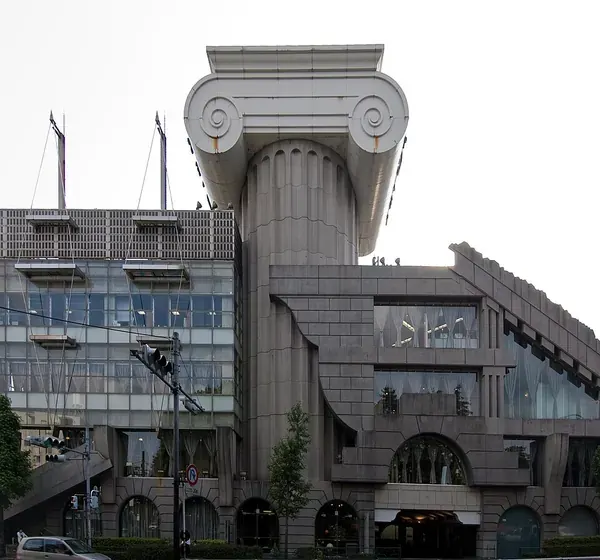
Bold and playful design
Postmodern architecture loves to surprise and play with our eyes. It brings fun into building design, using bright colors and shapes that can make us smile or wonder. Architects break the rules here, mixing old styles like Roman columns with new ideas like glass walls.
They use these elements in unexpected ways to create something truly original.
Buildings may tilt, twist, or pop out at you. These designs might remind you of a puzzle or a colorful game where each piece has its own special spot. It is about being brave and trying things no one else has done before.
Architects put together different parts from history and today to tell a story or joke through their buildings, making them stand out in any city skyline.

Eclectic mix of styles and elements
Postmodern architecture breaks the rules. It mixes different styles and elements in surprising ways. A building might have classic columns next to shiny metal or bright, cartoon-like shapes.
This style loves to play with past and present, mixing them together.
Designers of postmodern buildings are not afraid to use decoration and showy things. They put together parts from different times and places to make something new and bold. Their work is like a fun puzzle of many designs that tell their own story.
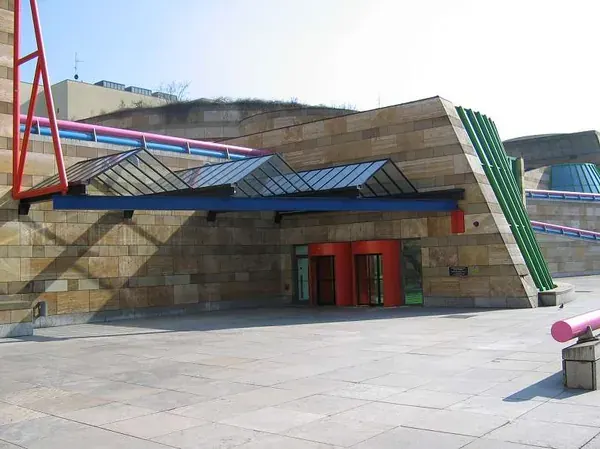
Emphasis on ornamentation and decoration
Postmodern architecture breaks the rules of simple design by celebrating adornment and embellishment. Buildings in this style often have bright colors, grand decorations, and playful details that catch your eye.
They mix different styles from history and bring them together in new ways. This kind of building is like a party where every style is invited.
Architects use fancy parts not just for beauty but also to tell stories or jokes with their buildings. A wall might wear a pattern just because it looks good, or a door might look like something from an old fairy tale book.
These pieces give life to the building's surface and make people feel joy when they see them.
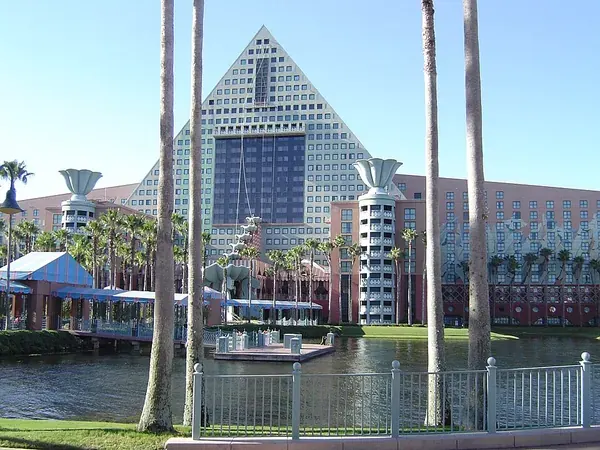
Key Figures and Notable Examples of Postmodern Architecture
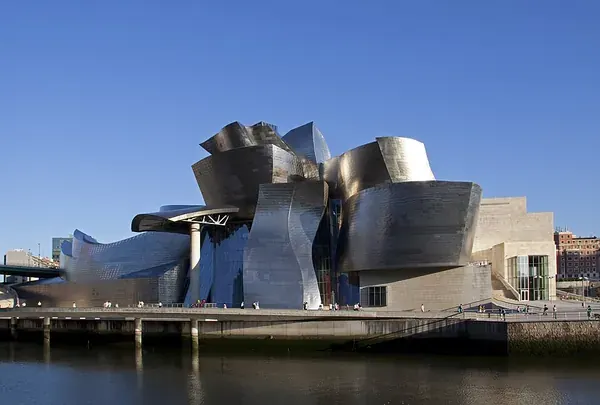
Within the dynamic realm of postmodern architecture, visionaries like Robert Venturi with his iconoclastic Vanna Venturi House, Frank Gehry through the sculptural curves of the Guggenheim Museum Bilbao, and Philip Johnson with his emblematic AT&T Building have set profound precedents. Let’s look through a couple of examples to understand postmodernism’s bold reimagining of space and form.
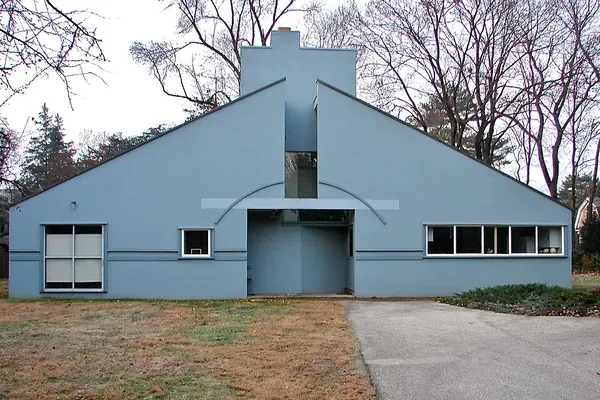
Robert Venturi and the Vanna Venturi House
Robert Venturi made a big splash in the world of postmodern architecture. He showed that buildings could be full of life, fun, and bright colors. His famous Vanna Venturi House sits in Chestnut Hill, Philadelphia, and is known as one of postmodernism's early stars.
It stands out with its mix of shapes - straight lines, curves, and angles.
Venturi played around with space inside and outside the house, using color and light to make special places. The Vanna Venturi House mixes different design pieces together. It has fancy bits on it that catch your eye and make you think.
This house shows off how smart Venturi was about building design and adds something new to how we build things today.
Frank Gehry and the Guggenheim Museum Bilbao
Frank Gehry changed how we think about buildings with the Guggenheim Museum Bilbao. His design broke the rules and made people see architecture in a new light. The museum is not just a place to look at art; it's a work of art itself.
Its shiny, curvy walls look like they're moving, like waves or fish scales.
People from all over come to see Gehry's masterpiece in Spain. It shows what postmodern architecture can do – mix old ideas with new shapes and materials. This building uses cutting-edge construction and forward-thinking concepts to make something no one had seen before.
It helped make Bilbao better known and showed how bold designs can help cities shine.
Philip Johnson and the AT&T Building
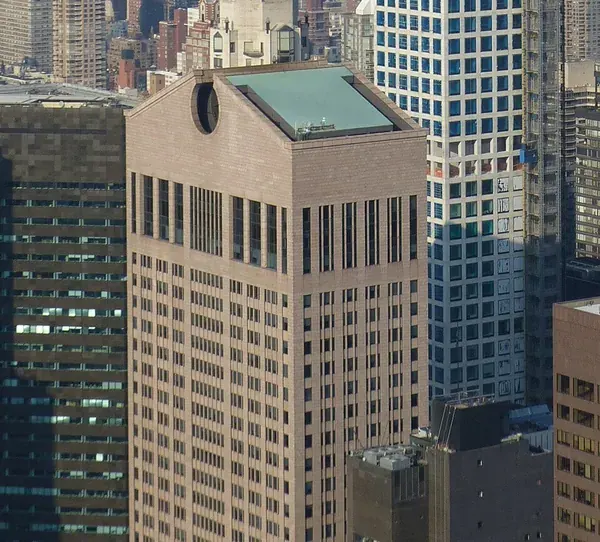
Philip Johnson played a big role in the growth of postmodern architecture. He made buildings that stood out and were full of fun details. His work on the AT&T Building in New York City shows this perfectly.
This building has a top that looks like a piece of furniture, with a split pediment shape. It was very different from the simple designs that were popular before.
The AT&T Building was finished in 1984 and quickly became an important example of postmodern style. Johnson used old ideas in new ways to make something unique. This building has tall arches, stones, and other pretty bits that catch your eye.
With its mix of old and new looks, it changed how people thought about skyscrapers in cities.
Michael Graves and The Portland Building
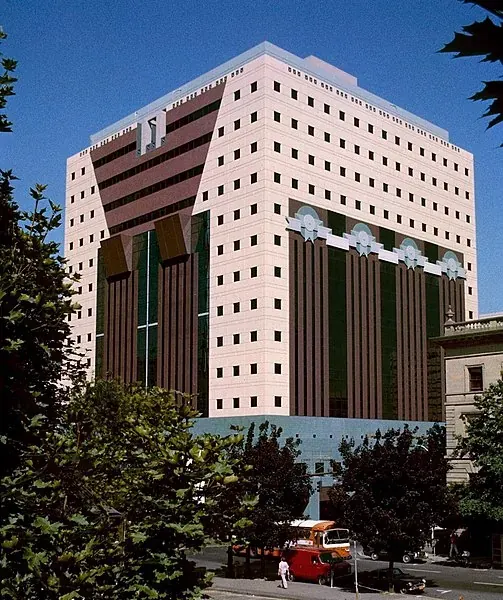
Michael Graves changed the way we think about buildings with The Portland Building. It's a big deal in Postmodern architecture. This building, made in 1982, shows off his style very well and helped him become famous.
People see it as a bright spot of creative architecture and design in Portland.
The Portland Building is different because it mixes old styles and symbols in new ways. Graves used colors, shapes, and ideas from history to make something that stands out on the city skyline.
Lots of architects look at The Portland Building for inspiration even today, showing how important it is to modern design work.
Charles Moore and the Piazza d'Italia in New Orleans
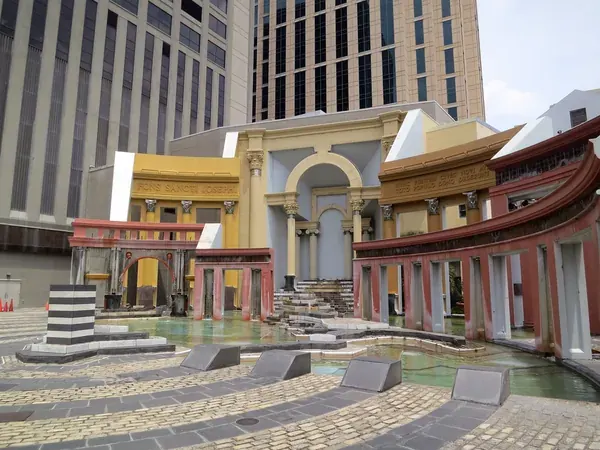
Charles Moore shook the world of architecture with his design of the Piazza d'Italia in New Orleans. Built in 1978, this landmark stands out as a colorful and playful space that feels like a celebration.
Moore mixed different styles and brought in bright colors, fancy shapes, and shiny metals. This public space looks back at old Italian piazzas but adds a fun twist.
This place is not just for looking; it invites everyone to come enjoy the water fountains and take part in events. The design by Charles Moore is a bold example for architects who want to blend tradition with new ideas to make buildings that stand out and serve the community well.
Impact and Legacy of Postmodern Architecture
The innovative thrust of postmodern architecture has markedly influenced contemporary design. Amidst admiration, the movement has encountered criticisms centered on its perceived excesses in ornamentation and form over utility.
Influence on contemporary architecture
Postmodern architecture plays a big role in how we build things today. It shows us that buildings can have fun shapes, bright colors, and cool decorations. It is different from modernism because it mixes old and new ideas.
This way of building makes our cities look interesting.
Architects now use what they learned from postmodernism to make their designs stand out. They are not afraid to be bold or to mix styles. This makes each building special and full of surprises.
Postmodern architecture has changed the way we think about making spaces for people to live, work, and play in.

Evolution of urban landscapes
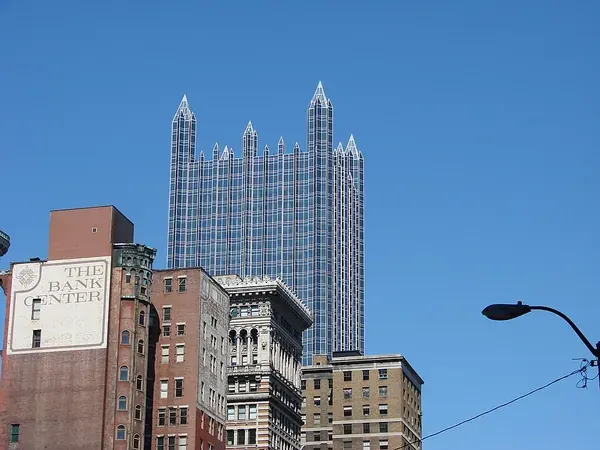
Cities have been changing because of bold ideas in building and design. Think about the skyscrapers and office buildings that popped up everywhere. They changed how cities looked and worked.
The tall towers made the skyline look different and brought many people to work in small areas.
Then came new thoughts on how to build places where people live, shop, and play. This started to show up in England first with cool shops and stylish offices.
These changes spread out to shape city centers across the world. Now when you walk through a city, you see all kinds of shapes, colors, and decorations on buildings – from ones that look old-fashioned to those that are super modern.
This mix makes cities exciting places where both history and new ideas come together.
Criticisms and controversies
Postmodern architecture sometimes stands out for not blending in. Buildings can look out of place among older, more traditional structures. This mismatch has been a big talking point.
Critics argue that these bold creations should respect their environment more.
Not every architect can master the postmodern style. Mistakes happen, and they can be pretty bad to look at. People also worry about how well these buildings will last over time. There's talk about them being weak when it comes to materials and design, which might not stand the test of time or serve their purpose well.
That's a real challenge for the future of architecture!

Rhino for Architects Course
Give your architectural skillset a major boost with the Rhino for Architects Course. Get over 60 hours of focused training tailored specifically for architects. Master commands and techniques to model, render, and animate architectural visualizations at the highest level. Click below for more information and watch your designs come alive!