Navigating the world of medieval architecture can leave many puzzled by its complex styles and historical overlaps. Romanesque architecture stands out as a distinct style that flourished in 11th and 12th-century Europe, known for its grandiose structures and rounded arches.
This guide will unpack the magnificence of Romanesque design, helping you understand its characteristics, evolution, and cultural significance. Let's dive into the past to explore these architectural marvels!
Key Takeaways
- Romanesque architecture began around 1000 CE in Europe, using ideas from ancient Rome and keeping buildings strong with thick walls and rounded arches.
- Different places in Europe added their own style to Romanesque buildings, using local traditions and materials, which made each building unique.
- Key features of this style include big stone walls with few windows, round arches called arcades, vaulted ceilings that make interiors look grand, and decorative carvings that tell stories.
Understanding Romanesque Architecture
Understanding Romanesque Architecture begins with peeling back the layers of the past to unveil a sturdy and awe-inspiring style that dominated medieval Europe. This architectural genre, marked by its massive quality and regional diversity, sets the stage for an exploration into how it shaped the edifices of history and influenced generations of builders.
Definition and origins
Romanesque architecture is like a big family tree with roots in the strong, durable designs of ancient Rome. This style started around 1000 CE and became popular for building churches across Europe until about 1200 CE.
It takes the sturdy stone work from Roman buildings and mixes it with medieval art to create something new and lasting. Think of great walls, round arches, and thick supports—all made to last centuries.
The early chapter of this architecture is known as "First Romanesque", which was simpler with less fuss. As time went on, builders got more skilled and added fancier touches to their work. They began marrying local styles with classic Roman bits, like using barrel vaults for roofs. These changes marked the growth into full-fledged Romanesque style that we admire today in old European churches.
Characteristics
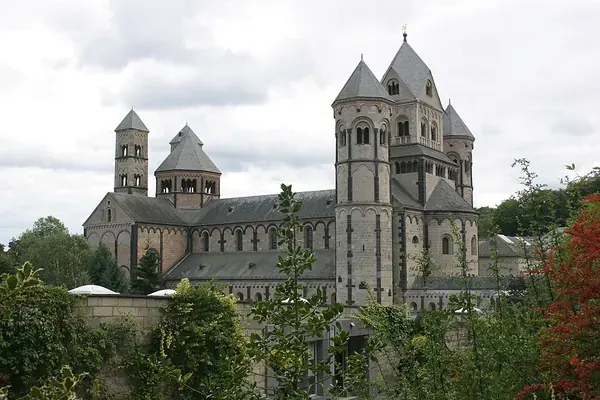
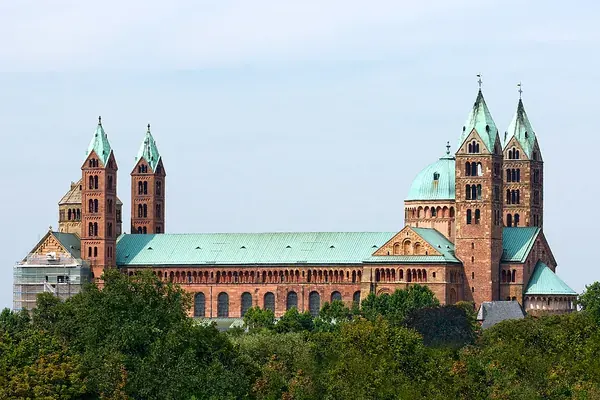
Romanesque architecture grabs your attention with its massive stone walls and narrow windows. Builders of this style made the walls thick to hold up heavy stone roofs. They often used round arches that remind us of ancient Roman buildings, giving a sense of strength and stability.
Inside these grand structures, you'll find ceilings shaped in curves called vaults which were key for making big spaces inside churches while keeping the roof up without falling. The designs are simple but powerful, with cross-shaped floor plans that add to their grandeur.
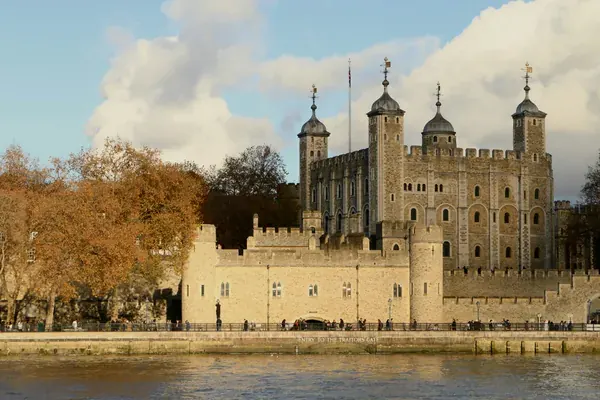
Often, you'd see strong towers reaching toward the sky and buttresses supporting the enormous weight of the walls. These buildings look like castles because they were built like fortresses - strong enough to last through tough times.
Evolution of Romanesque Architecture
The development of Romanesque architecture marked a period where builders began to reimagine ancient Roman and Byzantine forms, leading to an architectural revolution with the emergence of distinct regional styles.
This transformative phase witnessed the birth of structures that combined the grandeur of classical traditions with innovative techniques that shaped European skylines for centuries.
Influences of Roman and Byzantine architecture
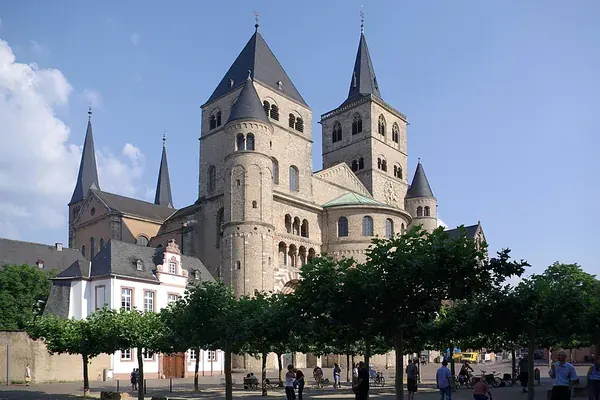
Romanesque architecture drew a lot from Romanand Byzantine building styles. Big, bold Roman designs gave ideas for thick walls and rounded arches. These features made churches and buildings strong and grand.
Byzantine touches came in too, with fancy details inside domes and over doorways.
Crafters from throughout Europe, for example, Germany, added their own style to the mix as well. They used what they knew from older Germanic buildings to make something new. This blending created many different looks across Europe, each with its own local flavor.
Now let's explore how these styles grew into unique regional designs over time.
Development of regional styles
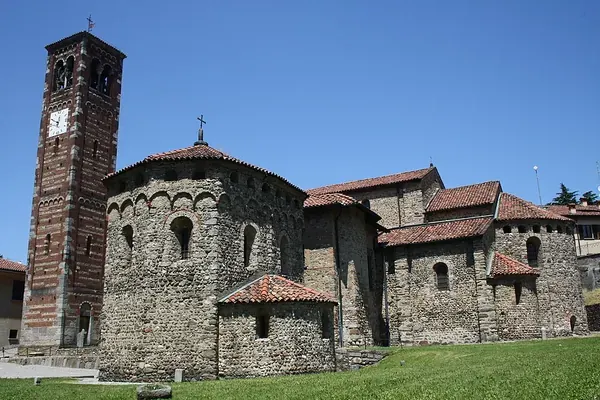
Romanesque architecture didn't look the same everywhere. In different places, buildings had their own special touches. This happened because local traditions and building materials affected how architects designed things.
For example, in Italy, they used marble to make fancy patterns on walls. But in England, they liked big strong towers. Over time, these local styles became very important for Romanesque art and buildings. Some areas even developed their own versions of Romanesque style before it spread all over Europe.
The First Romanesque style started up north and then moved southward, adding new ideas along the way. It shows us how people from different regions put their own stamp on buildings during this time.
Key Elements of Romanesque Architecture
Romanesque architecture, with its harmonious fusion of engineering prowess and artistic expression, is distinguished by specific features that have left an indelible mark on the landscape of medieval Europe.
The robust construction and ornamental intricacies serve not only as a testament to the era's architectural innovation but also as key indicators for identifying structures belonging to this distinct stylistic period.
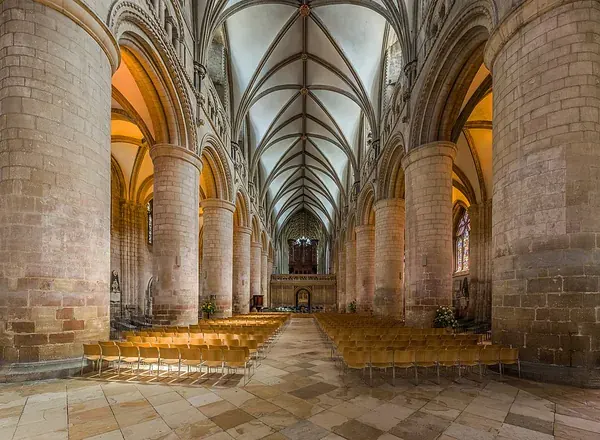
Walls and piers
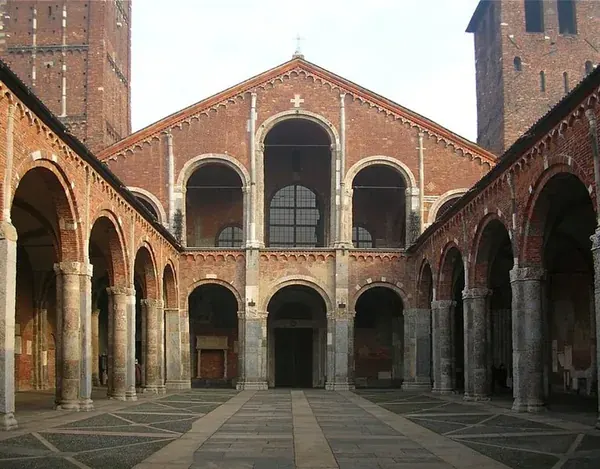
Walls and piers are big deals in Romanesque architecture. These structures had to be strong because they held up the whole building. Imagine thick, solid walls that keep everything stable.
This way of building used fewer windows so that the walls wouldn't weaken. Piers were like big, sturdy columns helping to share the weight.
Builders back then chose stone or brick for these important parts. They knew it was tough and would last a long time. The beauty of this style isn't just how it looks but also how well it stands up over the years.
Now let's talk about another key feature: rounded arches and arcades.
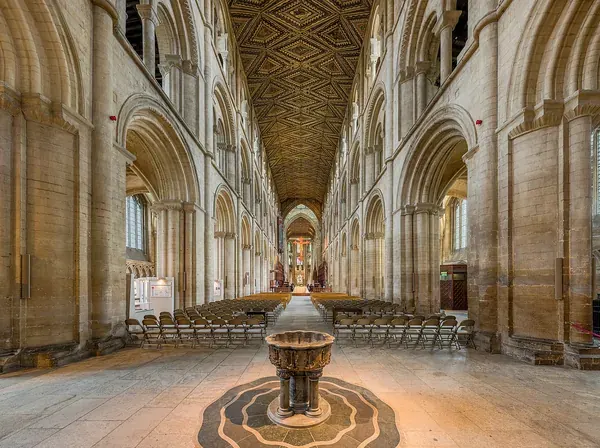
Rounded arches and arcades
Rounded arches are a big part of Romanesque buildings. They look like a half-circle and hold up the weight above doors, windows, and other openings. You'll see these arches everywhere in Romanesque churches. They make the building strong and add beautiful curves to the design.
Arcades are rows of arches that sit on top of tall columns or piers. In many old churches, you find arcades around the inside walls or in a cloister where monks walk and pray. These arcs help support the roof and let light come into wide spaces without needing lots of walls.
They also decorate rooms with patterns of shadow and light.
Vaulted ceilings
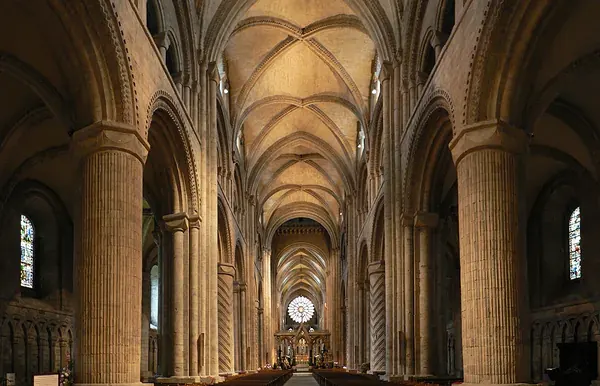
Vaulted ceilings rise up from the rounded arches, taking Romanesque architecture to new heights. These ceilings add a touch of majesty and drama to churches and cathedrals. They are not just beautiful but also help hold the building up strong.
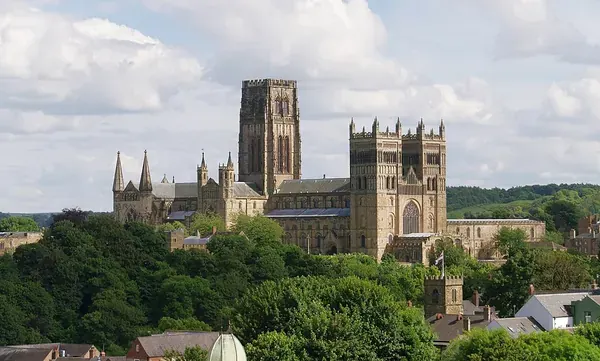
Builders in medieval times used barrel vaults, which look like half-cylinders, or ribbed vaults with extra support ribs. The inside of these buildings feels bigger because of the vaulted ceilings. Light plays on the curves and lines in different ways throughout the day. Look at Duham Cathedral to see how amazing these Romanesque features can be.
The lasting beauty and strength of these structures speaks to why this design is still admired today.
Decorative features
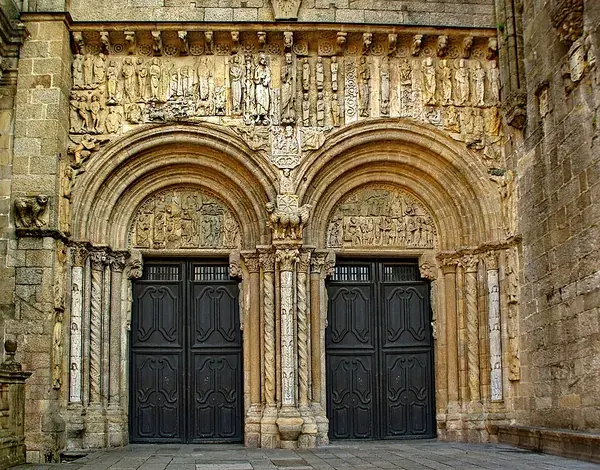
Romanesque buildings are often like big stone art books. They have carved figures and patterns that tell stories or show important ideas. Builders used stone masonry to make strong walls and then decorated them with these carvings.
The figures might show scenes from the Bible, local history, or even daily life back then.
Groin vaults and barrel vaults are not just for holding up the roof; they also look pretty. These vaults create a rhythm in the design that leads your eye around the space. People can find peace in this kind of order and beauty inside a Romanesque church or building.
Next, let's explore some famous places where you can see Romanesque style in real life!
Examples of Romanesque Architecture
Delve into the rich tapestry of history as we unveil remarkable edifices that epitomize Romanesque architecture, each telling a unique story of medieval magnificence and enduring legacy.
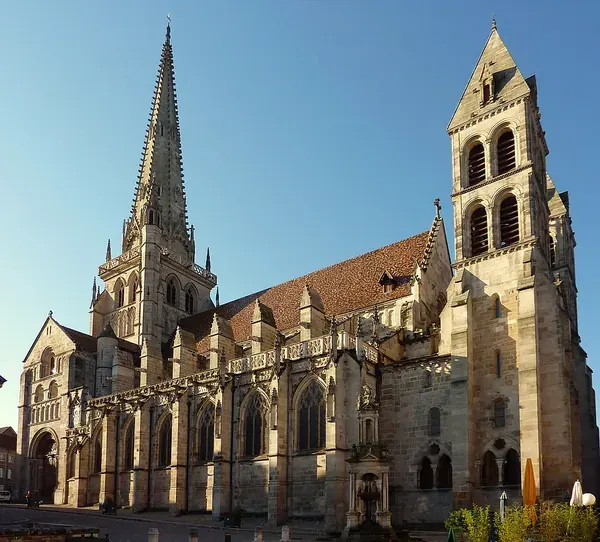
Church of Saint-Lazare
The Church of Saint-Lazare stands tall in Autun, France. As a masterpiece of Romanesque art, its walls have seen centuries pass by since it became a co-cathedral in 1195. Architects admire this cathedral's strong piers and the rounded arches that are hallmarks of medieval architecture. It also shares a connection with the Basilica of Vézelay, where important relics lie.
Look up to see the church's famous tympanum sculpture above the west doorway; it offers a peek into religious iconography linked to the Holy Crusades. This feature captures stories in stone, leaving viewers in awe of how builders from long ago could express such powerful tales.
Now let's turn our eyes to another example: the Cistercian Abbey of Fontenay.
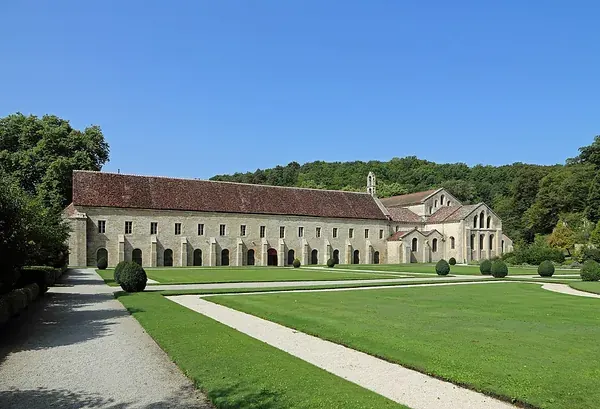
Cistercian Abbey of Fontenay
Cistercian Abbey of Fontenay stands as a stunning work from the Romanesque period. Built in 1118 by Saint Bernard of Clairvaux, it shows how medieval builders made beautiful spaces for prayer and work.
This abbey is not just old stones; it captures a deep spiritual belief through its design. Its large church, shaped like a Latin cross, has been standing for centuries with walls that enclose calm and light.
Architects marvel at Fontenay's perfect form and integration of space. It's one of Europe's most complete Cistercian abbeys and got on the UNESCO World Heritage list in 1981. Here you see history tied to stone—where the Cistercian order left their mark on architecture, moving from Romanesque to Gothic styles without losing their love for simple lines and harmony between parts of a building.
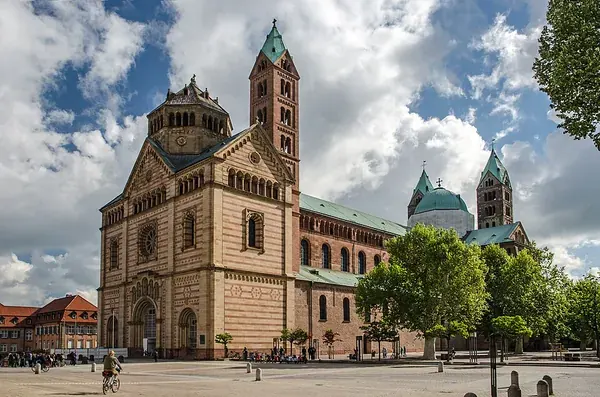
Speyer Cathedral
Speyer Cathedral stands tall as a masterpiece of medieval architecture. Built to awe and inspire, it has earned its place as a UNESCO World Heritage Site. This grand building is the world's largest Romanesque church, showing off thick walls and rounded arches that speak of its strength and endurance through time.
Architects will note Speyer Cathedral's groin vaults—a key element in Romanesque design—that create spacious interiors perfect for echoing chants and footsteps from centuries past.
It is not just a structure but also a history book, holding the remains of emperors within its sacred grounds. The cathedral uniquely blends Gothic elements with its dominant architectural style, making it an ideal study subject for those fascinated by European architecture's evolution.
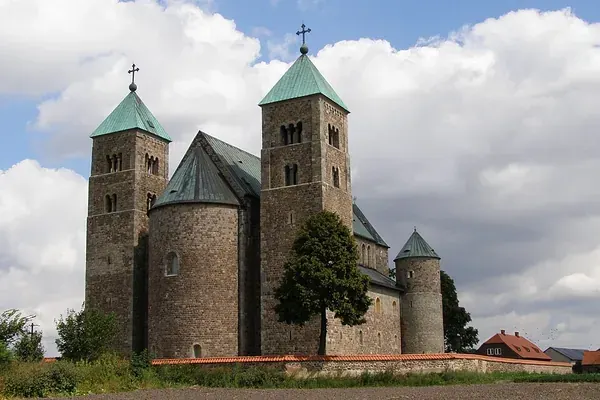
Tournai Cathedral
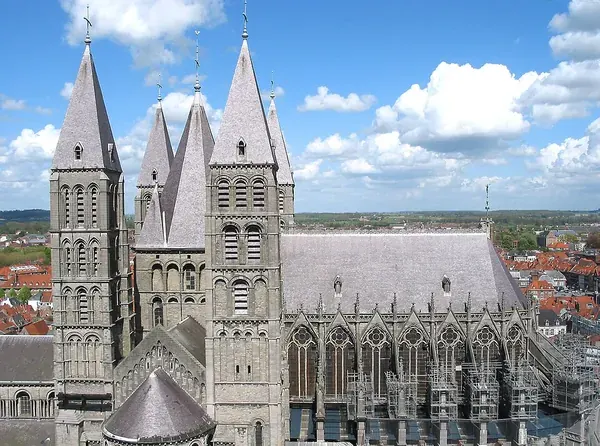
Tournai Cathedral stands tall with its five towering spires, marking a stunning example of Romanesque art and architecture. Built between the 11th and 12th centuries, this historical landmark exudes the power and beauty of medieval European cathedrals. Its cruciform shape reflects traditional basilica architecture while showing off Gothic style tweaks that add to its grandeur.
Visitors marvel at the cathedral's impressive vaulted ceilings and rounded arches, key elements central to Romanesque design. As a UNESCO world heritage site, Tournai Cathedral not only draws architects from around the world but also serves as an educational goldmine for those studying architectural styles from centuries past.
It showcases how regional touches can blend with universal trends to create lasting magnificence.
Durham Cathedral
Moving from the elegant Tournai Cathedral, we turn our attention to the grandeur of Durham Cathedral. Built over a span of 40 years, Durham Cathedral stands as a towering achievement in medieval architecture.
It's recognized as one of the largest examples of Romanesque style, showcasing massive walls and rounded arches that speak to its strength and beauty. This English cathedral houses fewer figural representations compared to others of its time, allowing its architectural features to command more attention.
The interior is just as impressive with its vaulted ceilings that include pointed rib vaults – an innovation at the time they were constructed. The nave ceiling is especially notable because it's one of the oldest surviving examples around today.
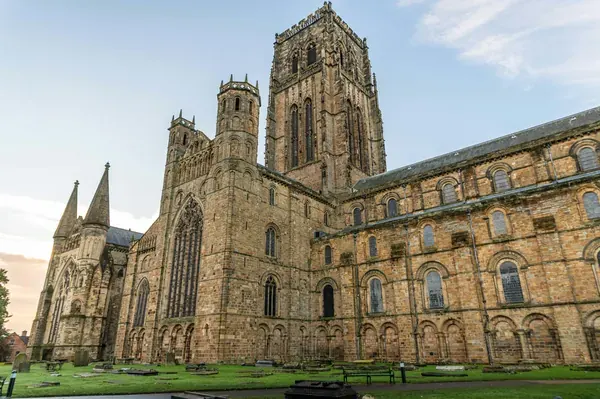
Walking through Durham Cathedral is like stepping back into history; every corner reflects precise craftsmanship from centuries past. Holding religious relics such as stained glass windows and connected to Christian saints like St Cuthbert, this sacred building not only draws in those interested in religious pilgrimage but also those keen on studying architectural history or engaging with stories told through religious art.

Grasshopper Complete Course
Give your architectural skills a boost with the Grasshopper Complete Course. Get over 50 hours of comprehensive Grasshopper training tailored for architects. Learn to generate and iterate designs faster. Click below for more information and streamline your workflows!