Are you an architect intrigued by sustainable design but unsure of how to incorporate it into your work? Considering that buildings contribute approximately 40% of global carbon emissions, adopting environmentally friendly practices is vital.
This article unfolds the principles and techniques behind successful green architecture, offering insights on its benefits, drawbacks, and real-life examples. Get ready; a treasure trove of knowledge awaits!
Key Takeaways
- Sustainable design helps buildings use less energy and cause less harm to Earth.
- Green architecture uses neat things like living roofs, sun power, recycled materials and waste reduction.
- Some cool examples of green buildings are in places like Singapore, Italy, Brazil, and Taiwan.
- More people want eco-friendly homes and offices now. So the future of the building could be very green!
Fundamentals of Sustainable Architecture
Sustainable architecture is a method of designing buildings that meet current needs without compromising the ability of future generations to address their own; it incorporates principles such as eco-friendly construction, energy efficiency, sustainable materials, and passive design strategies.
This practice highlights considering every stage of a building's life cycle - from siting to design, construction, operation, maintenance, and its potential for reuse or recycling.
Notably gaining traction in the modern world due to rising environmental concerns is the biophilic movement within sustainable architecture - this involves incorporating natural elements into built environments to increase our connection with nature while improving well-being.
Overview of Key Elements
Sustainable design uses special parts to lower harm to nature, a strategy employed by many architectural firms: Kohn Pedersen Fox, Diamond Schmitt Architects, MVRDV, COX Architects, ZGF Architects, just to name a few.
Here is a list of these key parts:
- Passive Solar Design: It uses the sun's energy for heating and cooling homes. This cuts down on fossil fuel use.
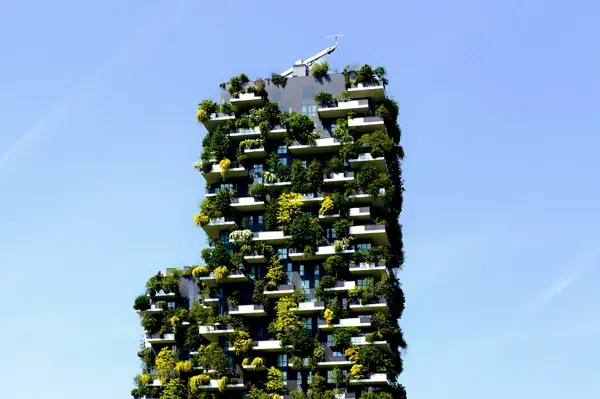
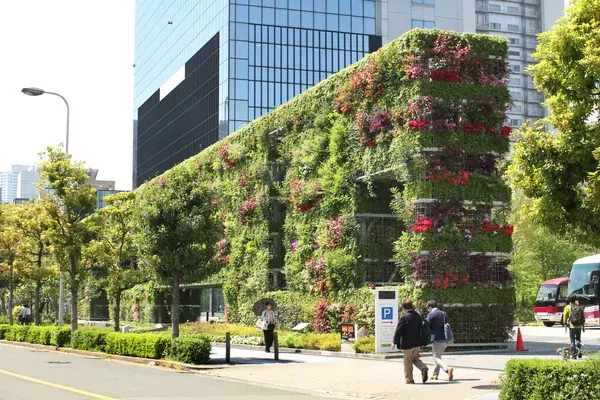
- Living Walls and Green Roofs: They are covered with plants. These roofs make cities cooler, trap rainwater, and make clean air.
- Water and Energy Efficiency: This means using less water and less power to run a home or building.
- Sustainable Building Materials: These are things used to build that do no harm to nature, like wood from trees that grow fast.
- Indoor Environmental Quality: The inside of the building is safe and healthy for people to live or work in.
- Waste Reduction: This means making less garbage when a building is built or torn down.
- Optimized Land Use: This is when builders make good use of space, so they don't have to hurt more of nature than needed.
Holistic interior design
Holistic interior design plays a big part in green building. It looks at the whole space and how it works together. This helps it to be energy efficient and good for the earth. One major way is using natural light as much as we can.
Sunlight cuts down our need for electric lights, which saves energy and lowers carbon footprint. Another way is choosing eco-friendly materials like bamboo or recycled metal for floors, walls, and furniture.
We also use smart tech to control heat, AC, light levels, water use and more! This way of doing design reduces waste, adds beauty without harm to nature and creates spaces people love being in.
Biophilic movement
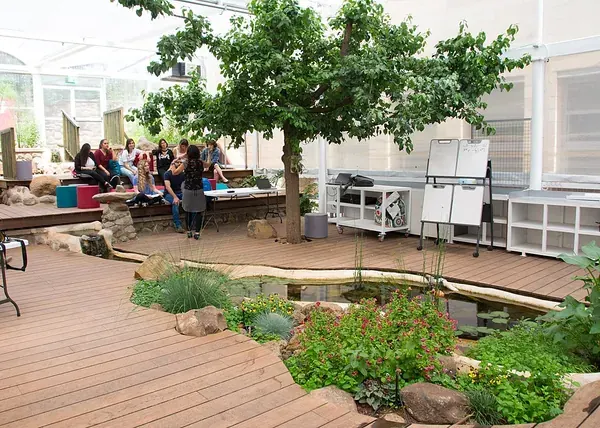
The biophilic movement brings nature into our buildings. It uses design to make us feel more as one with the earth. In this way, sustainable architecture can bring joy and calmness.
Green spaces are part of it too! They provide fresh air and a space to relax.
Buildings inspired by the biophilic movement take less energy to run. This is because they use natural light and air. Their designs often follow patterns we see in nature as well, which makes them feel more peaceful and safe to the people inside them.
As architects look for ways to lower carbon footprints, many are finding smart solutions in this movement.
Advantages and Disadvantages
This section dives into the pros and cons of sustainable architecture, discussing benefits like reduced environmental impact and energy efficiency alongside challenges such as initial cost outlays and local sourcing difficulties.
Advantages
Sustainable design has many strong points. Here are some of them:
- It cuts carbon footprints down. This design idea aims to keep nature safe.
- It uses less energy. Sustainable design uses things like wind and solar power instead of coal or oil.
- It makes buildings last longer. The methods used in sustainable building help make the structures last a long time.
- The methods used are studied and tested against other ways of building. These tests help find new ways to create value in what we build.
- Benefits go beyond buildings too, they stretch to whole cities! Sustainable design helps a city stay healthier and greener for longer.
- It offers cost savings over time since it uses less energy and resources.
- Healthier spaces boost work rates and happiness levels thanks to a biophilic design that brings nature indoors.
- It's good for our world's health as well as ours! By making wise choices about how we build, we can ensure our planet stays healthy too.
Disadvantages
There are some downsides to sustainable design in architecture. Here's a list:
- The initial cost can be high. To make a building eco-friendly, it needs special materials and methods. These are often more costly than usual ones.
- It takes time to see the payback from energy savings. Architects should know this before they start.
- Not all places have ready access to green materials. This may force architects to ship them over long distances. That adds to the project's carbon footprint.
- Some people use green terms but don't live up to them in their work, which is known as "greenwashing". Architects need to be careful about this.
- If not planned well, some eco-friendly materials may not last as long as traditional ones do.
- There may be rules and laws that limit what kinds of sustainable methods one can use on a building.
Famous Examples
In this section, we will delve into prominent examples of sustainable architecture from the energy-efficient Sanko Headquarters in Japan, to the Vertical Forest in Italy that doubles as an urban ecosystem. Let’s dive in!
The Bullitt Center
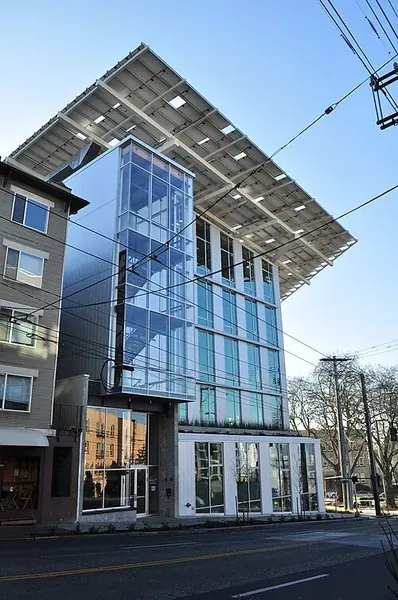
The Bullitt Center in Seattle, often dubbed “the greenest commercial office building in the world”, was developed by the Bullitt Foundation and designed by The Miller Hull Partnership to meet (and ultimately exceed) the rigorous Living Building Challenge.
A rooftop 244 kW photovoltaic array stretches past the parapet like a hat brim, generating more electricity each year than the six-storey structure consumes.Inside, composting vacuum-flush toilets send waste to basement chambers where aerobic microbes convert it into soil, eliminating black-water discharge and saving an estimated 80–90 % of the water a conventional system would use. Rainwater is captured in a 56,000-gallon cistern, filtered to potable quality, and once final regulatory approvals are complete, will supply 100 % of the building’s domestic water needs.A smart façade with operable windows and deep overhangs enables passive cooling; sensors automatically open the windows at night to “flush” heat and close them before the work-day begins.
Coupled with exceptional daylighting and timber sourced from Forest-Stewardship-Council forests, these strategies yield an 83% reduction in energy use compared with a typical U.S. office while providing a bright, biophilic workspace that attracts tenants willing to sign longer leases for healthier offices.
Vertical Forest
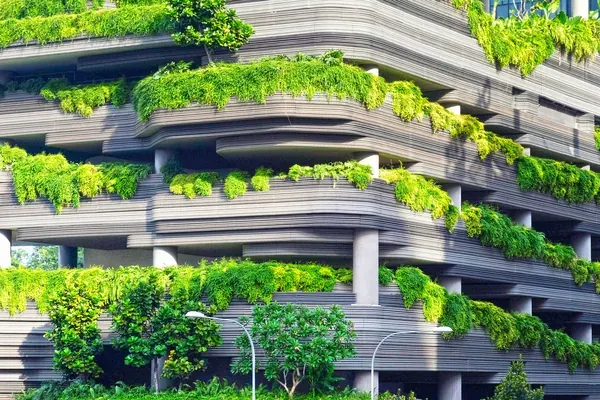
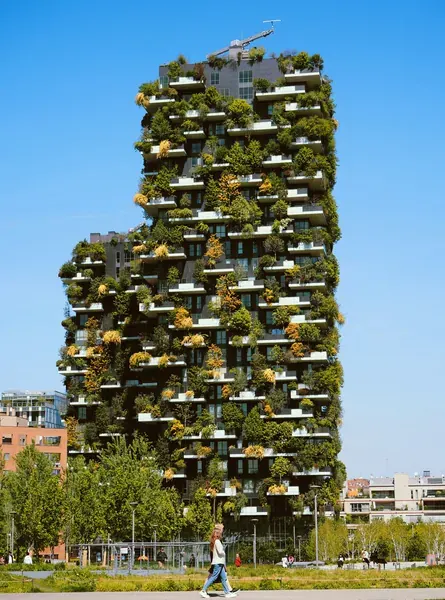
Il Bosco Verticale, or the Vertical Forest, in Milan, is a groundbreaking example of sustainable architecture that fuses biodiversity with urban living. These twin towers, lush with 480 large and medium trees, 300 smaller trees, and over 11,000 plants, create a living ecosystem that enhances the cityscape.
This green envelope actively contributes to the microclimate by producing oxygen, absorbing CO2, and filtering out pollutants, thereby combating urban sprawl and the heat island effect.
The plant selection, meticulously studied for three years, and the innovative irrigation system, tailored to the needs of the diverse flora, underscore a commitment to sustainable, living architecture that evolves with the seasons, offering a dynamic visual experience.
Gardens by the Bay
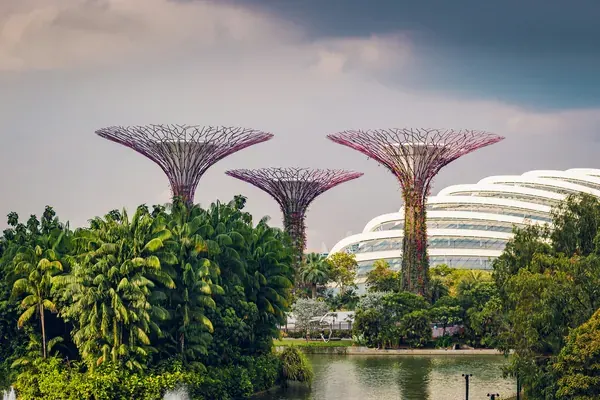
Gardens by the Bay in Singapore, a brainchild of Grant Associates, exemplifies sustainable architecture with its innovative environmental infrastructure. Orchestrating a blend of nature and technology, this horticultural haven features iconic structures like the towering Supertrees embedded with sustainable technologies for energy and water conservation.
It hosts colossal biomes—Flower Dome and Cloud Forest—that simulate Mediterranean and tropical montane climates, nurturing a diverse array of flora and doubling as educational spaces. This visionary project represents a 'City in a Garden', intertwining leisure, education, and environmental stewardship.
Museum of Tomorrow
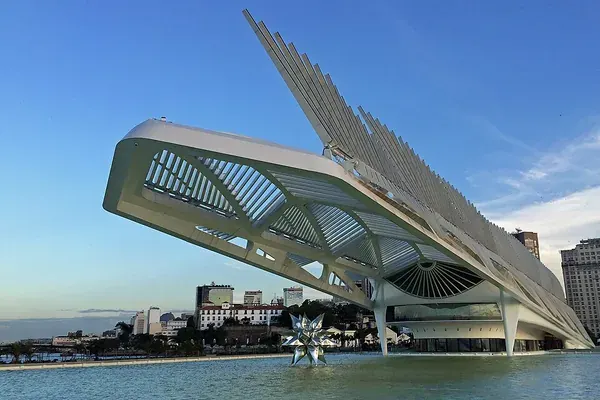
The Museum of Tomorrow in Rio de Janeiro, designed by Santiago Calatrava, stands as a testament to innovative green building. Awarded as the "Best Innovative Green Building" at the MIPIM Awards, it showcases sustainability with features like adaptive solar panels and an air conditioning system utilizing water from Guanabara Bay, signifying a seamless integration of advanced technology and eco-friendly design.
Its water conservation efforts, recycling all water used within, save significant energy and water annually, reflecting a commitment to environmental responsibility and earning it the LEED Gold certification, a first for Brazilian museums.
Beitou Public Library
Beitou Public Library, lauded as one of the world's coolest green buildings, is a paragon of sustainable architecture. With eco-friendly features like rooftop solar cells generating 16,000 watts, and a rainwater harvesting system, this wooden structure exemplifies energy efficiency.
Its design, which incorporates deep balconies and vertical trellises, not only enhances its aesthetic appeal but also contributes to thermal radiation reduction.
As Taiwan's first green building to achieve the highest local ecology and health certification, Beitou Library is a beacon of sustainable design, merging functionality with environmental stewardship.
CoppenHill
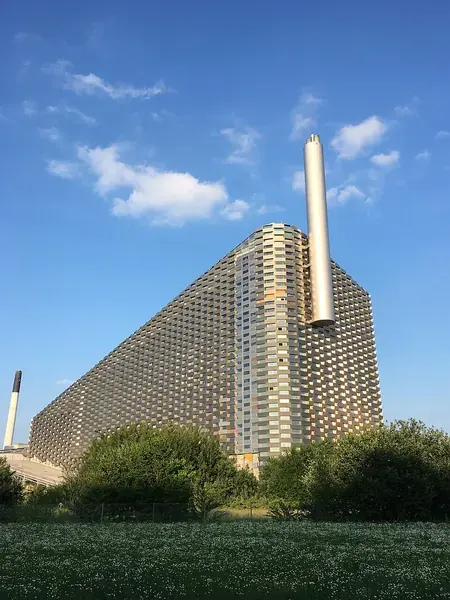
CopenHill, conceived by Bjarke Ingels Group (BIG), epitomizes "Hedonistic Sustainability", a model where eco-friendly structures also enhance community joy.
This waste-to-energy plant in Copenhagen doubles as a recreational hub, featuring a ski slope, climbing wall, and park, setting a benchmark for multifunctional sustainable architecture.
It's not only the world's cleanest facility but also a vital part of Copenhagen's ambition to be carbon-neutral by 2025, transforming social infrastructure into an urban landmark while powering 150,000 homes.
The Future of Sustainable Design in Architecture
Green designs will play a big part in future buildings. More architects will use eco-friendly plans and materials. They will focus on using less energy. Natural light, good insulation, and smart heating are some ways to do this.
New tools may also help them see how "green" their ideas are before they start building. Changes like these can make our planet healthier.
Plus, people want sustainable homes and offices more than ever! Many worldwide architectural firms, such as Foster + Partners are versed in green design and will become even more popular. In the future, we might see entire cities built this way.
FAQs
1. What is sustainable design in architecture?
Sustainable design in architecture is creating buildings that are energy-efficient and do not harm the environment.
2. Why is sustainable design important in architecture?
Sustainable design is important because it helps protect our planet by reducing waste, saving energy, and using less harmful materials.
3. What principles guide sustainable architectural designs?
The principles of sustainable design include using renewable resources, minimizing waste, preserving the landscape, and aiming for energy efficiency.
4. How can architects practice sustainability?
Architects can practice sustainability by choosing eco-friendly materials, designing for natural light to save on electricity, and including green spaces in their plans.
5. Does a sustainably designed building look different from other buildings?
No, sustainably designed buildings don't necessarily look different but they use resources more efficiently and have features like solar panels or rainwater collection systems.

Grasshopper Complete Course
Give your architectural skills a boost with the Grasshopper Complete Course. Get over 50 hours of comprehensive Grasshopper training tailored for architects. Learn to generate and iterate designs faster. Click below for more information and streamline your workflows!