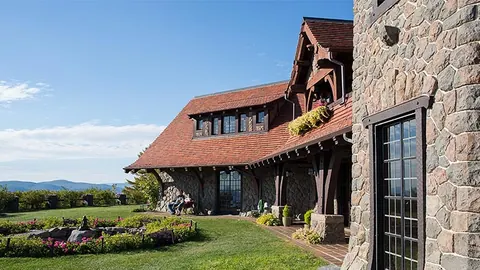
Are you curious about architecture that embodies a community's culture and history? Vernacular architecture, passed down through generations, does just that. This blog delves deep into the significance of this unique architectural style, exploring its meaning, highlighting notable examples from across the globe, and discussing how traditional designs impact contemporary architecture.
Ready to unwrap architectural styles that tell vivid cultural stories? Let's dive in!
Key Takeaways
- Vernacular Architecture uses local resources. It fits with the climate and culture of a place.
- Each Vernacular building tells a story about its people's past and values.
- Different parts of the world have unique styles because they use what's around them.
- This type of design helps to keep traditions alive, supports local economies, and is good for the Earth.
Understanding Vernacular Architecture
Vernacular Architecture, with its roots deeply embedded in cultural traditions and history, is a style that draws heavily from local materials and techniques. The evolution of the term reflects a shift from being viewed as 'lesser' architecture to gaining recognition for its role in preserving indigenous building styles.
In vernacular design, the architect's role extends beyond creating structures - they also imbibe regional architectural traditions and incorporate them into their work. This section explores what constitutes vernacular architecture, its unique characteristics, the construction methods used, and the symbolism it carries within different cultures.
Definition and history
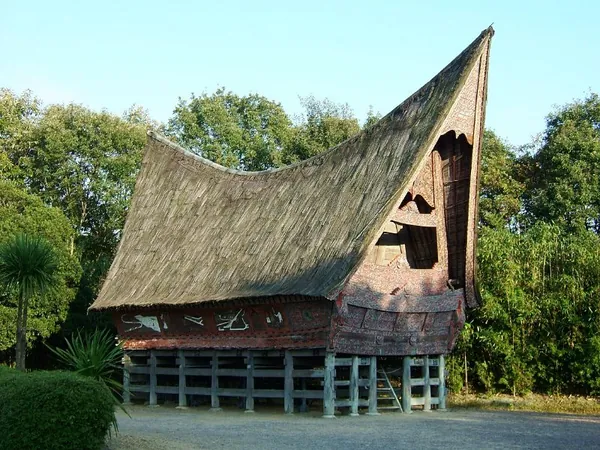
Vernacular architecture is a style born from a place's culture, values, and history. It takes shape based on what the land offers and what people need. People began making these buildings long ago. Take a look at the Mayan architecture, which is long gone, but among other lost civilizations, offers an example of how our ancestors used surrounding resources to build.
They used only local resources to build homes that fit their climate and lifestyle. This kind of design shows how each area adapts to its unique spot in the world. So, every building has a tale to tell about its people's past and traditions.
It also shows how they have found ways to live with nature over time.
Evolution of the phrase
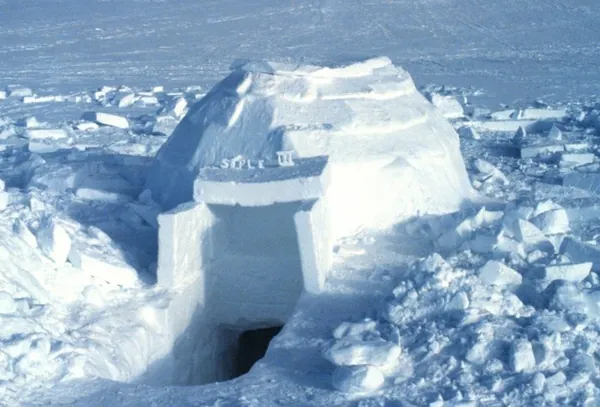
The term "Vernacular Architecture" has changed a lot. It was once seen as just folk or regional architecture. Now, we know it means more than that. We see it as the design method used by local people with the help of their culture and traditions.
Over time, more study on vernacular architecture shows us new things. The phrase now links to the idea of sustainable design and architectural conservation too. It's not just about how buildings look anymore.
It's also about how they work with nature and keep old ways alive. This makes vernacular architecture vital in today's world.
Role of cultural traditions
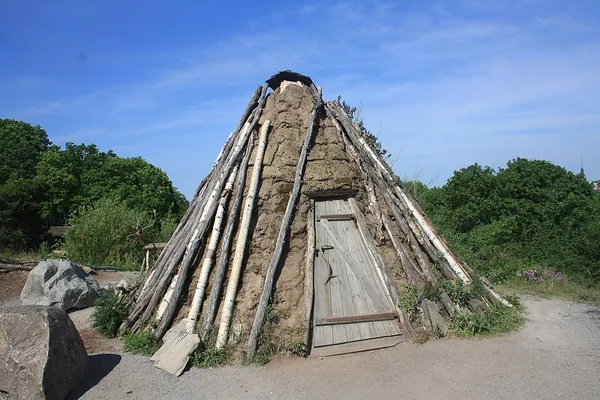
Cultural traditions hold a key role in vernacular architecture. They help to shape the buildings and the places where people live. The methods of making these buildings come from old ways that have worked for a long time.
These time-tested practices are often passed down through many generations.
In this type of design, every detail has meaning. Each part tells us about the culture, values, and history of the people living there. It's more than just a building method; it gives us insight into who we are as human beings.
Through this kind of architecture, we can keep our rich cultural heritage alive and well.
Vernacular and the role of the architect
Architects play a big part in vernacular architecture. They use their skills to make buildings that show the history and culture of a place. This type of design is about more than just the look of a building.
It is also about how it works with the land around it.
The architect's job is not easy. They must learn about local materials, ways to build things, and special needs for each area. But they do this work because they know how important it is to keep our history safe and share our traditions with others.
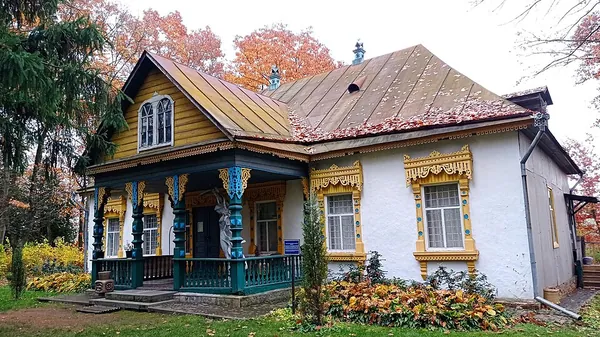
Characteristics of Vernacular Architecture
Discover the unique defining elements of vernacular architecture. From its utilization of local materials to its adaptations to climate and environment, this indigenous architectural style encapsulates cultural heritage in every brick laid.
Dive deeper into understanding the rich symbolism and ecological practices inherent in these traditional construction techniques that set it apart from other styles.
Use of local materials
Local materials are key in vernacular architecture. Builders choose these for many reasons. They cost less and are easy to find. This practice also helps the local economy grow.
Another good thing about using local materials is that they fit well with the climate and nature of a place. Buildings made this way keep people comfortable in any season or weather condition.
Using earth, wood, stone, and other natural items makes homes eco-friendly too! It is a smart choice for builders who want to protect our planet.
Vernacular designs show cultural roots because they use home-made stuff like traditional methods for building houses. With every brick or timber used, tradition lives on! No wonder so many architects still stick to using things found only around their sites today.
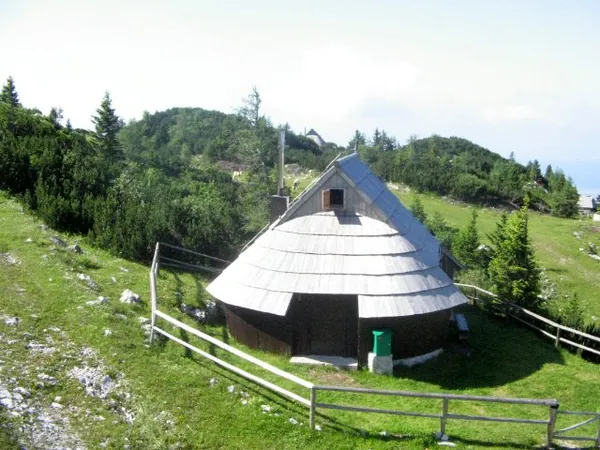
Adaptation to climate and environment
Local weather shapes vernacular buildings. They have parts that work well with the heat, cold, rain, or snow. What's more, these parts are made from stuff found nearby! This makes for smart green buildings.
Also, these types of buildings use less energy because of their clever design. For example, they allow natural wind flow to keep rooms cool. This is an effective and simple way to bring down the need for air conditioning! Let's not forget how useful these age-old methods can be in our fight against climate change.
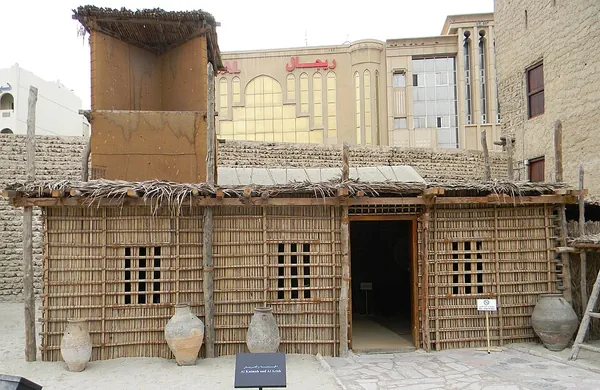
Characteristics that distinguish it from other styles
Vernacular architecture is unique. It stands out from other styles in many ways.
- It uses local materials: The buildings are built with what is found nearby. This may be wood, clay, or stone. Local resources are key to vernacular architecture. They meet the needs of the community.
- Climate impacts the design: Vernacular buildings match their environment. They stay cool in hot places and warm in cold areas. Houses are built to fit the climate.
- Rooted in culture: These designs show the traditions and customs of the people who live there. The design of buildings is based on local needs and customs.
- Locally made: The tools and methods for building are from the area too.
- Full of meaning: Each part of a vernacular building can represent something special about its people or place.
- Sustainable: Using things from close by helps keep the Earth healthy.
- Unique to each place: Unlike global styles, every region has its own vernacular style based on its own needs and resources.
Symbolism and cultural significance
Vernacular architecture tells a story. It shows the past, present, and hopes for the future of a place. Each building has symbols that speak about cultural values and beliefs. For example, in Arab World buildings, we can see sustainability values at play.
They use local things to build their homes and places of worship. This makes each building special and unique to its area. Religious beliefs are also shown through this type of architecture.
The shapes, colors, and materials all have meanings linked to culture and religion. Vernacular architecture isn't just about how a building looks or is made though - it shares who people are too.
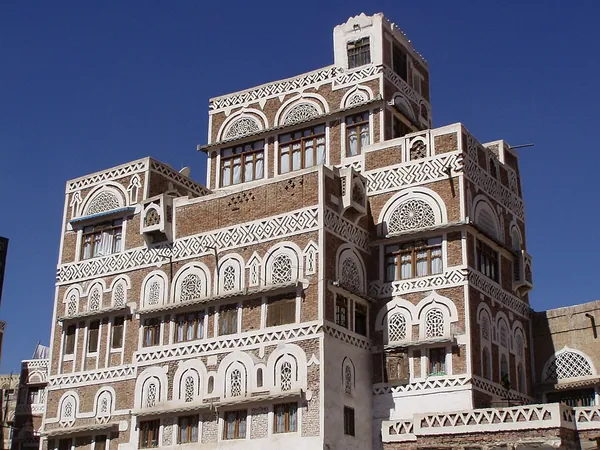
Examples of Vernacular Architecture
Travel across continents with us as we explore the unique vernacular architecture in Africa, Asia, Europe, North America, and South America. The intriguing examples of this design aesthetic rooted in local traditions and materials will fascinate every architect seeking inspiration for sustainable building practices.
Dive deeper into the heart of these architectural marvels that are globally dispersed but locally embraced!
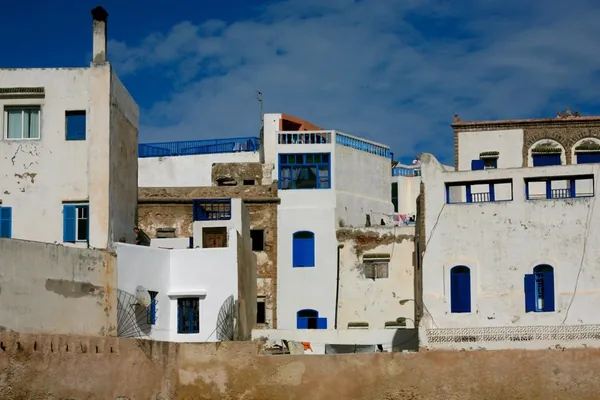
Africa
African architecture holds a rich history. Indigenous cultures used local building techniques to create unique styles. Across the continent, you can see these different styles. Sub-Saharan African styles stand out with their use of earth and wood.
It's not just for looks, though! These materials are good for the hot climate. They keep homes cool even under the intense sun.
It is not all traditional, as Western influences shaped African design over time. However, African craftsmanship stayed strong despite this change. The blend of old and new helps save cultural heritage.
Sadly, some parts of Africa's vernacular traditions remain unknown to most people outside Africa. This mystery covers the beauty in West African architecture as well - home to many place-based vernacular designs.
Asia
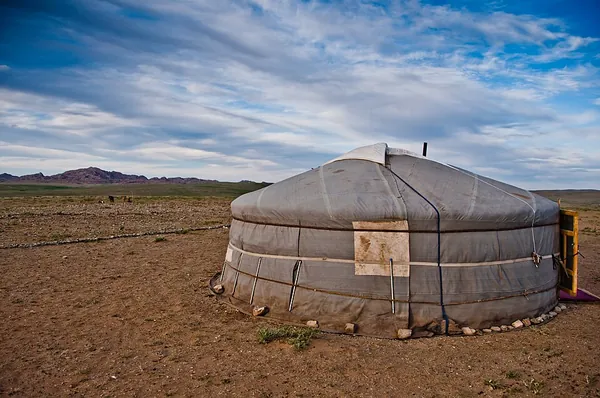
In Asia, vernacular architecture is rich and varied. Each region has its own traditional styles, from the bamboo houses in China to the dome-shaped yurts in Mongolia. These buildings use local materials like wood, clay, or stone.
They are built using native construction techniques passed down through generations. This type of regional design speaks of Asian people's deep bond with their land and community. It also mirrors their way of life as each structure suits the local weather and needs of the people who live there.
Vernacular structures stay alive by holding on to cultural values yet making room for changes over time.
Europe
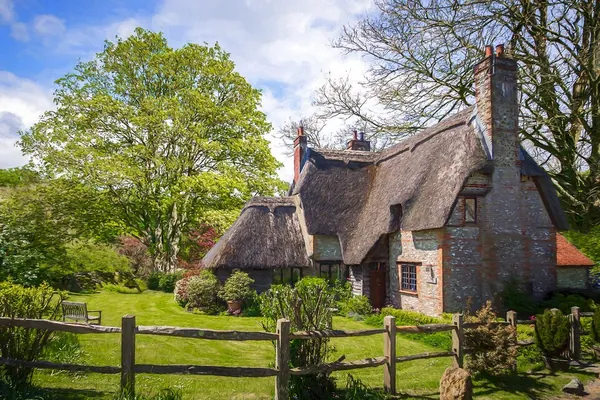
Europe holds rich examples of vernacular architecture. You can see this in the thatched-roof houses of Ireland and the stone houses in Greece. Each style shows how people use local materials.
They also show how buildings fit with climate, culture, and technology.
Traditional cottages dot the UK landscape. In Germany, you will find half-timbered houses. These styles keep cultural history alive while meeting local needs. Today's architects blend old styles with new ideas for a modern look that is eco-friendly too!
North America
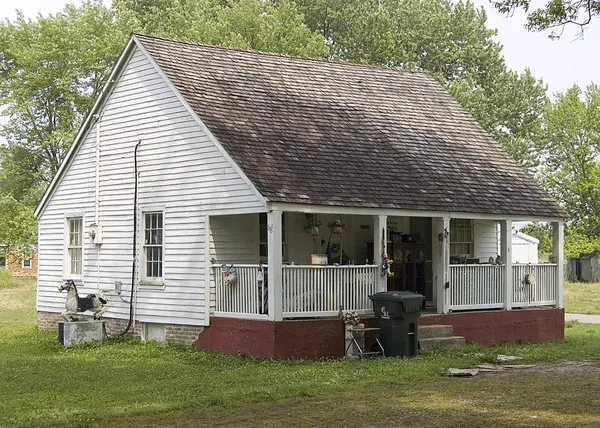
North American architecture shows the rich culture of the region. It gives us a look into old customs and traditions. Many cityscapes, houses, and rural buildings show this local style.
The buildings are not high, usually less than three floors. They use materials found in their own area. This makes each building special and unique to its place. We often see this kind of design in rural homes.
These ways of building keep cultural meaning alive today.
South America
South America is rich in local and indigenous styles of architecture. In Peru, you find the legacy of Inca buildings. They used large stones to build strong walls. Bolivian homes also use stone but often mix it with clay.
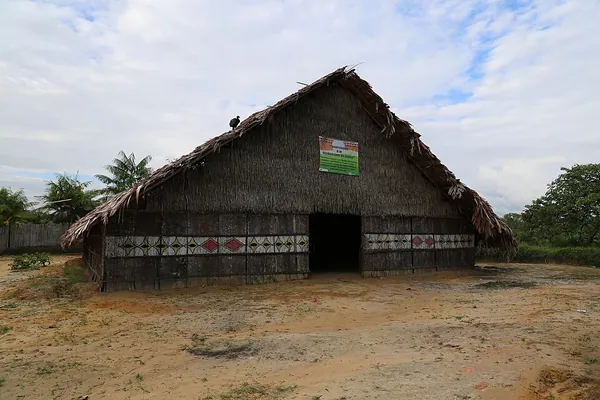
Brazil shows a different style in its northeastern region. Rural houses there are made from wood and raised off the ground for airflow. The Amazon rainforest can't be forgotten either! Tribes living there make unique homes out of forest materials.
All these examples show how South American culture shapes its traditional building techniques.
Significance of Vernacular Architecture
This section delves into the importance of Vernacular Architecture, illustrating its pivotal role in preserving cultural heritage, employing eco-friendly construction practices, and reflecting a community's unique identity.
Discover more fascinating insights about this distinctive architectural style.
Preservation of cultural heritage
Vernacular architecture holds a strong bond with cultural heritage. This style of building keeps alive the history and knowledge of past generations. It is more than just using old ways to make buildings.
It shows how people lived, worked, and played long ago.
Each region has unique vernacular architecture. This uniqueness shines a light on local culture and values from the past. By doing so, we keep our roots alive for future generations to enjoy.
People can see their identity in these buildings which creates a sense of belonging in the community.
Sustainable and eco-friendly practices
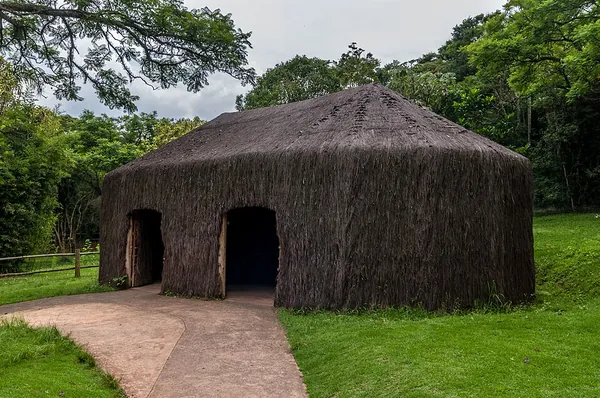
Vernacular architecture stands for "green" building. It uses local materials that fit the climate and land. This way, it helps to keep our planet clean. Building with earth, wood, or stone from the area makes less trash.
We don't need to use power to move them a long way. Also, these buildings need less energy to stay cool or warm because they are built for their specific place on Earth. They show us how we can build in harmony with nature using eco-friendly practices.
These ideas of sustainable design were born years ago with vernacular architecture but are still important today.
Reflection on community identity
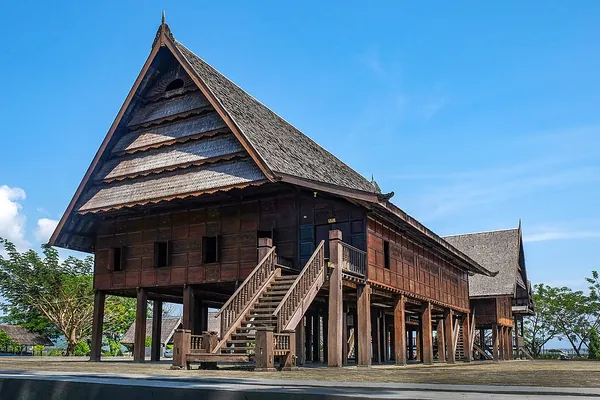
Vernacular architecture gives voice to community identity. It tells stories of the past through local materials and designs. This form of architecture keeps community values alive and helps people feel a sense of place.
It is like a mirror that shows what a group values most. Traditional styles become symbols of pride for locals. They show how different things were in the past and how they've changed over time.
More than bricks and wood, vernacular buildings are living proof of culture and traditions held dear by the societies that build them.
The Role of Vernacular Architecture in Contemporary Designs
Contemporary designs draw inspiration from vernacular architecture, integrating traditional elements to create sustainable, eco-friendly structures. The use of local materials in modern architecture echoes the past while reducing environmental impact.
Architects see the value in blending old and new, creating designs that respect cultural heritage while meeting modern needs.
Architects incorporating vernacular elements
Architects now use vernacular elements in their designs. Let's talk about how it works.
- They add local flavor to new buildings. It brings in a sense of local context and regional identity.
- Some mix old styles with new ones. They keep the cultural heritage alive while adding a modern twist.
- Others use native building methods. This can make the building fit better with its surroundings.
- There is also a focus on using local materials. It helps make the buildings more green and sustainable.
- By doing this, architects help create places that people feel at home in.
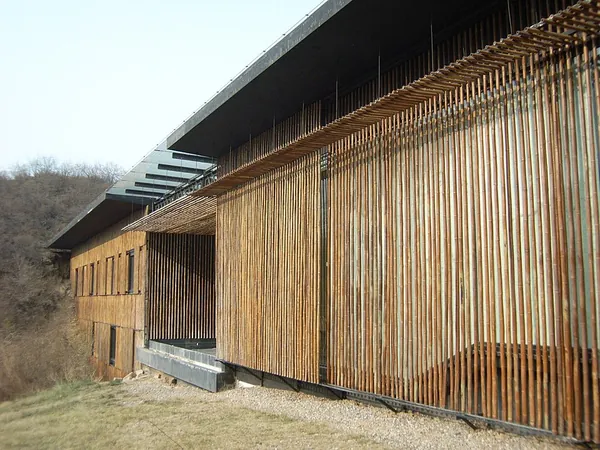
Benefits of using vernacular architecture in modern designs
Starting to use vernacular architecture in modern designs gives many benefits.
- It roots the building in its place. The design reflects the area's culture and traditions.
- Local materials from that region are used. This makes the buildings blend well with the scenery.
- A sense of identity and belonging is provided for locals.
- Traditional elements inspire new designs, fostering creativity.
- Builders can adopt low-energy ways to build.
- This kind of architecture is good for the earth as it uses less energy.
- New ways to build evolve, showing that old methods can adapt to new needs.
Indeed, vernacular architecture has a big role in shaping our future as well as reminding us of our past.
FAQs
1. What does "vernacular architecture" mean?
"Vernacular architecture" means the style of buildings made from local materials and traditions.
2. Can you give examples of vernacular architecture?
Yes, an igloo in Alaska and a log cabin in Europe are both examples of vernacular architecture.
3. Why is vernacular architecture significant?
Vernacular architecture is significant because it reflects the culture, history, and environment where it's found.
4. Can modern buildings be considered vernacular architecture?
Yes! If a modern building uses local styles, materials, and methods to suit its surroundings, we can call it vernacular.

Grasshopper Complete Course
Give your architectural skills a boost with the Grasshopper Complete Course. Get over 50 hours of comprehensive Grasshopper training tailored for architects. Learn to generate and iterate designs faster. Click below for more information and streamline your workflows!