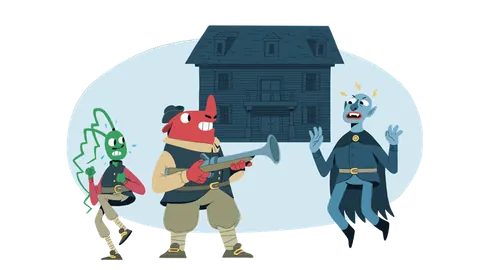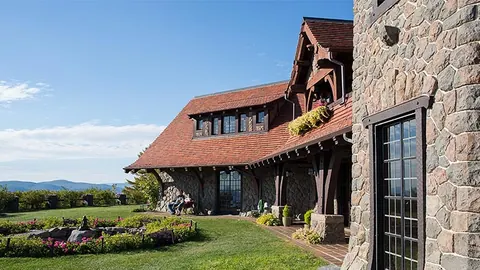
Blood stained furs, trophies from slain enemies, an arrow to the knee that ends a warrior’s days; all things you know Vikings have.This does not capture the life, freedom, or community that the Vikings truly embraced. That’s why we need to take a look at the Viking Architecture that is still inspiring man caves across the country.Let’s sail away and raid these Viking settlements.
Viking Architecture History (and Herstory)
When I think of Vikings I think of Fish. I think of Longhouses. I think of a huge feast after men AND WOMEN were finished with a daily raiding and killing of communities.Is this what the Vikings were all about? No, not at all. They weren’t savages by any means. Just like any culture, they had specific values, community fabrics, and beliefs that they lived for.
When was the Viking Architecture Era?
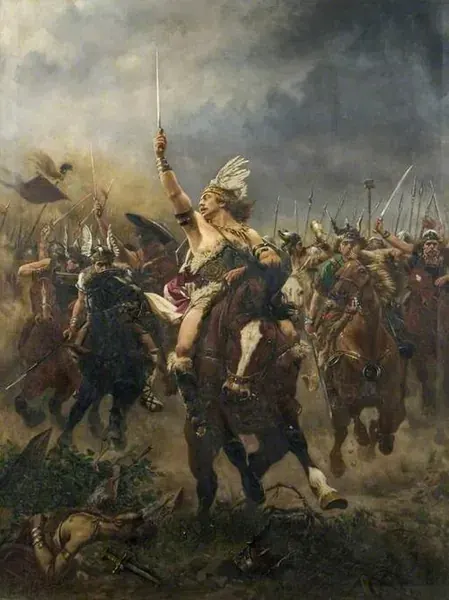
We place the Viking Age at the beginning of the medieval age, from 793 - 1066 C.E.In fact, the Viking age is marked by one event: the Viking invasion of Lindisfarne.I know, it's weird to think of these things happening at the same time. But the Vikings played a large part in European Trade because of their location in Scandinavia, just not a part of the Renaissance.
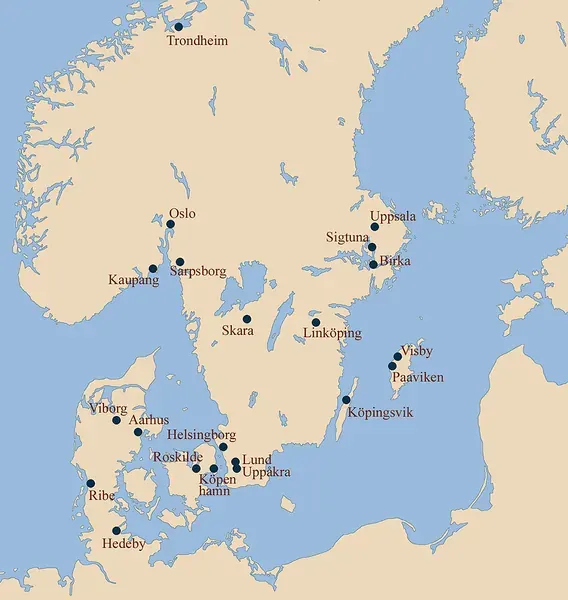
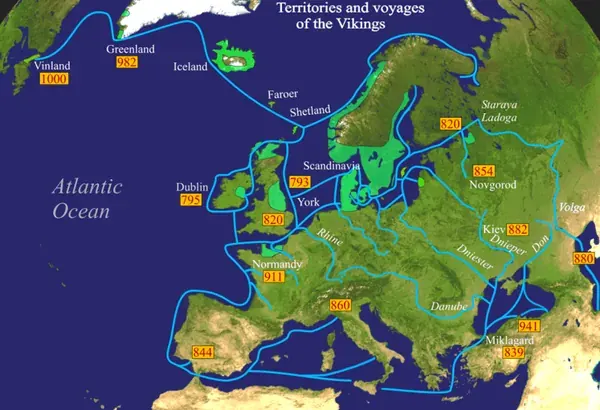
The Viking age was marked by large-scale raids, conquest, and colonization by Norse-men AND women warriors.Yeah, women conquered villages too.These Vikings conquered everything from their homeland, Scandinavia, to all the way across the pond to North America. More specifically they voyaged to and conquered Denmark, Norway, Sweden, the British Isles, Ireland, Iceland, Greenland, Normandy, and Newfoundland (pronounced Nuf-fin-lin).
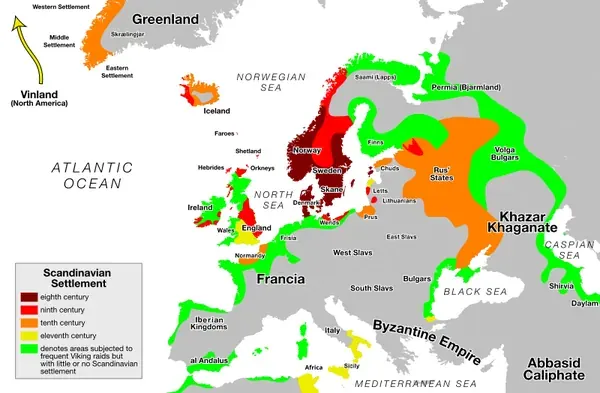
Vikings, like Ragnar Lothbrok, who pushed the Viking kingdoms outside of Scandinavia, did this out of complete free will. They did not even have the centralized form of government that could fund these expeditions, like Britain and Spain did.
Viking Government
The Viking Government was actually a form of democratic government. A very interesting form of Equal Democracy.Everybody truly was treated equally. Seriously. Everything was a vote.In this Democracy, men (or boys over the age of 13) gathered to discuss issues of the community.Every free “man” would vote on all community issues, meaning that in these Viking communities every man was involved in the legislation and judiciary process of communities.This really was an amazing early form of Democracy.Aside from the exclusion of women, people really did control their own community. Not only that, but families were expected to be the communities own executive branch. This means that families did their own policing of their community.
Viking Religion
However, whether you break the law or did not determine your path in the afterlife. Viking Religion was more about whether or not you followed the Viking way of life.
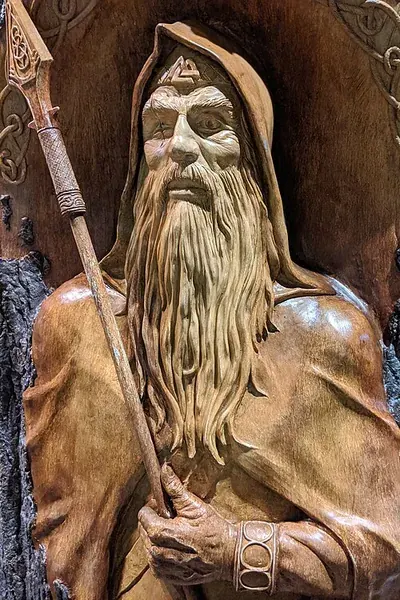
The Vikings believed in many gods, but the most famous of these gods were Odin and Thor. (Yes, that Thor)These gods were parts of two groups Æsir(pronounced Ice-seer) and Vanir which are in an eternal battle.
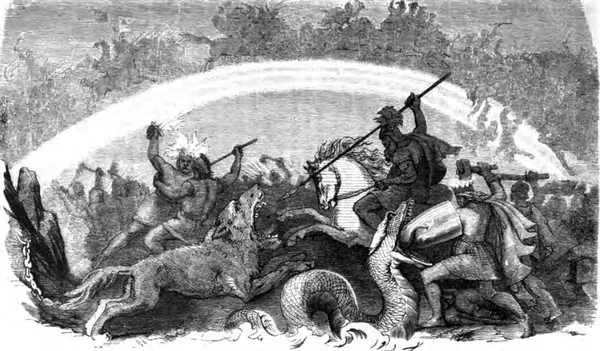
Æsir represents thepower and strengthof a nation. Vanir represents the Health and Wisdom.(By the way, this is all closely related to the Thor, Odin, and Loki, another god in Norse Paganism, that you know from the Avengers)Now, depending on how you die in your earthly life depends on where you fight in your after life.For example, if you die a warrior on the battlefield, then you will go to Valhalla where you will fight alongside Odin. This was by far the most honorable way of dying.However, if you die a dishonorable death then you will go toHel.No, not that Hell, this Hel is a place among the Vanir where you will fight among them.
So, how did religion and government affect the Viking communities we love to recreate?
A Warrior’s Community
Because Viking governments were so decentralized and community based, the settlements of the Vikings were generally extremely small and self-governed.They were also extremely spread-out, making them hard to conquer.There are, of course, BIG exceptions.Let’s start with the small settlements.
Farms
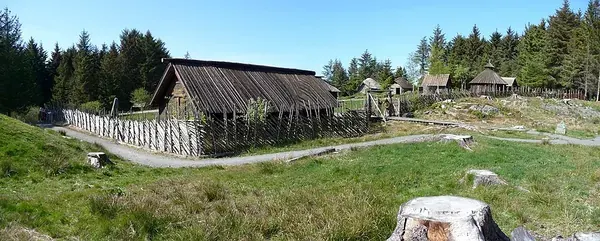
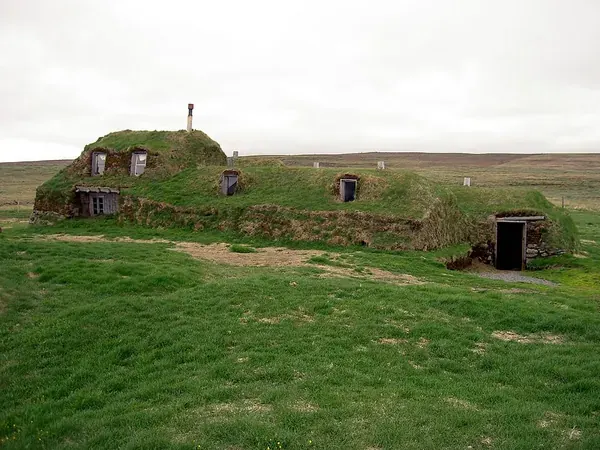
Most small settlements were farms with 1-4 individual buildings. This is the smallest scale of the Viking settlement and was common in Iceland, and northern parts of Scandinavia. These settlements usually included one to two longhouses, and a boathouse.An example of this kind of settlement is Klaufanes in Iceland.
Hamlets
Moving up in scale, the next typical settlement for Vikings were farm villages or Hamlets.
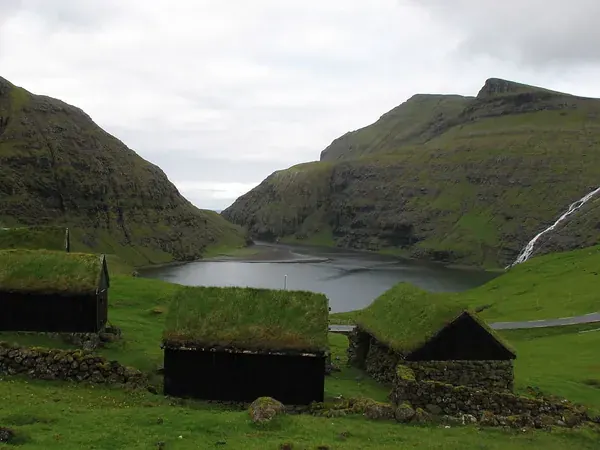
These farm villages were clusters of four or more buildings that were fenced together, including a religious building. Outside of these fences were plains for planting, but mostly for grazing animals. This is where the Viking government thrived. In these settlements, families would gather together in the largest Longhouse for feasting, court hearings, and law making. Then these same families would carry out those laws.
Cities
The Largest of the settlements were Viking cities. These cities operated the same way these small Hamlets did; however, cities did have some urban infrastructure.
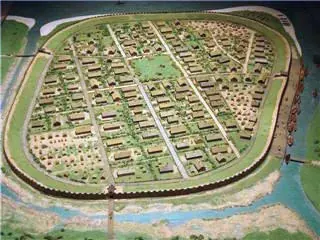
These BIG exceptions, like Hedeby, had homes that were organized actually quite similar to American Neighborhoods. The different longhouses were built off a street. These streets were always timber.
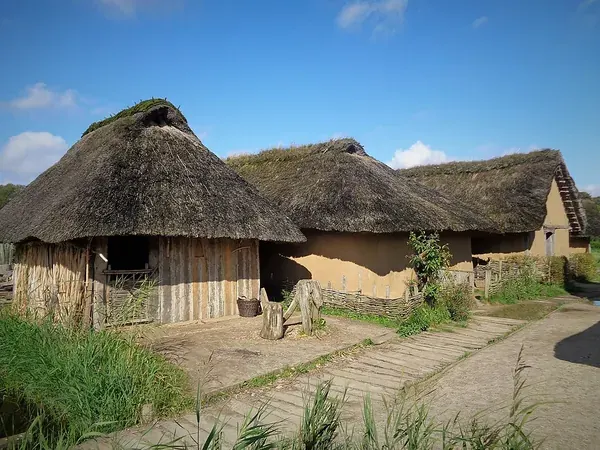
Not only did these cities have streets, but they were also surrounded by absolutely massive fortification walls called Trelleborgs.Although these cities had forts, and finished streets, the buildings that were surrounded by these Trelleborgs all looked the same. What makes these buildings look the same, and the highlight of Viking Architecture is that longhouses housed so many people and had so many different uses than being just a home. So let's look at these individual buildings.
Ancient Viking Architecture
The only things that really changed the universally used Ancient Viking Architecture style was the location of the building. The resources that were directly surrounding Viking building would determine how the building would be constructed.Other than that, the form, the plan, and the use of buildings was pretty much the same. Especially in homes.Oh yeah! If someone was rich, then their home might be a little longer. But that's it. So you have four building types to choose from, Let's dissect them.
Viking Homes and Long Homes
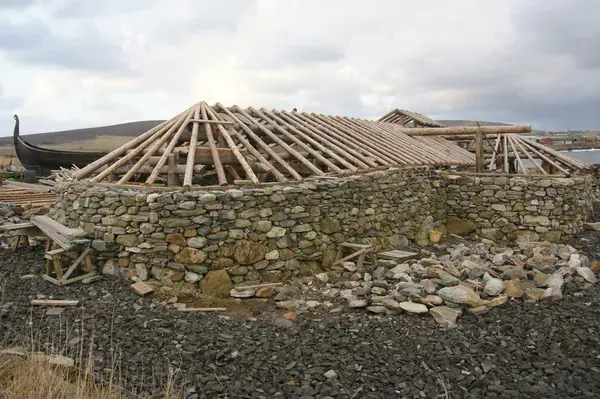
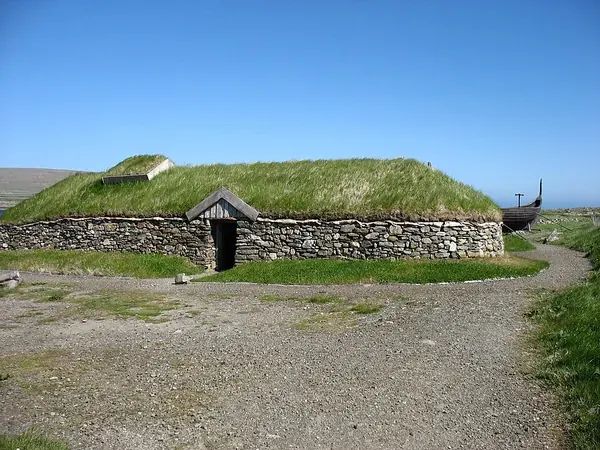
Homes weren’t just places for sleeping, they were places of community learning.Farm Homes and Long houses could house entire families and farm animals. Farm Homes and Longhouses had pretty much the same floor plan for every building. They had:
- Benches and small beds on the long sides of the building. This is where people slept
- Angled buttressing to hold up the roof, sometimes
- Thatched, mud, or wooden roofs. (depending on location)
- One fireplace in the middle of the home
- A hole in the ceiling for smoke to escape
- Rooms in the rear of the homes that stored animals, tools, food, and weapons
- TOILETS! ACTUAL TOILETS!
- A hay or pounded dirt floor
- Animal hides used as blankets and coverings
As mentioned before, the differences in farmhouses depended on the location. Areas with hardly any trees still used a wood roof structure on top of a stone foundation. However, the walls would be infilled with mud and turf held in place with grass.
Locations, like Ireland, with wood and open space used Wattle for their homes. Wattling is basically a wall made from branches woven between vertical wooden pieces.
Lastly, Forests like northern Russia had so much wood that Vikings could create walls out of entire logs.
These truly were the most sustainable homes to date!Farm houses were used for storage, eating, family gathering, sleeping, and working.Longhouses were built exactly the same as farm houses, but could house 30-50 people. Longhouses would also host feasts, and community meetings. As well as acting as a farmhouse.
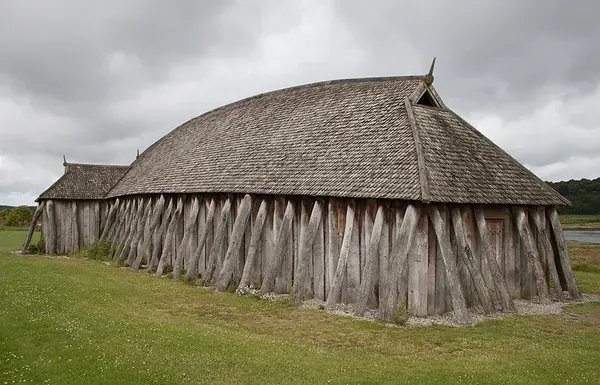
You could call it amulti-unit complex!
Viking Boathouses
Viking Boat Houses were just like Longhouses. (I guess they are “Houses” after all)Viking Boat houses were extremely important and the Viking had not only super long boats, but also had astrong reputation for their sea powerand sea expeditions.
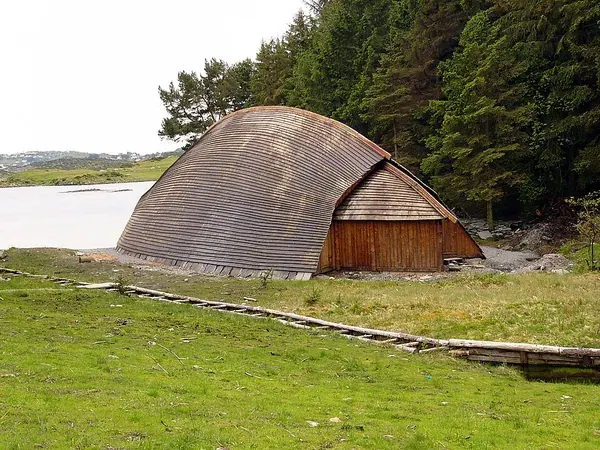
Just like longhouses, Boat houses had the same large roof, and small walls. But Boat Houses are only one room, and it has to be big enough for their giant boats.
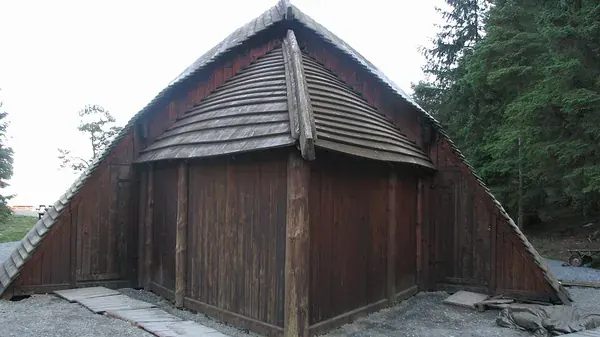
In order to store these giant boats so that the Vikings could easily sail, Boat Houses are located on the shore; sometimes partially in the water.
Religious Buildings
Religious buildings were quite different from the rest of the buildings, and THEY ARE MAGNIFICENT.But they have to be to please Thor, right?The Vikings actually were Christian too. Towards the end of the Viking Age, Scandinavia went through a Christian take over. This is seen in their religious architecture of course.For example, Norse Paganism buildings had:
- Multiple level thatched or wooden roofs
- Pointed roofs
- Wooden walls
- Exterior decorated with Celtic and Norse symbols
- Stored weapons taken from defeated enemies
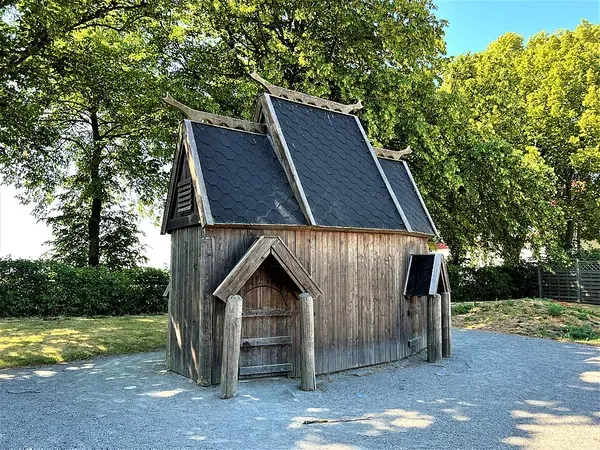
The application of the exterior decoration is important because most rituals, animal sacrifices, and religious gifts were done or placed outside of the buildings. There was very little decoration on the interiors of these buildings.This was not the case for Christian Viking buildings which had:
- Multiple thatched or roof walls
- Pointed roofs
- A steeple that topped the center of the last roof
- Wooden walls
- Vertical interior space
- Crosses that topped the roofs
- Interior depictions of Bible stories
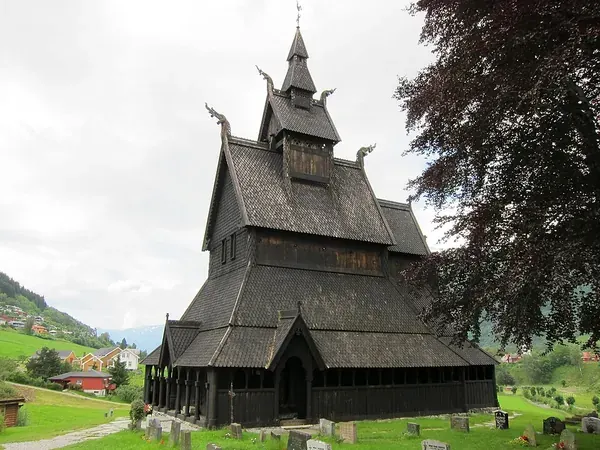
This big shift from exterior decoration and interior decoration is really the only difference between the two religious building types. There is a theme here of course: All Viking Architecture Is Similar. Well of course, not including the Trelleborgs.
Fortification Architecture
The only real evidence of fortification type architecture is the Viking Trelleborg. Like all large cities during the Medieval Times, they needed an exterior wallto keep out other pilagers and colonizers. Trelleborgs were amazing because they were built in almost perfect circles and were MASSIVE.
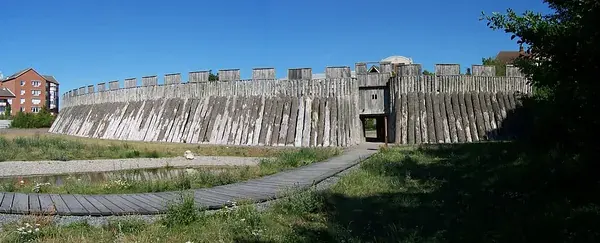
Talk about some early engineering.These walls were either made out of massive logs or were giant grass hills that hugged the city center.
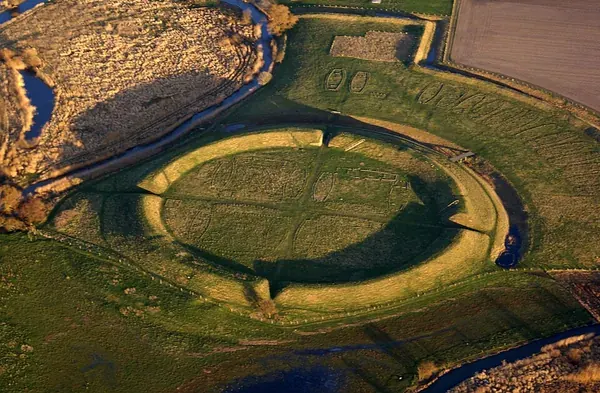
But these Trelleborgs were only for large cities like Hedeby. For all the other small settlements, wattle fencing did just fine.The Viking were not creative people with their 4 different building types. Yet, they sure were efficient in the use of space, something we architects need to do better.Do architects still design in a “Viking Style”?
21st Century Vikings
The Viking style of architecture is still heavily used and looked after in interior design especially.Not only that, but Vikings are still reenacted and part of our videogames, movies, and tv shows.
Modern Viking Architecture
Modern Viking homes and Viking Architecture is seen as a popular trend in the interior design world.
People still love the tall, large ceilings, and the especially warm fireplace.
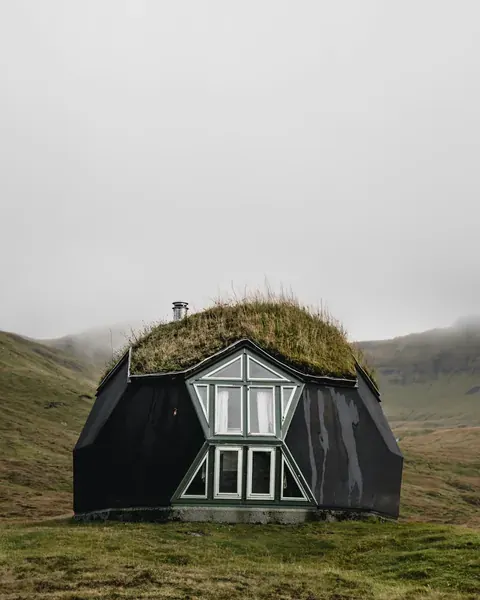
People also strive for the coziness of the Viking Longhouse by incorporating warm colored wooden furniture and veneers, and animal furs as rugs, table decoration, and wall decoration.Viking Architecture is also rebuilt in a way to preserve the Viking style.Since many Viking buildings have withered away to foundations and fireplaces, many longhouses, and boathouses have been rebuilt to recreate the Viking community.
Viking Reenactments
Just like Renaissance festivals, the Viking lifestyle is also reenacted to preserve the lifestyle.
People Fight, Tell folk stories, feast,and hold community democratic meetings.
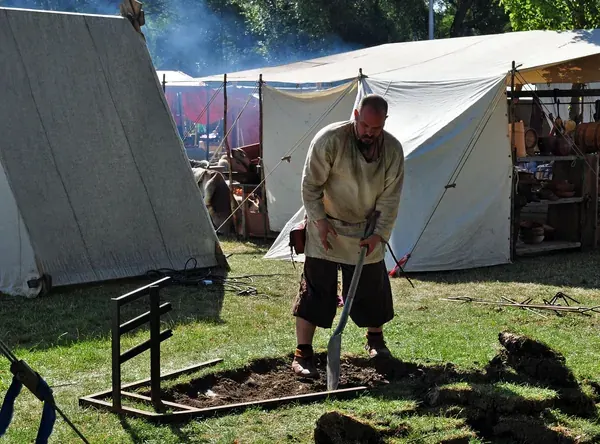
Of course we could never reenact the brutal killings of the Vikings battles completely, we can reenact their cozy, folklore themed fireplace gatherings and feasts.
Vikings in Popular Media
The lifestyle of the Vikings has been remade for millions to see since the start of Marvel Comics.The story of Thor, Loki, and Odin fighting for Asgard is a very real part of Norse Mythology and Paganism.
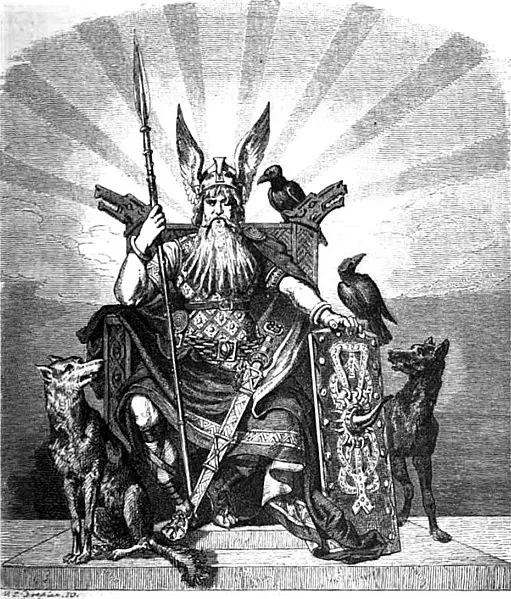
Like it's scary how accurate the comics are to Norse Mythology, good for Marvel!Not only is Norse Architecture and lifestyle recreation huge in our blockbuster movies and popular comics, but even our video games like Skyrimare Viking inspired.
You can’t tell me you can take one look at Whiterun and not think of Viking Architecture after reading this article.However, the largest and actually most accurate portrayal of the Viking age and Architecture is the show Vikings.
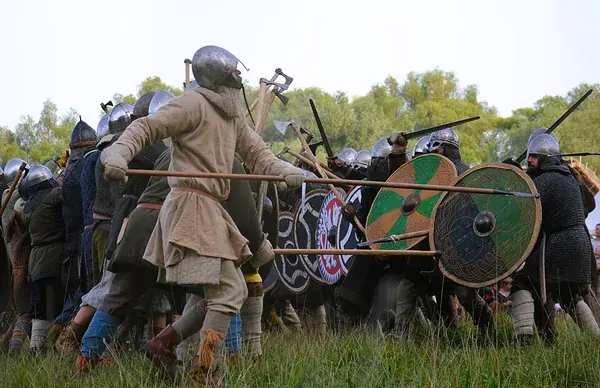
This architectural style is recreated well, the government is portrayed well, and even the battles are portrayed well, featuring women warriors!Something that's accurate to the Vikings, but often not expressed.
It turns out, with all the brutal pillaging and amazing conquests, the Vikings can create a pretty cozy and resourceful space.So next time you see Viking Architecture in Skyrim or the newest Elder Scrolls 6 Online, the show, or even Viking man caves think about just how real Viking Architecture is and how unique this style is. So how will you live in the Viking Era? In Skyrim, Vikings, or actual reenactment?
Rhino for Architects Course
Give your architectural skillset a major boost with the Rhino for Architects Course. Get over 60 hours of focused training tailored specifically for architects. Master commands and techniques to model, render, and animate architectural visualizations at the highest level. Click below for more information and watch your designs come alive!