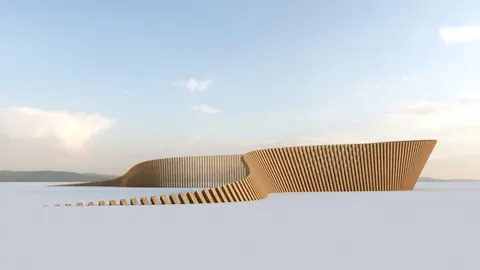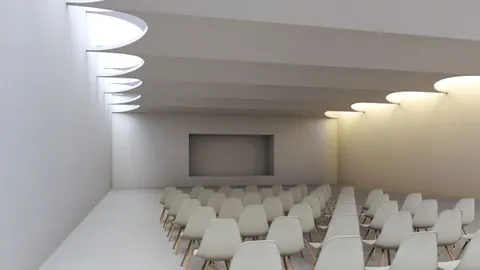
Concept 357 is a unique and exciting architectural design that has been gaining popularity recently. With its flowing curves and intricate shapes, it can seem daunting to model in 3D software like Rhino. However, by following some simple steps, you can easily model Concept 357 and bring this innovative design to life.
Overview of Concept 357
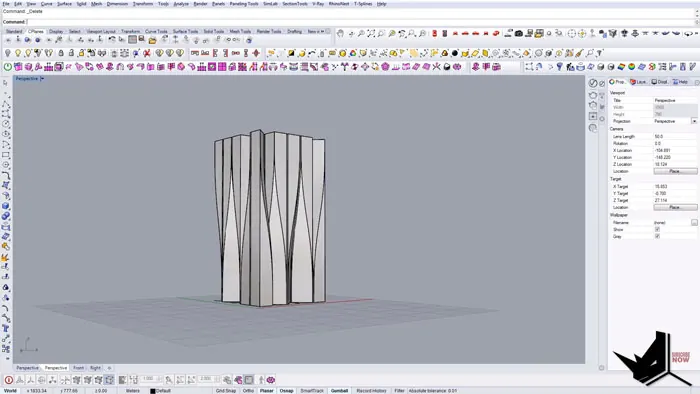
Concept 357 features stacked cuboid forms with curved indentations that create a sense of motion and energy. The smooth slopes and edges give it an organic, futuristic look. This building concept was originally designed by architect Eero Saarinen in the 1950s, but has seen a revival lately among contemporary architects.
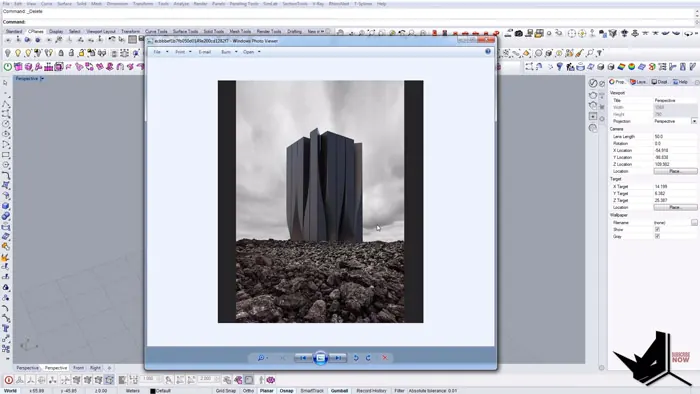
Modeling the distinctive shapes of Concept 357 in Rhino does take some skill and practice. But it mostly involves clever use of common commands like Extrude, Sweep, and Mirror. With the right approach, the process is quite manageable.
Step-by-Step Modeling in Rhino
Follow these steps to model Concept 357 in Rhino:
Set up the initial grid
The first step in Concept 357 modeling is to create a rectangular grid using Polyline. This will form the basic footprint of the building. Copy and rotate rectangles to create the grid of stacked forms.
Model the curved edge
On one cuboid, draw the top curved edge using the Curve command. Align it properly using SetPts. Mirror this edge to the other side.
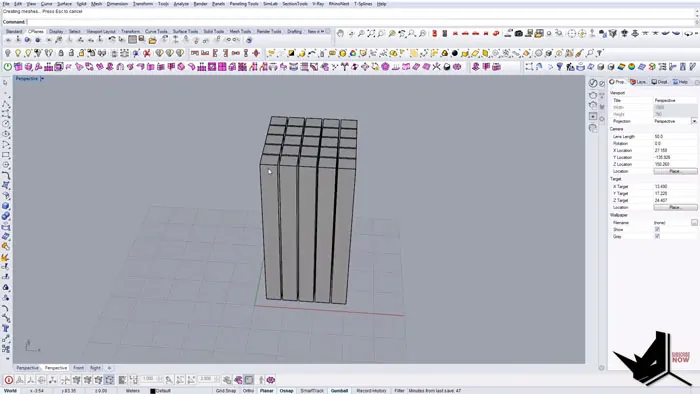
Complete the basic shape
Join and trim the edges to finish the basic sloped shape.
Add depth
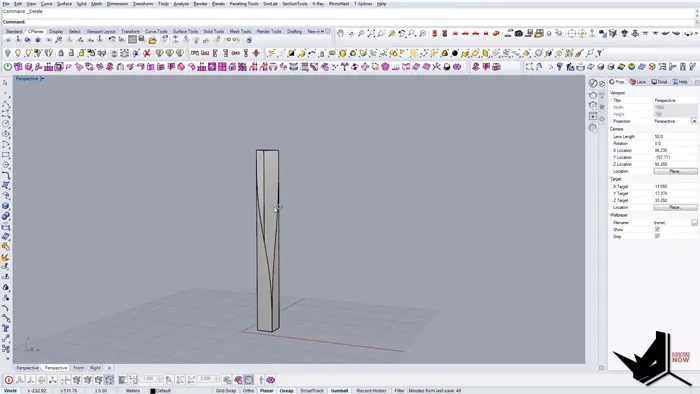
Use the Sweep command, with the edges as rails and a rectangle as the cross-section. This will create the 3D curved form.
Duplicate and transform shapes
Now duplicate the basic module and rotate, mirror, and flip it to construct the other pieces, referring to the original concept.
Tips for Concept 357 Modeling
Here are some additional tips for smoothly modeling Concept 357 in Rhino:
- Use reference images for accuracy
- Build symmetrically for efficiency
- Check profiles in different views as you model
- Use display modes like Shaded to visualize
- Adjust control points on curves to refine shapes
- Group components once created to keep organized
Why Learn Concept 357 Modeling
Mastering Concept 357 is a great learning exercise for enhancing your skills in Rhino for several reasons:
- Teaches curve manipulation for organic shapes
- Gets you comfortable with transform tools like Mirror
- Lets you practice intricate surface modeling
- Develops attention to detail for complex designs
- Allows modeling interesting, contemporary architecture
So learning how to model this iconic design pushes your abilities with the Rhino toolset to create freeform geometric forms. It's a valuable addition to any architecture student or designer's modeling portfolio.
Conclusion
In summary, Concept 357 modeling in Rhino is approachable when you break it down into clear steps:
- Set up grid
- Make curved edge
- Complete shape
- Sweep for depth
- Duplicate and transform
With some practice, you'll be able to recreate the hypnotic curves and sloped forms accurately and efficiently. This will expand your Rhino skills for modeling complex shapes in modern architecture. Just follow the techniques outlined here, and you'll be modeling Concept 357 like a pro in no time.
Rhino for Architects Course
Give your architectural skillset a major boost with the Rhino for Architects Course. Get over 60 hours of focused training tailored specifically for architects. Master commands and techniques to model, render, and animate architectural visualizations at the highest level. Click below for more information and watch your designs come alive!