
Architectural design and modeling have seen a revolution in recent years. One of the milestones in this domain is the Crown Hall by architect Ludwig Mies van der Rohe. This project has gained popularity because of its detail-oriented and precision-based results. If you are keen to master Crown Hall Modeling, you're in the right place.
Introduction
Modeling the Crown Hall isn't just about bringing together bricks and mortar. It's about shaping the future of architectural design with precision. This project stands as a testament to how architectural marvels can be created when the right tools and techniques come together. A good starting point is understanding the software and methodology involved.
Crown Hall Modeling: Set Up
For starters, modeling this project is all about modularity. Once you create a single module, this can be replicated throughout the structure, saving you time and ensuring symmetry. Consider this module as your foundation stone, upon which everything else will stand.
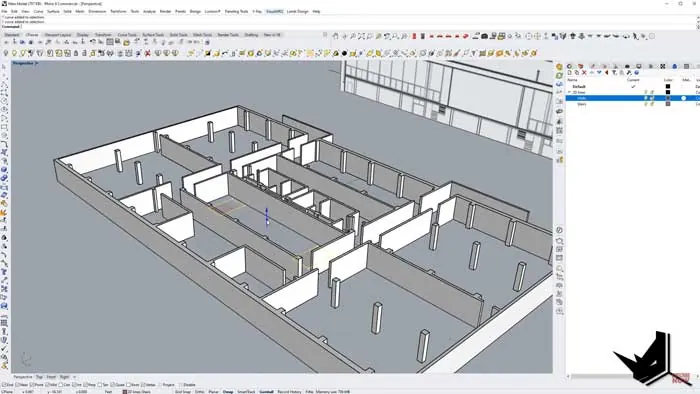
Geometry and Positioning
To create our base structure, we can create a simple "I Profile" for beams. We'll continue the modeling process by trimming the geometry and positioning in the appropriate place. We can then replicate the base geometry every 10 feet.
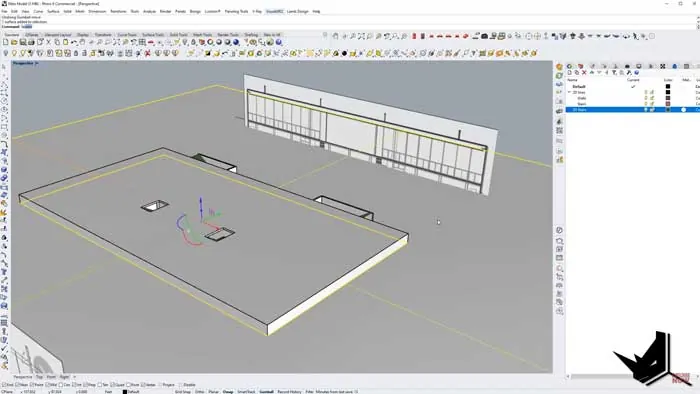
Scaling and Adjusting
Often, when replicating modules, you might find them oversized. Using scaling tools, you can adjust these modules. For instance, a scale of 0.3 could help in reducing the size of beams, ensuring they fit perfectly into your model.
Advanced Structures
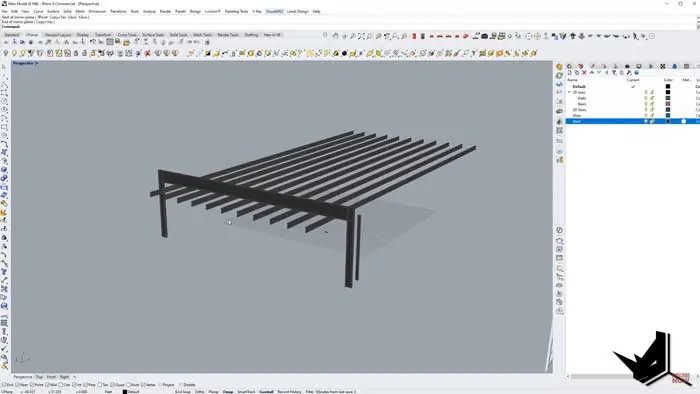
The highlight of the Crown Hall Modeling is creating intricate structures like the beam. These beams, positioned at every 40 feet or so, play a crucial role in bearing the load of the building. They are generally thicker and more prominent than the other beams and are placed perpendicular to distribute weight effectively.
Crown Hall Modeling: Final Touches in Grasshopper
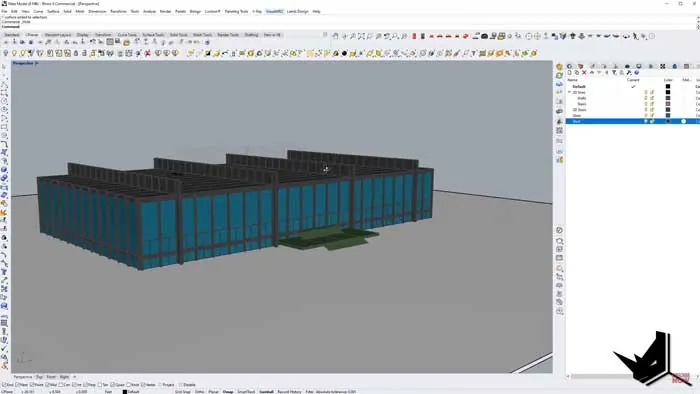
Once your main structure is in place, focus on the details. Whether it's adding a roof, creating stairs, or adjusting heights, every little element matters. Tools like Grasshopper offer advanced functionalities like auto-generating stair definitions which can significantly ease the process. You can set parameters like height, direction, and thickness to automatically generate stairs, fitting them perfectly into your model.
Conclusion
Whether you're an architect, a student, or an enthusiast, projects such as Crown Hall Modeling can significantly elevate your designs. With the right tools and a keen eye for detail, you can create architectural masterpieces that stand the test of time. Remember, in the world of architecture and design, it’s the details that make all the difference.
For those looking for structured learning, our online courses delve deep into Rhino and Grasshopper. These programs offer insights into parametric modeling, organic modeling, rendering, and project presentation.
Rhino for Architects Course
Give your architectural skillset a major boost with the Rhino for Architects Course. Get over 60 hours of focused training tailored specifically for architects. Master commands and techniques to model, render, and animate architectural visualizations at the highest level. Click below for more information and watch your designs come alive!

![Modeling Tesla Cybertruck in Rhino [Quick 3D Tips - part 1]](/images/blog/featured/variants/modeling-tesla-cybertruck--related-card.webp?cb=seo-meta-20260227-164423)