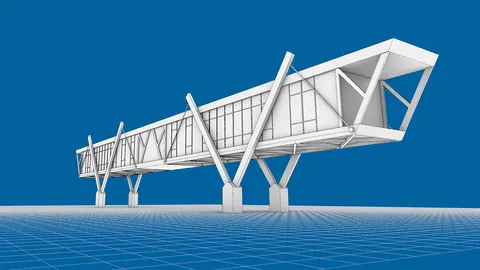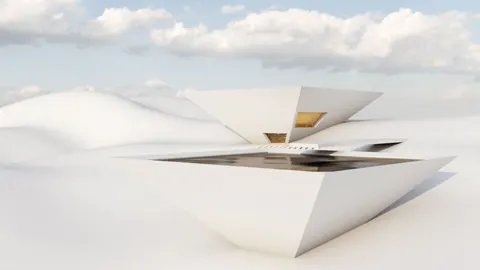
In today's tutorial, we ventured deep into the engaging world of Rhino to create a detailed model of a “Cabin Concept” designed by the remarkable architect John Demaio, a partner at Foster and Partners. Before we delve into the minutiae of this captivating project, I invite readers eager to get into architectural modeling to visit Mr. Demaio’s website, an abundant source of inspiration featuring futuristic concepts and his visionary approach to life on other planets, like Mars.
Modeling Cabin Concept: Setup
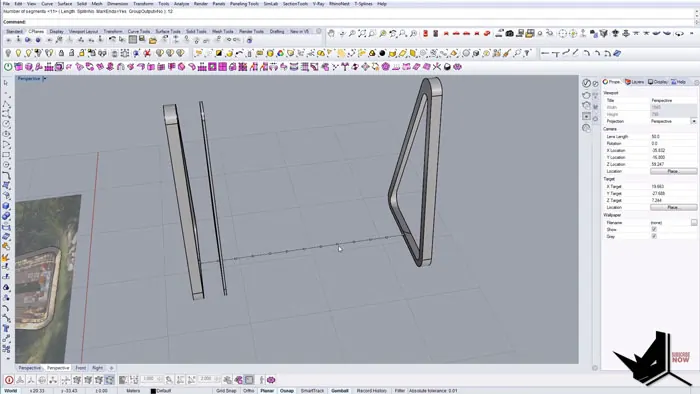
The creation of this model initiates with the importation of a reference image into Rhino. The primary step involves tracing over the essential lines, utilizing the polyline tool to maintain a keen focus on the desired direction, and using the tab key to lock it in. Attention to detail is paramount here, ensuring the alignment is precise and the mirror effect is symmetrically replicated on both sides.
Developing the Core Structure
Delving deeper into the structural build, the circle tangent to three curves tool comes into play, assisting in achieving smooth fillets and consistent transitions between curves, setting the groundwork for the main area of the concept. This process unveils cool techniques to bring the model to life, like using the alt and shift keys for optimal offsetting.
Finer Details: Mullions and Membranes
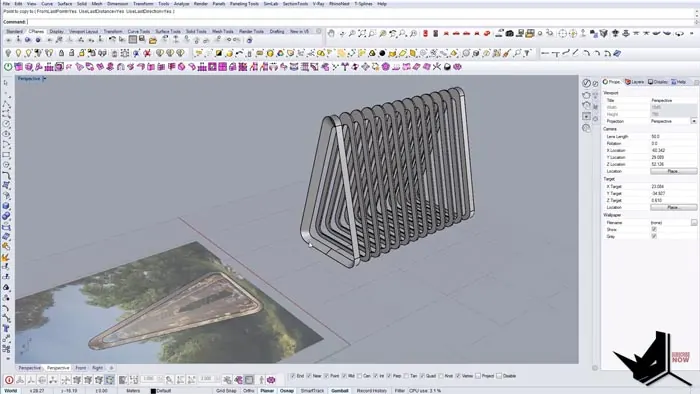
As we proceed, we encounter the fascinating process of modeling the mullions and the membrane that envelops the cabin, constructing an intricate network of lines that will further define the structure. The extrusion edge tool becomes indispensable here, helping us delineate curves for the sweep two command, subsequently furnishing us with our first segment, which is mirrored to reflect on both sides.
Perfecting the Geometry
The model gradually takes a three-dimensional form, showcasing the concept's dynamism and presenting opportunities to refine it further with precise offsets, adjustments, and creating sub-construction to delineate inner panels, thereby bringing a semblance of reality to the concept.
Crafting the Floor and Mullions
As the structure gains ground with a well-defined floor created through extruding curves and duplicating edges, the cabin concept begins to reveal its remarkable architecture. The integral part here is getting the segments right, emphasizing functionality while adhering to the aesthetic design envisaged by Joan Ademaya.
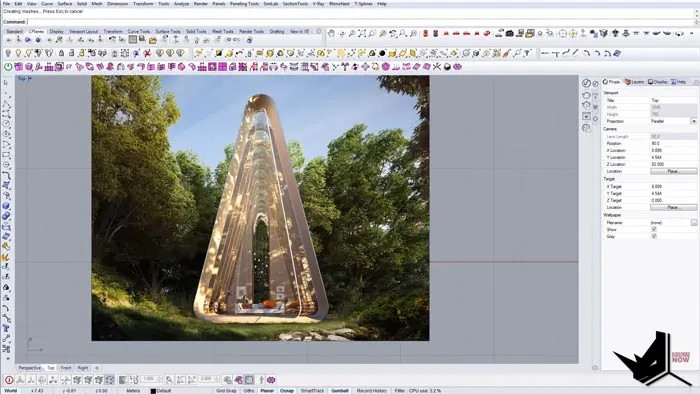
Next on our agenda is the meticulous process of crafting the mullions, a crucial element that contributes substantially to the cabin's aesthetics. Careful counting, dividing, and copying of segments facilitates the creation of an exact grid that paves the way for the mullions. Here, creativity meets precision as we endeavor to bring the envisioned concept to reality, embodying a seamless blend of artistic ingenuity and architectural brilliance.
Final Touches: Creating the Membrane
The pinnacle of the tutorial unfolds as we undertake the creation of the membrane that graces the top of the cabin. Derived from the earlier structural curves, a seamless overlay forms, adding a futuristic touch to the structure. This detail not only enhances the cabin's visual appeal but also exemplifies modern architectural concepts, bringing the “Modeling Cabin Concept” to a close with a sophisticated and avant-garde design.
Bringing the Cabin Concept to Life
Our journey in the Rhino environment, conceptualizing and actualizing John Demaio’s cabin concept, draws to a fulfilling conclusion here. Through detailed processes involving a series of advanced techniques and tools, the “Modeling Cabin Concept” stands tall, bearing testimony to a harmonious marriage between architectural brilliance and modern design.
Emerging from a simple traced outline to a sophisticated 3D model adorned with detailed mullions and an iconic membrane structure, the project encapsulates a learning journey for budding architects and design enthusiasts. The tools and techniques showcased in this tutorial offer a glimpse into the exciting world of architectural modeling, providing a solid foundation for aspiring individuals to embark on their creative journeys.
Conclusion
Armed with knowledge and insights from this Rhino tutorial, you can now explore the limitless potential that the field of architectural modeling offers. Whether you are a seasoned architect or a passionate hobbyist, this “Modeling Cabin Concept” tutorial has something to offer for everyone, ushering you into a world brimming with creativity and limitless possibilities.
Let your imagination soar as you take your first steps in the exciting world of architectural modeling, with the “Modeling Cabin Concept” serving as your guiding light. Stay tuned for more tutorials that will fuel your creativity and broaden your horizons in architecture and design.
Rhino for Architects Course
Give your architectural skillset a major boost with the Rhino for Architects Course. Get over 60 hours of focused training tailored specifically for architects. Master commands and techniques to model, render, and animate architectural visualizations at the highest level. Click below for more information and watch your designs come alive!