In the world of architecture, creating spaces that inspire and endure is a pressing challenge. HOK Group, Inc. stands out as an innovative leader in this quest, with a rich history dating back to 1955.
This article will explore how HOK's designs shape our cities and influence global trends in sustainable architecture. Dive into the story of design excellence that reaches every corner of the globe.
Key Takeaways
- HOK Group, Inc. started in 1955 and grew into a big design company, known for making special places all over the world.
- They build many kinds of buildings like stadiums, research centers, and hospitals that look good and are good for the Earth too.
- HOK uses ideas from nature to make smarter buildings which save energy and water, helping our planet stay healthy.
- Their work has won important awards that show they're really good at designing buildings where people can do great things.
- HOK is planning more cool projects for the future that will help cities be better places to live while taking care of nature.
Company History and Evolution
Tracing its roots back to the mid-20th century, HOK Group, Inc. emerged as a beacon of innovation and design excellence, cementing itself as a pivotal player in shaping modern architecture's narrative.
Through strategic expansion and adaptation over the decades, HOK has continuously redefined industry standards by integrating diverse disciplines under one visionary ethos.
Founding Figures
George F. Hellmuth, Gyo Obata, and George Kassabaum started HOK in 1955 after studying architecture at Washington University. They set up their company in St. Louis, Missouri, and brought together a team of 26 people to work with them on their first projects: designing schools for nearby suburbs.
These three architects built the foundation of what would become one of the most respected design companies around the world.
Their early work helped shape Missouri architecture and showed off their skills to many potential clients. Each founding partner contributed unique strengths to their architectural practice, making HOK known for creating spaces that stand out and serve people well.
Together they built a St Louis-based firm that has grown into an international leader in design excellence.
Early Projects
THOK Group, Inc. started shaping spaces back in 1955. The founding architects aimed to make places that brought people together and helped them thrive. Here's a look at the early projects that set the stage for HOK's global impact:
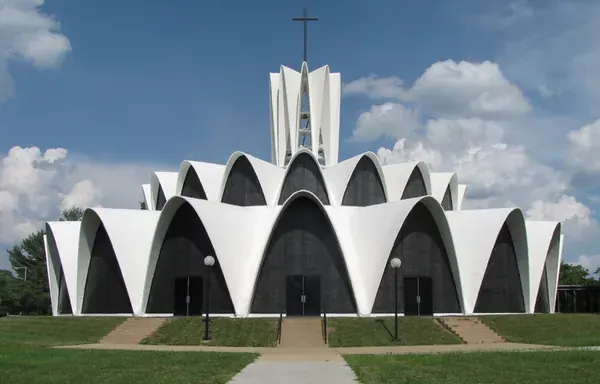
- The Priory Chapel in St. Louis: With its unique and innovative design, this chapel became an important part of HOK's early portfolio and showcased their talent for blending form with function.
- St. Thomas Aquinas High School: Another suburban school project that highlighted the firm’s commitment to creating environments for growth and development.
- Houston Galleria: This large-scale retail complex demonstrated how HOK could handle big projects effectively, mixing shopping and entertainment into one space.
- National Air and Space Museum: A landmark project, this museum required an understanding of both educational and public space use, showing off the firm's versatility.
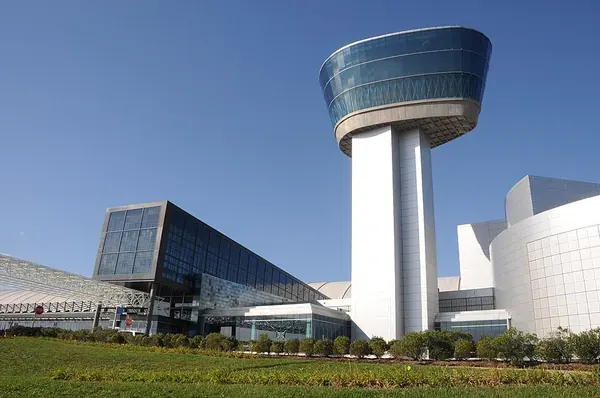
Recent Projects and Achievements
In 2023, HOK Group, Inc. solidified its position as a leader in innovative architecture with groundbreaking projects that redefine the built environment and facilitate cutting-edge research.
From sports venues to scientific hubs, their diverse portfolio showcases an unwavering commitment to excellence and ingenuity in design.
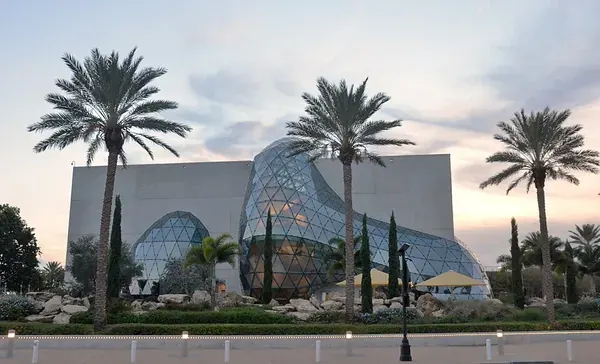
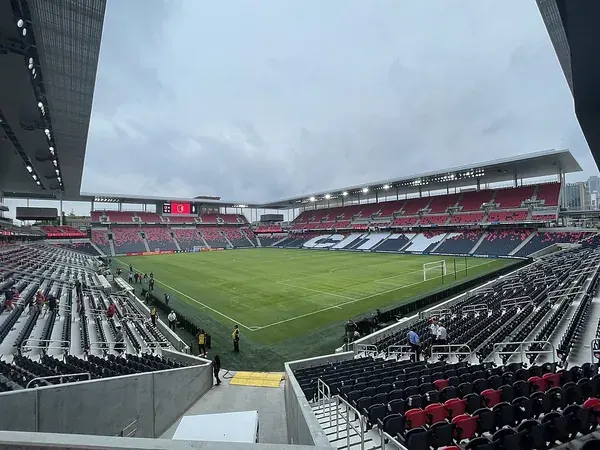
CITYPARK Stadium
CITYPARK Stadium stands out as a shining example of HOK Group's skill in sports venue design. This stadium is not just a place for games; it also serves as an entertainment complex that draws people from all around.
Its creation highlights how HOK merges architectural design with sustainable construction to make remarkable spaces.
The stadium reflects the group's dedication to environmental impact and urban development. The use of eco-friendly materialsand methods shows architects everywhere that big projects like CITYPARK can be both amazing and kind to our planet.
This work adds to HOK’s reputation for top-notch international projects, showing their strong influence in architecture today.
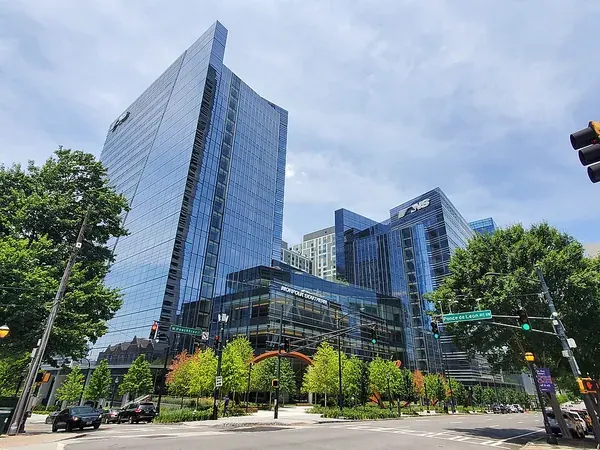
Norfolk Southern Headquarters
Located in the heart of Midtown Atlanta’s vibrant Tech Square, the new Norfolk Southern Headquarters represents a transformative shift in corporate campus design led by HOK.
Completed in 2021, this striking 750,000-square-foot facility consolidates the Fortune 500 railway company’s operations into a unified, vertical urban campus. The architecture features two glass towers of varying heights connected by a multi-story central hub, a design choice specifically engineered to foster cross-departmental collaboration and innovation.
HOK’s vision for the project prioritized employee well-being and environmental stewardship, resulting in a building that achieved LEED Gold certification. The headquarters offers modern amenities, including a rooftop terrace, a childcare center, and expansive open workspaces that replace traditional corporate silos.
By merging advanced workplace strategy with sustainable architecture, the Norfolk Southern Headquarters stands as a cutting-edge model for the future of the office, blending the company's industrial heritage with a tech-forward future.
UPMC Mercy Pavilion
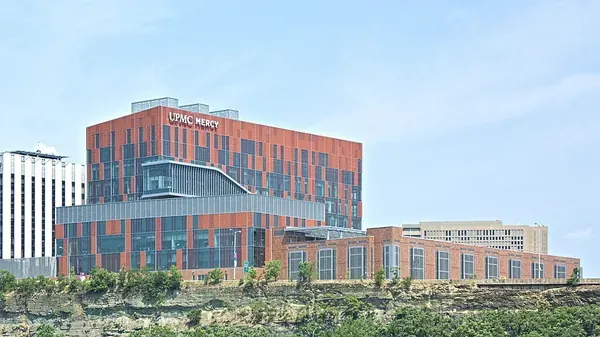
The UPMC Mercy Pavilion in Pittsburgh is a standout example of how HOK Group, Inc. blends medical needs with architectural innovation. This new wing of the UPMC Mercy hospital was designed as a place where patients can get top care.
It shows the power of buildings to change health and healing.
HOK made sure that the pavilion would not only look good but also be good for the Earth. They used ideas from nature to make spaces that feel calm and help people heal faster. The building stands out for its modern design and smart use of space.
The pavilion won a big award, too—the 2023 Urban Land Institute Pittsburgh Healthy Place Award. This prize tells everyone that when you build something with care, both people and cities get better.
Mercedes-Benz Stadium
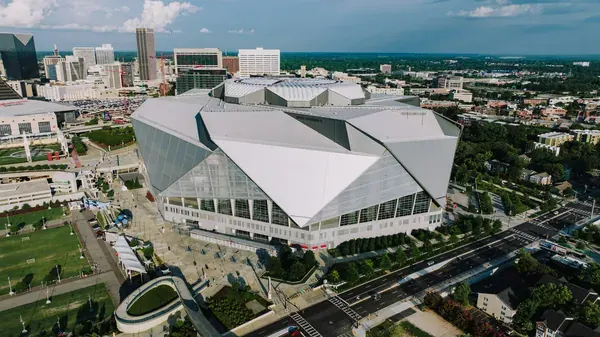
Redefining the skyline of downtown Atlanta, Mercedes-Benz Stadium stands as a pinnacle of modern sports architecture designed by global firm HOK. Opened in 2017, this iconic venue serves as the home turf for the NFL’s Atlanta Falcons and MLS’s Atlanta United FC.
HOK’s revolutionary design is best known for its signature ocular retractable roof, featuring eight ETFE petals that open and close like a camera aperture. Inside, the stadium offers an immersive experience with its massive, 360-degree Halo Board, the largest video board of its kind in professional sports.
Beyond its technological marvels, the project is a trailblazer in sustainable stadium design, becoming the first professional sports venue in the U.S. to achieve LEED Platinum certification.
By integrating advanced water conservation systems and energy-efficient engineering, HOK has delivered a world-class facility that balances environmental responsibility with an unparalleled fan experience.
LaGuardia Airport Central Terminal B
HOK Group, Inc. has made its mark at Penn State University with impressive construction projects that showcase architectural innovation and design excellence. The firm's work on the campus stands out for its creative endeavors and reflects a strong commitment to sustainability efforts.
Their projects at Penn State are not just buildings; they're academic achievements that foster research advancements and encourage collaborative initiatives among students and faculty.
HOK's influence is seen in these spaces where future engineers and designers learn and grow. The recognition of their work by winning the AIA Philadelphia Design Award speaks volumes about their impact on education environments through thoughtful architecture.

Architectural Style and Design Philosophy
HOK Group, Inc. is renowned for its innovative approach to architectural design, emphasizing sustainable solutions that integrate seamlessly with the natural environment. Their design philosophy embodies a fusion of cutting-edge technology and respect for ecological principles, resulting in spaces that enhance both human experience and environmental stewardship.
Commitment to sustainable and innovative design
HOK champions green building to protect our planet. They craft spaces that are kind to nature, using less water and energy. Their designs think ahead, ready for the future. HOK also picks materials that do well for the environment.
Innovation is at the heart of how HOK thinks. They look at nature for ideas and make buildings that fit with their surroundings. This means creating places where people can work together and feel good, always keeping in mind local traditions and the bigger world picture.
Biomimicry design principles
HOK Group, Inc. teams up with the Biomimicry Group to make buildings that are smart like nature. They look at how plants and animals live to get ideas for making places where people can do their best work or feel good living in them.
For example, they might design a building that gets cool air the way termites keep their homes cool. Or, they could create spaces that use rainwater in clever ways just like some leaves collect water. This is called biomimetic architecture.
These ideas help HOK make buildings that don't harm the earth and cost less to run because they use sunlight, wind, and other natural things instead of machines all the time. Their designs also bring nature inside so people can see green plants and natural light which makes them happier and healthier while inside these beautiful buildings.

Famous Projects
HOK Group, Inc. has etched its name in the annals of design with a portfolio that showcases landmark projects, each embodying innovation and the company's influential architectural signature.
These structures are not just buildings but have become iconic symbols in their locales, demonstrating HOK's commitment to excellence and their profound impact on global architecture.
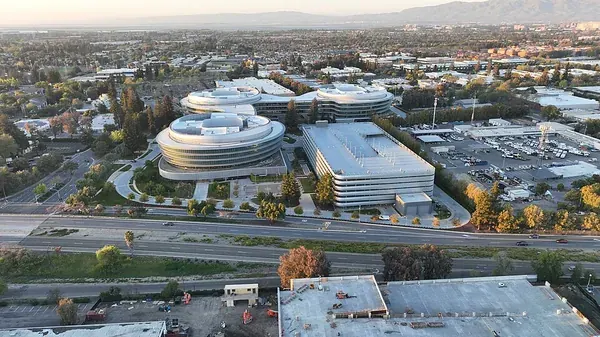
Central + Wolfe Campus
The Central + Wolfe Campus stands as a landmark of modern architecture in Sunnyvale, California. It showcases HOK's power to blend sustainability with cutting-edge design. Opened in 2001, this campus is one of HOK Architects' top 15 projects. Its innovative spaces echo the firm's dedication to making places that inspire people.
This impressive development goes beyond typical urban construction. The team used green building methods to lessen harm to our planet and focused on creating an environment-friendly design that fits into its surroundings well.
Architects admire the campus for turning sustainable practices into a central part of its structure, proving eco-friendly construction can be beautiful and functional at the same time.
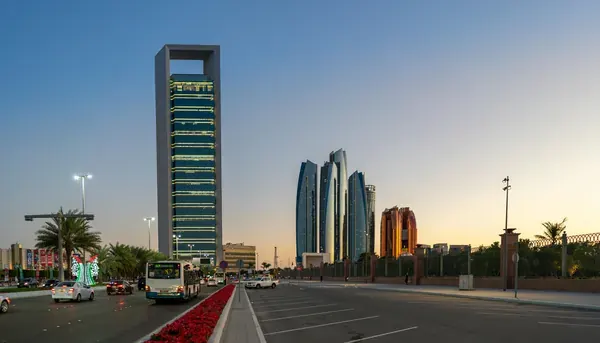
Abu Dhabi National Oil Company Headquarters
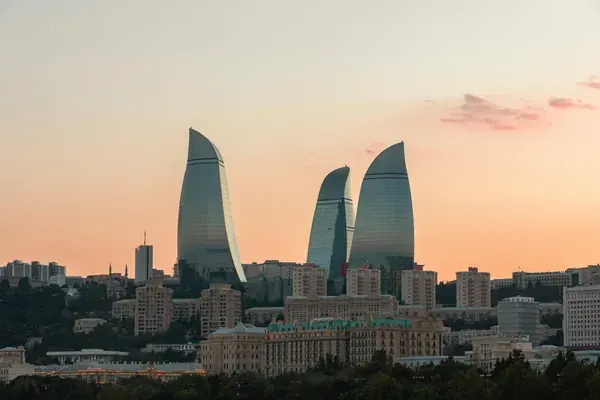
Abu Dhabi National Oil Company made a big splash with its headquarters in the heart of Abu Dhabi, United Arab Emirates. Built in 2005, this building is more than just an office for oil experts.
It's a place that shows off HOK's love for new ideas, caring for the environment, and making spaces that lift people's spirits.
They crafted this cool space to encourage people to work well together and feel good while doing it. The design also pays tribute to the area's culture and nature. This isn't just any building; it stands out as a symbol of how we can build mindfully and beautifully.
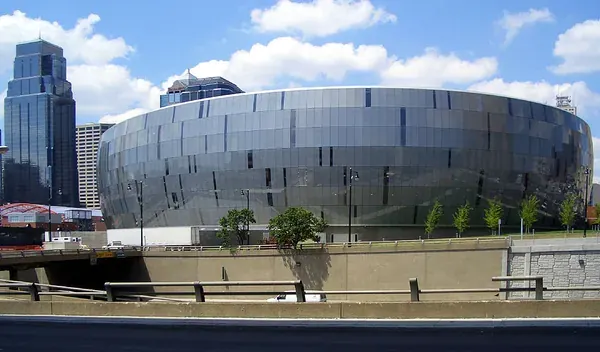
T-Mobile Center
Serving as the glittering jewel of downtown Kansas City, the T-Mobile Center (formerly Sprint Center) is one of the Midwest’s premier entertainment venues. Opened in 2007, this architectural landmark was designed by the Downtown Arena Design Team, which included 360 Architecture, a firm acquired by HOK in 2015 to establish its current Sports + Recreation practice.
The arena is instantly recognizable by its signature "crystal bowl" aesthetic—a transparent, 360-degree glass façade that reflects the sky and creates a visual dialogue between the event energy inside and the city outside.
As the anchor of the vibrant Power & Light District, the 18,500-seat venue has been a catalyst for urban revitalization. While it was built to NHL and NBA standards, it is most famous as a top-tier tour stop for global music acts and the annual home of the Big 12 Men’s Basketball Tournament.
Through this legacy project, HOK continues to influence the evolution of immersive sports architecture.
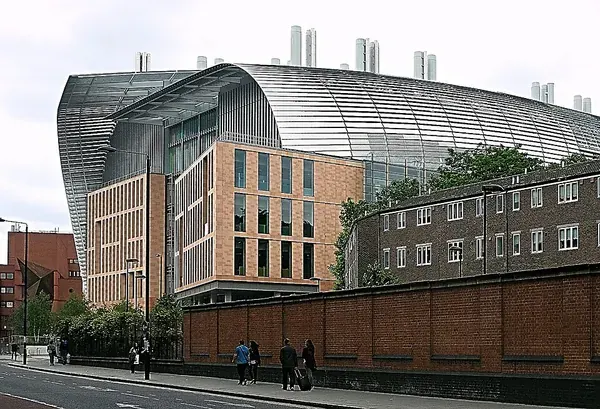
The Francis Crick Institute
The Francis Crick Institute stands as a landmark in HOK's portfolio, showcasing their expertise in designing state-of-the-art research facilities. Built in 2002 and set against the bustling backdrop of London, this institute is a hub for world-class scientists studying genetics, molecular biology, biochemistry, and other life sciences.
Its innovative laboratory spaces support groundbreaking work on medical breakthroughs. HOK crafted The Francis Crick Institute with an eye on the future of biomedical research. The design supports collaboration among researchers dedicated to understanding diseases and finding cures.
Here, some of the brightest minds tackle complex questions in cell biology and disease research within advanced labs that foster scientific discovery. This project reflects HOK's commitment to creating buildings that not only look amazing but also push forward human knowledge and health.
Anaheim Regional Transportation Intermodal Center
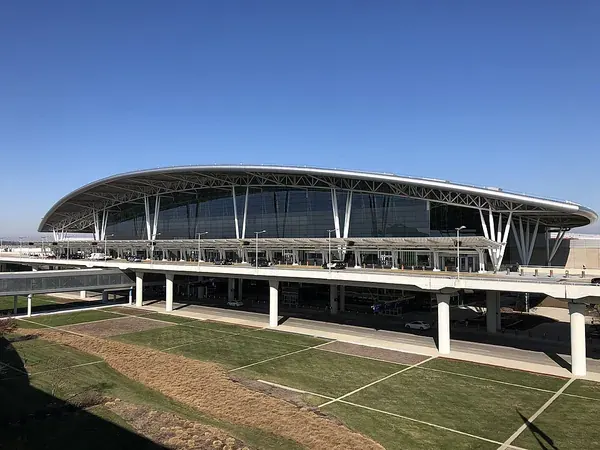
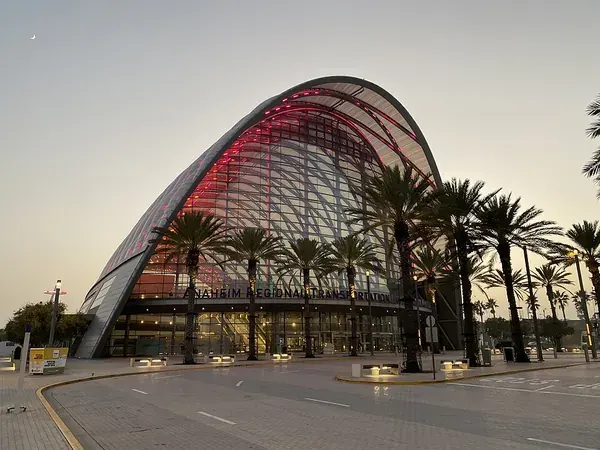
Serving as a glowing gateway to Orange County, the Anaheim Regional Transportation Intermodal Center (ARTIC) is a futuristic transit hub.
Opened in 2014, this iconic structure reimagines the grandeur of historic rail stations for the modern era. The building’s design is defined by its soaring catenary steel arches and a translucent shell made of ETFE (ethylene tetrafluoroethylene)—a lightweight material that allows natural light to flood the interior during the day and transforms the structure into a multicolored beacon at night.
As a critical infrastructure project, ARTIC connects regional rail systems like Amtrak and Metrolink with local bus services, streamlining travel across Southern California. HOK’s commitment to environmental stewardship is evident in the facility’s LEED Platinum certification, achieved through advanced strategies like radiant cooling and solar heat reduction. Today, ARTIC stands as a landmark of sustainable transportation architecture, blending civic beauty with high-performance engineering.
HOK’s Global Impact and Future Projects
HOK shapes the world with outstanding buildings and places that bring people together. Their work reaches far, from a new skyscraper in Doha to research centers across the globe. With each design, they make sure communities grow stronger and life gets better.
Looking to the future, HOK plans more amazing projects like eco-friendly airports and advanced university labs. Their ideas help us dream about tomorrow's cities. And with every project, they aim to protect our planet for all who come after us.

Rhino for Architects Course
Give your architectural skillset a major boost with the Rhino for Architects Course. Get over 60 hours of focused training tailored specifically for architects. Master commands and techniques to model, render, and animate architectural visualizations at the highest level. Click below for more information and watch your designs come alive!