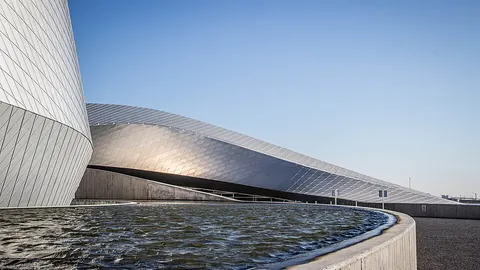
Exploring the world of innovative architecture and design can feel like navigating a maze with its many twists and turns. One firm that has consistently stood out in this terrain is Skidmore, Owings & Merrill (SOM), celebrated since 1936 for their ground-breaking designs.
This blog post offers an exciting journey through the legacy of SOM, highlighting their revolutionary projects and unveiling the people behind these marvels. Ready? Let's uncover a world where art meets science! Enter your text here...
Key Takeaways
- Skidmore, Owings & Merrill (SOM) is a renowned architecture firm known for its innovative designs and pioneering approach to urban planning.
- Founded in 1936, SOM has evolved over the decades to become one of the largest and most influential architecture practices in the world.
- The founding trio of Louis Skidmore, Nathaniel Owings, and John Merrill laid the foundation for SOM's success through their interdisciplinary approach that combined creativity with technical precision.
- Key figures at SOM include T. J. Gottesdiener, William F. Baker, and Gary Haney who have made significant contributions to the company's legacy in innovative design and engineering.
- SOM's architectural style is characterized by collaboration, innovation, sustainability, and a commitment to reducing the carbon impact of the building industry.
- Iconic projects like Burj Khalifa, One World Trade Center, Jianianhua Centre, Willis Tower (formerly Sears Tower), Guoco Tower, and Cathedral of Christ the Light showcase SOM's innovative designs and engineering prowess.
- Recent achievements include efforts towards achieving carbon neutrality in all design work by 2040.

Background
Skidmore, Owings & Merrill (SOM) is a renowned architecture firm known for its innovative designs and pioneering approach to urban planning. Founded in 1936, the company has evolved over the decades to become one of the largest and most influential architecture practices in the world.
SOM is a big name in architecture, urban planning, and interior design. They mix architecture and engineering in their work.
This skill made them known for building tall towers like the Sears Tower and John Hancock Center in Chicago, which are great examples of International Style of architecture. They also care about our Earth by trying to lessen the harm from building on it.

Early years
SOM took its first steps in 1936. Two architects and an engineer teamed up to start it all. They believed in working together to create great buildings. The very next year, they set up a second office in New York City.
This was the firm's first step outside of its home city.
In those early days, SOM focused on getting better at what they did best - making good designs by working as a team. They worked hard to build bridges between architecture and structural engineering.
Soon enough, their effort started to show results with the design of Lever House in 1952. It was the first modernist office building that SOM designed in New York City; a sign of greater things that were yet to come!

Evolution over the decades
SOM’s big change started in 1952 with the Lever House. It was their first major work and changed the look of office buildings in New York City. SOM then moved to Colorado Springs, Colorado.
From 1958 to 1968, they built a new home for the U.S. Air Force Academy.
The firm's design style kept changing over time. They used new ways to think about how buildings should look and work. They started making very tall towers, but not at the expense of the environment. They took steps to cut down on how much bad gas gets into our air from their worksites.
In short, the past years have seen SOM grow so much. Their growth came with changes we all can see today.
Key Figures
Founding Trio
SOM, an architectural firm that has left a lasting legacy in innovative design and architecture, was founded by three remarkable individuals: Louis Skidmore, Nathaniel Owings, and John Merrill.
These visionaries came together in 1936 to create a company that would revolutionize the field of architecture. Skidmore brought his expertise as an architect, while Owings contributed his knowledge of urban planning.
Merrill, on the other hand, was an engineer who understood the importance of structural integration in design. Together, they established an interdisciplinary approach to their work that combined creativity with technical precision.
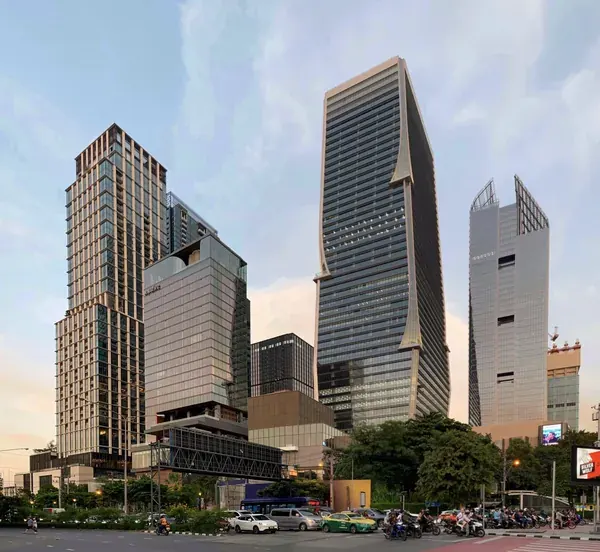
Nowadays, the company has numerous employees, and now we will mention a couple of key figures of the present team.
T. J. Gottesdiener
T. J. Gottesdiener is a renowned and influential figure in the innovative architecture and design that Skidmore, Owings & Merrill (SOM) is known for. He plays a significant role within the company, especially in interdisciplinary collaboration.
Gottesdiener brings together architects, designers, engineers, and planners to create groundbreaking designs. His expertise lies in merging architecture and structural engineering to create exceptional projects.
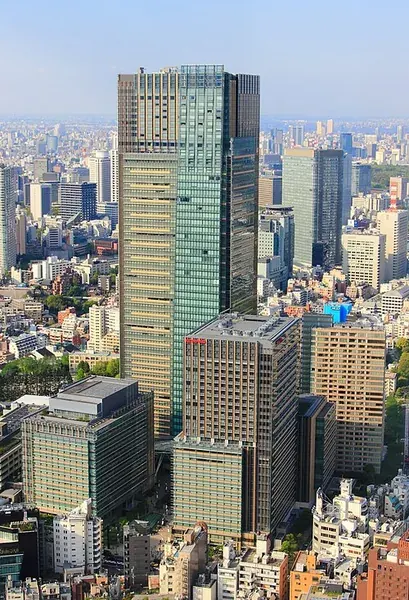
Notably, he has been involved in the significant work of the World Trade Center and Tokyo Midtown Project.
William F. Baker
William F. Baker is a key figure associated with the legacy of Skidmore, Owings & Merrill (SOM). He is an architect and structural engineer who has made significant contributions to the company's architectural designs.
One of his most notable works is the Burj Khalifa, which is currently the tallest building in the world. With his expertise, Baker has helped SOM push boundaries and create innovative structures that blend both architectural design and structural engineering seamlessly. Among other significant projects is also the Cayan Tower in Dubai Marina.
His work showcases his commitment to creating iconic projects that not only awe but also stand as testaments to human achievement in the field of architecture.

Gary Haney
Gary Haney, as part of the collective, has contributed to company’s innovative approach to architecture and design.
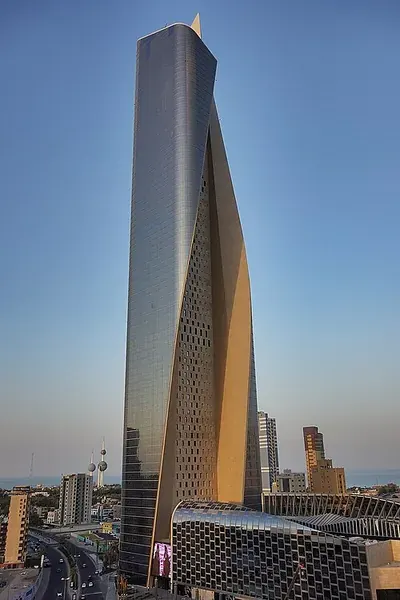
Founded in 1936, SOM emphasizes interdisciplinary collaboration and combines expertise from architects, designers, engineers, and planners within a single firm. Haney's significant work includes projects like Al Hamra Tower.
With their focus on merging architecture and structural engineering, SOM has become known for their cutting-edge designs that push the boundaries of what's possible in the field.
Architectural Style
SOM's architectural style is characterized by its commitment to sustainable design and innovative solutions.
Overview of SOM's main values
SOM's main values are collaboration, innovation, and sustainability. The firm believes in bringing together architects, designers, engineers, and planners to work as a team on every project.
They also prioritize integrating different disciplines to create innovative designs that push the boundaries of architecture. Moreover, SOM is committed to sustainable and green design practices, aiming to reduce the carbon impact of the building industry and create environmentally conscious spaces.
These values guide their approach to high-rise architecture while ensuring structural integrity and environmental consciousness. Inclusivity is also important for SOM as they aim to create equitable and healthier spaces for all.
One of the projects that set the tone for ecological design for SOM was the Pearl River Tower in Guangzhou, China.
Sustainable design
SOM is committed to reducing the carbon impact of the building industry. They have achieved net-zero emissions in their own operations, and they aim to achieve net-zero carbon in all their design work by 2040.
SOM's Climate Action Group works on implementing best practices and defining standards for low-carbon architecture and construction. They are also involved in industry-wide initiatives like Advancing Net Zero and the RIBA 2030 Climate Challenge.
In 2015, SOM completed one of the first net-zero-energy school buildings worldwide, showcasing their dedication to research and experimentation with energy-saving technology.

Iconic Projects
SOM has an impressive portfolio of iconic projects that showcase their innovative design and engineering prowess.
Burj Khalifa
The Burj Khalifa is the tallest building in the world, standing at a staggering height of 828 meters (2,717 feet). SOM played a key role in its design and construction.
With 154 usable floors and a distinctive tapered structure, the Burj Khalifa showcases a unique and iconic design. Located in Dubai, it has become a symbol of the city's modernity and ambition.
This modern architectural masterpiece serves as both a landmark of progress and innovation, representing Dubai's pursuit of excellence on an international scale.

One World Trade Center
One World Trade Center, completed in 2013, stands as the tallest building in the Western Hemisphere and features a unique design with its angled architecture.
The tower's isosceles shape gives it a pyramid-like appearance, making it instantly recognizable on the New York City skyline. It showcases SOM’s expertise in merging architecture and structural engineering.
This skyscraper has become an iconic landmark, symbolizing resilience and strength for both New Yorkers and people around the world.

Zifeng Tower
Soaring 450 meters over the historic city, the Zifeng Tower in Nanjing, China, stands as a monumental achievement. Also known as the Nanjing Greenland Financial Center, this supertall skyscraper is a masterclass in mixed-use design, seamlessly integrating premium office space, retail outlets, and a hotel within its elegant structure. The architectural design, led by Adrian Smith while at SOM, is particularly distinctive. Its triangular form, featuring unique serrated edges, is inspired by the flowing Yangtze River and evokes the powerful imagery of a dragon. The Zifeng Tower is a landmark project that showcases SOM architects' expertise in creating culturally resonant, high-performing, and sustainable urban icons.

Willis Tower
Willis Tower in Chicago, formerly known as the Sears Tower, was completed in 1973 and held the title of tallest building in the world for almost 25 years.
Designed with a bundled tube structure, it stands tall as a symbol of innovative architectural design and engineering. The Willis Tower remains an impressive landmark and continues to be one of SOM's most renowned projects.

Guoco Tower
Guoco Tower stands as a testament to the company's commitment to reducing the carbon impact of the building industry.
SOM aims to achieve net-zero whole-life carbon in all its design work by 2040, reflecting its dedication to creating positive change. With Guoco Tower, they have delivered an equitable, healthy, and resilient space that aligns with their values of sustainable construction and environmental impact reduction.

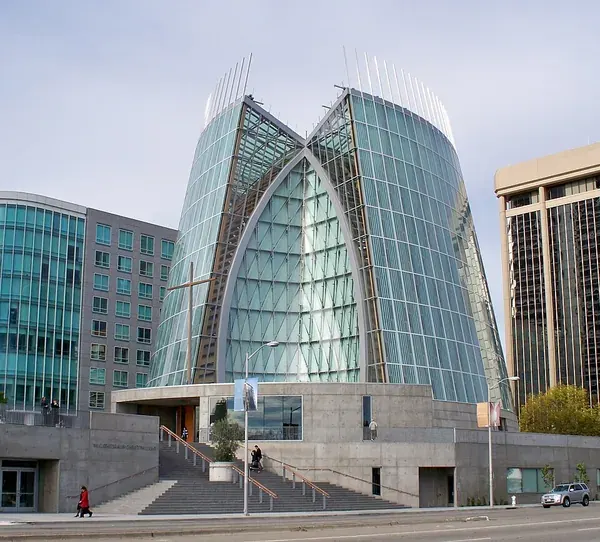
Cathedral of Christ the Light
The Cathedral of Christ the Light reflects SOM's commitment to sustainable construction and reducing carbon impact in the building industry. It stands as a testament to SOM's dedication to creating environmentally friendly and visually stunning buildings.
Recent Achievements
SOM has been making significant strides in recent years towards achieving carbon neutrality and promoting sustainable design. In fact, the firm has already achieved net-zero emissions in its own operations, demonstrating its commitment to environmental responsibility.
To ensure they are implementing best practices and defining standards for low-carbon architecture and construction, SOM's Climate Action Group works tirelessly.
Moreover, SOM actively participates in industry-wide initiatives like Advancing Net Zero and the RIBA 2030 Climate Challenge. By investing in research collaborations with universities and industry partners, SOM continues to lead innovation in sustainability and digital technology. One example of their proposals in this direction is the Urban Sequoia project, a building imagined to work as a tree.
SOM's recent achievements have not gone unnoticed by the architectural community either. For instance, their project Shenzhen Rural Commercial Bank Headquarters was selected as the Popular Choice Winner in the Concepts - Architecture + Sustainability category.
Additionally, SOM itself was honored as the Popular Choice Winner for Best Sustainable Firm category—an acknowledgment of their commitment to integrating energy efficiency and sustainable technology into every aspect of their work.
In conclusion, through their recent achievements such as attaining net-zero emissions internally and striving towards net-zero whole-life carbon externally, along with active involvement in sustainability-focused initiatives within the architecture industry at large—SOM exemplifies a forward-thinking approach that prioritizes both design excellence and environmental stewardship.
FAQs
1. Who are Skidmore, Owings & Merrill?
Skidmore, Owings & Merrill (SOM) is a renowned architecture and design firm known for their innovative and influential work around the world.
2. What makes Skidmore, Owings & Merrill pioneers in architecture and design?
They are considered pioneers in architecture and design due to their groundbreaking designs, use of new technologies, sustainable practices, and influence on the modern architectural movement.
3. What notable projects have Skidmore, Owings & Merrill worked on?
SOM has worked on numerous iconic projects including the Burj Khalifa in Dubai - the tallest building in the world; One World Trade Center in New York City; and Willis Tower (formerly Sears Tower) in Chicago.
4. How does Skidmore, Owings & Merrill integrate sustainability into their designs?
The company prioritizes sustainability by incorporating energy-efficient systems into their buildings' designs, utilizing renewable materials whenever possible, and optimizing natural lighting and ventilation.
5. Can I visit any of Skidmore, Owings & Merrill's architectural wonders?
Yes! They have ground-breaking projects completed all over the world, from New York to Dubai.

Grasshopper Complete Course
Give your architectural skills a boost with the Grasshopper Complete Course. Get over 50 hours of comprehensive Grasshopper training tailored for architects. Learn to generate and iterate designs faster. Click below for more information and streamline your workflows!