Many people struggle to find inspiring architectural designs that blend innovation with practicality. UNStudio, a powerhouse in the architecture world, stands out for its dynamic and sustainable creations.
This article will delve into how UNStudio’s approach to design solves this dilemma by balancing form, function, and future-readiness. Discover their secrets—keep reading!
Key Takeaways
- UNStudio began in 1988 by Ben van Berkel and Caroline Bos, with offices all over the world.
- They focus on making buildings for people first, using smart tech like parametric design and virtual reality.
- Their work is famous for caring about the earth and winning awards for being green.
- Projects like Erasmus Bridge, Arnhem Central Station, and Mercedes-Benz Museum show their unique style.
- They keep creating new designs that use cool tools and help our cities be better places to live.
UNStudio Overview
Stepping into the realm of architectural ingenuity, UNStudio carves a distinct space with its prolific portfolio and expansive geographical footprint. Originating in 1988, this powerhouse bridges cultural contexts and design disciplines across the globe.
Brief history of the studio
UNStudio started in 1988. Ben van Berkel and Caroline Bos made it happen. They wanted to make buildings that stand out and work well for people who use them. Their ideas were new, and they liked to try things no one had done before.
Today, Ben van Berkel still leads the studio with Caroline Bos. There are other smart people on their team too. Together, they have built some really cool places all over the world.
People know UNStudio for making designs that look good and are kind to our planet.
Global presence
UNStudio's work reaches all corners of the globe. They have offices in Amsterdam, Frankfurt, Hong Kong, and Shanghai. This lets them tap into different ideas and ways of building things.
Their teams work with people from the United Kingdom to Australia, making sure they always create fresh designs.
They don't just stay put; UNStudio teams travel across borders to meet up with partners worldwide. This helps them learn new things and share their knowledge about sustainable design everywhere they go.
Working like this makes sure their buildings fit well in any place while helping our earth too.
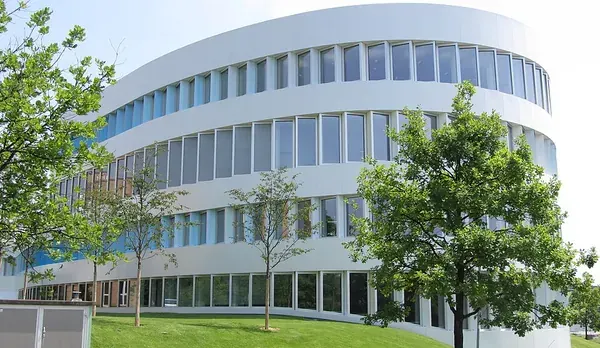
Philosophy and Design Approach
At the heart of UNStudio's ethos lies a visionary philosophy that fuses form with function—crafting architectural marvels tailored for human interaction and environmental respect.
Their approach transcends mere aesthetics, delving into a realm where design meets life, evolves with technology, and anticipates the shifts of tomorrow's world.
User-centric designs
UNStudio puts people first in their architecture. They design buildings and spaces that make life better for those who use them. Every project starts with looking at what people need and want.
Whether it's a home, an office, or a train station, they think about how humans will interact with the space. It's all about making places that are comfortable, easy to use, and welcoming.
Their designs are smart too. They plan for the future by using materials and ideas that can change as needs change. This approach helps buildings stay useful for a long time and makes sure they're good for our planet too.
With teamwork from experts across different fields, UNStudio creates places that aren't just beautiful but also kind to both people and nature.
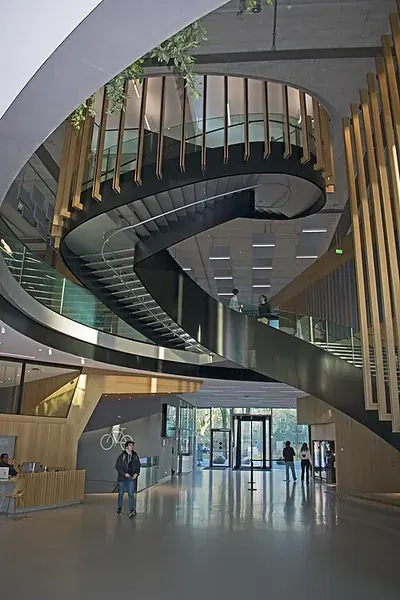
Emphasis on sustainability
UNStudio stands out because they care a lot about eco-friendly building. They make sure that their projects do not hurt the earth. They use smart design to save water, energy, and materials.
Everything they build is made to last a long time and change as needed.
The studio has won awards for being green in their work. Their buildings are good for people and nature too. UNStudio plans spaces where clean air, natural light, and plants make it nicer to live or work there.
This way of building helps everyone have a better future with cleaner cities and happier lives.
Social feasibility in designs
Keeping people's needs in mind, designers make sure buildings and spaces work well for everyone who uses them. They think about how a place will fit into its community and the ways it can help bring people together. This is called social feasibility.
In their projects, architects focus on making designs that are good for all kinds of users and last a long time. These designs also change easily when new needs or technologies appear. For example, an office building could have spaces that turn into meeting rooms or places to relax without much trouble. This way, as what people need changes over time, the building still works well for them.
The team at UNStudio helps this happen by working with many different experts and listening to many voices in each project. Their goal is to create places where communities feel understood and happy with the design around them—places where every person feels welcome and connected to others. This approach has won awards because it looks out for both today's needs and tomorrow's dreams, making sure buildings stay useful far into the future.
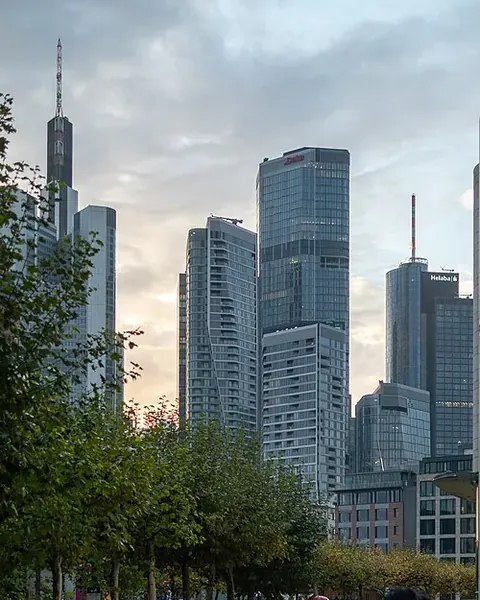
Notable Projects
UNStudio has crafted architectural masterpieces around the globe, each imbued with a signature blend of function and form that challenges conventional design norms. Their portfolio spans transformative public infrastructure, cutting-edge cultural venues, and dynamic urban centers that not only stand out visually but also enrich the communities they serve.
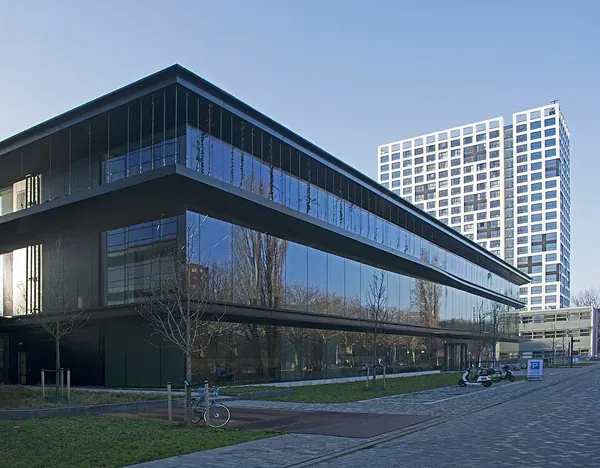
Erasmus Bridge
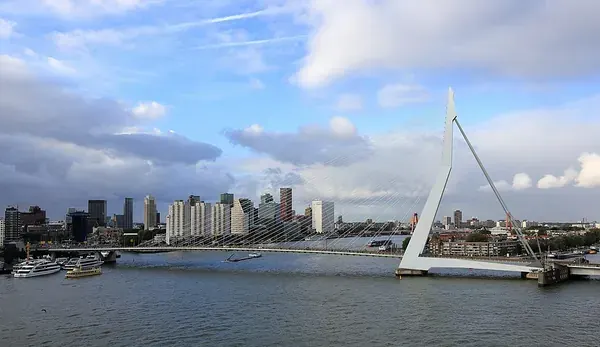
The Erasmus Bridge, a notable project by UNStudio, stands as a celebrated architectural icon in Rotterdam. Known locally as "The Swan" due to its elegant form arching over the River Maas, the bridge showcases UNStudio's prowess in integrated design and innovative engineering.
This landmark, which brought UNStudio, led by Ben van Berkel and Caroline Bos, into the limelight, is more than just a functional structure; it represents a harmonious blend of urban planning, infrastructure, and public functionality. The bridge's design not only fulfills practical purposes but also adds to the narrative of Rotterdam's industrial character.
Extensively documented through photographs, sketches, models, and renderings, the Erasmus Bridge's development from concept to completion is a testament to UNStudio's detailed and thoughtful approach, marking a significant achievement in both technical and cultural realms.
Arnhem Central Station
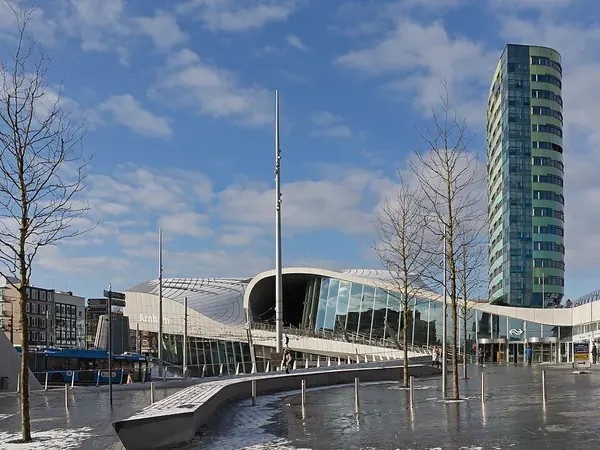
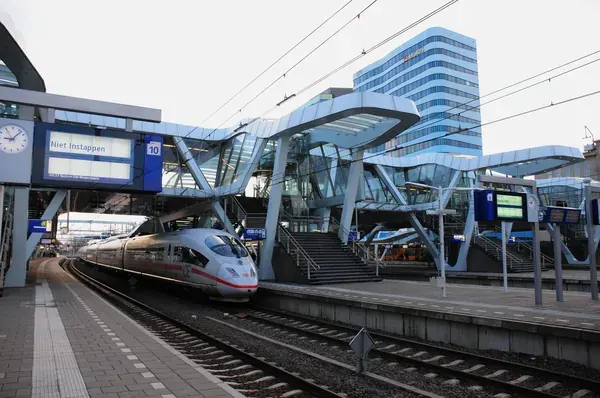
Arnhem Central Station represents the culmination of an ambitious 20-year project, marking it as one of Europe's most complex train stations and the largest post-war development in Arnhem.
The new terminal not only serves transportation needs but also houses commercial areas, a conference center, and provides links to an office plaza, city center, and underground parking. The surrounding area has been transformed into a lively district, featuring 160,000 square meters of offices, shops, and a cinema complex.
The roof and twisting column are feats of engineering, achieved by replacing traditional concrete with lighter steel, using boat-building techniques on an unprecedented scale.
As a 'New Key Project' of the Dutch Government, Arnhem Central is more than just a train station; it's a catalyst for urban renewal and economic growth.
Mercedes-Benz Museum
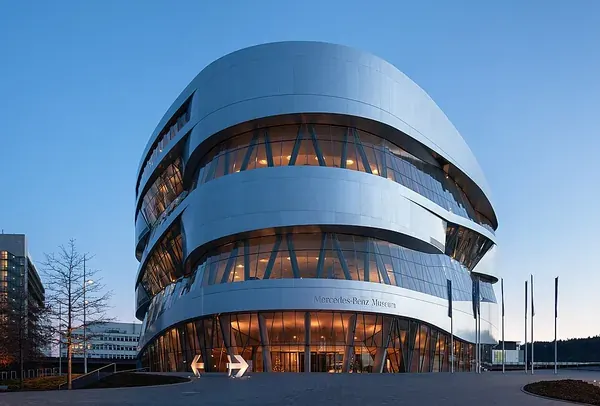
The Mercedes-Benz Museum in Stuttgart, Germany, designed by UNStudio, is a remarkable architectural feat that elegantly houses the history of mobility from 1886 to the future. The building's design is inspired by a double helix, resembling the DNA structure, symbolizing the brand's rich history and innovation. This concept is visually engaging and signifies the dynamic spirit of Mercedes-Benz.
The museum's construction predominantly used materials common in the automotive industry, such as concrete, aluminum, and glass. Over 110,000 tons of concrete were used, complemented by the sleekness of aluminum and the transparency of glass. The façade, with polished aluminum and expansive window panes, offers a bright shine in the sun and mysterious allure at night, reflecting the museum's internal narrative.
The Mercedes-Benz Museum stands out not just as a repository of automotive history but also as a symbol of architectural innovation and style. Its unique design, materials, and structural complexity reflect the technological advancement and elegance associated with the Mercedes-Benz brand.
Doha Metro Network
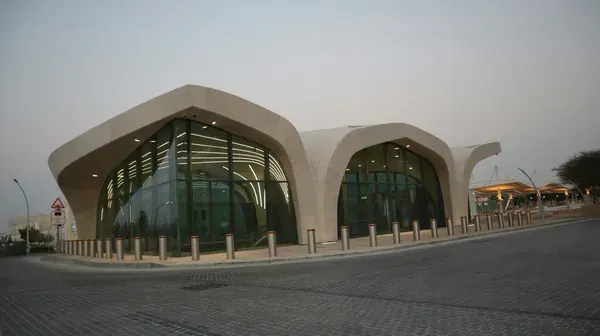
The Doha Metro Network, an integral part of Qatar's capital city, is acclaimed as one of the most advanced rail transit systems in the world. The Doha Metro development is part of a larger, ambitious railway network that encompasses five modern railway systems across the Persian Gulf, intended to enhance passenger and freight rail transport and establish fast rail links to the international airport.
The architecture of the Doha Metro stations, conceptualized by UNStudio, draws inspiration from traditional Qatari architectural elements, reinterpreted to incorporate transformative qualities that capture and direct daylight into the interiors. This design approach creates open, light, and inviting station interiors, enhancing the passenger experience. The stations' designs celebrate the historical architecture of the region, incorporating vaulted spaces with light-absorbent roofs reminiscent of nomadic tents and bird wings.
The Doha Metro Network stands as a testament to Qatar's commitment to developing a state-of-the-art public transport system, integrating modern technology with cultural sensitivity, and paving the way for a sustainable and connected urban future.
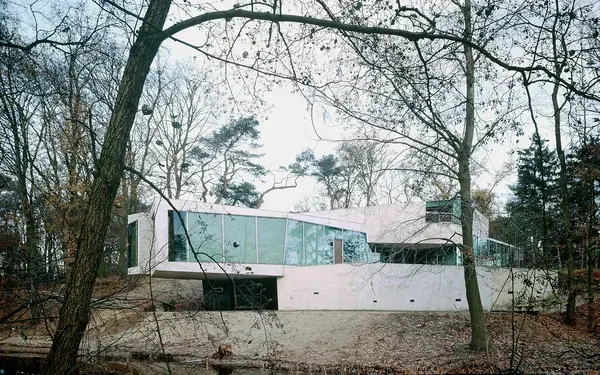
Möbius House
The Möbius House is a masterpiece of contemporary architecture located in Het Gooi, Netherlands. Architect Ben van Berkel utilized the mathematical concept of the Möbius strip to create a home that reflects the 24-hour cycle of domestic life.
This innovative residence integrates sleeping, working, and living areas into one continuous, fluid loop, effectively blurring the boundaries between interior and exterior spaces. Constructed using a rhythmic interplay of glass and concrete, the structure emphasizes movement and transparency. As a landmark in modern residential design, the Möbius House is celebrated for its radical approach to spatial organization and structural geometry.
It remains a primary case study for innovative Dutch architecture, illustrating how mathematical diagrams can transform into functional, high-end living environments. For enthusiasts of architectural innovation and UNStudio's legacy, this project represents the pinnacle of site-specific, conceptual design.
Theatre Agora
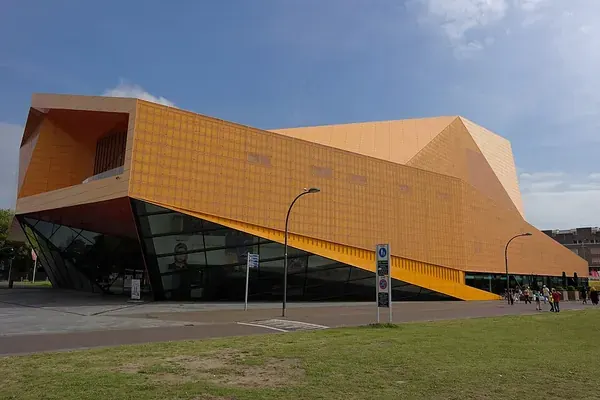
The Theatre Agora, a striking landmark in Lelystad, Netherlands, is a vibrant example of modern architecture. Spearheaded by Ben van Berkel, this multi-faceted building serves as the cornerstone for the city’s urban renewal.
Its most recognizable feature is the bold, diamond-like faceted facade, finished in a brilliant orange that shifts in appearance under different lighting conditions. Inside, the theatre continues its dramatic theme with a kaleidoscopic interior, utilizing a saturated color palette of pinks and oranges to evoke the magic of performance.
As a premier cultural hub, the Theatre Agora seamlessly integrates artistic expression with cutting-edge geometric design. For enthusiasts of innovative Dutch architecture and UNStudio’s legacy, the Agora remains a definitive study in how color and form can redefine a city’s identity.
This architectural masterpiece highlights the firm’s ability to create iconic, functional spaces that captivate the public imagination and enhance the urban landscape.
Recent Projects and Recognitions
UNStudio continues to break new ground with their recent projects, garnering industry accolades and strengthening their legacy in contemporary architecture—discover how they're shaping our world today.
STH BNK by Beulah
STH BNK by Beulah stands out as a shining example of modern, eco-friendly architecture. It's a big step forward in how buildings can help people and the planet. The project won the Future Project Award from the Council on Tall Buildings and Urban Habitat for its excellence.
That’s a big deal! It shows that experts really like this building's design.
This project is all about putting people first and caring for nature. Think of it like a garden reaching up into the sky, full of life and greenery. The team worked together across different areas to make sure STH BNK by Beulah was both pretty and practical.
They looked at how nature works to come up with smart ways to build it. This means that everything in STH BNK by Beulah – from where you walk in to where you might sit to have lunch – is made with care for your happiness and health.
Xintiandi Plaza
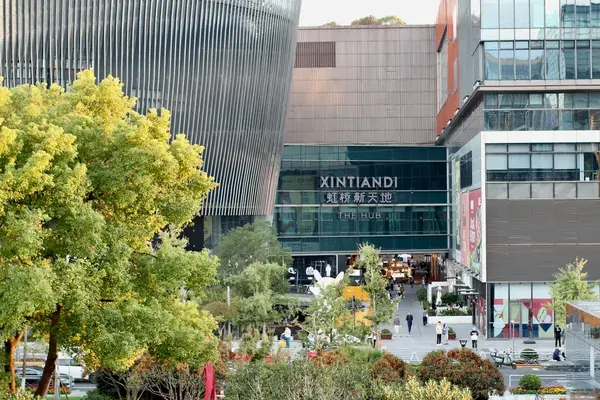
Moving from the visionary STH BNK by Beulah to another remarkable project, Xintiandi Plaza stands out in UNStudio's portfolio. This plaza shows off a fresh way to design urban spaces.
Its look is modern and bold, drawing people in with its cool features. The team at UNStudio made sure it was not just nice to look at but also good for the environment.
This place has won praise for combining new ideas with caring for the environment. As a finalist in the ULI Asia Pacific Awards for Excellence, Xintiandi Plaza proves that smart architecture can make city living better.
It offers fun places to shop, eat, and relax right in the heart of Shanghai. People love how this plaza adds life and energy to their city days.
Shanghai Jiuguang Centre
Just like Xintiandi Plaza, the Shanghai Jiuguang Centre is another example of UNStudio's commitment to pushing the boundaries of design. This recent project stands out for its use of biomimicry, which means it takes ideas from nature to make buildings that are smart and efficient.
The Centre's look and function draw on patterns found in natural systems, creating a space that feels alive and connected to the environment.
The Shanghai Jiuguang Centre also won praise with a Special Mention at the German Design Award for Excellent Architecture in Retail. It shows how UNStudio works with different experts to come up with designs that not only meet today's needs but can also change as technology and what people want shift over time.
Every detail, from how light comes into the building to how people move around inside it, is thought about carefully. This makes sure the place stays useful and loved for many years ahead.
Conclusion
UNStudio's architectural endeavors, as evidenced by their projects like the Erasmus Bridge, Arnhem Central Station, Eclipse Campus, and the remodeling of the Hanwha HQ, showcase their commitment to future directions and innovations in the field of architecture. Each of these projects highlights a distinct approach toward sustainability, technological integration, and user-centric design, all while maintaining a deep respect for environmental and cultural contexts.
Collectively, these projects reflect UNStudio's forward-thinking approach, where architecture goes beyond the creation of spaces to embody principles of sustainability, innovation, and community engagement. As they continue to push the boundaries of architectural design, UNStudio is poised to remain at the forefront of shaping our built environment in ways that are both innovative and respectful of our planet's future.

Grasshopper Complete Course
Give your architectural skills a boost with the Grasshopper Complete Course. Get over 50 hours of comprehensive Grasshopper training tailored for architects. Learn to generate and iterate designs faster. Click below for more information and streamline your workflows!