
The architecture industry is evolving faster than ever. From AI tools that generate building designs in seconds to materials that absorb carbon from the atmosphere, the way we design and construct buildings is being fundamentally reshaped.
In this article, we break down the 8 most significant architecture trends defining 2026. Whether you are a practicing architect, a student, or simply passionate about the built environment, these trends will give you a clear picture of where the profession is heading.
Key Takeaways
- AI-powered design tools are transforming architects from geometry creators into system orchestrators, with generative AI now integrated into Grasshopper, Revit, and standalone platforms like Autodesk Forma.
- Net-zero buildings have shifted from aspirational goals to regulatory requirements, with LEED v5 (released April 2025) now mandating resilience assessments and whole-life carbon tracking.
- Mass timber construction is growing at 15.5% annually in North America, offering 20 to 40% cost savings over concrete while sequestering carbon in the building structure.
- 3D-printed construction is the fastest-growing segment in the industry, with a projected market of $6.5 billion by 2030.
- Climate-resilient design is now a code requirement, not an option. Every $1 invested in resilient construction saves up to $11 in future disaster losses.
1. AI-Powered Design and Generative Architecture
Artificial intelligence is arguably the most disruptive force in architecture right now. What began as experimental plugins and research projects has matured into production-ready tools that architects use daily.
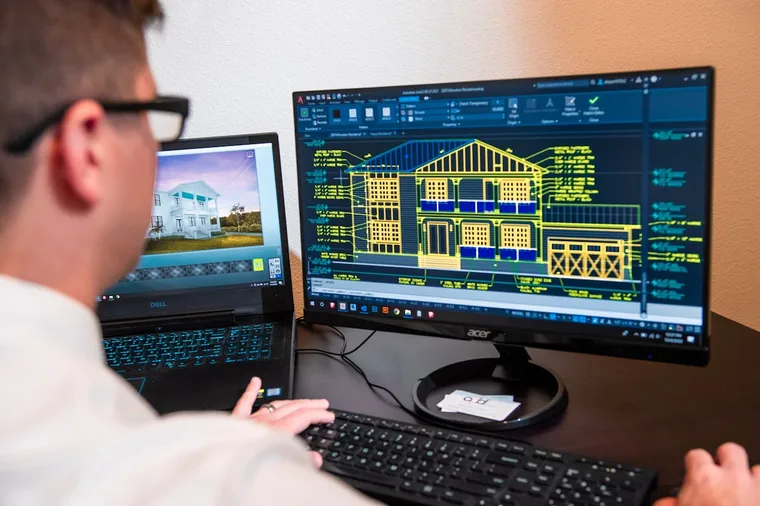
Generative AI frameworks now integrate directly with Grasshopper and Revit through Dynamo, allowing designers to transform natural language prompts into Python scripts or Grasshopper definitions. Instead of manually building complex parametric models, architects can describe what they want and let AI generate the geometry, then iterate from there.
Autodesk Forma represents the next generation of AI-assisted design. It analyzes site conditions, zoning regulations, and project requirements to generate multiple design options simultaneously. AI-based visualization tools like Veras provide near-instant feedback, compressing the loop from concept to refinement into minutes rather than days.
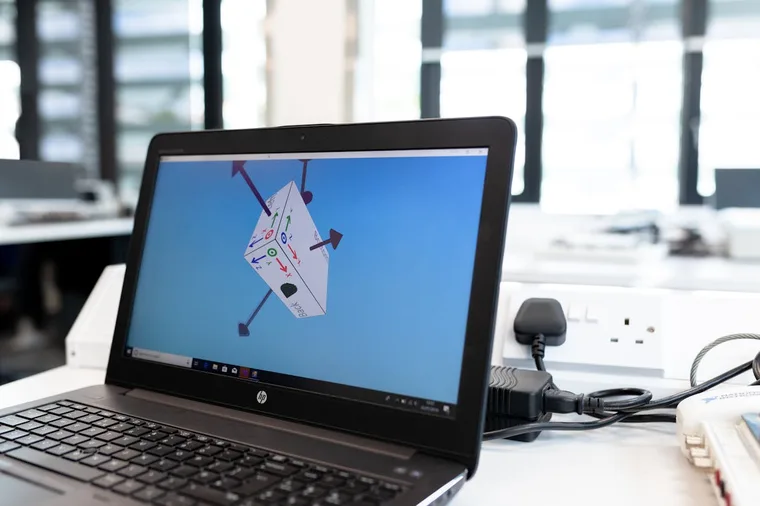
Within BIM environments, AI algorithms can evaluate thousands of design iterations, optimizing for spatial efficiency, energy performance, structural integrity, and cost. The result is a fundamental shift in the architect's role. Rather than being the sole author of geometry, architects are becoming system orchestrators and data strategists who guide and evaluate algorithmic intelligence.
The implications go beyond efficiency. AI is changing the types of questions architects can ask during the design process. Energy simulations that once took hours can now run in real time. Structural optimization that required specialist consultants can be explored within the design tool itself. For a closer look at how AI is already changing the profession, see our article on ChatGPT in architecture.
This evolution connects directly to the growth of parametric design and parametric architecture, where computational thinking has already been reshaping design workflows for years. AI is the next logical step in that progression.
2. Net-Zero and Sustainable Buildings
Sustainability in architecture has crossed a critical threshold. Net-zero buildings, which produce as much renewable energy as they consume through solar panels, advanced insulation, and smart grids, are no longer pilot projects or showcase pieces. They are becoming regulatory requirements.
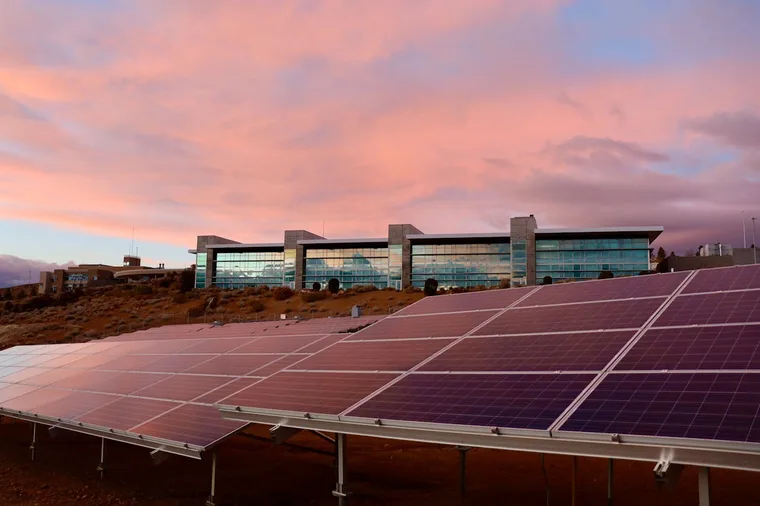
European regulations now require all new buildings to meet nearly Zero-Energy Building (nZEB) standards. In the United States, LEED v5 was released in April 2025, marking the most significant update to the certification system in over a decade. It introduces mandatory resilience assessments, whole-life carbon emissions tracking, and life-cycle assessments for every certified project. As of 2024, over 195,000 buildings worldwide hold LEED certification.
The numbers tell the story clearly: buildings are responsible for nearly 40% of global energy-related CO2 emissions. That makes energy-efficient building standards not just desirable but essential. The Passive House standard continues to gain momentum, with over 47,400 certified units worldwide and more than 500 projects certified in North America in 2024 alone.
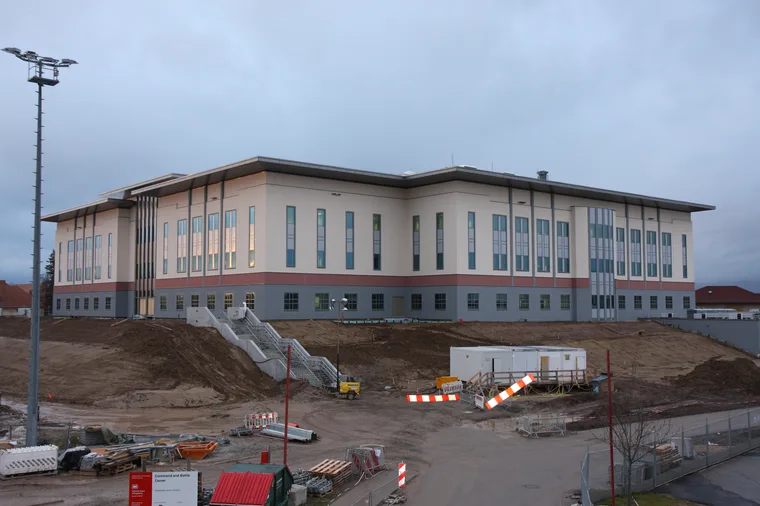
Beyond energy performance, the circular economy is gaining ground in construction. Eco-certified materials like reclaimed wood, recycled steel, and low-carbon concrete are in high demand. The focus has expanded from operational carbon (energy used during a building's life) to embodied carbon (emissions from manufacturing, transporting, and installing building materials), pushing architects to think about sustainability across the entire lifecycle of a structure.
The WELL Building Standard is also gaining traction alongside LEED, particularly in commercial and office projects where occupant health directly affects productivity and tenant retention. Together, these certification frameworks are creating a comprehensive picture of what a truly sustainable building looks like in 2026.
For a deeper look at sustainable principles in practice, see our guide on green architecture and sustainable design in architecture.
3. Mass Timber Construction
Mass timber, particularly cross-laminated timber (CLT), is one of the most exciting material revolutions in modern architecture. It offers structural strength comparable to concrete and steel while carrying a significantly lower carbon footprint.
The industry is growing rapidly, with projections showing a 15.5% annual growth rate in North America through 2032. The economics are compelling: a well-designed mass timber building can cost 20 to 40% less than cast-in-place concrete, with savings coming from reduced labor, less waste, and fewer construction delays.
The Ascent tower in Milwaukee stands at 25 stories and currently holds the record as the tallest mass timber building in the world. Projects like these are proving that timber is not limited to low-rise construction. When combined with steel and concrete hybrid systems, mass timber can reach heights that were unimaginable a decade ago.
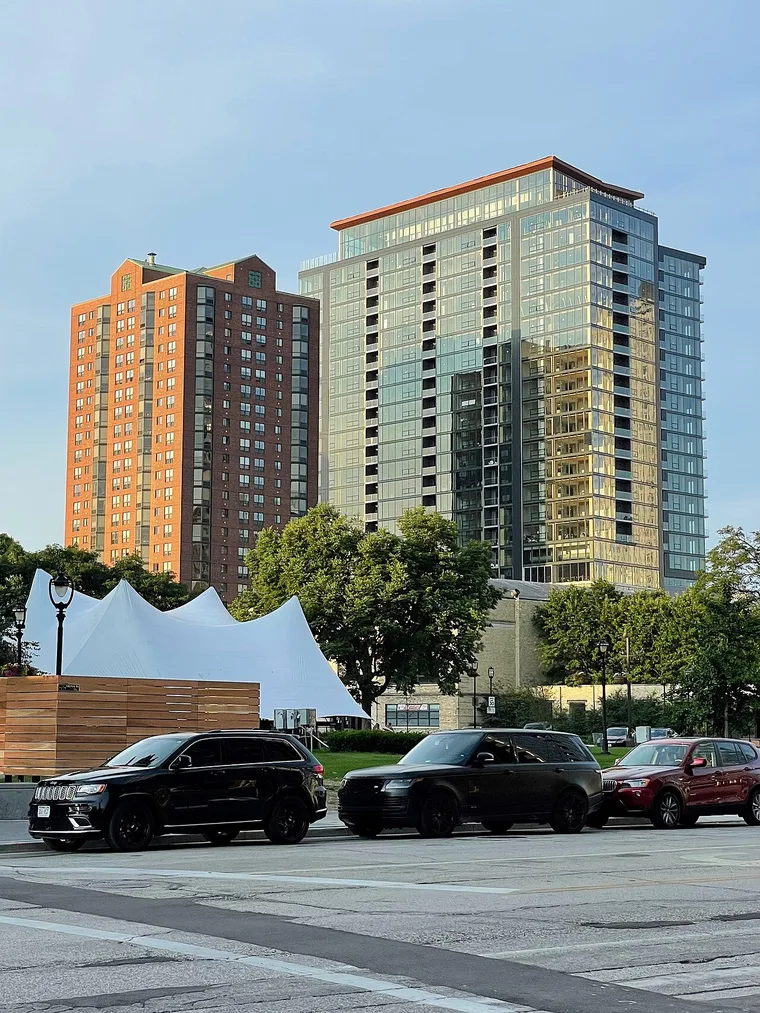
New projects continue to push boundaries. BIG (Bjarke Ingels Group) is completing City Wave, a pair of office buildings featuring a 140-meter timber canopy that reduces energy demand by 40%. Meanwhile, SOM's Milan Olympic Village, designed to convert into affordable student housing after the games, showcases how mass timber supports both sustainability and adaptive design strategies.
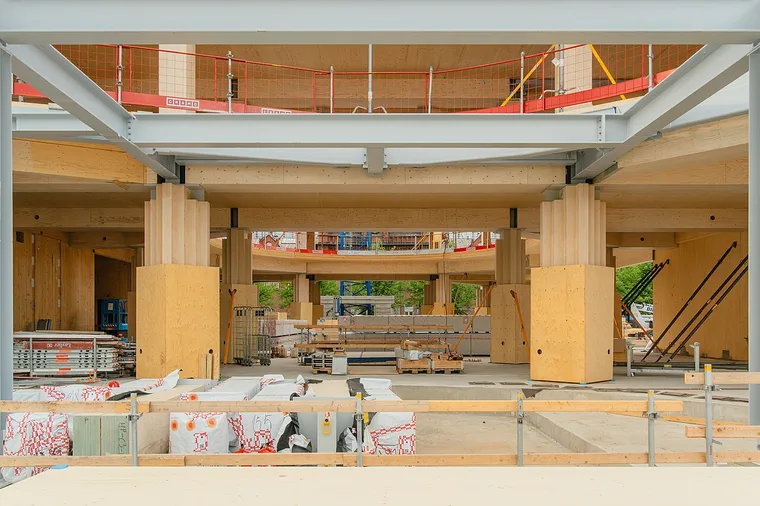
What makes mass timber especially relevant to architecture trends in 2026 is its carbon story. Unlike concrete and steel, which release massive amounts of CO2 during production, timber sequesters carbon. The carbon absorbed by trees during growth remains stored in the building structure for decades. This makes mass timber one of the few structural materials that actively contributes to reducing atmospheric carbon rather than adding to it.
4. Biophilic Design and Wellness Architecture
Biophilic design, the practice of integrating natural elements like plants, water features, natural light, and organic materials into built environments, has moved from a niche concept to mainstream practice. In 2026, it is no longer a differentiator. It is becoming a baseline expectation.
Research consistently shows that biophilic design can increase workplace productivity by up to 15% and significantly improve occupant well-being. Green infrastructure including vegetated roofs, living walls, indoor gardens, and natural water features is now standard in commercial, residential, and institutional projects alike.
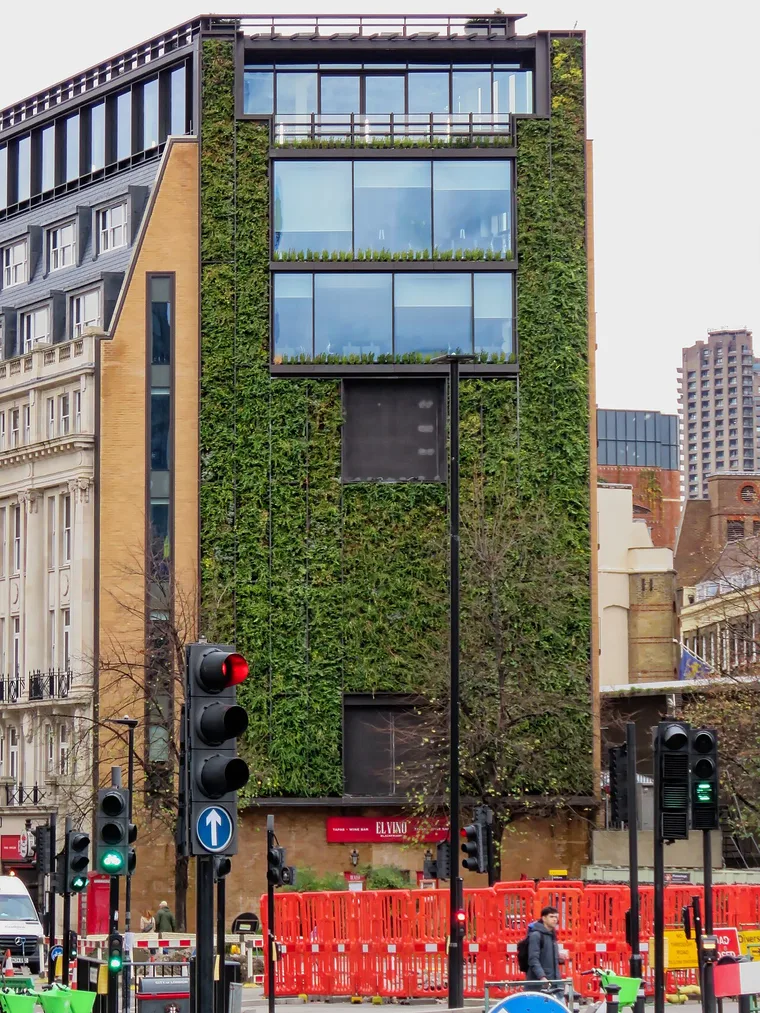
This trend is closely tied to the rise of wellness architecture, where buildings are designed to enhance mental and physical health. The WELL Building Standard, which certifies buildings across seven categories (air, water, nourishment, light, fitness, comfort, and mind), continues to grow in adoption. Interior design is also shifting, with publications like Dezeen predicting a move toward "curated calm over superficial opulence" in 2026.
The Bosco Verticale (Vertical Forest) towers in Milan remain the most iconic example of biophilic architecture, with over 900 trees and 20,000 plants integrated into the facade. The concept has inspired similar projects worldwide, including projects in Nanjing, Eindhoven, and Cairo. In 2026, the approach is scaling beyond residential towers to hospitals, schools, and transit stations where the health benefits of nature exposure are especially valuable.
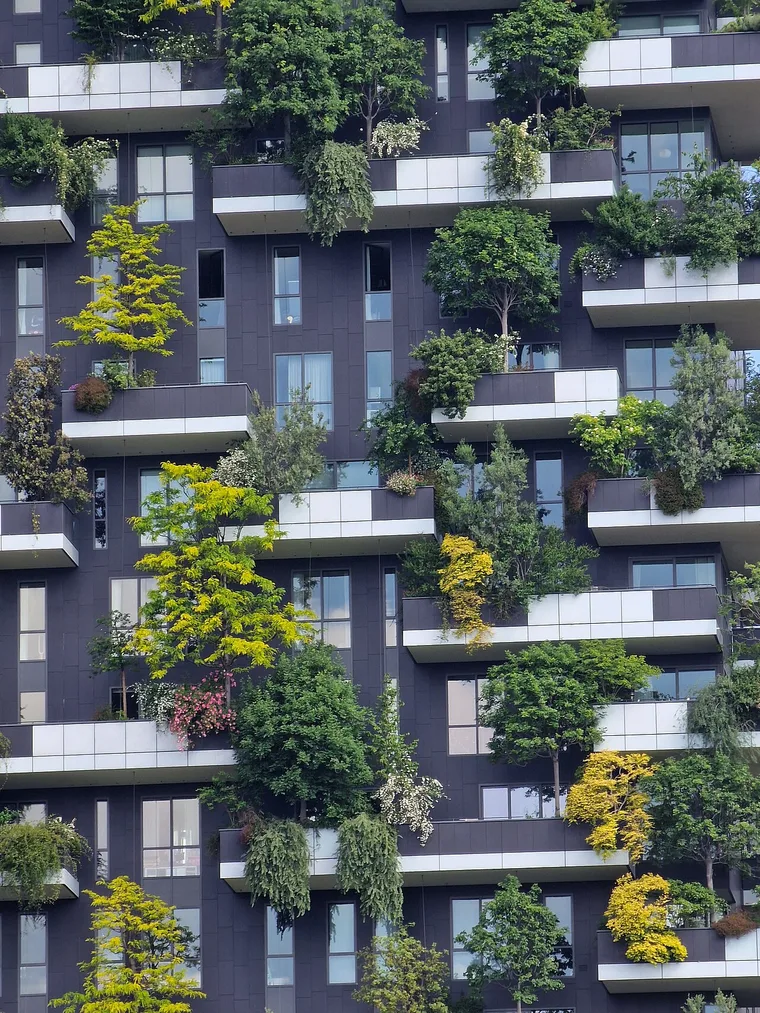
Natural materials like timber, rammed earth, and stone are seeing a revival not just for their sustainability credentials but for the warmth and sensory richness they bring to spaces. The goal is buildings that do not just shelter people but actively support their health.
5. 3D Printing in Construction
3D-printed construction has moved from experimental curiosity to commercial reality. The market is surging from $228.6 million in 2025 to a projected $6.5 billion by 2030, representing a staggering 95.5% compound annual growth rate.
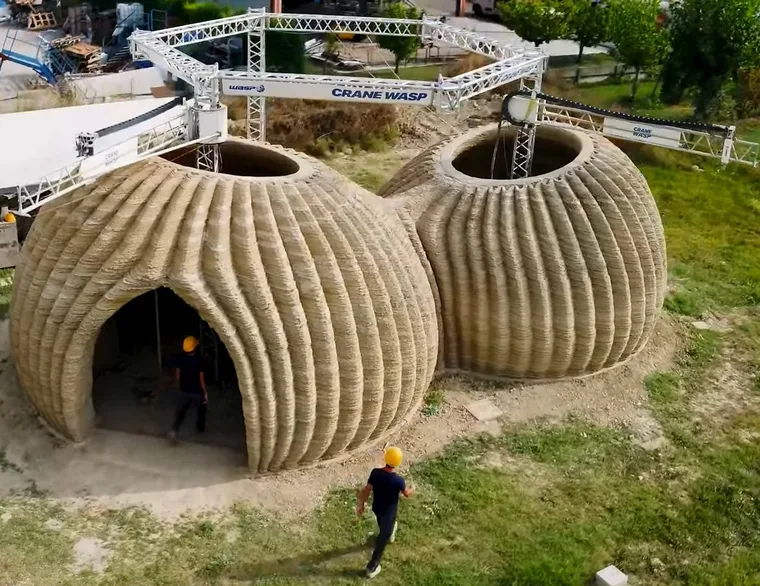
The technology reduces material waste by up to 60% and enhances construction speed by 50% compared to traditional methods. In August 2025, Singapore achieved its first on-site 3D printing of structural building elements, reducing manhours by half. In early 2026, Alquist announced the largest-scale deployment of 3D-printed commercial building technology in U.S. history, working with retailers including Walmart.
Material innovation is keeping pace with the hardware. Researchers have developed a 3D-printable concrete mix that replaces 60% of ordinary Portland cement with recycled waste glass powder, cutting embodied energy by 44% and CO2 emissions by 52%. Eco-friendly materials like geopolymer concrete and biodegradable polymers are also being adapted for additive manufacturing.
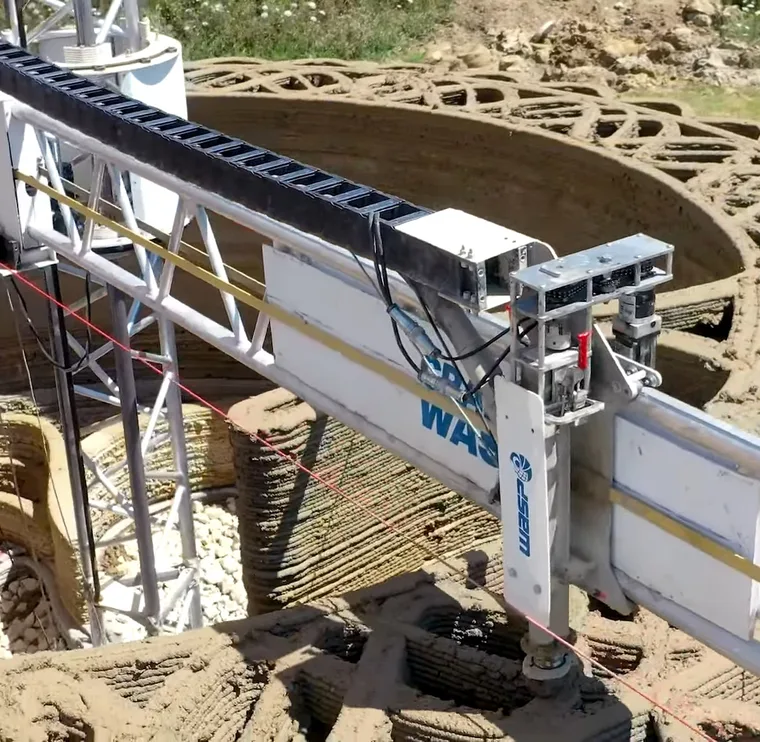
The speed advantage is particularly valuable for housing. Multiple companies are now producing entire homes in under 48 hours, opening new possibilities for affordable housing and disaster relief construction. As the technology scales, it is also being combined with modular construction approaches, where 3D-printed components are manufactured off-site and assembled on location.
For architects, 3D printing opens up design possibilities that were previously cost-prohibitive. Complex organic forms, customized structural components, and intricate facade elements can be produced without the expense of traditional formwork. Combined with robotics in architecture, this technology is reshaping what is economically and structurally feasible.
6. Smart Buildings and IoT
The smart building market reached $141.79 billion in 2025 and is projected to hit $554 billion by 2033, growing at 18.9% annually. The number of smart buildings worldwide is expected to jump from 45 million in 2022 to 115 million by 2026.

What has changed in 2026 is the shift from providing insights to automating operational decisions. Agentic AI now synthesizes millions of data points across occupancy trends, sensor signals, weather forecasts, and energy prices to dynamically optimize building controls. HVAC systems adjust before rooms become uncomfortable. Lighting responds to both occupancy and daylight levels. Energy management, the fastest-growing segment in smart buildings, uses predictive analytics to minimize consumption while maintaining comfort.
Building automation systems (BAS) now serve as integration hubs coordinating HVAC, lighting, shading, access control, and life safety systems. The approach has moved from reactive (fixing problems after they occur) to predictive (anticipating issues before they arise).
Notable projects are showcasing what smart building technology looks like at scale. The Shanghai Grand Opera Hall by Snohetta, expected to open in 2026, features a 24-hour public rooftop space that functions as an open-air theatre, with integrated environmental monitoring and responsive lighting systems. Foster + Partners' 270 Park Avenue incorporates one of the most sophisticated building management systems ever deployed in a commercial tower, optimizing energy use across nearly 2.5 million square feet of office space.
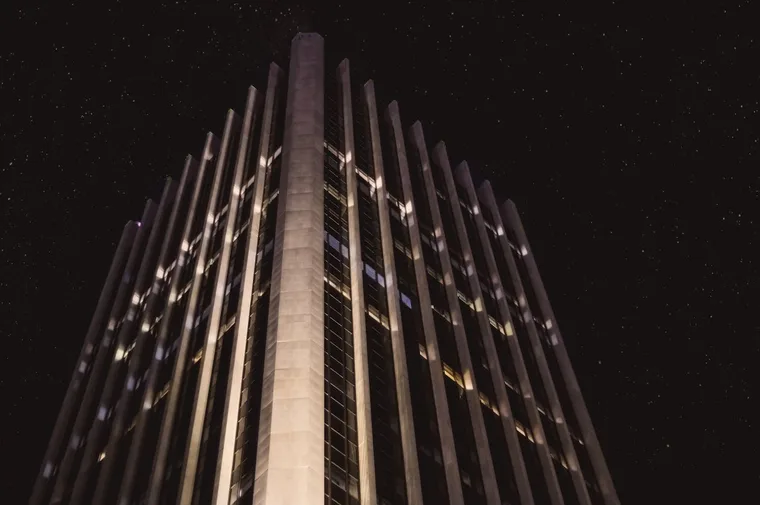
The most significant shift, however, is toward occupant-centric design. Mobile access control, personalized climate preferences, real-time space booking, and responsive environments are becoming baseline expectations rather than premium features. Cybersecurity is also growing in importance as building systems become more connected and data-dependent.
7. Adaptive Reuse
Adaptive reuse, the practice of converting existing buildings for new purposes rather than demolishing them, has emerged as one of the most consequential architecture trends of 2026. The urgency to reduce embodied carbon has accelerated a shift from demolition toward transformation and reinvention.
The scope has expanded well beyond the familiar office-to-residential conversion. Architects are now transforming retail spaces into healthcare facilities, office buildings into senior living communities, warehouses into cultural centers, and commercial buildings into science laboratories. Each project preserves the embodied carbon already invested in the existing structure while giving it new life.
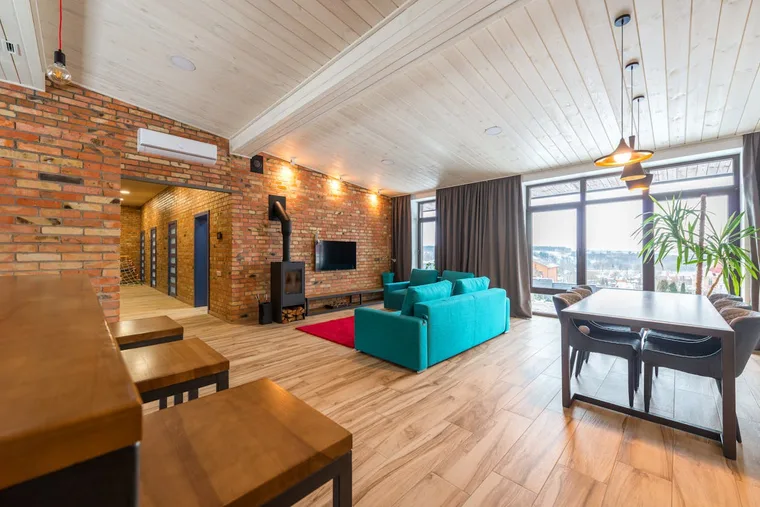
Dezeen's 2025 review highlighted adaptive reuse and renovations as the dominant trend in British architecture. The UK's Hazelmead project, the country's largest co-housing development, features shared vegetable gardens, car-free streets, and timber-framed residences, all integrated into an existing community fabric.
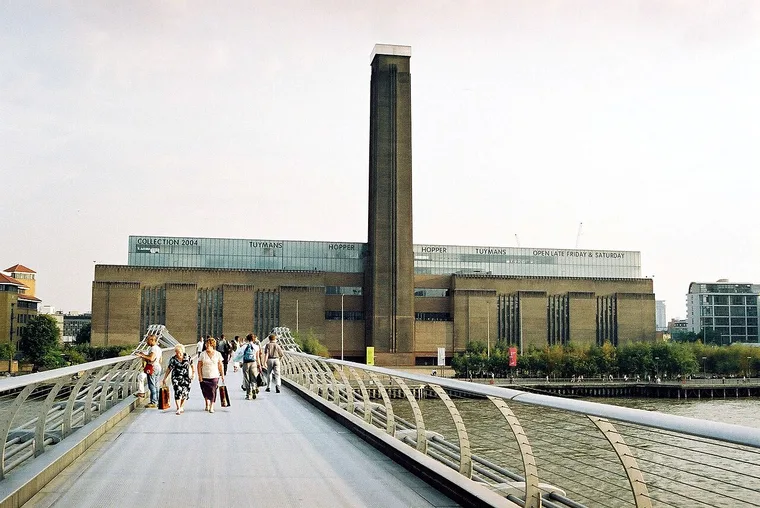
Some of the most anticipated projects of 2026 reflect this trend. Foster + Partners' 270 Park Avenue in New York, one of the largest all-electric commercial buildings, replaced the former JPMorgan Chase headquarters on the same site, incorporating salvaged materials from the original structure. The LACMA David Geffen Galleries by Peter Zumthor, opening in April 2026, reimagines what a museum campus can be by weaving new architecture into the existing cultural landscape of Los Angeles.
Gensler's 2025 and 2026 design forecasts both emphasize adaptive reuse as a dominant force, noting its expansion into increasingly creative typological shifts. For cities, this trend offers a way to preserve community character and history while meeting modern sustainability and housing needs without the environmental cost of new construction.
8. Climate-Resilient Design
Climate adaptation has moved from a forward-thinking option to a regulatory mandate. LEED v5 now requires resilience assessments for all certified projects, evaluating risks from floods, extreme heat, wildfires, and other climate-related threats. Every LEED v5 project receives a comprehensive performance report with carbon metrics, quality of life indicators, and resilience outcomes.
The economic case is compelling. Climate adaptation is projected as a $1.3 trillion annual opportunity by 2030. Research shows that every $1 invested in code-compliant, resilient construction saves up to $11 in future disaster losses. These numbers are driving both public policy and private investment toward climate-responsive design.
In practice, this means buildings designed for flood resilience (elevated structures, permeable surfaces, blue-green infrastructure), heat island mitigation (reflective surfaces, green roofs, horizontal massing for passive cooling), and wildfire resistance (fire-resistant cladding, ember-resistant vents, defensible landscaping). Building codes are evolving to address climate projections rather than historical weather data, a fundamental shift in how structures are designed for their expected lifespan.
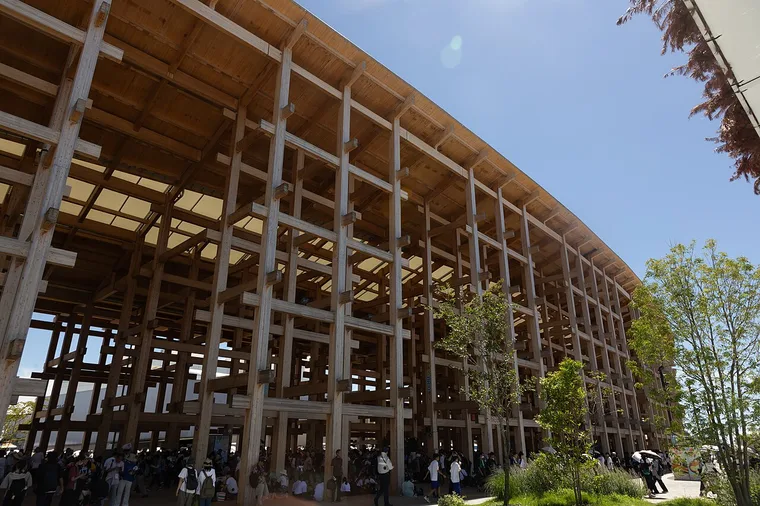
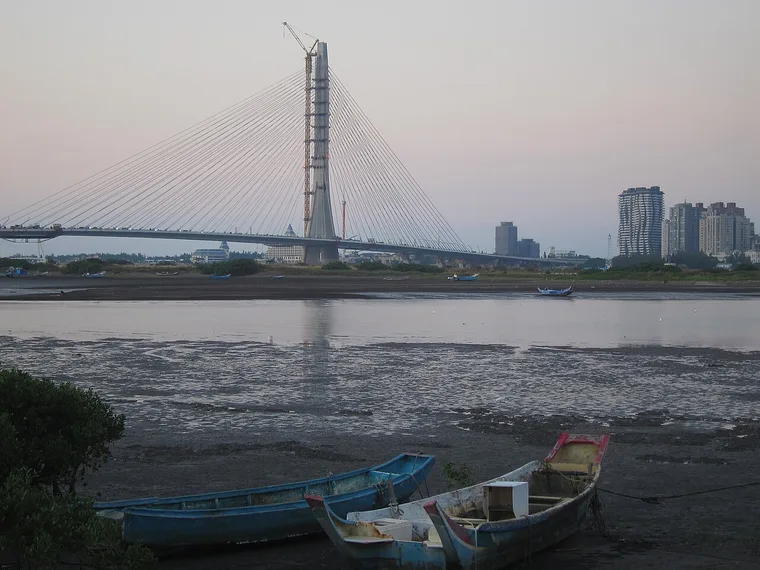
Sou Fujimoto's Grand Ring for Expo 2025 in Osaka, the world's largest wooden structure with a 2km circumference, demonstrates how innovative structural design can create buildings that work with natural forces rather than against them. The Danjiang Bridge by Zaha Hadid Architects, opening in Taipei in May 2026, integrates wind-resistant engineering with a minimal visual footprint, showing how resilient infrastructure can also be architecturally striking.
Advanced building envelopes with dynamic facades, smart glazing, and phase change materials for thermal regulation are becoming standard tools in the resilient design toolkit. The goal is buildings that do not just minimize their environmental impact but actively withstand the changing climate around them.
Looking Ahead
These 8 architecture trends share a common thread: the profession is moving from designing buildings as isolated objects to creating integrated systems that respond to climate, technology, and human needs simultaneously. AI accelerates the design process. Sustainable materials reduce environmental impact. Smart systems optimize performance in real time. And resilient design ensures buildings can weather an uncertain future.
For architects and students looking to stay ahead, the message is clear: invest in computational design skills, understand material science, and think beyond the building envelope. Familiarize yourself with the tools architects use today and the software platforms driving these changes. The most successful architects in 2026 and beyond will be those who can synthesize technology, sustainability, and human-centered design into cohesive, forward-looking projects.
Rhino for Architects Course
Give your architectural skillset a major boost with the Rhino for Architects Course. Get over 60 hours of focused training tailored specifically for architects. Master commands and techniques to model, render, and animate architectural visualizations at the highest level. Click below for more information and watch your designs come alive!

![Architects’ Tools [33 Most Important Ones You Need To Know]](/images/blog/featured/variants/architects-tools--related-card.webp?cb=seo-meta-20260227-164423)

.jpg)


.JPG)

