
Many homeowners seek to understand the unique charm that defines the aesthetics of their Craftsman-style homes. The American Craftsman architectural tradition started in the late 19th and early 20th centuries, deeply rooted in the Arts and Crafts movement.
This article will delve into its history, key features, and influence on modern living environments, helping you appreciate and preserve this classic American design. Discover a timeless style that brings character to neighborhoods across the nation.
Key Takeaways
American Craftsman architecture began in the late 19th century and is part of the Arts and Crafts movement. It focuses on handcrafted details and natural materials like wood and stone.
- Influential figures like William Morris, Frank Lloyd Wright, and the Boston Society of Arts and Crafts shaped this style.
- Types of Craftsman-style homes include Bungalows, Prairie houses, Mission Revival, and Foursquare designs.
- Renovating a Craftsman home involves preserving original features while adding modern comforts that respect its heritage.
- People love these homes for their simplicity, harmony with nature, and timeless design.
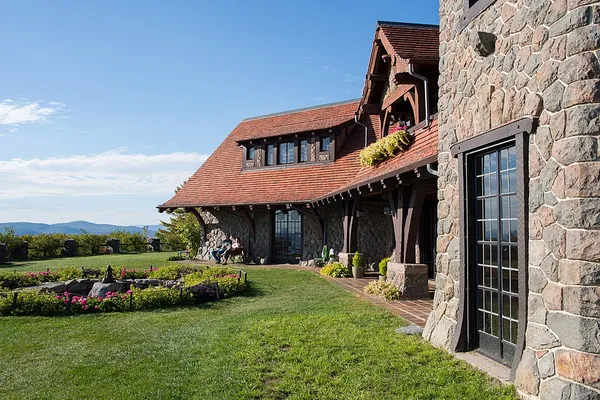
Origins and Influences of American Craftsman Architecture
American Craftsman architecture, a design deeply embedded in the social fabric of the early 20th century, emerged as a harmonious blend of form and function, rejecting industrial starkness in favor of artisanal warmth.
Its roots are intricately connected to the philosophical underpinnings of the Arts and Crafts movement and synthesized through visionary designers who sought to humanize living spaces amidst rapid technological advancement.
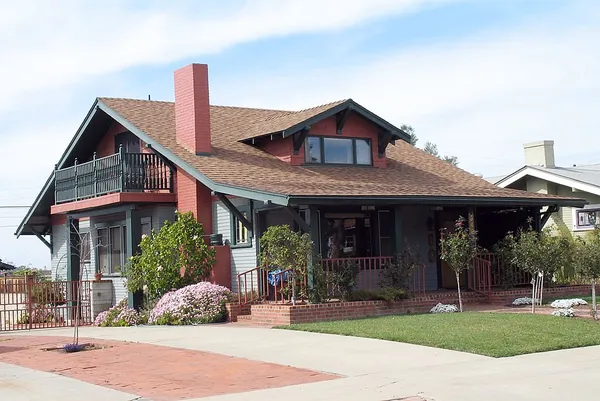
British Arts and Crafts movement
The British Arts and Crafts movement shaped how we build homes today. It started with William Morris and others who wanted houses to show off their true nature. They loved things made by hand and designs that told the truth about materials like wood.
This movement touched America too. It inspired people to use what they found in nature when making buildings. Craftsmen worked hard to make each home unique, yet simple and useful.
People liked this style because it was honest about how a house was built and what it was made from. This way of making homes is still important today.
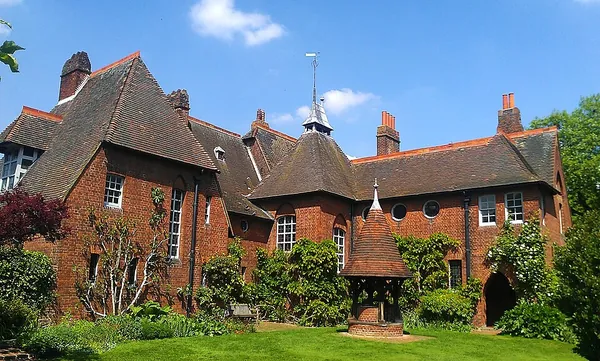
Frank Lloyd Wright's influence
Frank Lloyd Wright changed American architecture in big ways. His ideas came from the Arts and Crafts movement, which liked simple designs and skilled work by hand. He made new types of homes that fit people's lives better.
Wright thought houses should be close to nature, use natural materials, and look beautiful without being too fancy.
His style was different and he always found new ways to build things. Many American craftsman homes were shaped by his smart designs. Next up is how the Boston Society of Arts and Crafts added its touch to this unique architectural style.
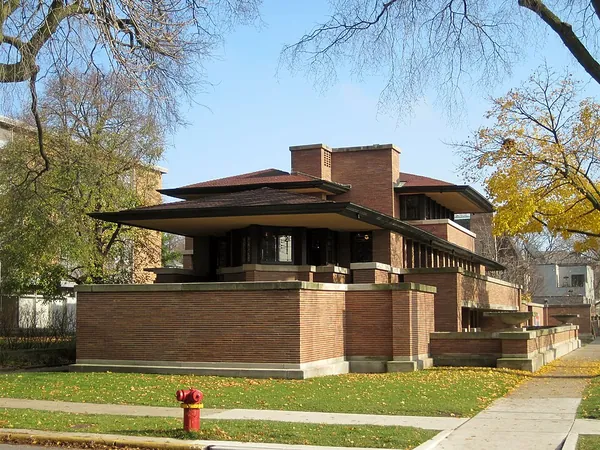
The Boston Society of Arts and Crafts
The Boston Society of Arts and Crafts holds a special place in the story of American architecture. Started in 1897, it's the oldest nonprofit craft organization in America. It came to life during a time when many people wanted to bring back hands-on quality and beauty in buildings and objects.
This group helped spark what we now call the American Craftsman style, which values skill and simple elegance.
Boston's Society was first on the scene, leading other cities to start their own groups. Here, artists and builders shared ideas about making things that were both useful and lovely to look at.
They believed homes should fit into nature and be made with care by skilled workers. This idea spread across America, shaping how many houses look even today.
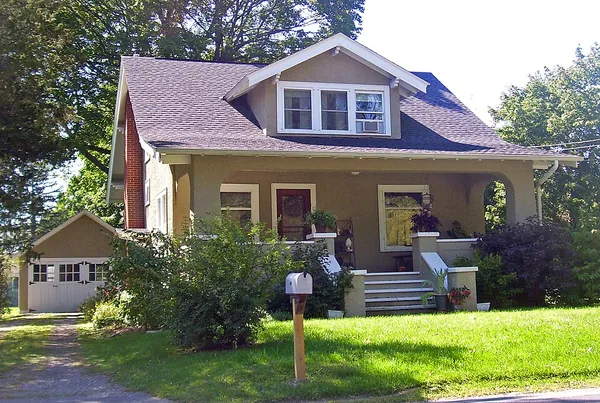
Notable Designers and Key Characteristics
The tapestry of American Craftsman architecture is woven with the contributions of visionary designers who imprinted this style with hallmark characteristics that celebrate craftsmanship and simplicity.
Their designs, echoing an intrinsic connection to nature and a harmonious blend of form and function, have left an indelible mark on the architectural landscape.
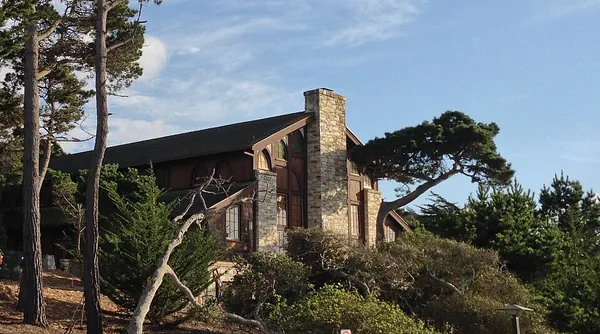
Emphasis on nature and handiwork
Craftsman architecture loves nature and shows off the skill in making things by hand. It uses natural materials like wood, stone, and clay. This kind of design comes from a big change in how people thought about decorating homes in America.
It wants everything to look real and well-made.
Designers make sure houses blend with the land around them. They pick stones that match the earth, woods that feel warm, and colors seen in nature. You can see this care for beauty and quality in all parts of a Craftsman home.
Each detail celebrates what hands can make and what's found outdoors.
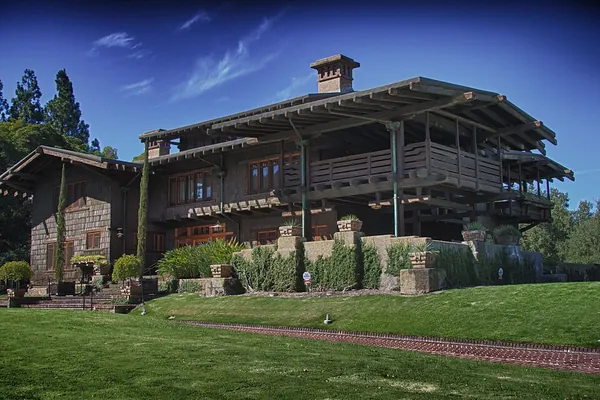
Use of natural materials
American Craftsman architecture really shines with its love for what the Earth gives us. Wood, stone, and brick are used a lot in these homes—both on the outside and inside. These materials bring out beauty you can feel and see.
They make each home special because they come from nature.
Imagine seeing wooden beams that show off the tree's own marks or touching stone work made by someone's hands; that's what this style is all about. It connects a house to the ground it stands on, using eco-friendly ways to build something strong and lovely at the same time.
People who make things put their heart into adding handmade details everywhere—from big fireplaces to cozy built-in cabinets.
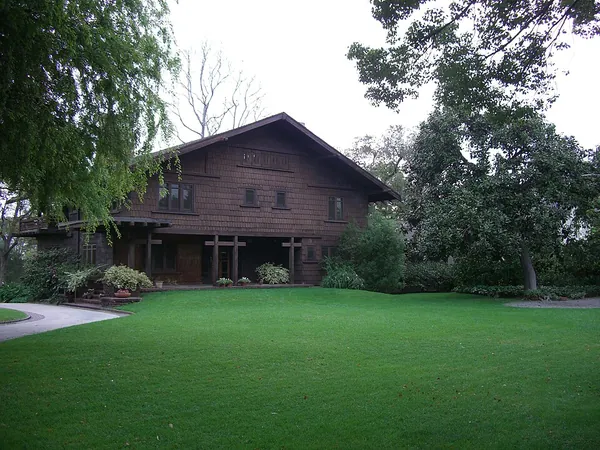
Simplistic and functional design
Craftsman architecture celebrates simplicity and function. Designers like the Greene brothers focused on creating homes with clean lines and practical layouts. Every beam, joint, and window served a purpose while adding beauty.
This approach meant that houses weren't just pretty; they were made to be lived in comfortably.
Homes from this era stand out because they use natural materials like wood and stone. Builders put care into each detail, ensuring that even the smallest features had both quality craftsmanship and were useful.
This timeless aesthetic keeps the Craftsman style popular today among architects who value utility as much as design.
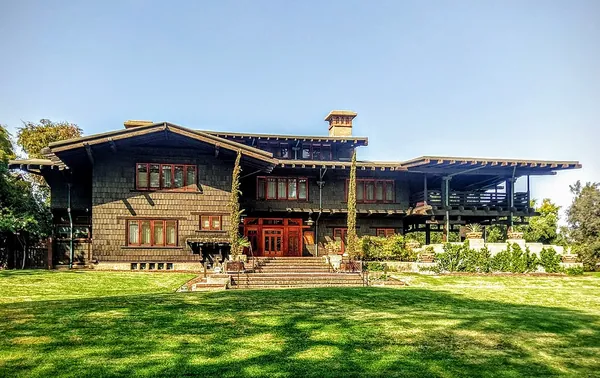
Types of Craftsman-style Houses
Craftsman-style houses embrace a diverse array of designs, each offering unique features and charm that continue to resonate with the architectural appreciation of today—discover their distinctive beauty and how they define the landscape of American neighborhoods.
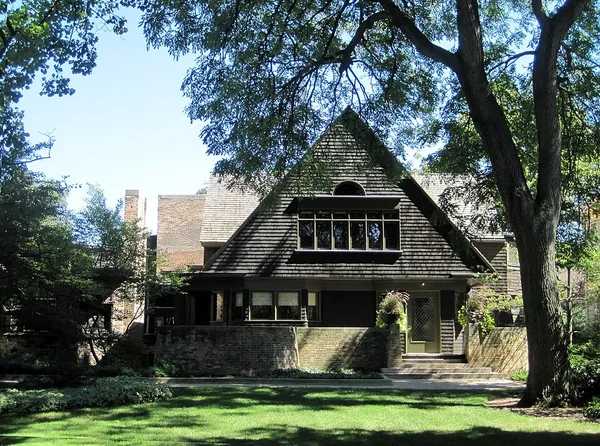
Bungalow
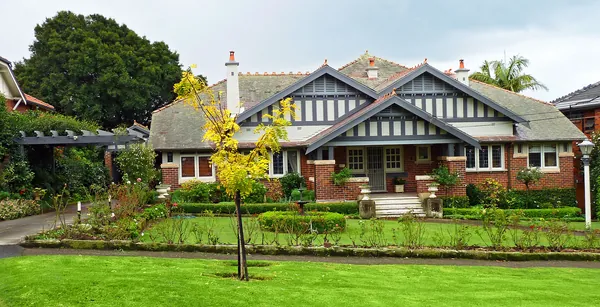
Bungalows hold a special place in American architecture as they bring the Arts and Crafts style to life. This type of home is cozy and stands out with its low-pitched roofs, overhanging eaves, and inviting front porches.
Inside, handcrafted woodwork and built-in furniture showcase the skill of early craftsmen. Wide windows invite nature inside, reflecting the Craftsman emphasis on harmony with the environment.
These homes often sit close to the ground which makes them part of their surroundings. Bungalows are more than just charming; they represent a move toward simplicity and function in home design during the early 20th century.
Many people value these vintage homes for their strong connection to traditional craftsmanship and natural materials.
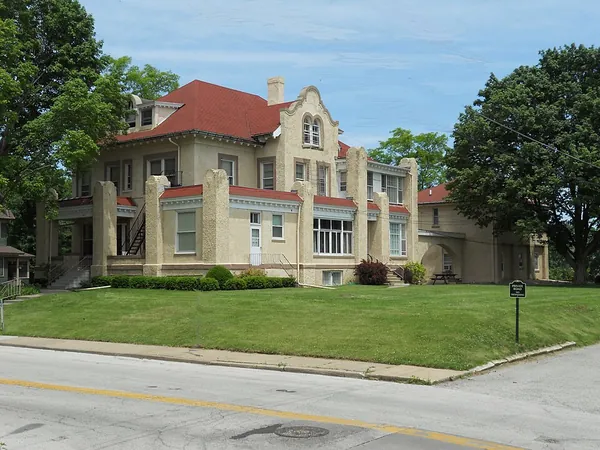
Prairie
Prairie houses have a look that feels right at home in the Midwest. They come from the brain of Frank Lloyd Wright and a bunch of smart young architects in Chicago around 1900. These homes are all about having lots of space to hang out with friends and family, with big areas for living and eating together.
The windows kind of line up like soldiers, small but many, letting light sneak in without giving away too much privacy. This style is special because it's America's very own – born from seeing how vast and open the Midwest is. Prairie homes lie low and spread out wide, just like the landscape they come from.
You'll see these houses bragging natural materials like wood and stone, which make them cozy. Plus, their design is simple but useful; nothing too fancy or complicated here! Their lines go across rather than reaching high, pulling your eyes to follow along as if you're scanning the horizon on an open field.
It's what they call organic architecture—buildings that feel connected to nature.
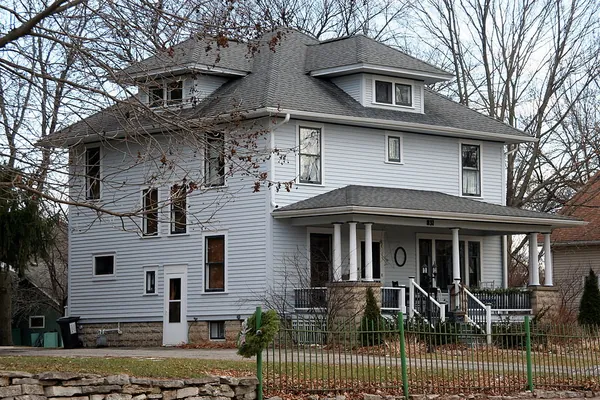
Mission Revival
Moving from the expansive open design of Prairie houses, Mission Revival architecture brings a touch of historical charm to American streets. This style blossomed as part of an architectural revival in the late 19th century that aimed to bring back and refresh American building traditions.
It stood out during the preservation movement that started in the 1880s, showcasing features like stucco walls and red tile roofs.
Gustav Stickley, known for his "Craftsman" work, played a significant role even though he didn't call his designs "Mission." However, they still became linked with this unique style.
Moreover, architects looking for inspiration can look at Frank Lloyd Wright's work. His Mayan Revival homes are examples of how different styles contribute to America's architectural diversity.
Mission Revival stands as a key chapter in this rich tapestry, echoing times past while shaping neighborhoods today.
Foursquare
The American Foursquare meshes different design ideas, making it a standout in residential architecture. With its mix of Colonial, Bungalow, Prairie, and Craftsman styles, the Foursquare house is easy to spot.
Look for the strong structure with square proportions that earned it the name "Foursquare." These homes often have big porches and large windows, letting in plenty of light. They display dignity and offer cozy space inside.
Craftsmen put thought into every detail of these historic houses. The Colonial versions may show off porticos while those leaning towards Craftsman style boast exposed rafters. Every Foursquare home tells its own story through architectural elements like beamed ceilings.
This style offers both a nod to history and room for modern life—a true treasure in traditional house designs. Next up: how homeowners keep these classic homes looking their best while adding new touches.
Maintaining and Renovating a Craftsman Home
Owners of Craftsman homes face the unique challenge of honoring the architectural integrity of their historical dwellings while integrating contemporary comforts. Strategic renovations and meticulous upkeep ensure these classic structures meet modern living standards without sacrificing their cherished artisanal essence.
Incorporating modern updates
Updating a Craftsman home means making it better for today while keeping its special style. You can make changes that help save energy, like adding insulation or using materials that don't harm the earth.
These choices are good because they make your house last longer and cost less to run.
Think about putting in new things that match the old look. You might add solar panels that don't stand out too much or use old wood in new ways. Your goal is to keep the beauty of your Craftsman home alive but also have it ready for tomorrow's world.
Finding inspiration in traditional design
Look at old Craftsman homes to get new ideas for design. These houses mix the beauty of nature with a style that's truly American. Think about how wood, glass, and stone work together.
See how these materials can make rooms feel warm and welcome.
Use what you learn from classic Craftsman style in your modern projects. Try blending old-style charm with today's comforts. This creates spaces that people love to live in. It shows respect for history while still being fresh and new.
Explore More Architecture Styles
If you enjoyed learning about American Craftsman Architecture, you might also like:
- American Colonial Architecture: The colonial roots that preceded the Craftsman movement
- Victorian Architecture: The ornate style that the Craftsman movement reacted against
- Art Deco Architecture: The decorative style that followed the Craftsman era
Want to model Craftsman architectural details in 3D? Our Rhino for Architects Course teaches you to recreate any architectural style digitally.

Rhino for Architects Course
Give your architectural skillset a major boost with the Rhino for Architects Course. Get over 60 hours of focused training tailored specifically for architects. Master commands and techniques to model, render, and animate architectural visualizations at the highest level. Click below for more information and watch your designs come alive!