Navigating the complexities of architectural styles can be a daunting task even for experienced architects. Byzantine architecture is an often misunderstood style with roots deeply embedded in history and culture.
This article will provide clarity, unveiling the intricate beauty and significance of this ancient form of design through definition, characteristics, and iconic examples. Discover the grandeur of Byzantine innovation that continues to inspire modern construction—a true journey through time.
Key Takeaways
- Byzantine architecture started in the city now known as Istanbul and became famous for its large domes, symmetrical designs, and a mix of basilica and central-plan shapes.
- Famous examples like Hagia Sophia show how this style combines different building ideas into grand structures filled with beautiful art like mosaics.
- The way Byzantine architects built things has influenced many cultures around the world. Today's buildings still use some of their ideas to look nice and last long.

Definition of Byzantine Architecture
Byzantine architecture embodies the grandeur and complexity of the Eastern Roman Empire, emerging as a distinct style marked by innovations in spatial planning and an emphasis on verticality and light.
This architectural genre evolved from the blending of ancient Roman principles with new engineering techniques, creating opulent religious structures that have stood for centuries as monuments to Byzantium's cultural and aesthetic values.

Origin and history
Long ago, the style we call Byzantine architecture started in Constantinople, which is now called Istanbul. This happened after AD 330. The builders took what they knew from Roman ways of building and made them new.
They added things like big domes and better ways to put buildings together.
This kind of building was very important between the 4th and 15th centuries CE. It spread its ideas as far as Rome and Russia. Under Emperor Justinian's rule from 527 CE to 565 CE, it really shined. These buildings showed how strong his rule was and helped make the religion stronger too.
Influence of Roman architecture
Byzantine architecture took many ideas from Roman architecture. Architects of the Byzantine Empire learned from the Romans how to make big domes and solid walls that could stand up for a long time.
They saw the beauty in Roman artwork and made it even better with their own mosaics and designs. Classical Roman columns and rounded arches became important parts of Byzantine churches, showing strength and grace.
These builders loved using old Roman styles but they did not stop there. They mixed these styles with new ways to build spaces that worked better for their time, like bigger churches with more space inside.
This creative mix helped shape what we now know as the unique style of Byzantine architecture, leading us into a world filled with domes and mosaic-covered walls that still amaze people today.

Now let's look at some key features of this remarkable architectural style.
Characteristics of Byzantine Architecture
Byzantine architecture showcases a distinctive style marked by large domes, symmetrical central plans, and an innovative fusion of the classical basilica with centralized buildings; these elements reflect the grandeur and religious focus of Eastern Roman Empire structures.
Use of domes
Domes stand out in Byzantine architecture, especially on churches. They rise high and bring a sense of wonder to anyone who sees them. Building these domes was tough. Architects used special supports called squinches.
Without squinches, the domes could not stay up.
These huge domes made buildings look grand and important. They became a big part of how Byzantine buildings were known. Every time you see a big dome today, think about where that idea came from!

Symmetrical central-plan
A symmetrical central plan often marks Byzantine architecture, giving the buildings a balanced and harmonious layout. Think of it like a drawing that looks the same on both sides if you fold it down the middle.
This design was a big deal in Byzantine times because it helped show that the church was at the center of God's universe.
Builders during this era mixed this plan with features from traditional basilicas to create something new and grand. The central floor layout in these structures wasn't just about looking good; it also had special meaning for people back then. It helped create spaces where everything came together at one point, which made folks feel closer to heaven.

Combination of basilica and central-plan
The beauty of Byzantine architecture shines through in the clever way it combines different shapes. Builders would take the long, rectangular shape of a basilica and mix it with the round, balanced layout called a central-plan. This made for some very special buildings.
Early Christian churches often started with the basilica model, which was perfect for gatherings and important meetings. Then they added parts that were more like circles or crosses. This let them create spaces that felt open and holy. In places like Jerusalem, this blend showed up in big churches where people went to pray for something sacred.
These mixes brought together Roman building ideas with newer styles from the East and West. They helped make each church feel just right for its town or city while also sharing a common look across lands touched by the Byzantine Empire.
Architects today still study these old methods to see what worked so well back then.

Examples of Byzantine Architecture
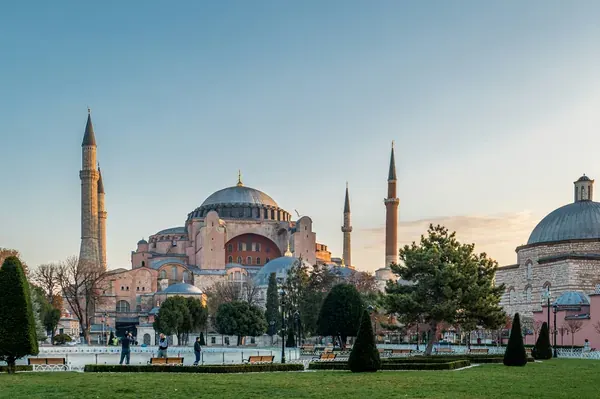
The majestic Hagia Sophia stands as a pinnacle of Byzantine architectural achievement, embodying the empire's innovation with its soaring domes and intricate mosaics. The Basilica of Saint'Apollinare Nuovo provides another glimpse into this rich heritage, showcasing the unique blend of basilical and central-plan design.
Furthermore, Byzantium's legacy extends beyond ecclesiastical structures to include robust monasteries that have withstood centuries, as well as bridges and fortifications that exemplify both functionality and aesthetic grace within their designs.

Hagia Sophia
Hagia Sophia stands as a proud example of Byzantine architecture. Built over a thousand years ago, this massive structure has a huge dome that reaches 32 meters across. Engineers and builders from the past used special supports called pendentives to hold up this giant dome.
Inside, visitors can see beautiful mosaics and tall marble pillars that make the space grand.
This building has been important for many years and is still admired today. It shows how people long ago could combine different design styles into one amazing monument. Hagia Sophia's beauty tells us about the history and skills of the Byzantine Empire.
It also influences architects around the world who are creating new buildings with domes and decorations inspired by this ancient masterpiece.
Basilica of Saint'Apollinare Nuovo
The Basilica of Saint'Apollinare Nuovo stands proudly in Ravenna, Italy. Built by Theodoric the Great, it was once part of a royal palace complex. Today, it shines as a UNESCO World Heritage Site, telling stories from the Ostrogothic kingdom through its walls.
Walking inside, you'll see the Latin-type basilica design with three naves parted by rows of columns. It's famous for showing off Byzantine architecture's beauty.
Look up to find the central nave dressed in stunning mosaics that bring ancient tales to life. These artworks echo a time when pictures told stories and churches were books made of stone and light.
Architects will appreciate how this church blends form and function—a timeless lesson from Byzantine builders who shaped their world with domes and sacred spaces.
Moving past these wonders, one can delve into other structures like monasteries that carry on the story of Byzantine ingenuity across empires and eras.

Monasteries
Monasteries stand as key examples of Byzantine architecture. They show how design can mix beauty with function. Often built during the peak times of the Byzantine Empire, these structures served as homes for those devoted to religious life. Inside, they held spaces for prayer, work, and living. Monks and nuns spent their days in these peaceful places.
The buildings were more than just homes; they were centers for learning and art too. They kept important books safe and often had big rooms called scriptoriums where people would copy texts by hand. Walls inside monasteries often shone with mosaics and paintings that told stories from the Bible or showed holy figures.
Monasteries helped push what we thought was possible in building design during medieval times. They combined domes, symmetrical layouts, and different shapes to make something new and stunning.

Now let's move on to other examples of this style like bridges and fortifications.
Bridges and fortifications
The Byzantine Empire was known for strong fortresses and big bridges. These structures showed the skill of Byzantine architects in making safe and lasting works. They kept Roman building ways alive.
Their walls, towers, and gates were very tough and could stand against attacks.
Bridges allowed people to move across rivers with ease, linking cities together. Fortifications protected those inside from enemies. Builders used advanced masonry skills to make these great structures stand up over time.

Legacy of Byzantine Architecture
The enduring legacy of Byzantine architecture is evident in its substantial influence on the architectural styles of both Western and Eastern cultures, where elements like domes and ornate mosaics continue to resonate within numerous religious structures.
Post-Byzantine design trends in Eastern Orthodox countries showcase a direct line of inspiration from this period, while Neo-Byzantine revivals bring fresh life to traditional forms.
Influence on Western and Eastern architecture
Byzantine architecture left a big mark on building designs around the world. In Western countries, this style changed how churches and important buildings looked. These places started to have large domes and special decorations that came from Byzantine ideas. They also used new ways of making walls and putting windows in them. One example is the Palatine Chapel in Aachen, part of Charlemagne's Palace, with it’s distinct dome.

Post-Byzantine architecture in Eastern Orthodox countries
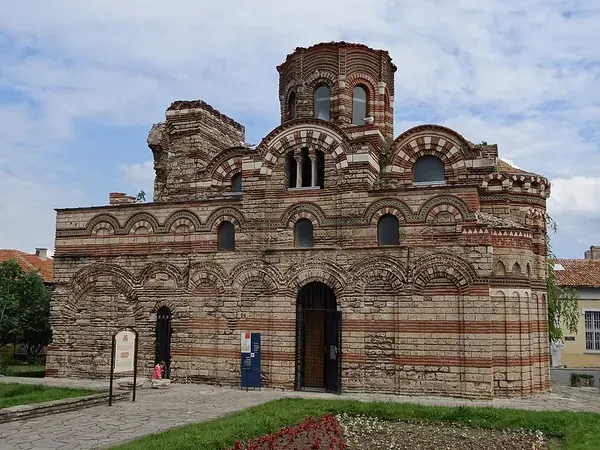
From the rich history of Byzantine influence, we move to its lasting mark on Eastern Orthodox countries. In places like Greece, Bulgaria, Russia, and Serbia, you can see how the old Byzantine style evolved into what we call post-Byzantine architecture.
Builders in these lands took the lessons from Constantinople's impressive buildings and made them fit their own traditions. They mixed local ideas with Byzantine styles to create something special for Orthodox Christian worship.
Today's architects can learn much from studying these structures. They show us ways to blend past designs with current needs and cultures. Understanding this legacy is key to creating buildings that respect history while serving today’s communities.

Neo-Byzantine architecture
Moving forward from the traditional styles of Eastern Orthodox countries, architects began bringing back the grandeur of Byzantine design through Neo-Byzantine architecture. This movement remade features like domes and detailed mosaics in new churches and public buildings.
Builders looked to past wonders such as Hagia Sophia for inspiration, mixing old beauty with modern needs.
Neo-Byzantine architecture shows how ideas from long ago can still shape our spaces today. It keeps history alive by using classic forms of religious and monumental architecture. You can see this style's influence in many places where tradition and heritage are important.
It tells a story of linking the past to the future in stone, brick, and art.

Other Important Byzantine monuments
Byzantine architecture has left us with many great buildings. These important monuments show the skill and style of architects from the past.
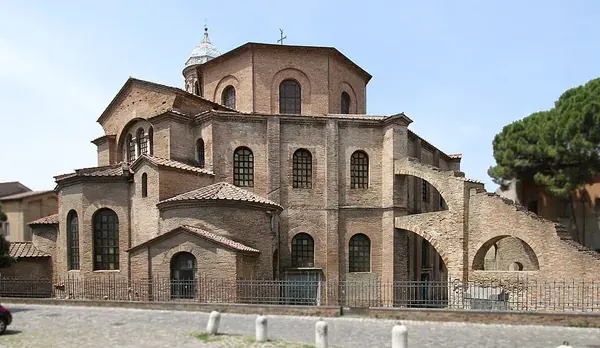
- Basilica of San Vitale: This is found in Ravenna, Italy. Its round shape stands out. The inside has colorful mosaics that tell stories from long ago.
- Church of the Holy Apostles: This one is in Thessaloniki, Greece. It shows off the famous cross-in-square plan many Byzantine churches used.

Contemporary applications and inspirations from Byzantine architecture
Today's architects often look to the rich details of Byzantine architecture for inspiration. The grand domes and intricate mosaics that once filled ancient churches now spark new ideas for impressive spaces.
For example, modern buildings may have large, round roofs inspired by those classic domes. Inside, designers create luxurious looks using patterns and art similar to old Byzantine mosaics and frescoes.

Many new churches also draw from this old style. They might have big central spaces like the ones in Byzantine times but use modern materials to build them. Architects blend traditions from Roman, Greek, Christian, and Near Eastern styles just as the ancient builders did.
This mix helps make buildings that feel both old-fashioned and new at the same time. People still enjoy these places today because they are beautiful and remind us of a long history of building great things.
FAQs
1. What is Byzantine architecture?
Byzantine architecture is a style of building that was popular in the old Eastern Roman Empire with big domes and beautiful mosaics.
2. What makes Byzantine buildings special?
Byzantine buildings are known for their grand domes, detailed mosaics, and use of arches, which make them look majestic.
3. Can I see Byzantine architecture today?
Yes, you can see Byzantine architecture today; famous examples include Hagia Sophia in Istanbul and Saint Mark's Basilica in Venice.
4. What colors are used in Byzantine mosaics?
Byzantine mosaics often use bright golds, blues, and reds to create pictures and designs on walls and ceilings.
5. Why were domes important in Byzantine churches?
Domes were important because they represented heaven above and made the inside of churches look bigger and brighter.
Explore More Architecture Styles
If you enjoyed learning about Byzantine Architecture, you might also be interested in:
- Romanesque Architecture: The style that bridged Byzantine and Gothic traditions
- Gothic Architecture: How pointed arches and flying buttresses evolved from Byzantine domes
- Renaissance Architecture: The revival of classical forms inspired by Byzantine grandeur
Want to model Byzantine domes and arches in 3D? Our Rhino for Architects Course teaches you to recreate complex architectural forms digitally.

Rhino for Architects Course
Give your architectural skillset a major boost with the Rhino for Architects Course. Get over 60 hours of focused training tailored specifically for architects. Master commands and techniques to model, render, and animate architectural visualizations at the highest level. Click below for more information and watch your designs come alive!