How is it that a civilization with no electric tools (or even dynamite) could move 52 ton boulders, stack them, and create the Inca Architecture?
How is it that the Inca, with no cars or electricity, could implicate modern American urban planning concepts and do it across an entire empire?
It couldn’t be anything other than sheer Inca manpower.
What does manpower look like?
Inca Architecture: The Empire with The Largest Stones
Manpower looks like the largest empire (at the time) stretching 2,500 miles in South America.
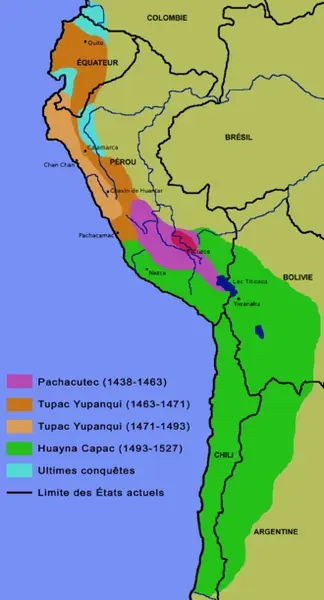
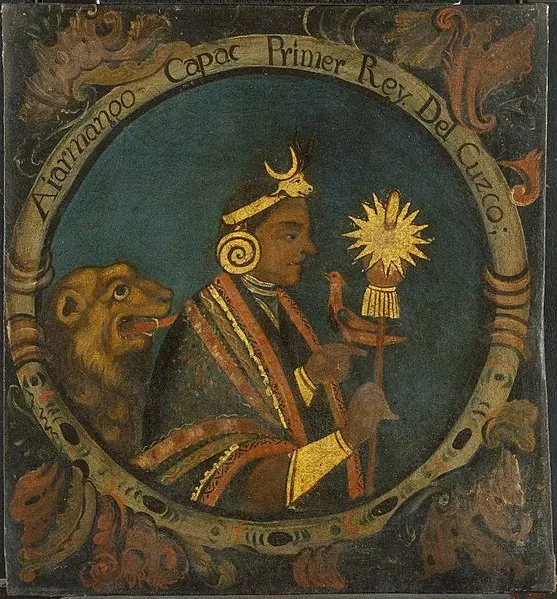
It all started when one man led a migration of native south americans to the Cuzco Valley.
From here, expansions from discovering new land and conquering civilizations led to the empire's massive size.
With this massive size came a massive government and the 10 million people that served it.
Inca Government and its Inca Architecture
The Inca Government was the backbone of these magnificent buildings as it was a massive system that told people what to make and when.
Just like the U.S., the Inca had federal and local governments.
The king, a high priest, and his court was at the top of the food chain. But the local government was where the beef was.
(By beef I mean manpower of course)
These local governments served Ayllus
Ayllus were the districts or sectors of towns controlled by the local government.
These Ayllus determined what a community would produce, what would be given to the government, and what would be built.
But the REAL beef was in the government requirement called the Mit’a; which required adult males to work on construction projects.
It was actually an honor to serve the community this way. So thank the next construction worker you see.
This is what made these civilizations come to life! What exactly did they build?
Trapezoids: Inca Architecture Design
To first understand what the Inca built, we have to first understand who they built from.
While the first incas were led to Cuzco and the empire was expanding, they encountered the stone architecture of a small group of people known as the Tiwanaku.
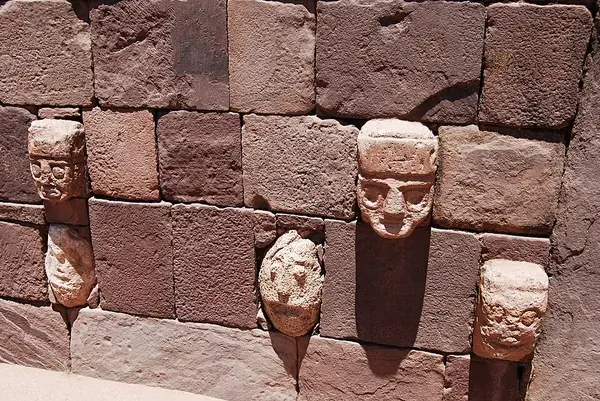
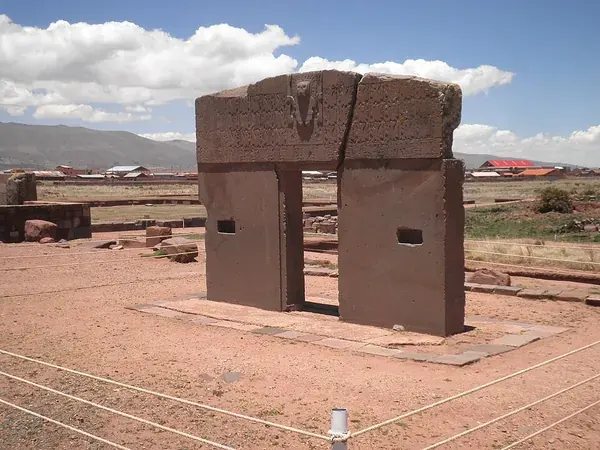
From Tiwanaku, Incan Architects (yeah they had architects) made their plans (and sections too) to make great stone cities.
However, Inca Architecture is known for its own beautiful quality as the great equalizer between the government and its citizens.
Inca Architecture Facts
Inca Architecture exhibited strong engineering techniques.Not only that, but besides size, there were few differences between the characteristics of government buildings, temples, neighborhoods, and homes.
In fact, almost all buildings had:
- A rectangular floor plan
- One, double jammed entrance
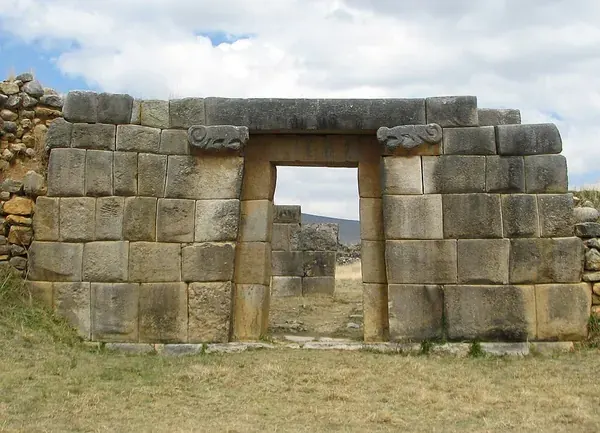
- Sloped Walls
- Large stone walls
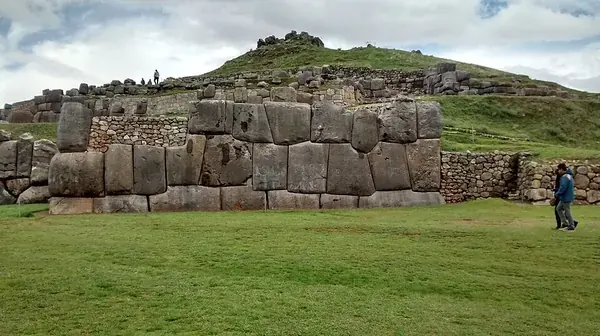
- Been built into hillsides
- Trapezoidal openings
- Large Stone Lintels
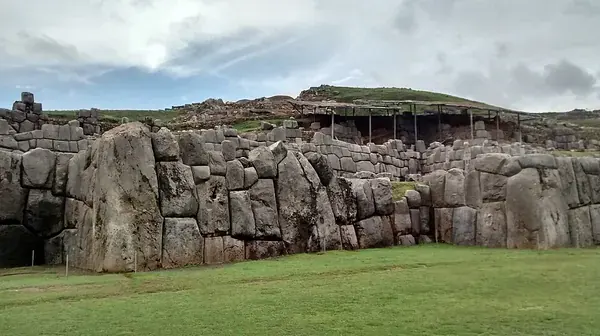
In a land dominated by earthquakes, the most important characteristic of these buildings were their sloped walls. This was a grand engineering feat, and the reason we can still study their architecture today.
Other than that, few rare buildings like temples, palaces had:
- A huge floor
- Pre-planned stone wall layouts
- Curved walls (very rarely)
- Gold and Silver surfaces
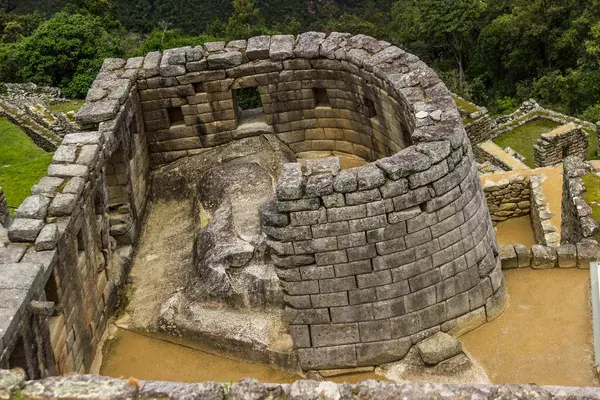
No matter what the building, they had no sculptural or decorated elements. A precursor to modern architecture as material and form dominated design.
Same, Same: Buildings Typologies of the Inca Architecture
Even though building form was consistent with every building in the empire (imagine that now), building types still determined construction of the building.
Homes
Homes were, of course, constructed by the family that lived in them, not government workers. The scale of the stones used for homes were small compared to the large boulders for public buildings.
Homes were either constructed by fieldstones that were mortared together like brick or by adobe (dried mud) stacked together; depending on the climate.
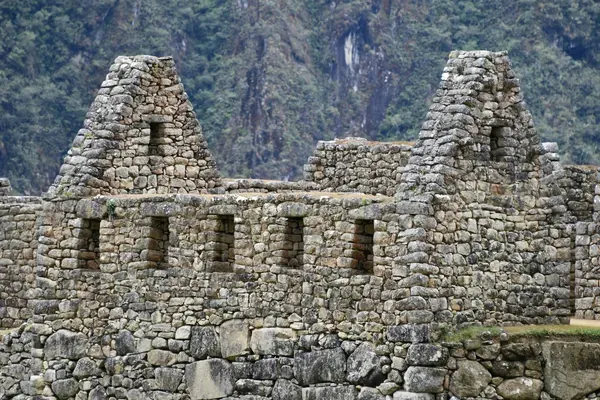
Remember, the Inca empire covered anything from desert to rainforest.
However, the details and engineering that went into these homes were like none other. Again, at this time.
These details all went into the roof.
Roofs were made out of reed and grass. Reed and grass were tied to wooden poles.
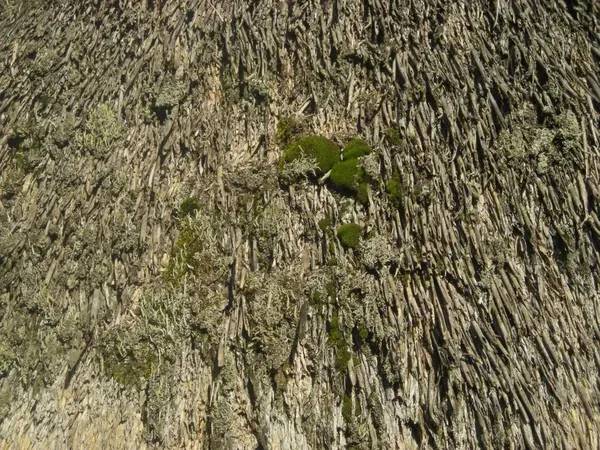
But these wooden poles were tied to pegs carved into the stone. A very small detail, yet beyond innovative.
This just shows the level of detail that the Inca carved their stones with. They even carved pegs to hang clothes within their wall stones.
These details didn’t stop there, even the storehouses were designed beautifully!
Collcas
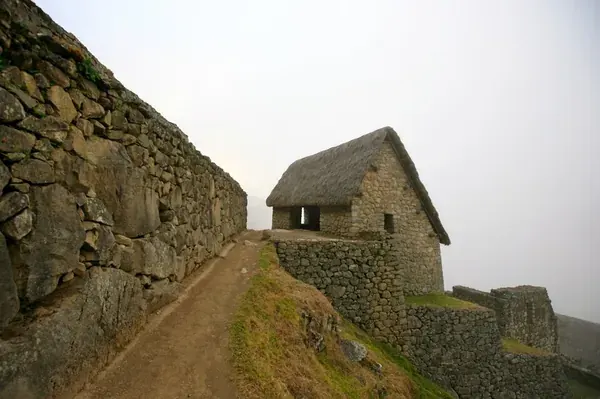
Collcas were storehouses that were placed alongside roads and highways. Almost like Gas stations and shopping centers along turnpikes, but this was no mag miles, or hollywoodstrip.
These storehouses were used to store surplus goods, sell surplus goods and even store sleeping travelers.
These buildings were constructed just like houses, but with one major design specialty. They were built along hillsides and constructed with a gravel floor so that the buildings could not hold water for very long.
This inventive draining system changed the game for storing goods. The drying system revolutionized the storing of surplus crops. Feeding villagers, travelers, visitors, and kings.
But imagine sleeping on that gravel…
Ushnu
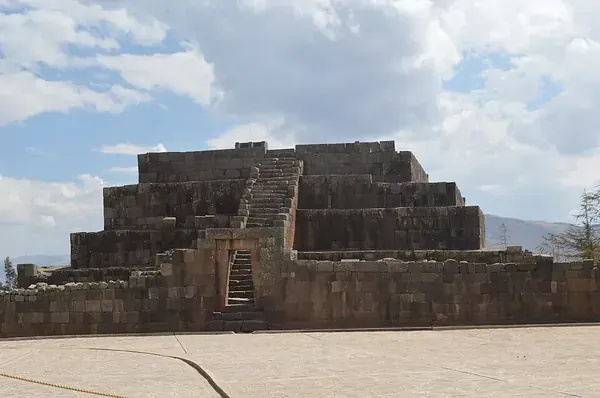
Ushnu are like the tops of buildings, or the stairs you climb to overlook the ocean.
These were viewing platforms for kings, priests, and government officials purely for the purpose of overlooking events and addressing citizens. They even looked like pyramids.
Differing from homes and Collcas, these are a public form of architecture so this was a high priority in design as a symbol of strength and the empire.
It was because of this that these buildings were made out of giant stones sometimes weighing hundreds of tons.
It took months just to build one wall.
And this was the case for all public buildings. This is why the manpower from the Mit’a was so important as it took thousands of men to cut, carve, carry, place these stones.
Palaces and Temples
Palaces and Temples in the Inca empire were hardly different from homes. Except for their scale and their placement among the city.
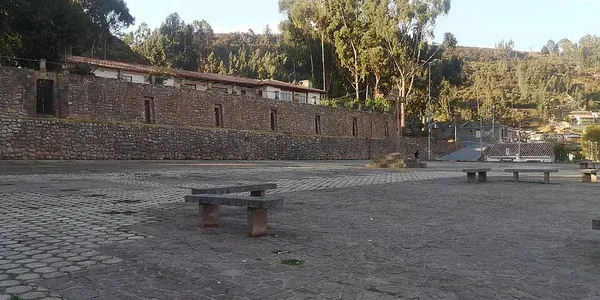
They were still made from the same nearby stones. They rarely had more than one entrance. They still had the same trapezoidal openings. But they were in a different “government section” of the city. Generally near a plaza.
The unfortunate thing about these temples and palaces is that once the Spaniards took over the Inca Empire, they ruined the Inca buildings.
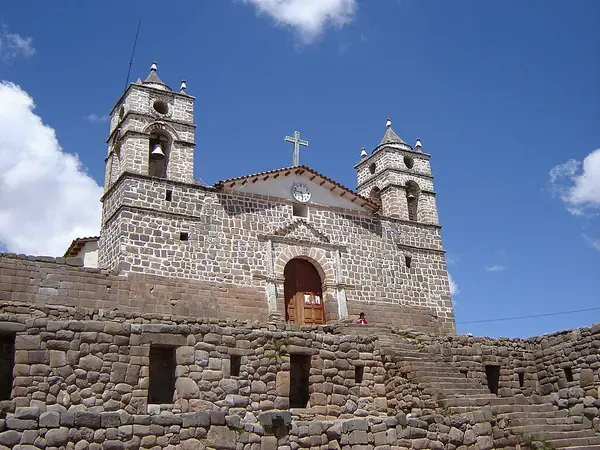
Not by destroying them. But by building Spanish buildings on top of them.
I can hear Spaniards now, discussing just how great foundation builders the Inca were.
Aside from that point, just like Ushnu, Palaces were built out of giant stones. That seems to be the only thing consistently differentiating between homes and public buildings.
How were these structures put together out of hundreds of tons of rock?
Well let's dive into this manpower the Inca were so proud of.
How The Heck Did They Move Those Stones
I have always wondered how ancient civilization cut boulders, and stacked them. So when I read just how the Inca did, I couldn’t believe how genius it was.
These rocks came in huge quantities because of the mountainous landscape of the regions in the Inca empire. Of these rocks, the most prominent were Yucay Limestone and Andesite (granite).
This process was used for public and government buildings, as well as walls for fortification.
Step 1: Quarrying Stones
The process of quarrying stone for me is the most interesting.
The process goes as follows:
First, the Inca found naturally occurring cracks in the rock quarries and opened them with bronze stone tools.
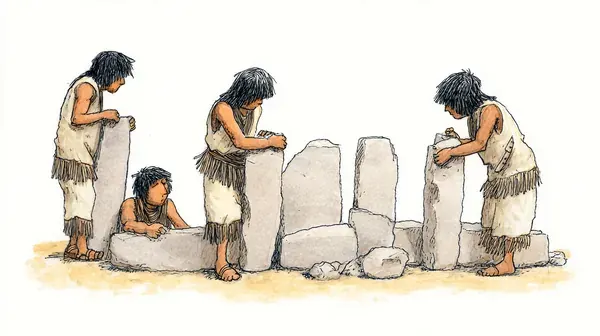
Then, they wedged wood into the crack and poured water onto the wood. This caused the wood to expand and opened the crack wider.
After, they repeated the process with larger wood wedges until the rock was separated completely. Oftentimes divots or handles would be carved in the stone to make it easier to maneuver.
This process of expanding wood to crack rock is absolutely genius. A great alternative to dynamite.
Step 2: Moving Boulders
After the boulder is separated, ramps are built to the insertion points in the wall or landscape.
This was also an absolutely crazy task. Hundreds of men tied ropes around the boulder and dragged the boulder to and up the ramp.
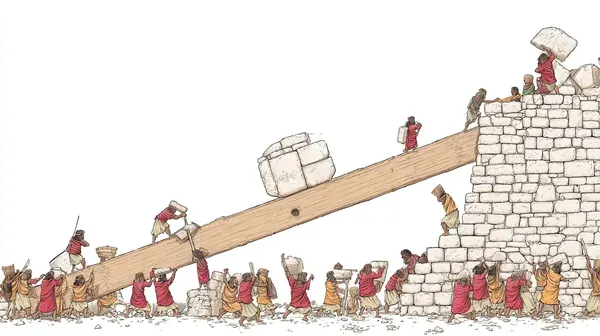
Now, the Inca were too smart just to drag a boulder across the ground. The Inca rolled the boulders over logs used almost like wheels.
If only they invented the wheel too.
Step 3: Finishing the Boulders
As soon as the boulder was rolled to the wall, a crew would chisel the rock so that it could fit the wall. This was very important to the Inca.
In all buildings, except for homes and collcas, these boulders and walls did not have any mortar. The Rock had to fit perfectly with no gaps.
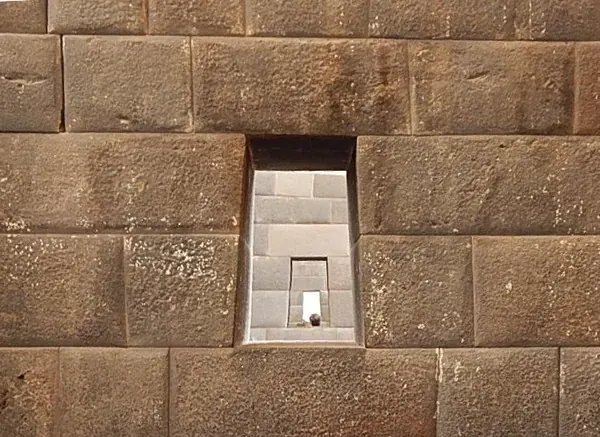
In order to do this, rocks were stacked and chiseled one at a time in order to ensure this perfect fit.
After the boulder was carved to fit, it was then rubbed with sand and gravel in order to shine and finish the rock.
Because of how perfectly these rocks fit together and how long it would take to build these walls, it is thought that part of an Inca architect’s job was to design just how these rocks fit together.
The Architects job had more to do with city planning, infrastructure, and opening placement.
What urban infrastructure was designed for the network of the Inca Architecture?
Let’s check it out.
Urban Infrastructure of Inca ArchitectureThe Veins of a Nation
Inca cities were amazing symbols of engineering, manpower, and equality. But what exactly connected these cities?
Paths
Well, the Inca actually had sidewalks, town roads, and even a highway system. Just like the rest of the built things in the empire, they were made of laid stone.
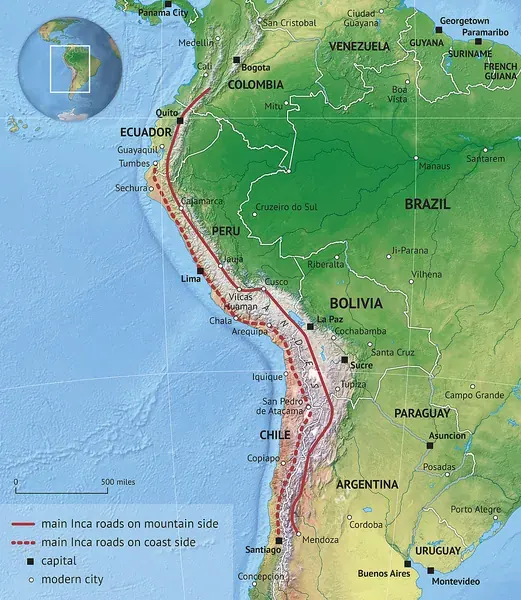
They weren’t just laid with stone, but they went over mountains, went through valleys, and even crossed bridges over depths that would kill you if you fell.
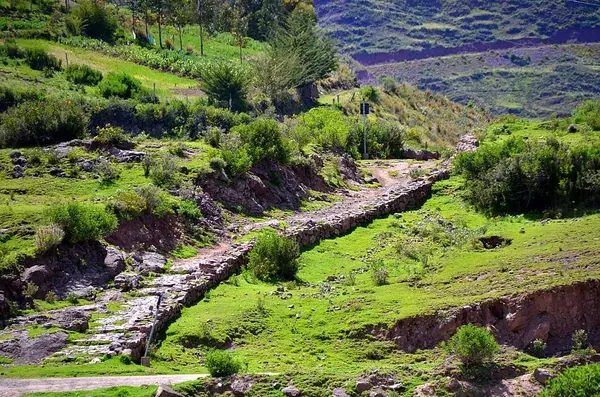
Yeah. Those bridges are still up.
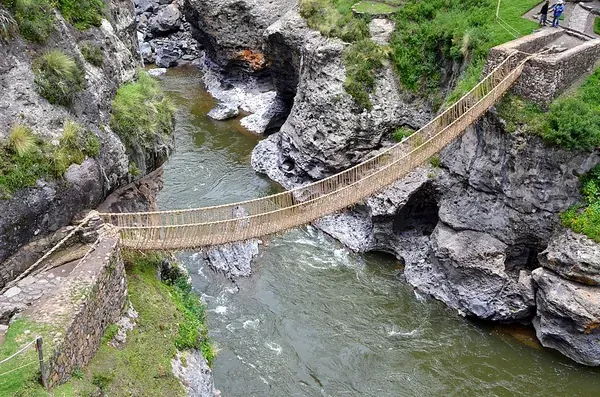
Not only that, but these highways played an integral part of the spread of the empire. Just like American Highways, towns began popping up around this highway system as these were the veins of the empire.
Hill Terracing
If you walked into an Inca City right now, it isn’t the road, buildings, palaces, or boulders that you would even notice first. It is the hill terracing. This may be the most interesting and ingenious part of Inca cities.
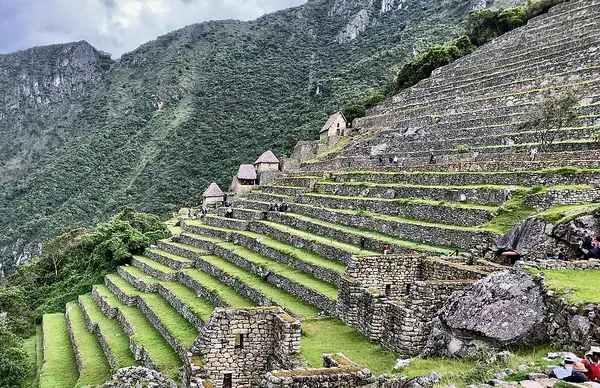
This terracing is absolutely magnificent.Using the topography of the landscape, the Inca came up with their own topographic lines. These lines were used to flatten the mountains and hills into steps.These steps were then used for farming, beautiful gardens, irrigation, and even lawns for houses. When I mentioned that some buildings were built into the hillside. They were built into this absolutely complex system of Hill Terraces.
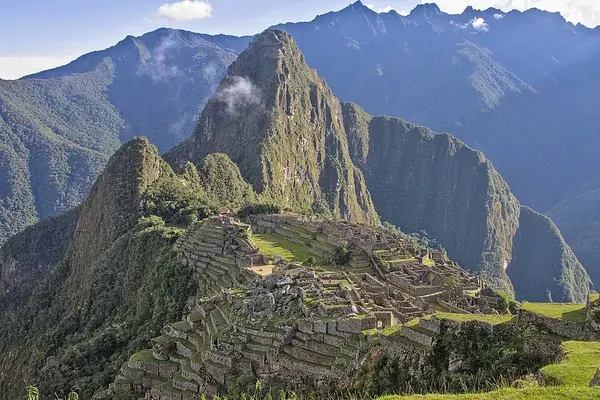
How exactly? By stacking stones.Terracing was what outlined the Inca cities and determined their organization.This organization played a huge role in the city's social centers.
Urban Planning
The organization of cities happened at many scales. The smallest of these scales being the homes for groups called Kanchas.
Kanchas were in a way like neighborhoods. They were groups of houses that were enclosed in a wall and often composed of families’ houses. If we move up in scale, groups of Kanchas were used to make blocks and each block was split with a pedestrian walkway dividing them.Further up in scale again (were almost finished), blocks were organized around two things.
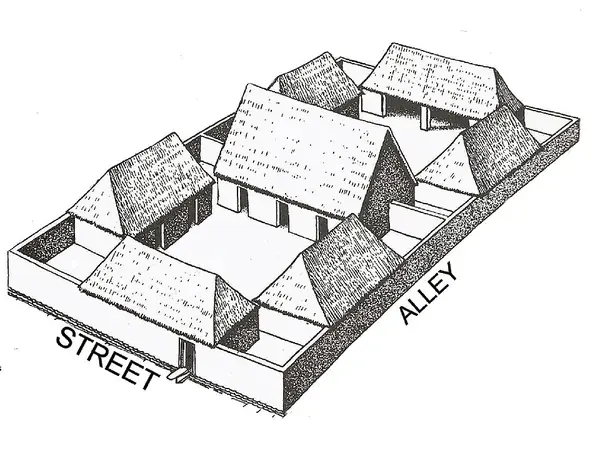
They were organized along a north-south axis set forth by the “administrative center” of the city.They were also organized around plazas in the city to give a place for these Kanchas to communicate and meet.The organization of these administrative centers, plazas, blocks, and Kanchas is what made up whole cities.
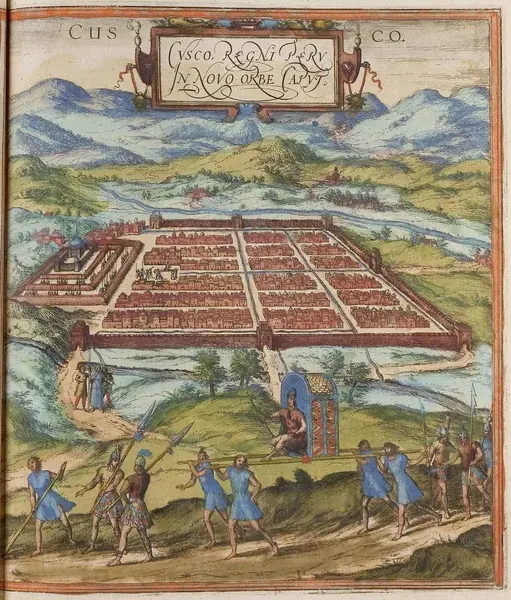
These cities set forth urban planning scales and techniques that we still use today; and by today, I mean the early 1900’s in the garden city movement.
Final words about Inca Architecture Today
With all these techniques, all this hard work from citizens, and the amazing buildings that have survived earthquakes, Spanish take-over, and an entire half-century, there’s no doubt in the reason why we still study Inca Architecture.But these projects are still around. In fact, you can take full day tours of the valley where cities like Cusco, Pisac, Machu Picchu, and Ollantaytambo are located.This Sacred Valley is located in the southern part of Peru and open to all visitors!If you're interested to know more about some similar empires, you may want to check out our piece on Aztec Architecture. Check it out!
Explore More Architecture Styles
If you enjoyed learning about Inca Architecture, you might also like:
- Aztec Architecture: Another great Mesoamerican civilization and their building achievements
- Mayan Architecture: Pyramids, temples, and the astronomical precision of Mayan builders
- Ancient Babylonian Architecture: Temples, ziggurats, and the legendary Hanging Gardens
Want to recreate ancient architectural forms in 3D? Our Rhino for Architects Course teaches you how to model complex structures from any era.
Rhino for Architects Course
Give your architectural skillset a major boost with the Rhino for Architects Course. Get over 60 hours of focused training tailored specifically for architects. Master commands and techniques to model, render, and animate architectural visualizations at the highest level. Click below for more information and watch your designs come alive!