Have you ever wondered about the origins and inspirations of the beautiful buildings we see today? The Renaissance period, between 1400 to 1600 AD, gave birth to an architectural style that continues to shape our built environment. This blog post will take you on a journey through the history and influence of Renaissance architecture, showcasing its distinctive characteristics and notable examples. Ready for your tour into the majestic world of Renaissance architecture? Let's embark!
Key Takeaways
- Renaissance architecture began in Italy around 1400. It uses styles from old Greece and Rome.
- This style of building spread all over Europe. We can still see its impact today.
- Key parts of this style are balance, size, and beauty. All parts work together to make a pleasing whole.
- Some famous places made in the Renaissance style include St. Peter's Basilica and the Florence Cathedral.
Definition of Renaissance Architecture
Renaissance architecture started around 1400 in Italy. It soon spread all over Europe. This style made use of forms from ancient Greece and Rome. It was part of a larger "rebirth" of these old cultures.
Humanist views shaped the movement, as did old Greek and Roman building ideas that were found again. These architects loved using math in their plans to get perfect shapes and size relations.
Things had to be even on both sides (symmetry), with simple yet grand designs that were pleasing to the eye (geometry). The goal was harmony: everything in its right place for balance.
In other words, it took tips from nature's beauty but added human brain power!
Importance of studying the past
Looking back in time is key for architects. It gives clear views of how styles and ways have changed. By studying the past, we learn about cultural and historical parts of the Renaissance time frame.
This helps us see how building design has grown and changed over time. We gain new ideas from old styles, techniques, and cultures. Also, it allows us to value how much impact the Renaissance period has had on architecture today.
Historical Development of Renaissance Architecture
Born in the heartland of Italy, Renaissance Architecture blossomed under the shade of humanistic philosophy and influences from Classical Greece. From its roots, it grew into a magnificent tree, branching out across Europe with soaring arches and imposing columns.
This marked the rise of architectural theory that played an instrumental role in shaping the skylines from Florence to Milan, Estonia to Poland while incorporating Dutch and Swedish influences in their way.

To learn more about how this evolution unfolded and changed our perspective towards architecture forever, dive deeper into this world where symmetry meets proportion!
Origins in Italy
Renaissance Architecture first blossomed in Italy between 1400 and 1600. The art of building took a great leap at this time. Italian towns like Florence led the way. Architects turned to old Roman art for ideas.
They saw beauty in these classic works and used them as guides. This broke fresh ground for architecture all over the world, not just in Europe.

Rise of architectural theory
Smart minds started to think about how to build things in the 1400s. They loved old Greek and Roman works. This love gave birth to new ideas for building. These ideas were not just about looks but also size and shape.
In Italy, these thoughts led to the rise of architectural theory. It was more than just making a strong building that would stand tall for years. The aim was beauty and harmony as well through symmetry and proportion, very much like classical Greece had done before them.
Architects stood up with this style all over Europe soon after it spread from Florence, Milan, and Estonia, Dutch influences can be seen too along with those Swedish ones! Even today we see this trend play out in our lives from city skylines to houses around us.

Spread to other parts of Europe
Renaissance architecture did not stay in Italy. It moved to other parts of Europe too. Spain, France, Germany, England, and Russia all saw this new style. This change happened at different times and had different effects.
For example, the Gothic style gave way to the Renaissance style in these countries over time. Countries like Russia, France, Germany, and Spain began building with the look of Italian Renaissance buildings.
This spread shows us how powerful and important this type of architecture was.
Characteristics of Renaissance Architecture
Renaissance architecture shines with symmetry, proportion, and a clear adherence to classic Greek and Roman styles. Early Renaissance work harnessed simplicity and balance while High Renaissance took on a more complex outlook with grandeur designs.
The phase of Mannerism experimented with unconventional techniques that often distorted traditional rules. Elements of design ranged from the basic plan facade to intricate details in columns, arches, vaults, domes, ceilings, doors, windows, and walls.
Design Elements
Renaissance architects made use of many elements in their designs. They drew up plans to create grand buildings. The facades of these buildings were often impressive and decorated with fine details.
Columns added beauty and helped to hold up the building. Arches, both open and blind, added style and support too. Vaults and domes allowed for big, tall spaces inside. Ceilings had art such as paintings on them for an extra touch of beauty.
Doors went beyond being entryways; they were adorned with rich ornamentation just like windows, which also let light flood into the rooms. Walls didn't just divide space but served as a canvas for decorative details too.

Different phases: Early Renaissance, High Renaissance, Mannerism
The Early Renaissance phase brought back classical ideas. Architects in this time used balance and equal parts in their buildings. There was a focus on being exact like the old masters.

Then, the High Renaissance came about. Famous artists like Leonardo da Vinci, Michelangelo, Donato Bramante made big changes. They blended art with building design to make it look better as a whole piece. They wanted everything to work together in harmony.

Mannerism marked the end of the Renaissance era. This style loved new things and played around with designs more than before. Things were not always balanced or even, but they were complex and smartly done.

Notable examples of Renaissance architecture: - St. Peter's Basilica
St. Peter's Basilica
St. Peter's Basilica in Vatican City stands as a pinnacle of Renaissance architecture, showcasing the grandeur and intricate details synonymous with the era.

Florence Cathedral
The Florence Cathedral stands tall in Italy. This grand building is a blend of Gothic and Renaissance art styles. The big dome is an important part of its look. This dome was a big leap in the early days of Renaissance architecture.
This cathedral has sparked new ideas over time. It helped to inspire other artists and architects during the Italian Renaissance period. Today, this work of art is not just special for Italians but it's adored by people all over the world as a UNESCO World Heritage Site.

El Escorial
El Escorial is a jewel of the Renaissance style. Built in the 16th century, it changed Spanish architecture forever. Its design might take cues from Romano's Palazzo Te in Mantua. El Escorial stands out with its stark, bare look known as "herreriano".
This break from older styles shook up Spanish construction massively.

The Sistine Chapel
The Sistine Chapel stands as a strong example of Renaissance architecture. This building is known around the world for its artwork inside, most notably the frescoes by Michelangelo.
He spent four years, from 1508 to 1512, painting the chapel's ceiling. These works are often seen as the high point of Renaissance art. Young artists learn much from these pieces and view the chapel as an art school.
The history of art holds this place in very high regard for its impact and importance in shaping Renaissance aesthetics.
Piazza del Campidoglio
Piazza del Campidoglio sits atop Rome's ancient Capitoline Hill. It got its design from Michelangelo in the 16th century. This makes it a must-see for anyone who loves Renaissance architecture.
The square is ringed by three buildings, each one adding to its beauty and importance. The layout of the square shows off key signs of the Renaissance period like balance and use of old styles.
Everything about Piazza del Campidoglio tells us about the great skill of architects at that time.

Basilica Palladiana
The Basilica Palladiana sits in the heart of Vicenza, Italy. Italian Renaissance architect Andrea Palladio designed this building. He is famous for his work and the Basilica Palladiana shows his skill well.
You can see great arches here which are part of why this place is known worldwide.This building did more than just look good. It helped change how people made buildings in the Veneto region. The styles you see in urban houses and villas came from places like the Basilica Palladiana.
These changes spread across Europe too, all the way from Portugal to Germany.

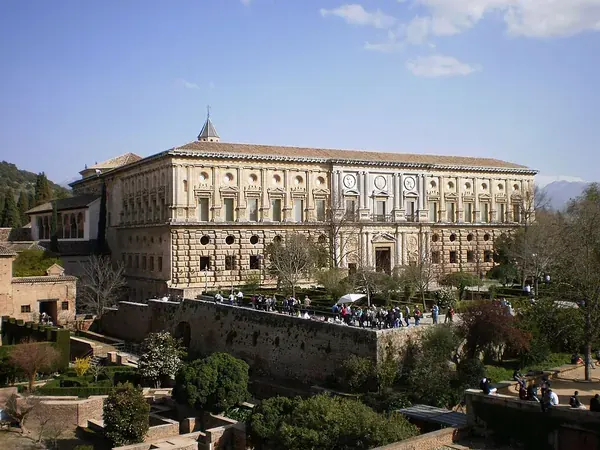
Palace of Charles V
The Palace of Charles V is in Granada, Spain. It sits within the Alhambra complex. Spanish empire built it after they beat the Nasrid dynasty. Pedro Machuca, who learned from Michelangelo in Italy, crafted this palace.
This building shows high Renaissance architecture in Spain very well. People know it for its large size and how it stands out inside the Alhambra complex.
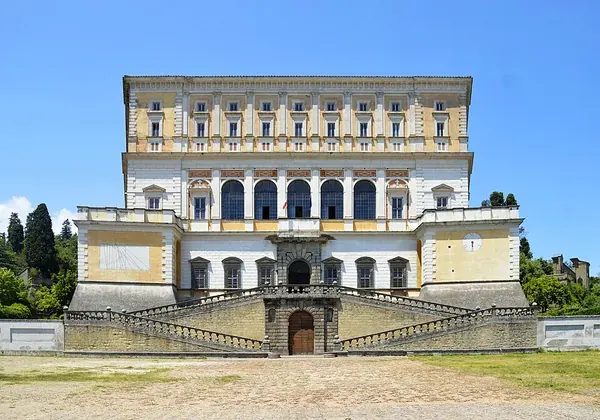
Villa Farnese
Villa Farnese is a jewel from the 16th century. This great work of Italian Renaissance art stands in Caprarola, Italy. Architect Vignola took charge of its design for Cardinal Alessandro Farnese.
The Villa shows what was vital in that era's building style: balance, the right size looks, and cues from older styles.
Burghley House
Burghley House stands tall as a grand example of Renaissance architecture. Set near Stamford, it shines like a gem in Lincolnshire's architectural trove. Lord Burghley built this iconic mansion in the late 16th century.
His love for architecture shows clearly in its design which combines powerful defensive features with the beauty of the Renaissance period. This fusion makes Burghley House unique and tells us about Lord Burghley's vision and influence on his time's architectural styles.
Today, it remains an important part of Stamford's rich architectural heritage, loved by architects for its masterful balance and style.

Legacy and Impact of Renaissance Architecture
Spread to the Colonial Americas
Renaissance architecture made its way to the Colonial Americas. This style blended with local traditions. Grand buildings rose up with symmetrical designs and rich details. Even today, you can spot this influence in many places.
The design principles of the Renaissance live on in historic buildings we work hard to save and restore. It's clear that while oceans may separate us, art and ideas know no bounds.

Influence on later architectural movements
Renaissance architecture left a big mark on future styles. Many things we see today in Baroque and Gothic Revival styles came from this time, as well as the characteristics of Italianate style of architecture. This era gave us new ways to talk about buildings. It also influenced other architectural styles, ones you'd rarely think to connect to it - for instance Spanish Colonial Revival.
People around the world still use these terms today. The work of Renaissance architects changed how we think about space in buildings. Their ideas can be seen all over, even in famous buildings you might know!
Contemporary influences
Renaissance architecture leaves a big mark today. Its ideas live on in many new buildings. It made people love the looks of ancient Rome and Greece again. Now, architects use those old styles to make their own new designs.
They take the balance from Greek buildings and the grand size of Roman ones. This style also changed how we teach architecture across the world. Schools now help students learn about all kinds of past styles, not just new trends! Many famous sites like The White House in America show this deep love for Renaissance design too!

Conclusion
Springing from 14th-century Italy, the Renaissance has influenced not only European but also worldwide architecture.
You might want to dig deeper into Renaissance architecture. There are many books and online resources you can use! Rich sources of information include the works of Giorgio Vasari. He wrote about great artists from the Renaissance period in Italy.
Think about reading Leon Battista Alberti's writings as well. He gave us a good look at the theory behind this style of building. You will find detailed ideas on plan, facade, columns, and more in his work "De re Aedificatoria".
It is a treasure for those who love to learn about old buildings and skills.
FAQs
1. What is the meaning of Renaissance architecture?
Renaissance architecture means building style from early 14th to late 16th century during the European Renaissance period.
2. How did Renaissance architecture start?
Renaissance architecture began in Italy in the 15th century when architects started to study ancient Greek and Roman buildings.
3. Why is Renaissance architecture important?
Renaissance architecture is important because it changed how people designed buildings, focusing more on beauty, balance, and order rather than just function.
4. Did other places use the Renaissance style besides Italy?
Yes, many countries like France, Spain, and England used the Italian idea of Renaissance design in their own way to build landmarks.
5. Can we still see examples of Renaissance Architecture today?
Absolutely! Many famous landmarks such as The Louvre in Paris or St Peter's Basilica in Rome are examples of grand structures influenced by Renaissance styles.

Rhino for Architects Course
Give your architectural skillset a major boost with the Rhino for Architects Course. Get over 60 hours of focused training tailored specifically for architects. Master commands and techniques to model, render, and animate architectural visualizations at the highest level. Click below for more information and watch your designs come alive!