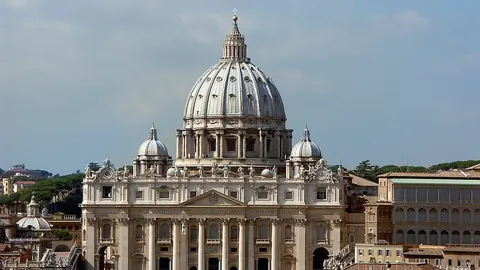
Understanding the intricacies of architectural styles can often seem like a challenging task. Spanish Colonial Revival Architecture fuses elements from several cultures, bringing forth a unique aesthetic that has charmed architects and art aficionados alike for over a century.
This blog will guide you through the rich history and distinctive features of this style, unveiling how it continues to capture hearts with its timeless appeal. Discover the allure waiting in each stucco wall and terracotta tile as we delve into an architectural treasure.
Key Takeaways
- Spanish Colonial Revival Architecture combines old Spanish, Mediterranean and Mission styles to create buildings with red tile roofs, white stucco walls and soft arches.
- This style began in the early 1900s and became popular in warm places like California and Florida because it's suitable for sunny weather.
- Designers use carved wood details for doors and beams to add beauty and remember how people built things long ago.
- You can see this type of architecture all over the world because it's adaptable and blends local culture with Spanish history.
History of Spanish Colonial Revival Architecture
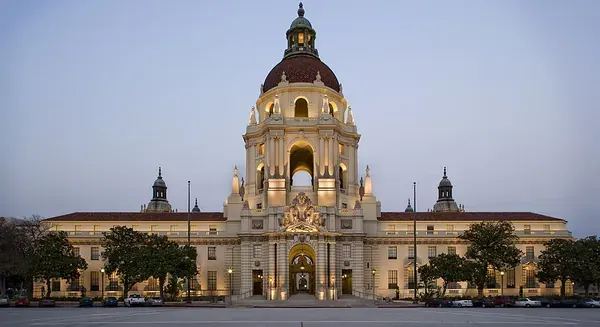
The Spanish Colonial Revival Architecture, a dynamic fusion of Renaissance and Moorish design elements, originated in the early 20th century as part of a broader revivalism movement that swept through American architecture.
Its roots can be traced to the Panama-California Exposition held in 1915, where the style gained national attention due to its romantic reinterpretation of colonial Spanish structures.
This architectural form drew heavily from both Mediterranean and Mission Revival styles, incorporating their quintessential features like terracotta tiles and wrought iron detailing while remaining distinct with its unique characteristics.
The trend swiftly became prevalent across warm climates such as California and Florida, capturing public imagination with its nostalgic appeal that paid homage to America's Spanish-colonial past and catering to an era's fascination with historicist designs.
Development of style
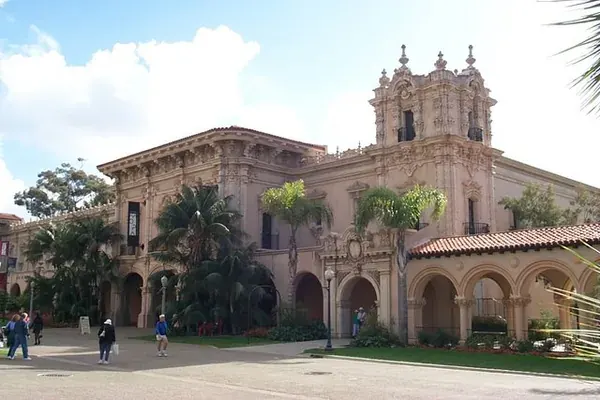
Spanish Colonial Revival architecture grew from a deep love of Spanish and Mediterranean building styles. Around the early 1900s, people in the United States started to really like how houses looked in Spain and by the sea in places like Italy and Greece.
Builders began creating homes that felt both classic and modern, mixing old-world charms with fresh ideas. They used smooth stucco walls, put red tiles on roofs, and added soft arches to doorways. Inside, they carved wood for doors and beams while making sure each house had a cozy courtyard for families to enjoy nature.
This style quickly caught on in warm places like California and Florida where the sun shines bright just like it does around the Mediterranean Sea. It reminds many folks of relaxing vacations or beautiful postcards with sunny skies.
Influence of Mediterranean and Mission Revival styles
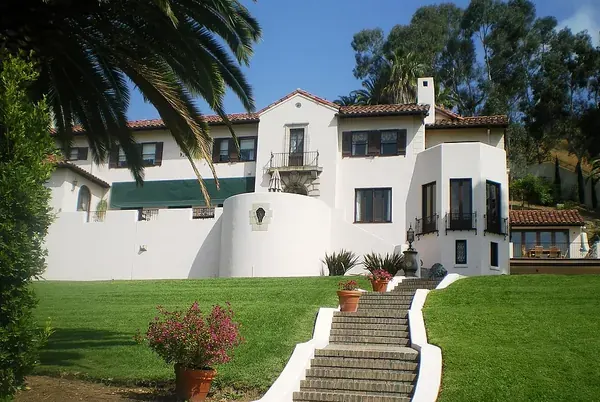
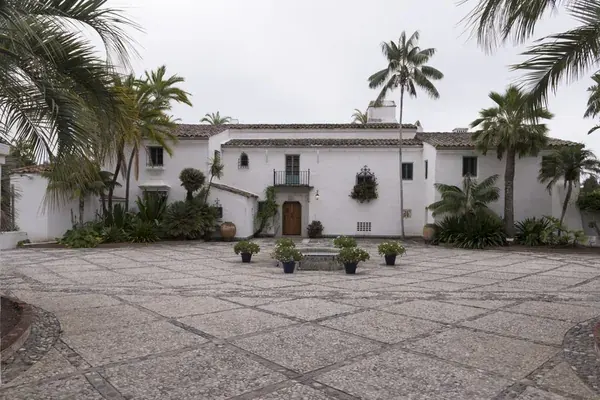
Mediterranean Revival style left a big mark on Spanish Colonial Revival architecture. This style mixes ideas from the Italian and Spanish Renaissances. It loves beauty from old Europe and nature.
Bright, open spaces invite the outside in, with courtyards and gardens that feel peaceful.
Mission Revival also adds to the charm of Spanish Colonial homes. It brings back shapes and details from old missions - those special places where people lived and prayed together long ago.
The bell towers, rough stucco walls, and curved doorways make these buildings stand out.
Popular in California, Florida, and other regions
The Spanish Colonial Revival architecture quickly found a home in places like California and Florida. These areas, with their sunny skies and warm weather, were perfect for the style's breezy layouts and outdoor living spaces.
Homes, public buildings, and even schools began to showcase the Spanish Revival look with its white walls and red-tiled roofs.
In Florida, cities such as Miami embraced the flair of Spanish design by adding lush gardens and courtyards that fit well with the local climate. In contrast, California's love for open space made this architectural style a natural choice for residential areas.
The charm of Spanish Colonial Revival spread beyond these regions too, influencing designs in other parts of the Southwest where similar climates called for cool interiors protected from intense heat.
Key Design Elements
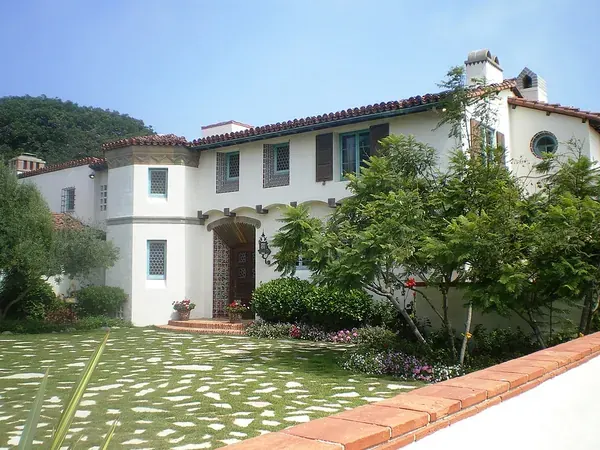
In the realm of Spanish Colonial Revival Architecture, the key design elements are unmistakable and deeply evocative of its rich cultural heritage. Pristine white stucco walls serve as a canvas for shadows and sunlight to dance upon, while red clay tile roofs imbue structures with a warmth reminiscent of Mediterranean climates.
Soft arches beckon entryways into serene courtyards, creating fluid transitions between indoor and outdoor spaces. Intricate carved wooden details adorn doors and windows, echoing the skillful craftsmanship passed down through generations.
These hallmark features not only define the aesthetic but also showcase functionality tailored to both historical contexts and contemporary applications in architectural designs across various regions.
White stucco walls
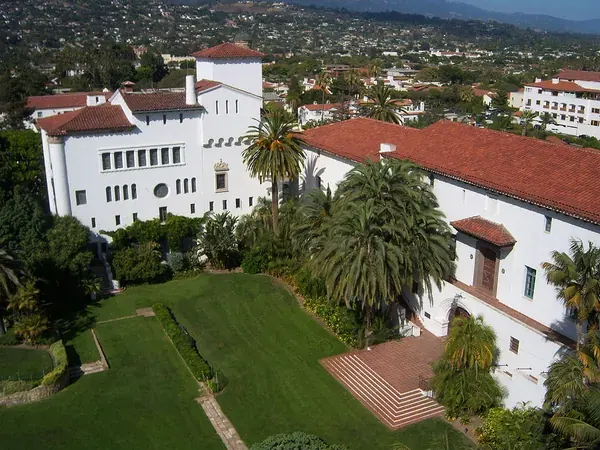
White stucco walls are a big deal in Spanish Colonial Revival architecture. These walls have a smooth, bright surface and they're made from stucco, a mix of cement, lime, and sand.
Architects like you know that these walls aren't just pretty; they also help keep houses cool inside when it's hot outside.
People see white stucco on lots of Spanish-style buildings. They give the structures a clean and classic look, which is why many folks love this style. If you're planning to design something with that old-school Spanish charm, don't forget those famous white stucco walls!
Red clay tile roofs
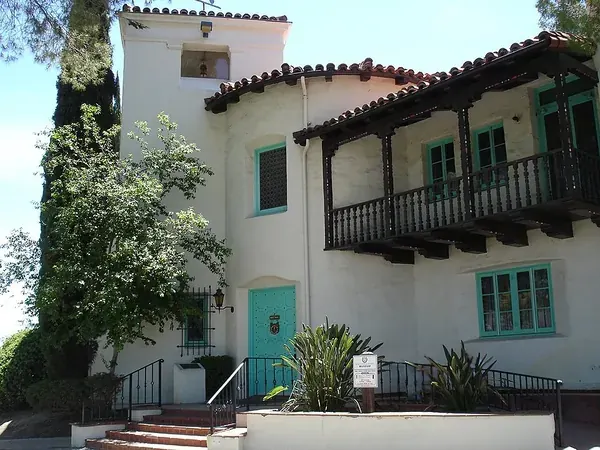
Red clay tile roofs are a signature feature of Spanish Colonial Revival architecture, setting these buildings apart with their warm, earthy charm. They bring a rustic beauty to homes and other structures, drawing on an ancient tradition from the Middle East and Mediterranean regions. These distinctive terracotta tiles have been part of Spain's building practices since the Moors brought them in the 8th century.
Builders often lay the tiles at different levels for a unique, asymmetrical look that catches the eye. Beyond their visual appeal, these sturdy red clay tiles offer more than just good looks; they provide strong insulation to keep buildings cool in hot weather and warm during cooler months.
Architects appreciate both their functionality and how they complement other elements like white stucco walls and soft arches that define this style.
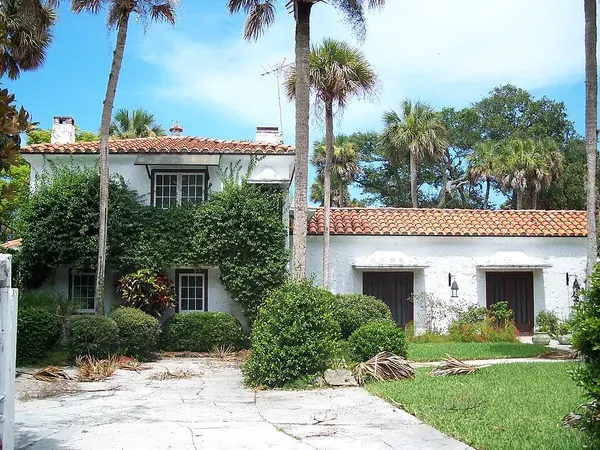
Moving past the roofline reveals another distinct element: soft arches which further express Spanish Colonial Revival's timeless design.
Soft arches
Soft arches bring smooth, curving lines to buildings. They make windows and doorways look round and inviting. These shapes come from old styles that people in Spain used long ago. When you see a soft arch, it feels like a mix of different cultures all in one place.
Arches are important for the look of Spanish Colonial Revival architecture. They go well with other parts of the building like terra-cotta clay tiles and white walls. The wood around them can be very pretty because it might have special designs cut into it.
This makes the whole building stand out more.
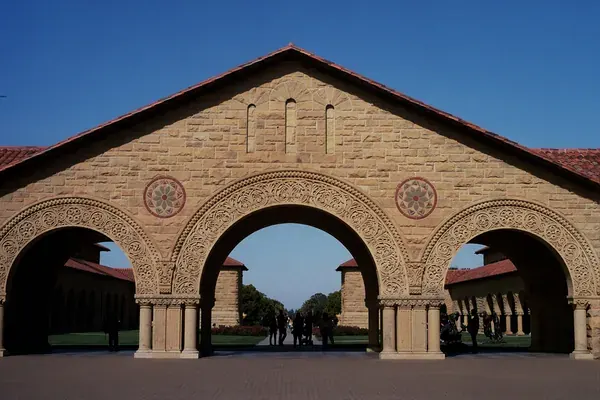
Now let's talk about how crafted wood adds charm to these buildings.
Carved wooden details
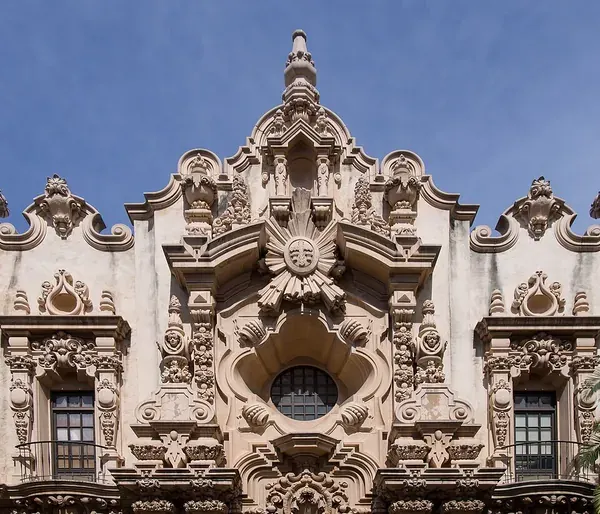
Just as soft arches bring a flowing elegance to Spanish Colonial architecture, so do carved wooden details add a touch of exquisite craftsmanship. Artists spend many hours turning simple wood into beautiful works of art for buildings.
Doors, window frames, and even ceiling beams can have intricate patterns carved into them. These patterns often show off nature or geometric shapes that were important in early Spanish missions.
Every ornate carving tells its own story, adding depth and character to the building's design. Using traditional tools and techniques, craftsmen create these wooden elements with great skill.
This hand-carved detailing is not just for looks; it also shows the high value placed on artisanal work in Colonial Revival aesthetics.
Examples of Spanish Colonial Revival Architecture Worldwide
The Spanish Colonial Revival style has manifested distinctly across various landscapes, from the tile-roofed seaside estates in California's affluent communities to Florida's coastal resorts that exude old-world charm.
Globally, this architectural style has also found a home, gracing regions as far-flung as Australia's serene suburbs, each adaptation weaving local flavors with its iconic Spanish design elements.
These enduring examples not only highlight Spanish Colonial Revival architecture's versatility but illustrate its international appeal, a testament to an aesthetic deeply rooted in tradition yet remarkably adaptable.
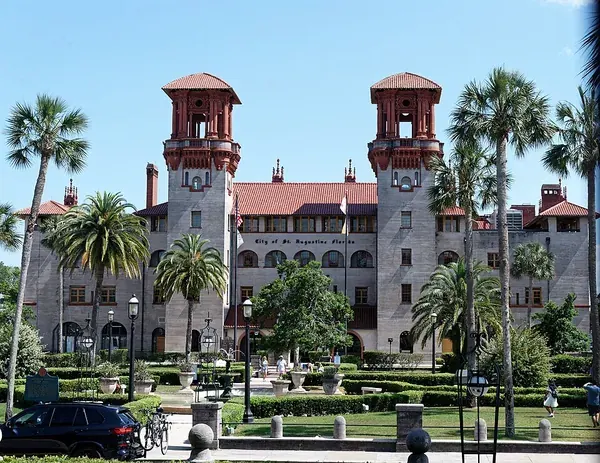
Mediterranean Revival
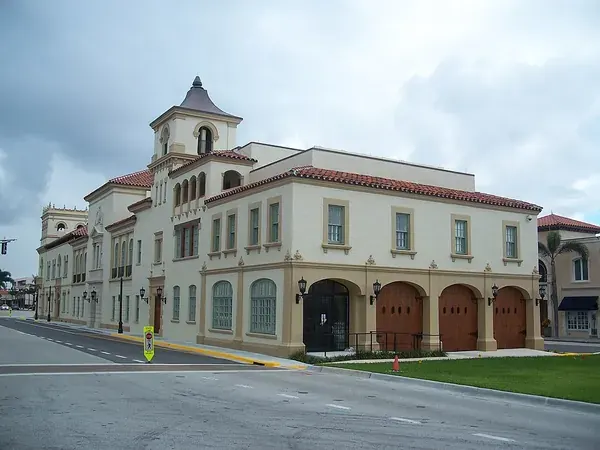
Mediterranean Revival architecture is a unique blend of Spanish and Italian design. It takes the best parts from both worlds, like the grandness of the Italian Renaissance and the warmth of the Spanish style.
Builders use white stucco for walls that keep houses cool and add terra cotta tiles on roofs for a touch of rustic beauty. Everything connects to nature, with outdoor spaces that feel fresh and inviting.
Arches are soft and wide in this style, making doorways and windows stand out. Iron details are everywhere too, they pop against the simple white walls. People love these homes because they mix old-world charm with features perfect for today's living.
Fancy houses or cozy bungalows can have Mediterranean flair, showing off red roofs and bright courtyards that invite you to relax under sunny skies.
Mission Revival
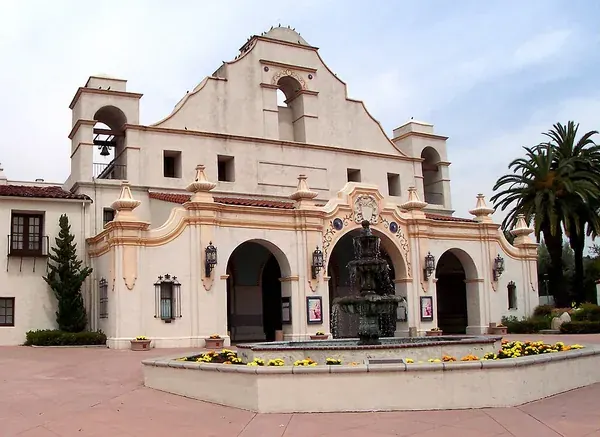
The Mission Revival style brings the past to life, drawing from the old Spanish missions that dotted the West Coast. Architects look back at these early buildings for inspiration, copying their red tile roofs and thick white stucco walls.
Craftsmen might add bell towers or arches to give new structures that historic touch.
This style went beyond simple design; it was part of a larger artistic movement in Mexico after the Revolution. The government wanted to create a sense of national pride and looked towards traditional styles like Mission Revival.
This approach mixed history with architecture, showing off Mexican heritage through buildings across the nation.
Florida
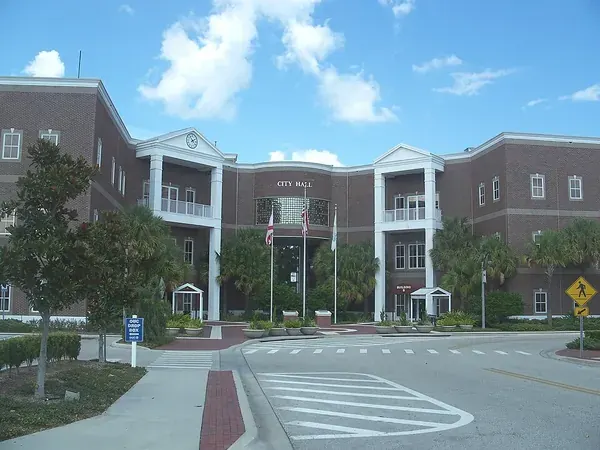
Florida shines as a star in the realm of Spanish Colonial Revival Architecture. Buildings across the state capture the spirit of Spain's historical influence. In places like St. Cloud, you'll find stucco structures that take you back to colonial Mexico with their charm and design.
This style in Florida uses local materials such as coquina rock, creating thick walls topped by red clay tiles.
Architects love how these buildings mix old-world styles like Moorish and Byzantine with newer trends such as Neoclassical and Revival architecture. Each structure tells a story of time and place, making Florida an essential study for lovers of Spanish-inspired design.
Next up, we will explore California's unique contributions to this architectural legacy.
California
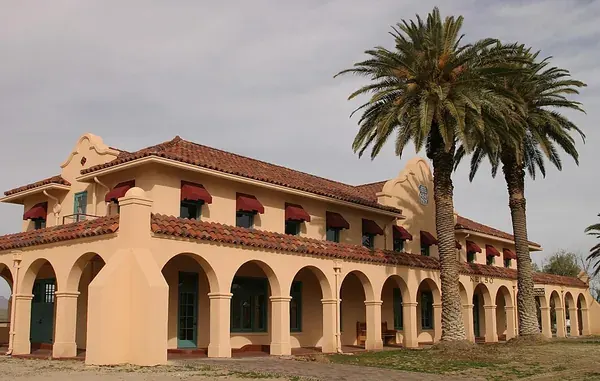
California shines as a treasure trove of Spanish Colonial Revival Architecture. Its warm climate and history with Spain make it the perfect place for this style. Homes, churches, and public buildings across California showcase white stucco walls, red tile roofs, and beautiful arches.
This architecture creates a romantic image that echoes the state's past.
Look around Southern California; you'll find many neighborhoods filled with these lovely designs from 1895 to 1930. Cities like Santa Barbara and San Diego hold onto their heritage through careful preservation of these buildings.
They blend the charm of old Spain with Californian culture. Moving on to the influence beyond America's borders, we see how this architecture touches corners around the world.
Spanish East Indies
Shifting focus from California to the Spanish East Indies, we find a rich tapestry of colonial architecture. The style here captures the historical charm seen in Spanish colonial towns and cities across the New World.
Buildings show off white walls and red roofs. They blend with nature seamlessly.
In these parts, architectural styles shine with Latin influences. Courtyards are common, offering a cool place for people to meet or relax alone amidst greenery and fountains. Balconies look out onto bustling streets below, where daily life unfolds amid a backdrop steeped in history.
This is where Spanish Colonial Revival goes beyond just design; it's about creating spaces that live and breathe cultural heritage.
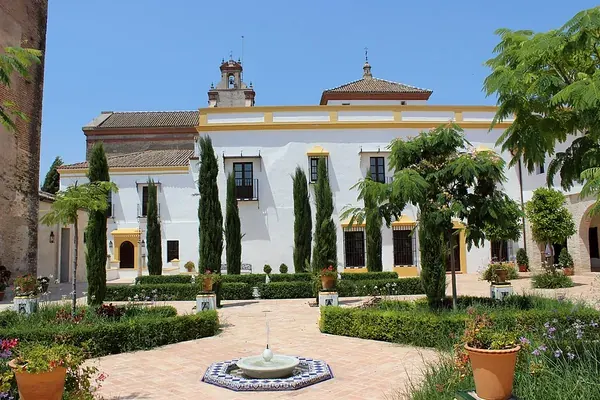
Impact and Legacy
The enduring allure of Spanish Colonial Revival architecture is evident in its widespread preservation and expansion into diverse global locales, from Mexico to Australia, impacting various other architectural forms with its distinct aesthetic and cultural reverence.
This rich legacy continues to influence modern design philosophies, demonstrating how traditional architectures can infuse contemporary contexts with historical depth and visual harmony.
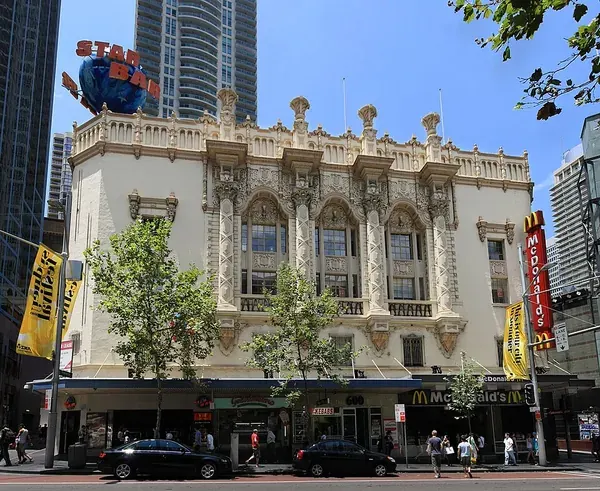
Ongoing popularity and preservation
People love Spanish Colonial Revival architecture for its romantic feel and vintage charm. These buildings take us back to the 18th and 19th centuries with their unique style. Homes built in this way stand out because of their special arches, iron work, and bright colors.
They have a beauty that doesn't get old.
Saving these buildings is important for keeping our architectural heritage alive. Architects around the world value these designs and want to keep them safe. We learn from these old styles as we build new ones too.
This makes sure that Spanish Colonial Revival stays popular far into the future.
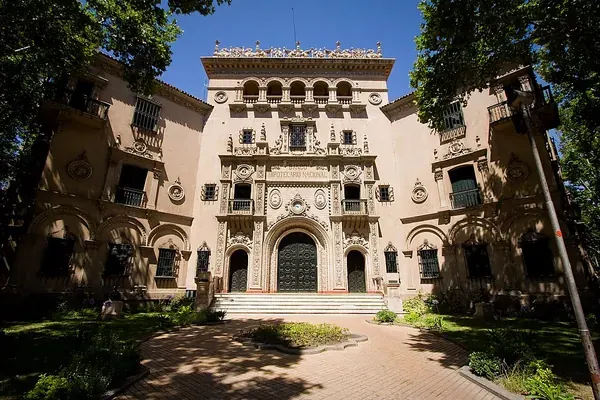
Spread to other countries such as Mexico and Australia
Spanish Colonial Revival architecture has flown far from its roots. It now touches Mexico and Australia's cities and towns. This style blends with each place's building traditions, creating a unique mix of old Spanish charm and local customs.
In Mexico, you find colorful tiles alongside the classic white stucco walls. Head to Australia and see modern homes borrowing red clay tile roofs for a sunny vibe.
This global spread shows how lively Spanish Colonial Revival style is today. Next comes its impact on other designs around the world.
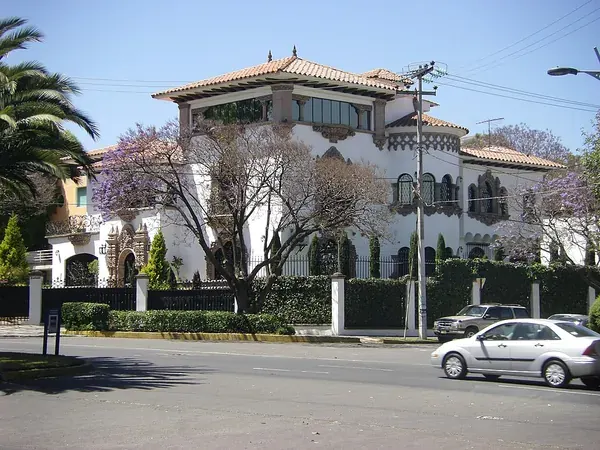
Influence on other architectural styles and designs
As Spanish Colonial Revival architecture spread worldwide, it began to shape the way designers thought about space and style. This rich tradition influenced modern ranch homes with its emphasis on simplicity and connection to the outdoors.
Wide-open floor plans and seamless indoor-outdoor living are hallmarks of today's ranch design, thanks in part to the laid-back elegance of Spanish Colonial structures.
Architects draw inspiration from the past as they create new works. The carved wooden details and soft arches that define this classic style find their way into contemporary buildings, blending historical charm with modern flair.
Through such elements as white stucco surfaces or red clay tiles, current designs echo the legacy of centuries-old European styles like Gothic and Baroque while forging a fresh aesthetic for today's world.

Grasshopper Complete Course
Give your architectural skills a boost with the Grasshopper Complete Course. Get over 50 hours of comprehensive Grasshopper training tailored for architects. Learn to generate and iterate designs faster. Click below for more information and streamline your workflows!